
How to Grow Blueberries in Pots
Growing your own blueberries in pots is a rewarding way to enjoy fresh, sweet berries right on your patio or balcony, even in a small UK garden. With the right acidic soil and care, these vibrant…
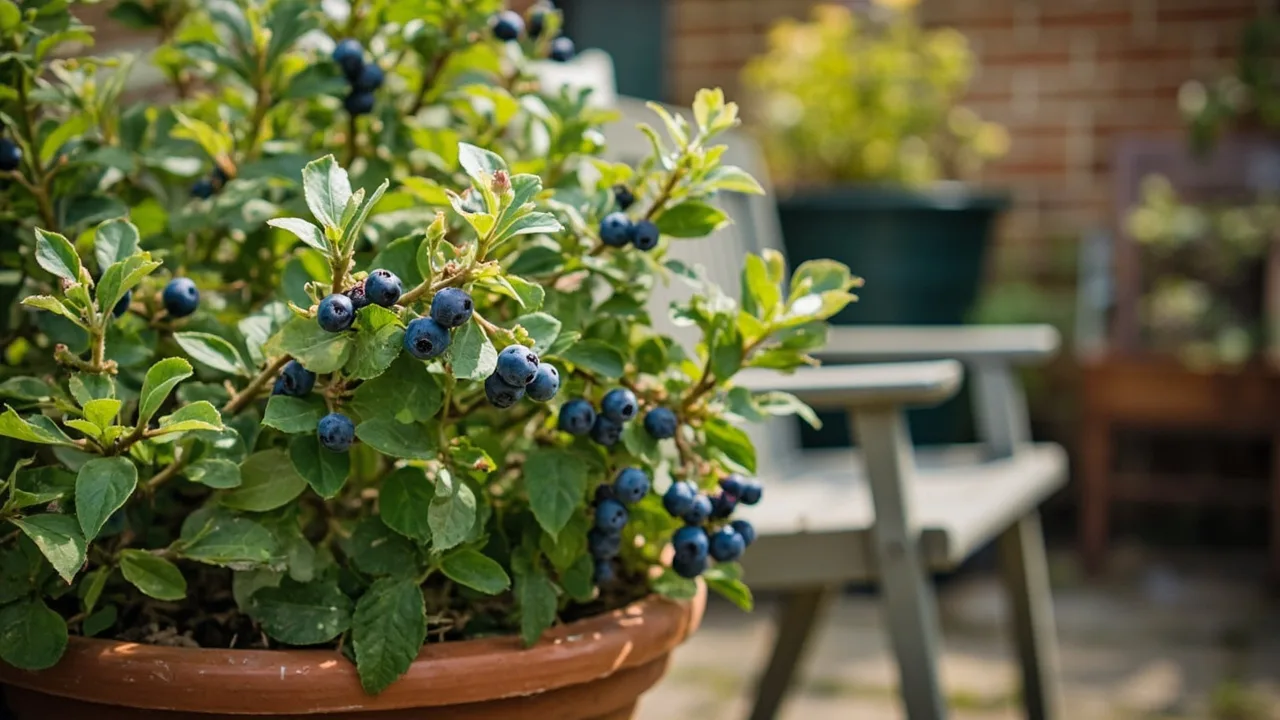
Growing your own blueberries in pots is a rewarding way to enjoy fresh, sweet berries right on your patio or balcony, even in a small UK garden. With the right acidic soil and care, these vibrant shrubs thrive in containers, offering a splash of colour and delicious fruit for years to come. Forget confusing wild varieties—stick to cultivated highbush types like 'Bluecrop' or 'Sweetblue' for reliable, large berries in your pot. These are the only varieties reliably available in UK garden centres and suited to container life.
Choosing Your Blueberry Plant
Select a highbush variety (Vaccinium corymbosum) specifically bred for container growing, as these are the only types reliably available in UK garden centres. Avoid confusing them with European bilberries (Vaccinium myrtillus), which are smaller, wilder, and less suited to pots. Look for young plants in 2-3 litre pots with healthy, green foliage and no signs of pests. For the UK, 'Bluecrop' is ideal—it’s hardy, productive, and tolerates cooler summers better than some varieties. Plant in late March to early April in southern England (late April in Scotland), when soil temperatures reach 8–10°C (46–50°F). Wait for a dry spell after winter frosts; planting in wet, cold soil risks root rot. Crucially, avoid 'wild' or 'lowbush' types—they’re not bred for UK conditions and often mislabeled.
Key plant selection tips
- Variety: Stick to named cultivars like 'Bluecrop', 'Sweetblue', or 'Patriot' (all UK-available from reputable nurseries).
- Source: Buy from UK nurseries like Thompson & Morgan, Dobbies, or Crocus to ensure disease-free stock and correct varieties.
- Avoid: 'Wild' blueberries or bilberries (V. myrtillus)—they’re smaller, require natural acidic soils not replicable in pots, and are often sold incorrectly.
Potting and Soil: The Acidic Foundation
Blueberries demand highly acidic soil (pH 4.2–5.2), which UK garden soils rarely provide. Never rely on compost to lower pH—it does not significantly alter soil acidity. Instead, use a dedicated ericaceous (acid-loving) potting mix as your base. Fill a pot with a minimum diameter of 45cm (18 inches) and depth of 30cm (12 inches), with drainage holes. Mix 50% ericaceous potting compost with 50% horticultural grit or perlite for drainage. Add a handful of sulphur (50g per 10L pot) to lower pH if your mix is above 5.5 (test with a UK-available pH kit like the Luster Leaf 1210). Crucially, never use garden soil—it compacts and raises pH. For Scottish gardeners, use a 50:50 mix of ericaceous compost and grit, as Scottish soils tend to be more alkaline.
Potting step-by-step
- Drainage: Place a 2cm layer of broken crockery or gravel in the pot base.
- Soil mix: Combine ericaceous compost, grit/perlite, and sulphur (if needed).
- Planting: Position the plant so the top of the rootball sits 2–3cm below the pot rim.
- Watering: Soak thoroughly until water drains freely from the base—this settles the soil.
Ongoing Care: Watering, Feeding and Mulching
Blueberries need consistent moisture but hate soggy roots. Water deeply when the top 2.5cm (1 inch) of soil feels dry—typically every 2–3 days in summer in southern UK, and slightly less frequently in cooler northern zones. Use rainwater or distilled water, as tap water often contains lime that raises pH. Apply a 5cm (2-inch) layer of mulch (e.g., pine bark or oak leaf mould) annually in early March (late February in mild south-west England). This retains moisture, suppresses weeds, and protects roots from temperature swings. For feeding, use a balanced, slow-release organic fertilizer formulated for acid-loving plants (e.g., Thieme’s Ericaceous Plant Food) in early spring and mid-summer. Do not over-fertilise—excess nitrogen causes leaf burn. Follow the product label precisely, as UK regulations restrict certain chemical controls.
Feeding schedule
- March/April (south), April/May (north): Apply 10g per litre of potting mix (e.g., 50g for a 5L pot).
- June: Light top-up if growth is vigorous.
- Avoid: High-nitrogen feeds (e.g., tomato fertilisers) or manure—these raise pH and damage roots.
Pruning for Maximum Fruit
Prune in late winter (February/March in southern UK, March/April in Scotland) when the plant is dormant. Remove dead, damaged, or inward-growing stems first. For young plants (1–3 years), cut back to 10–15cm (4–6 inches) to encourage bushy growth. Mature plants need annual thinning: cut away 1–2 of the oldest stems (over 5 years old, identifiable by grey, rough bark) to the ground each year. This boosts air circulation and directs energy to new fruiting wood. Never prune in autumn—this risks winter damage. For Scottish growers, delay pruning until mid-March to avoid late frosts. Always use clean, sharp secateurs and disinfect them with methylated spirits between cuts to prevent disease spread.
Pruning checklist
- Remove: Dead, crossing, or weak stems (cut to the base).
- Cut back: 20% of oldest stems annually (e.g., 2 stems from a 10-stem plant).
- Leave: 6–8 strong, new shoots per plant (green, flexible stems).
Troubleshooting Common Issues
Yellowing leaves often signal incorrect soil pH (too high) or iron deficiency. Test pH first—reapply ericaceous compost or sulphur if needed. If pH is correct, use a chelated iron fertiliser (e.g., Iron Chelate 10% solution) following RHS guidelines. Pests like aphids can be washed off with a strong jet of water or treated with organic insecticidal soap (check RHS for approved products). For fungal issues (e.g., grey mould), improve airflow by spacing pots 30cm (12 inches) apart and avoid wetting leaves. Note: Blueberries are non-toxic to cats, dogs, and horses (RHS), but never eat wild berries without expert ID.
Quick fixes
- Dry leaves: Increase watering frequency; check mulch layer is intact.
- Small berries: Ensure full sun (6+ hours daily) and correct pH (test monthly in spring).
- No fruit: Confirm cross-pollination (plant two varieties like 'Bluecrop' and 'Patriot' if possible).
Harvesting and Long-Term Pot Care
Berries ripen from mid-July to early August in southern UK (late July to September in Scotland), depending on your microclimate. Pick when they’re deep blue, slightly soft, and detach easily from the stem—never when green. Harvest in the morning for best flavour. After fruiting, cut back any weak growth to encourage new shoots. Re-pot every 3 years in early spring (March in south, April in north), replacing 1/3 of the compost with fresh ericaceous mix. In winter, move pots to a sheltered spot (e.g., against a south-facing wall) to protect from harsh winds. If you live in Scotland or northern England, lift pots indoors or into a cold frame during severe frosts (below -5°C) for 2–3 days. For long-term health, refresh the mulch layer annually and monitor pH—retest every 6 months.
Plants in this guide

Recommended Products
GardenWizz earns a commission from qualifying purchases made through affiliate links on this page (including links within the article) — as an Amazon Associate, and from Thompson & Morgan via the Awin network. This does not affect the price you pay. See our disclaimer for details.
Related Articles
More →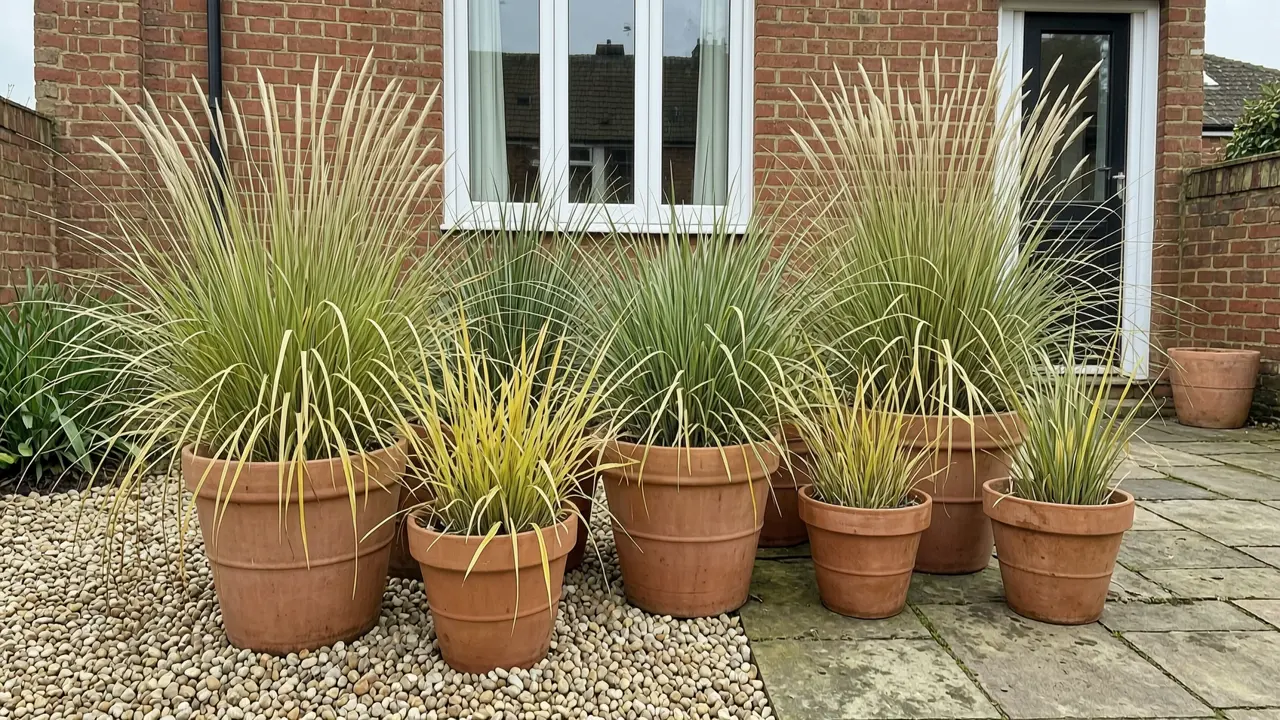 Growing Guide
How to grow ornamental grasses in pots
5 August 2026Grow ornamental grasses successfully in containers with advice on pot size, compost, watering, feeding, winter care and long-term maintenance.
 Growing Guide
How to plan a perennial border
5 August 2026Plan a balanced perennial border with practical guidance on position, colour, height, spacing, flowering succession and year-round structure.
 Growing Guide
How to take hardwood cuttings
29 July 2026Take hardwood cuttings from suitable dormant shrubs and climbers with this step-by-step guide to timing, preparation, rooting and aftercare.