
How to Grow Broad Beans in the UK
Broad beans (Vicia faba) are one of the first satisfying harvests of the UK summer. Sown in late winter or early spring, they germinate vigorously, shrug off frost, and produce pods from late May…
At a Glance
| Sow | February-March (spring) or October-November (autumn, mild areas) |
|---|---|
| Sun | Full sun |
| Soil | Fertile, well-drained |
| Spacing | 20 cm apart in 60 cm double rows |
| Hardiness | H5 — most UK gardens |
| Difficulty | Easy |
| Time to harvest | 12-16 weeks from sowing |
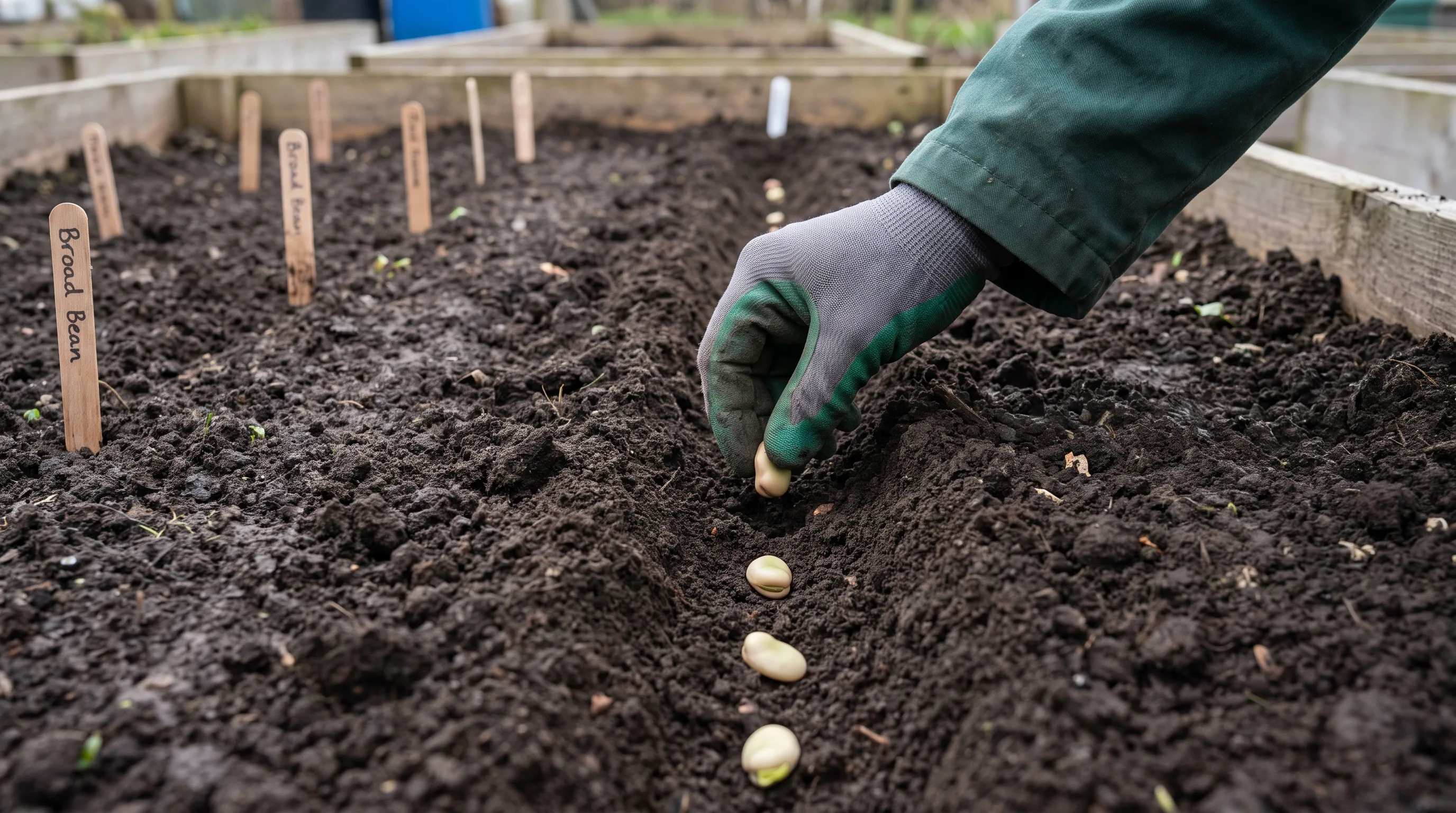
Broad beans (Vicia faba) are one of the first satisfying harvests of the UK summer. Sown in late winter or early spring, they germinate vigorously, shrug off frost, and produce pods from late May through July, well before most other beans are ready. The plants are unfussy about soil, fix their own nitrogen, and the pods are easy to pick — a perfect crop for new gardeners and allotmenteers.
They taste completely different from shop-bought broad beans. The fresh, just-picked beans are sweet, tender and almost nutty, with a bright green colour you never see in the supermarkets, where the beans turn dull and mealy within hours of harvest. Even people who claim not to like broad beans usually come round to home-grown ones.
When to sow broad beans in the UK
There are two main sowing windows, and the choice depends on your region and how early you want to harvest:
- Autumn sowing (late October to mid-November): only worth doing in mild regions or on free-draining soil. The seeds sit in the ground over winter and germinate in February, giving a crop from late May. In cold or wet areas the seeds rot. Hardy varieties for autumn sowing include ‘Aquadulce Claudia’ and ‘Super Aquadulce’.
- Spring sowing (February to mid-April): the main window for most of the UK. Sow in pots under cover in February, or direct into the ground from mid-March once the soil has warmed slightly. Plants from spring sowings crop from late June into August.
For most gardeners a single February sowing in deep pots (root-trainers or toilet-roll tubes) under cover, followed by planting out in April, gives the best balance of early harvest with reliable establishment.
Choosing broad bean varieties
There are dozens of broad bean varieties, but they fall into three groups. Pick by harvest timing and pod size:
- Longpod types: the traditional, heavy-cropping varieties with 8–10 large beans per pod. ‘Bunyard’s Exhibition’ (heritage, from 1884), ‘Masterpiece Green Longpod’, and ‘Imperial Green Longpod’ are reliable choices. Pods are 25–35 cm long.
- Windsor types: shorter pods with fewer but plumper beans, often considered better flavoured. ‘Green Windsor’ and ‘Red Epicure’ (with reddish beans) are the classic picks.
- Dwarf varieties: only 60–90 cm tall, don’t need staking, but crops are smaller. ‘The Sutton’ is the long-standing favourite for exposed or windy sites.
For an early crop, pair an autumn sowing of ‘Aquadulce Claudia’ (longpod, very hardy) with a February sowing of a Windsor type for flavour. For a single main sowing, ‘Bunyard’s Exhibition’ gives the heaviest yield.
Sowing and germinating broad beans
Broad beans have a deep tap root and dislike root disturbance, so sow them into deep individual modules or root-trainers rather than seed trays. Toilet-roll tubes cut in half also work well. Push each seed 5 cm deep into a peat-free multi-purpose compost, water, and place in a cold frame, unheated greenhouse, or a sheltered spot outside. Germination takes 7–14 days at 5–10 °C.
For direct sowing into the ground, wait until the soil has warmed to about 7 °C — roughly mid-March in the south, late March or early April further north. Use a spade to draw a shallow drill 5 cm deep, sow seeds 20 cm apart in a double row, and cover. Water the drill if the soil is dry.
Planting out and supporting
Harden off module-raised plants for a week before planting out — they’re hardy but a sudden cold snap will check them. Plant out when the seedlings are 8–10 cm tall, usually in April. Space at 20 cm apart in double rows, with 60 cm between each pair of rows. The double-row layout helps the plants support each other and makes it easier to put up a row of stakes and string.
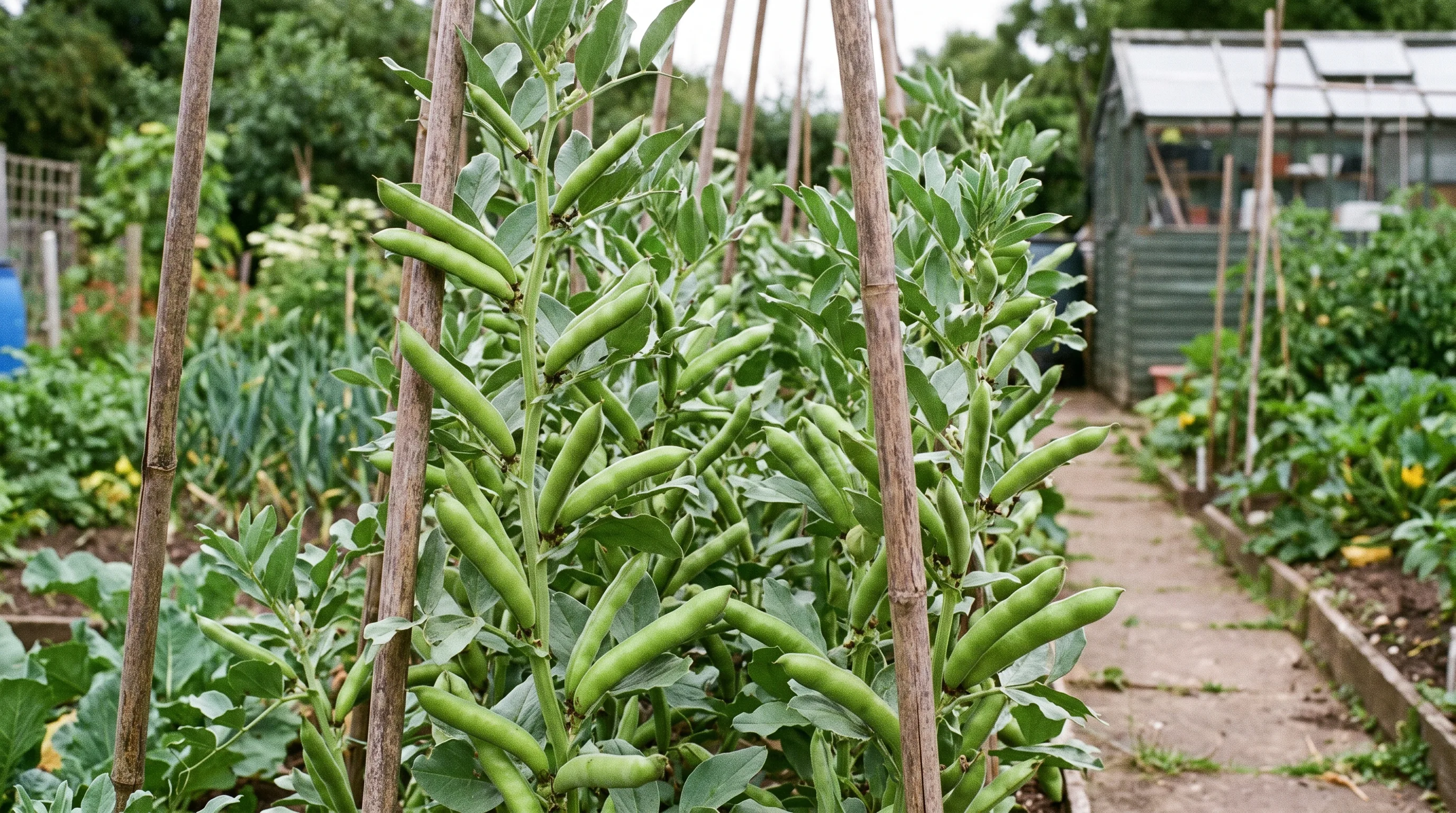
For taller varieties (over 1 m), put in 1.2 m bamboo canes at each end of the row and along it every 1.5 m, then run two horizontal strings — one at 30 cm, one at 60 cm. The plants flop over in summer winds otherwise, especially after heavy rain, and once they fall over they don’t recover. Dwarf varieties under 90 cm don’t need support.
On exposed sites, draw soil up around the base of each plant to 5 cm, and pinch out the growing tip once the lowest flowers have set pods (see below).
Pinching out tops and dealing with blackfly
Two related jobs happen in late May or early June once the plants start to flower:
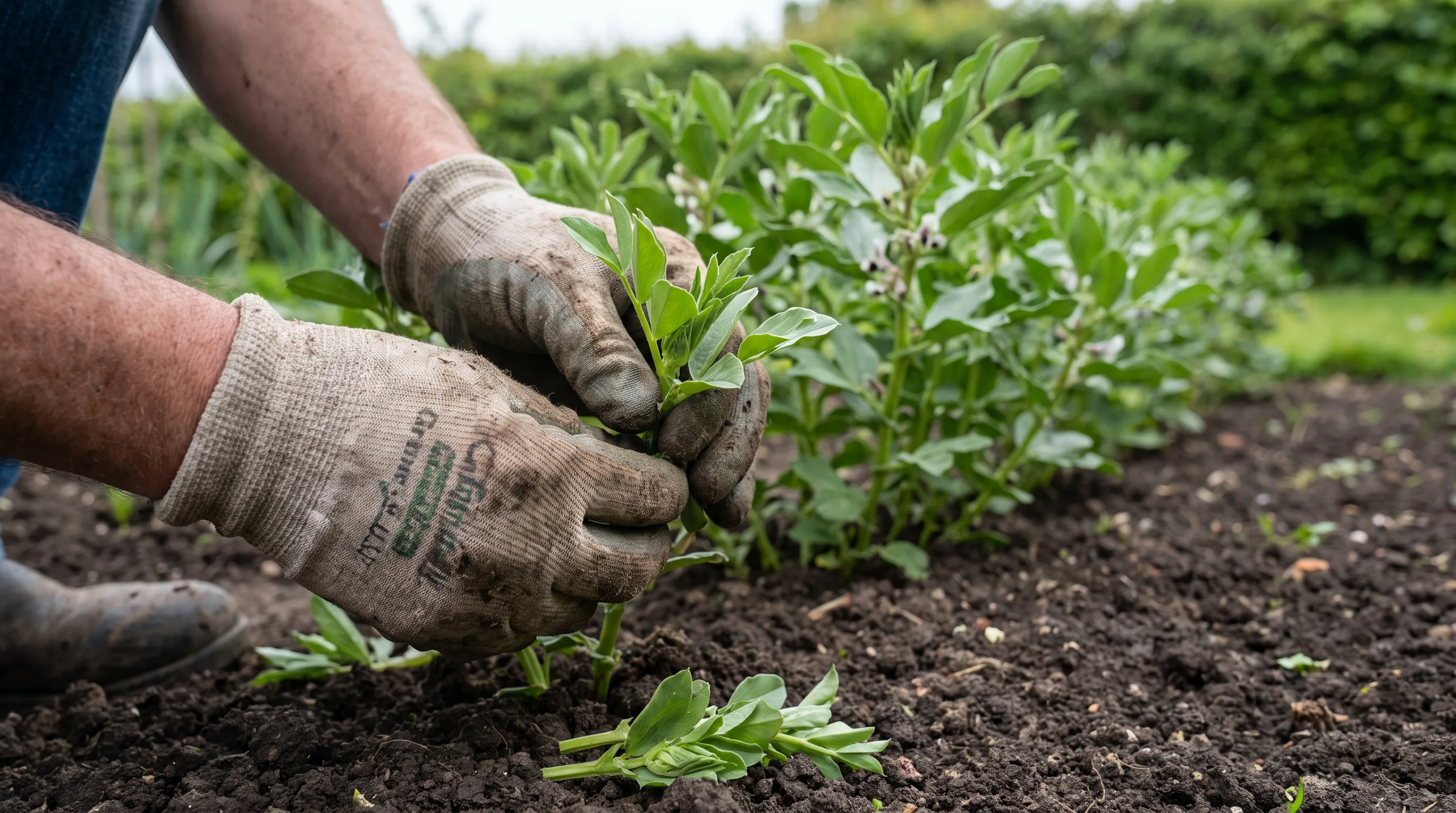
- Pinching out the growing tip: when the lowest pods have started to swell, snap off the top 5–7 cm of growth above the topmost flower truss. The plants stop putting energy into new leaves, the lower pods swell faster, and you also get rid of the soft tip where blackfly love to feed.
- Blackfly control: blackfly (black bean aphid) cluster on the soft growing tips in May and June. Pinching out helps, but if you see colonies, spray with a strong jet of water or treat with insecticidal soap. Don’t spray once the pods are forming for eating.
The pinched-out tips are also edible — steam them like spinach or stir-fry with garlic. They have a mild, beany flavour.
Watering, feeding and looking after the crop
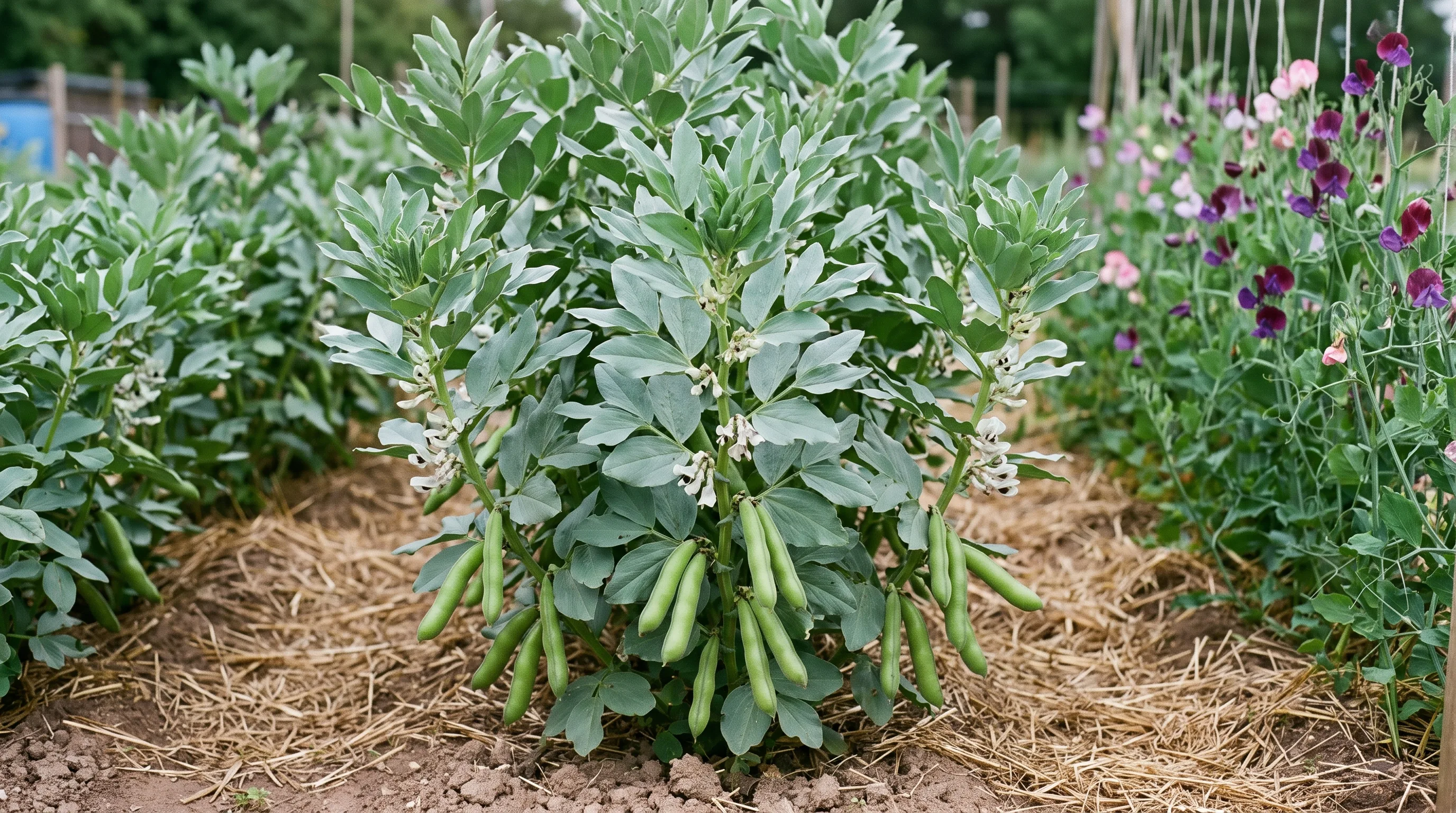
Broad beans are legumes and fix their own nitrogen from the atmosphere, so don’t feed them with nitrogen-rich fertiliser. They will, however, benefit from a feed of potash (tomato feed or comfrey tea) once the flowers appear, which improves pod set and bean size.
Water consistently from flowering onwards. A dry spell at flowering time causes the flowers to drop without setting pods, which is the most common reason for a disappointing harvest. Soak deeply once a week rather than sprinkling.
Weed regularly while the plants are small; once the canopy closes they’ll suppress most weeds themselves. Mulching with grass clippings or compost between the rows helps retain moisture and keeps the roots cool.
Harvesting broad beans
Pick the pods when they’re well filled but the beans inside are still soft — if you can feel individual beans through the pod but they’re not bulging hard, they’re ready. Oversized beans become floury and the skins tough. Pick from the bottom of the plant upwards, as the lower pods mature first.
For the smallest, sweetest beans, pick pods about 10–12 cm long and shell them young. These are the beans served in Italian restaurants as “baby broad beans” and they need only 2–3 minutes cooking.
A 3 m double row of broad beans will produce 4–6 kg of shelled beans over a 3-week harvest window. Once the main harvest is done, cut the plants down to ground level (don’t pull them up — the roots are full of nitrogen-fixing nodules that feed the next crop). The leafy tops can go on the compost heap.
Frequently asked questions
Why did my broad beans flower but not set pods? Almost always either a dry spell during flowering, or hot weather above 27 °C (which sterilises the pollen). Water deeply and consistently, and don’t worry too much about one bad year — they’ll usually crop well the next.
Can I grow broad beans in containers? Yes, choose a dwarf variety like ‘The Sutton’ in a 30 cm deep container. Use a peat-free multi-purpose compost, water frequently, and stake the plants even though they’re short — they’ll still flop in wind.
My plants are covered in blackfly. Should I spray? First try blasting them off with a hose. The natural predators (ladybirds, hoverflies, lacewings) usually catch up within 2–3 weeks. Insecticidal soap works if you have a severe infestation, but only spray before the pods form.
Can I save seed for next year? Yes — leave a few pods at the bottom of the plant to mature fully on the stem. They’ll turn brown and the beans inside will dry and harden. Shell them, dry further on a tray for two weeks indoors, and store in a paper envelope. Broad beans self-pollinate so they come true to type, but only save from open-pollinated varieties, not F1 hybrids.
Do broad beans need crop rotation? Yes, ideally. Because they fix nitrogen, they’re an excellent crop to follow with a leafy vegetable like cabbage, kale, or spinach, which will use the nitrogen left in the soil. Don’t grow broad beans (or any other legume) in the same bed for at least three years.
Plants in this guide
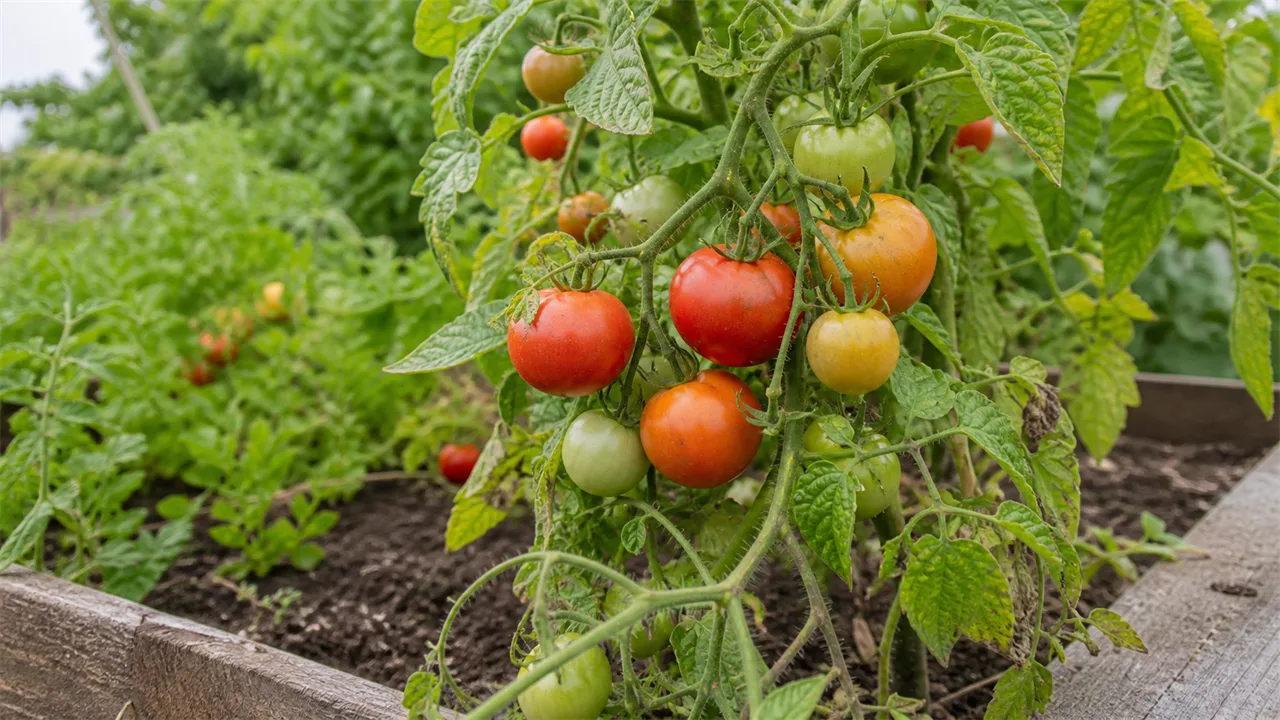
Recommended Products
GardenWizz earns a commission from qualifying purchases made through affiliate links on this page (including links within the article) — as an Amazon Associate, and from Thompson & Morgan via the Awin network. This does not affect the price you pay. See our disclaimer for details.
Related Articles
More →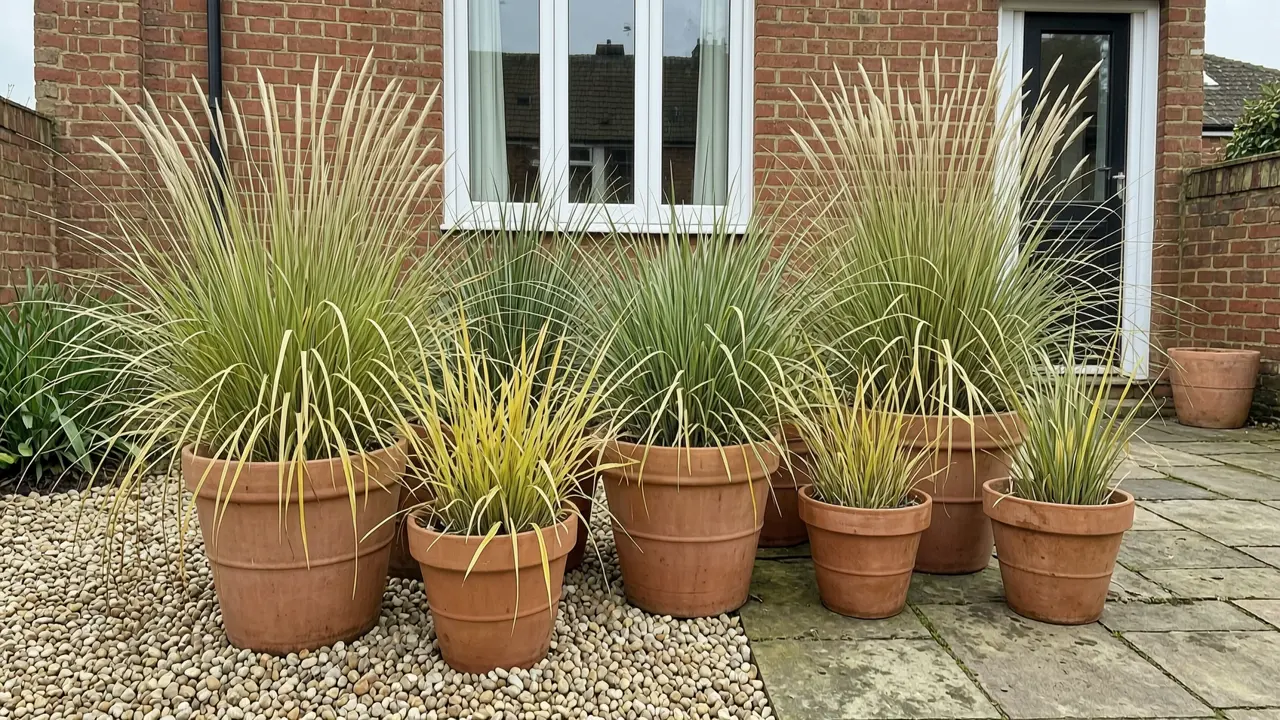 Growing Guide
How to grow ornamental grasses in pots
5 August 2026Grow ornamental grasses successfully in containers with advice on pot size, compost, watering, feeding, winter care and long-term maintenance.
 Growing Guide
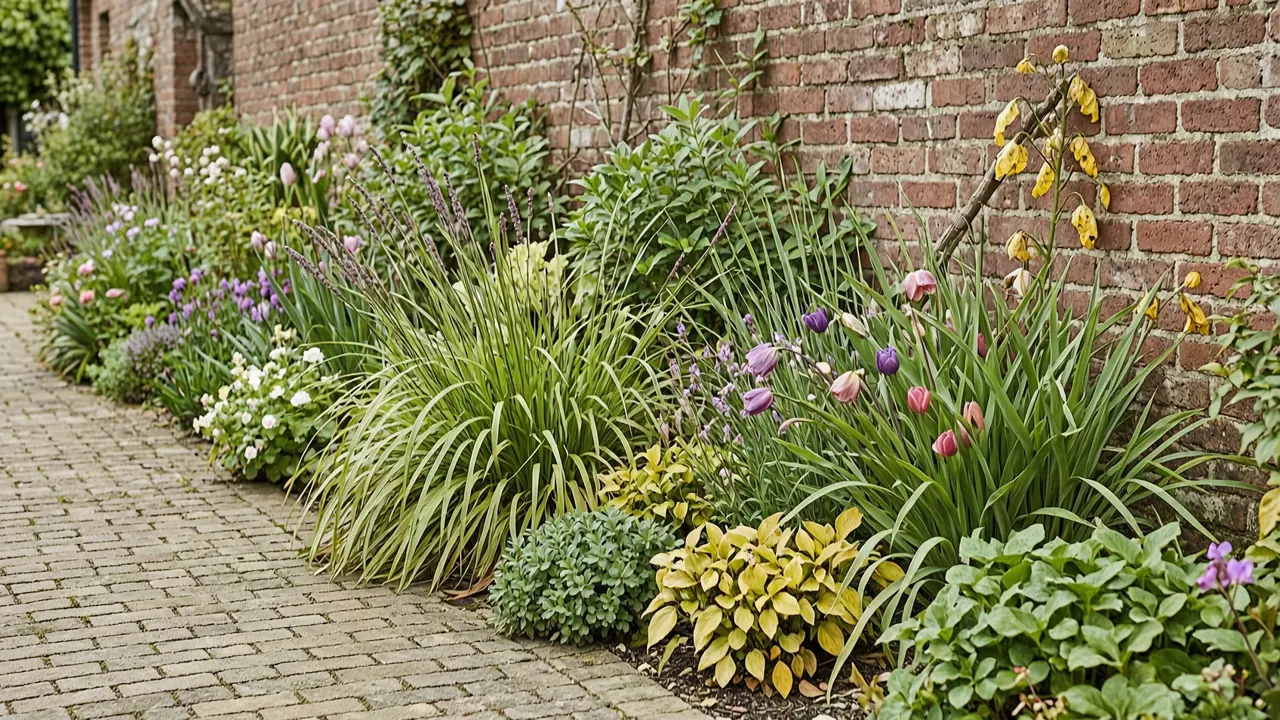
How to plan a perennial border
5 August 2026Plan a balanced perennial border with practical guidance on position, colour, height, spacing, flowering succession and year-round structure.
 Growing Guide
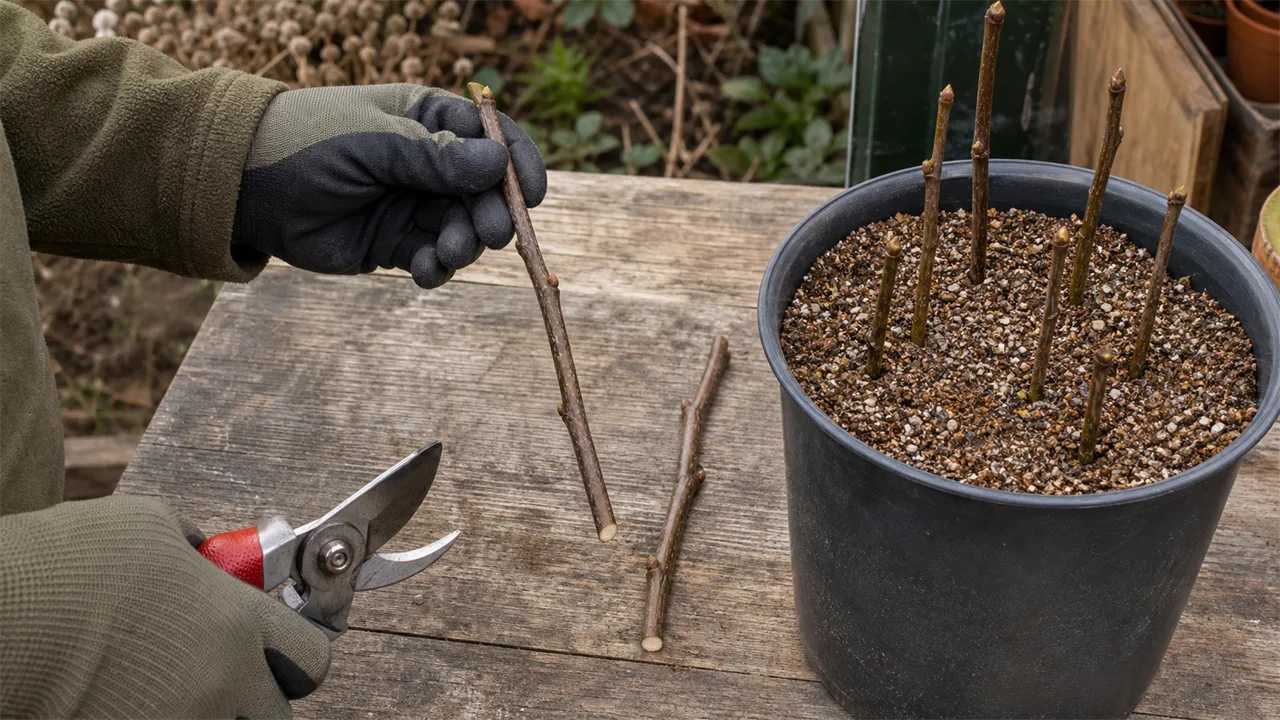
How to take hardwood cuttings
29 July 2026Take hardwood cuttings from suitable dormant shrubs and climbers with this step-by-step guide to timing, preparation, rooting and aftercare.