How to Grow Kale in the UK: A Complete Guide
Kale (Brassica oleracea, Acephala group) is the workhorse of the winter vegetable garden. A single sowing in spring produces plants that crop from late summer right through to the following April…
At a Glance
| Sow | March-May (modules), plant out 4-6 weeks later |
|---|---|
| Sun | Full sun to partial shade |
| Soil | Fertile, well-drained |
| Spacing | 45-60 cm apart in 60 cm rows |
| Hardiness | H7 — very hardy, improves with frost |
| Difficulty | Easy |
| Time to harvest | Pick from August onwards; plants crop for 6+ months |
Kale (Brassica oleracea, Acephala group) is the workhorse of the winter vegetable garden. A single sowing in spring produces plants that crop from late summer right through to the following April — longer than almost any other leafy green in the UK. It shrugs off frost (in fact, frost makes it taste sweeter), tolerates poor soil better than cabbage or broccoli, and the cut-and-come-again habit means a handful of plants will keep a family in greens all winter.
It’s also one of the most nutritious vegetables you can grow, packed with vitamin K, vitamin C, calcium, and antioxidants. And unlike the bagged stuff from the supermarket, fresh kale from the garden has a depth of flavour and a crispness that puts the limp, pre-chopped leaves to shame.
When to sow kale in the UK
Kale is a long-season crop, but it’s more forgiving than leeks or Brussels sprouts. There are two main sowing windows:
- Spring sowing (March to early May): the main window. Sow in modules under cover in March for transplanting in May, or direct into a seedbed from mid-April. Plants are ready to start cropping from late summer and continue through winter and into the following spring.
- Early summer sowing (June): for baby-leaf kale, or for an autumn-into-winter harvest. Plants are smaller and less productive than spring-sown ones, but they don’t bolt as readily if you sow late.
Avoid sowing before mid-March — cold, slow-growing seedlings get checked and bolt the following spring. And avoid sowing after late June — the plants don’t have time to establish before winter.
Choosing kale varieties for UK gardens
There are three main types, with very different textures and uses. Pick by what you want to cook:
- Curly kale: the traditional British type with crinkled, blue-green leaves. Hardy, productive, and the most familiar. ‘Curly Kale’ (the basic form), ‘Starbor’ F1 (dwarf, ideal for containers), ‘Reflex’ F1 (heavy cropping, very winter-hardy), and ‘Westlandse Winter’ (a heritage Dutch type that stands well into March).
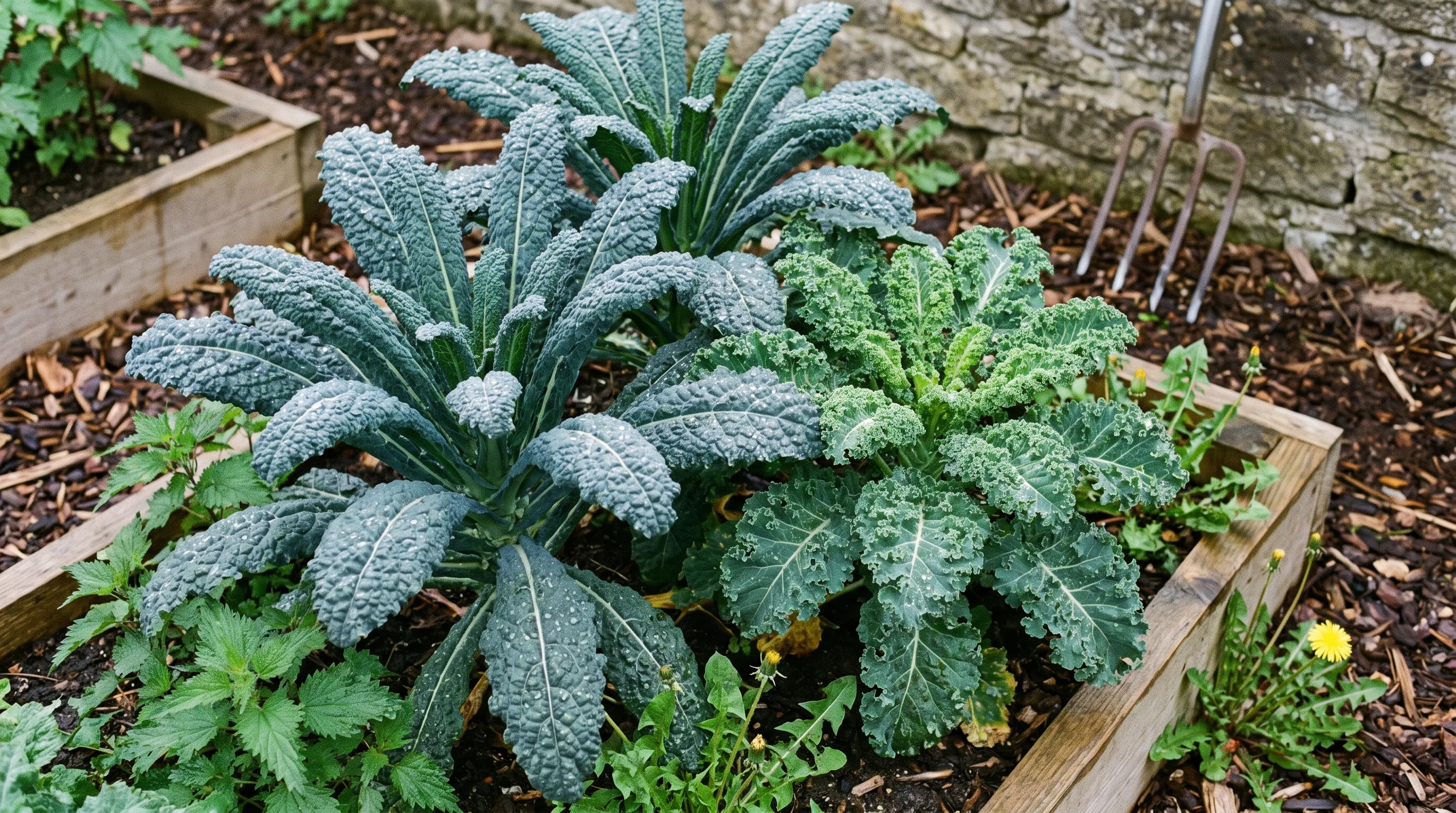
- Tuscan / black kale (cavolo nero): long, narrow, dark blue-green leaves with a blistered texture. Sweeter and more tender than curly kale, and the leaves are easier to use raw in salads. ‘Black Magic’ F1 and ‘Tuscan’ (a heritage selection) are the two main picks.
- Russian kale: flat, fringed leaves with a purple tinge. The hardiest of the three, and the quickest to crop. ‘Red Russian’ and ‘Redbor’ F1 (purple curly) are the stand-out varieties.
For a single sowing in a small garden, ‘Reflex’ F1 (curly) gives the most reliable year-round harvest. For something more striking in the kitchen and on the plate, ‘Black Magic’ F1 (Tuscan) is hard to beat.
Sowing and growing on
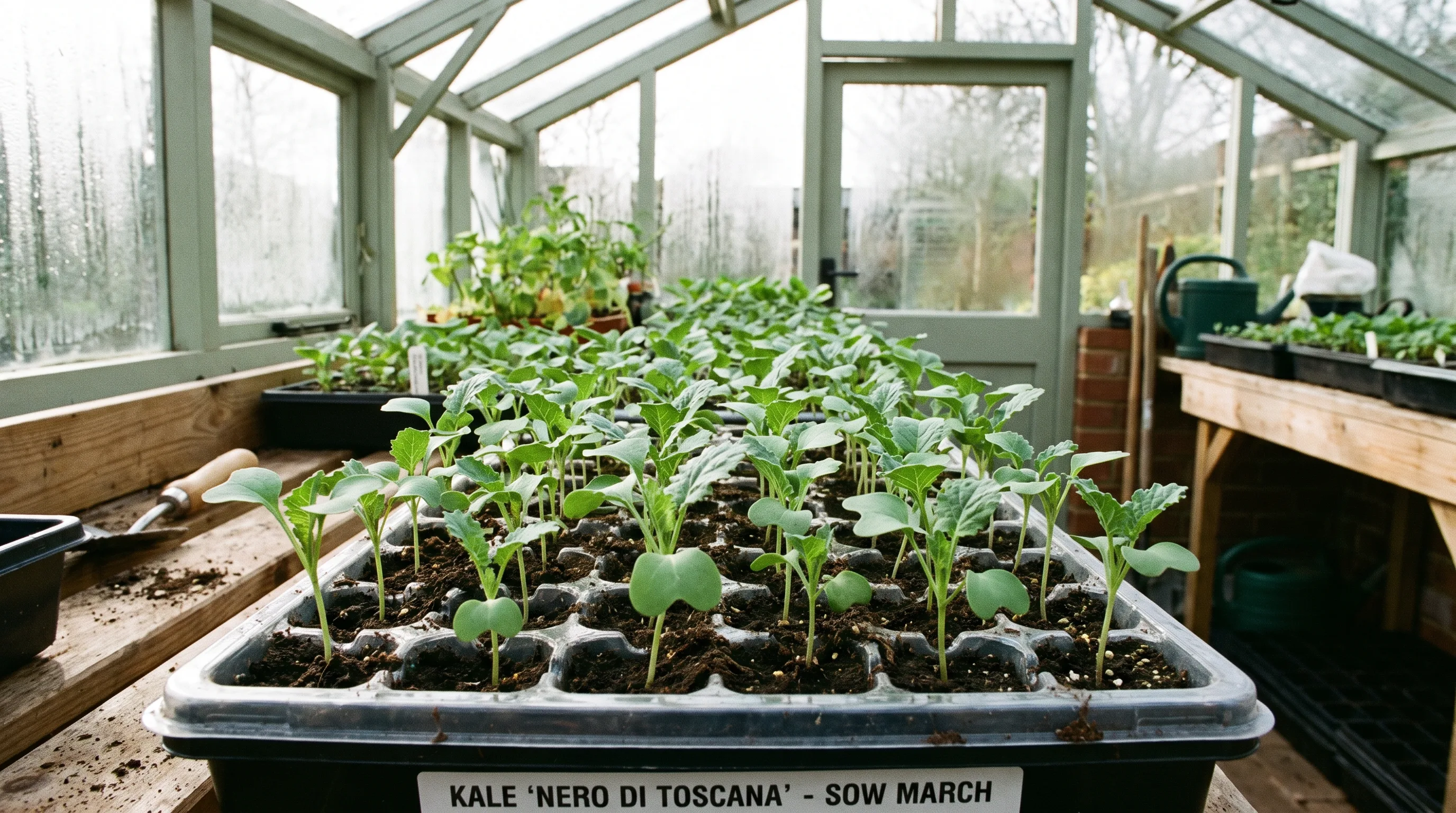
Sow kale into modules or small pots filled with peat-free seed compost, one seed per cell at about 1 cm deep. Germination takes 5–10 days at 15–20 °C. Once the seedlings have two true leaves, thin each cell to one strong plant if you sowed more than one. Grow them on in a bright, cool spot — a cold frame, an unheated greenhouse, or a sheltered spot outside.
For direct sowing into a seedbed, wait until the soil has warmed to 10 °C — usually mid-April in the south, late April further north. Sow in shallow drills 1 cm deep, thin to 7 cm apart in the row, and transplant to their final positions 4–6 weeks later when the plants are 10–15 cm tall.
Planting out and spacing
Kale needs a firm, fertile soil with a pH of 6.5–7.5. It’s a brassica, so it benefits from a dose of lime in late winter if your soil is acidic (below pH 6), and a generous helping of well-rotted manure or garden compost the previous autumn. Don’t add fresh manure at planting time — it produces soft, leafy growth that doesn’t overwinter well.
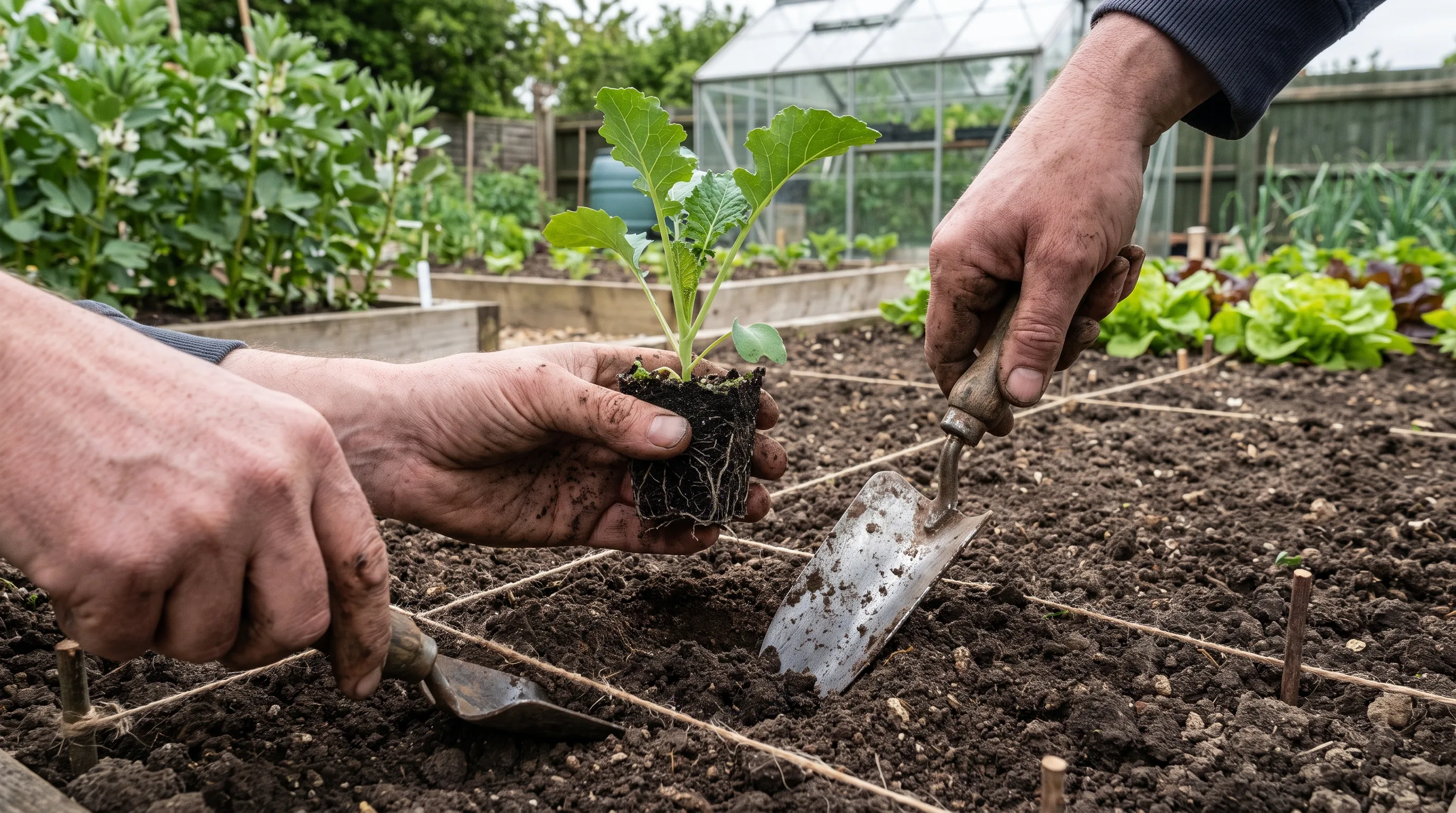
Plant out when the seedlings have 4–5 true leaves and look sturdy, usually 6–8 weeks after sowing. Space 45–60 cm apart in rows 60 cm apart. Dwarf varieties like ‘Starbor’ can go closer (30 cm apart). Firm the soil well around each plant — kale needs a tight root hold to keep it upright through winter gales.
Water the seedlings in well and keep them watered every 3–5 days for the first 2–3 weeks until established. Mulch between the rows with compost or straw to retain moisture and keep the roots cool in summer.
Care through the year: water, feed, pests
Once established, kale is remarkably unfussy. Water in dry spells — the most critical time is during the first two months in the ground and again in early autumn when the plants are making their main winter growth. A weekly soak is plenty.
Feed once in mid-summer with a balanced organic fertiliser (blood, fish and bone, or a seaweed drench). Don’t over-feed with nitrogen: too much produces soft growth that wilts in the first hard frost.
The main pests are cabbage white butterflies (caterpillars from May to September) and pigeons (which strip plants bare in winter). Netting is the simplest solution for both: a fine insect mesh over hoops keeps butterflies out, and a sturdier bird net stops pigeons. Check the net weekly for slugs, which love to shelter under it.
Don’t worry about minor leaf damage — kale leaves are very tough, and a few holes don’t affect the eating quality. The worst pest is cabbage root fly, which can be avoided by fitting brassica collars around the stem at planting time, or by growing kale in a different bed each year.
Harvesting: pick-and-come-again
Start harvesting when the plants have 8–10 full-sized leaves, usually 12–16 weeks after sowing. Pick a few leaves from each plant rather than stripping one plant at a time — the cut-and-come-again habit means the plants will keep producing for 6–9 months.
Snap or cut the leaves from the outside of the plant, leaving the central growing point intact. Always take the lower, older leaves first and leave the top 4–5 youngest leaves to keep the plant growing. A few plants can be harvested this way right through to April, when they start to run to seed and the leaves turn bitter.
For baby-leaf kale, sow a short row in late June and start cutting the plants 5–7 cm above ground when they’re 10–15 cm tall. They’ll resprout 2–3 times before the winter finishes them off. This is the easiest way to get tender salad leaves for autumn and early winter.
Frequently asked questions
Why is my kale going yellow and wilting in summer? Usually a combination of dry soil and cabbage root fly. Lift a plant and check the roots for the white grubs of the root fly. Rotation and brassica collars are the answer for next year.
When should I stop harvesting kale? As long as the plants are still producing fresh leaves, keep picking. Once the central growing point starts to elongate in March, the leaves turn bitter — pull the plant, compost it, and prepare the bed for the next crop.
Can I grow kale in containers? Yes — choose a dwarf variety like ‘Starbor’ or ‘Redbor’ in a 30 cm deep container. Use a peat-free multi-purpose compost mixed with slow-release fertiliser, and water frequently in summer. Yields are smaller than ground-grown, but a 40 cm container will keep one person in greens from August to March.
My kale tasted bitter. What went wrong? Usually either hot weather, dry conditions, or harvesting the wrong leaves. Pick the younger, smaller leaves (they’re sweeter than the large, tough ones) and only harvest in the morning, when the leaves are at their sweetest. Frost improves flavour: a hard frost in November transforms the taste of ‘Black Magic’ and ‘Redbor’.
Can I save kale seed? Yes, but it needs two years and a long season. Kale is biennial, so plants overwintered one year will flower and set seed the following summer. You need at least 5–10 plants for genetic diversity, and you must isolate from other brassicas (kale, cabbage, broccoli, cauliflower, Brussels sprouts will all cross). For most home gardeners, fresh seed each year is simpler and more reliable.
Plants in this guide
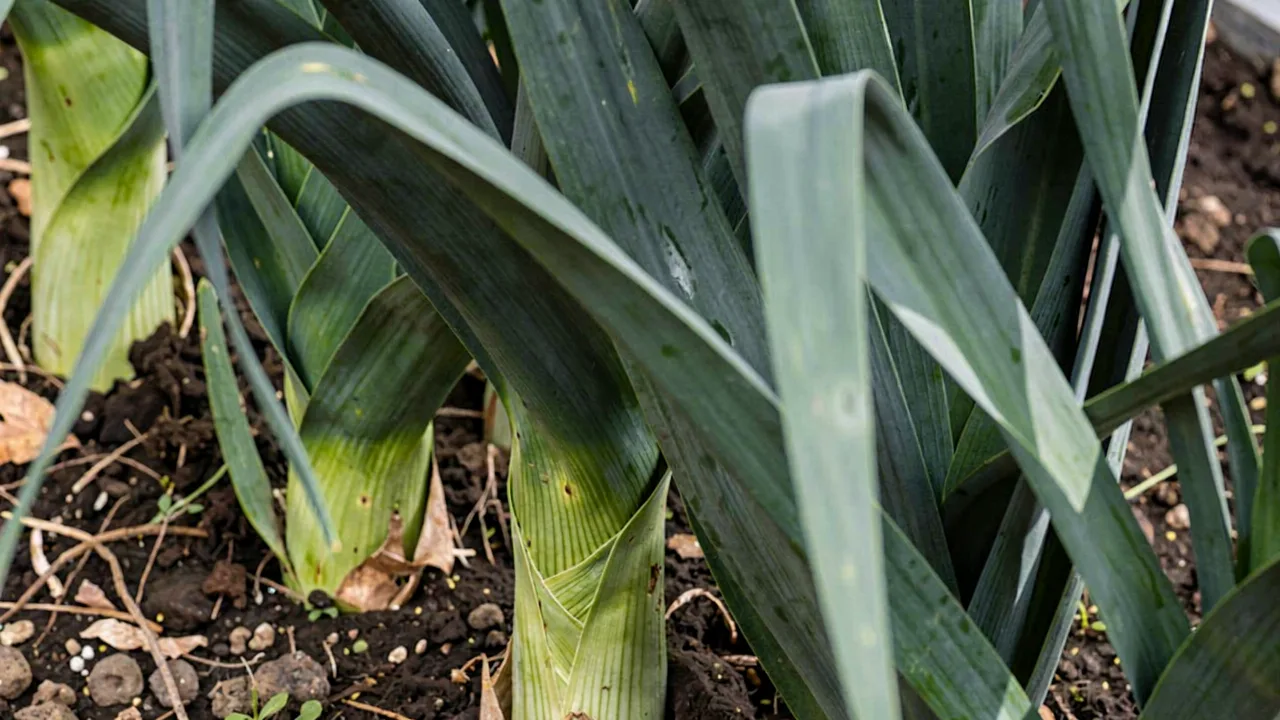
Recommended Products
GardenWizz earns a commission from qualifying purchases made through affiliate links on this page (including links within the article) — as an Amazon Associate, and from Thompson & Morgan via the Awin network. This does not affect the price you pay. See our disclaimer for details.
Related Articles
More → Growing Guide
How to grow ornamental grasses in pots
5 August 2026Grow ornamental grasses successfully in containers with advice on pot size, compost, watering, feeding, winter care and long-term maintenance.
 Growing Guide
How to plan a perennial border
5 August 2026Plan a balanced perennial border with practical guidance on position, colour, height, spacing, flowering succession and year-round structure.
 Growing Guide
How to take hardwood cuttings
29 July 2026Take hardwood cuttings from suitable dormant shrubs and climbers with this step-by-step guide to timing, preparation, rooting and aftercare.