
How to Grow Leeks in the UK: A Complete Guide
Most UK varieties need 20–30 weeks from sowing to harvest, so timing matters more than for almost any other vegetable.
At a Glance
| Sow | March-April main, January-February early |
|---|---|
| Sun | Full sun |
| Soil | Fertile, well-drained |
| Spacing | 15 cm apart in 30 cm rows |
| Hardiness | H5 — most UK gardens |
| Difficulty | Easy |
| Time to harvest | 30-40 weeks (sow Mar-Apr, lift Oct-Apr) |
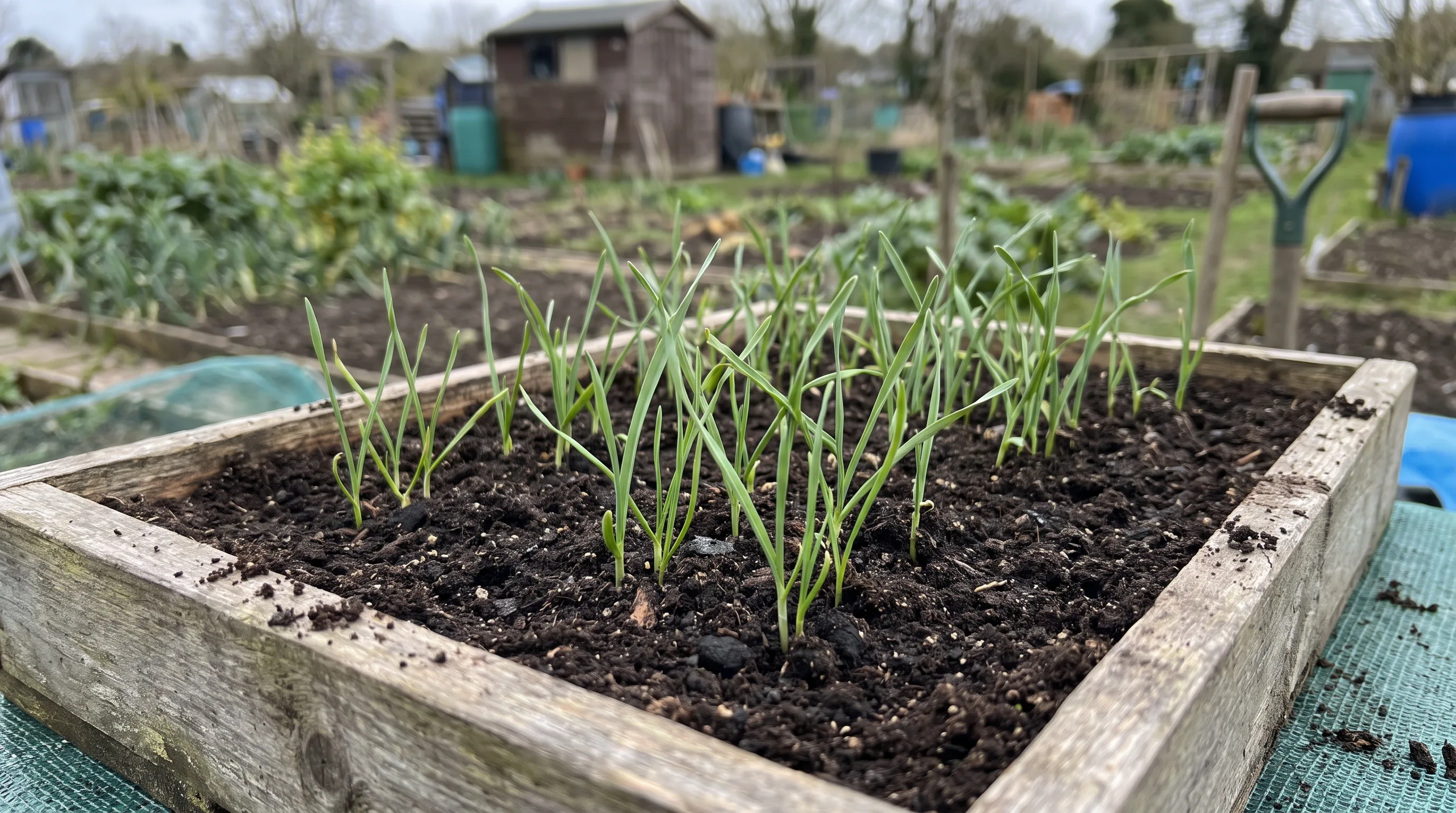
Leeks are one of the most reliable winter vegetables a UK gardener can grow. Cold-hardy, slow to mature but easy to look after, they stand in the ground from late summer right through to the following April, giving you a fresh harvest when little else is producing. Home-grown leeks also taste noticeably better than shop-bought ones: sweeter, more tender, and free of the fibrous core that supermarket leeks often develop from sitting in storage. A single 3 m row will keep a family of four in leeks for most of winter.
This guide covers the timing, varieties and techniques that work across the UK, from the cold north of Scotland to the mild south-west of England, and explains why the old method of sowing in a seedbed and transplanting with a dibber is still the simplest way to get a long, white shank.
When to sow leeks in the UK
Leeks are a long-season crop. Most UK varieties need 20–30 weeks from sowing to harvest, so timing matters more than for almost any other vegetable. There are three main sowing windows:
Early sowings — late January to mid-February
Sow in a heated propagator at 18–21 °C for the largest plants and earliest harvests. Worth it if you have indoor propagator space and a long growing-on period, but the plants need warmth until March.
Main sowings — March to mid-April
The easiest option for most UK gardeners. Sow in a cold greenhouse, cold frame, or a bright windowsill. Plants are ready for the bed by late May to mid-June and will harvest from October through to March.
Late sowings — May to early June
Still possible for an autumn harvest of smaller stems, but yields are smaller. Not worth doing for main winter supplies.
Sowings to avoid
Don't sow before mid-January even with heat — leggy, etiolated seedlings are hard to recover from. And don't sow after mid-April unless you’re growing a quick variety like ‘King Richard’.
Choosing leek varieties for the UK
There are three families of leek, and the one you pick determines the harvest window. Most seed catalogues split them this way:
Early leeks — harvest August to November
‘King Richard’ and ‘Varna’. Quick to mature, milder flavour, but not as winter-hardy. Worth growing for an early crop but won’t see you through the cold months.
Mid-season leeks — harvest October to January
‘Musselburgh’ (heritage, grown in the UK since the 1830s), ‘Oarsman’ F1, ‘Below Zero’ F1, and ‘Edison’ F1. The workhorses: heavy yields, good cold tolerance, and the largest plants of the three groups.
Late leeks — harvest December to April
‘Bandit’, ‘Blizzard’, and ‘Toledo’. Bred to stand through hard frosts. Slower to mature, so sow these in February or early March.
If you only grow one variety, pick a mid-season type. ‘Musselburgh’ is the heritage favourite that still holds its own. For a modern F1 with cleaner white shanks and better uniformity, ‘Oarsman’ is hard to beat.
Sowing leeks indoors
Leeks can be sown in trays, modules or a dedicated seedbed. For most home gardeners a seed tray or small modules work best because they give better control over spacing and let you move the seedlings easily.
Choosing the container
Use a seed tray or 6-cell module tray per sowing. Modules reduce root disturbance at planting time and are worth the small extra cost if you have them.
Sowing depth and spacing
Fill the tray with a general-purpose peat-free seed compost and firm gently. Sow thinly across the surface, about 1 cm apart, and cover with 5–10 mm of compost. Water with a fine rose and label clearly — the seed is small and easy to mistake for onion or chive seed.
Germination
Cover the tray with a clear lid or cling film until germination, which takes 10–14 days at 15–20 °C. Move the seedlings to the brightest spot you have as soon as they emerge: a cold greenhouse, a cold frame, or a south-facing windowsill. Thin the tray to about 2 cm apart once the first true leaf appears.
Pricking out, trimming and hardening off
When the seedlings are about pencil-thick — usually 6–8 weeks after sowing, in May for a March sowing — they’re ready to plant out. Don’t be tempted to leave them in the tray past 10–12 cm tall or they’ll start to suffer.
Trim the roots
About an hour before transplanting, lift the seedlings and snip the roots back to about 2 cm with scissors. This encourages a fresh, fibrous root system that establishes faster in the bed.
Trim the tops
Cut the green tops back by about a third. This reduces wind-rock and water loss while the plant settles in. The leaves will regrow quickly.
Harden off
Move the tray to an unheated cold frame, open the lid for progressively longer periods, or simply leave the tray outside during the day and bring it in at night for 5–7 days.
Planting out: the dibber method
Leeks grow best in deep, fertile soil that’s been enriched with well-rotted manure or garden compost the previous autumn. They’ll tolerate a wide pH range but grow best at 6.5–7.5.
Prepare the bed
Choose a spot in full sun or very light shade; leeks will tolerate a partly shaded site but yields drop. Rake the bed to a fine tilth the week before planting.
Make the dibber holes
Use a 3–4 cm dowel or a dedicated leek dibber — a broom handle is too thick. Make holes 15–20 cm deep, spaced 15 cm apart in rows 30 cm apart.
Drop and water in
Drop one leek seedling into each hole, then simply water the hole in. Don’t backfill with soil — the hole will fill naturally over the growing season as the soil washes down around the developing shank.
Heavy clay soil?
Dibber-planting is less reliable in clay because the holes can fill with water and rot the seedlings. In that case, draw a 10 cm deep trench, plant into the bottom, and gradually backfill as the plants grow. The effect on shank length is the same.
Growing on: watering, feeding and weeding
Leeks are not demanding once they’re established, but the first two months in the ground are critical.
Watering
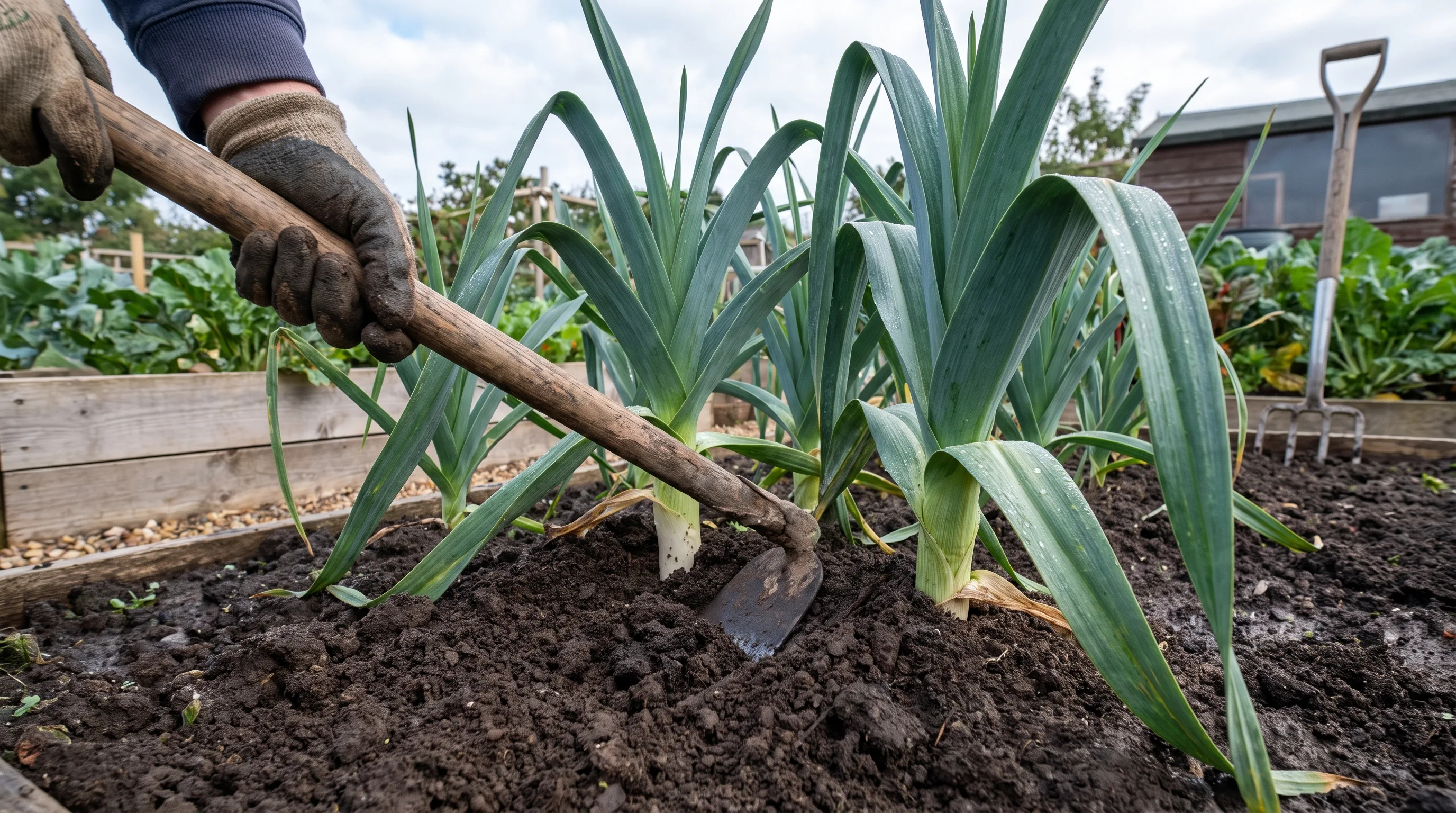
Keep the bed free of weeds — leeks don’t compete well with perennial weeds, and a weedy bed in June will halve your harvest by December. Hand-weed or hoe shallowly; deep hoeing can damage the shallow roots. Water consistently in dry spells. A leek bed that dries out produces small, tough stems and can run to seed the following spring. Soak deeply once a week rather than sprinkling lightly every day.
Mulching
A 5 cm layer of grass-clipping mulch between the rows helps conserve moisture and keeps the weeds down. Replenish the mulch monthly through summer.
Feeding
Don’t over-feed. Leeks grown in soil that was manured the previous autumn don’t need any extra fertiliser. If your soil is poor, a single high-nitrogen feed in mid-summer — blood, fish and bone, or a liquid seaweed drench — is plenty. Too much nitrogen produces soft, leafy growth that doesn’t store well.
Harvesting and storing
Leeks can be lifted any time once they reach usable size, but they taste best after a frost: the cold converts the starches in the stem to sugars, giving the sweet, mild flavour that home-grown leeks are famous for.
When to lift
Start harvesting in October for early varieties, and continue through the winter for mid- and late-season types. A heavy snowfall will not harm leeks in the ground, though you may struggle to actually dig them out.
How to lift
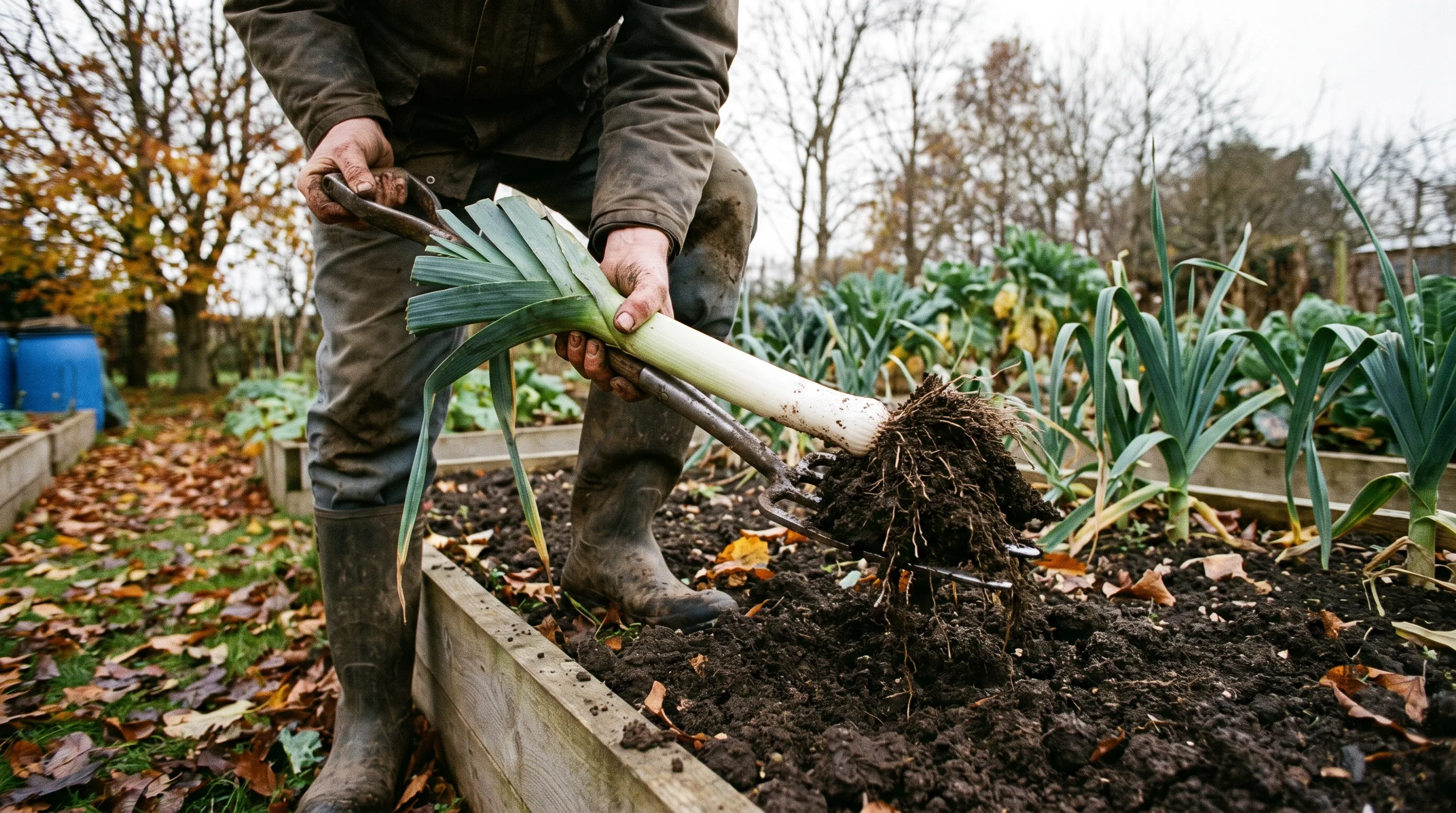
Lift with a fork rather than pulling, to avoid snapping the stem. Push the fork in 10 cm from the plant and lever up. Trim the roots and most of the green leaves before storing.
Storing
For short-term storage, leeks keep for 2–3 weeks in the fridge, wrapped in a damp tea towel inside a plastic bag. For longer storage, heel them in: dig a shallow trench in a sheltered corner, lay the leeks on their sides, and cover the roots with soil. They’ll keep in good condition for another 2–3 months this way, and you can pull them out as needed even in frosty weather.
Frequently asked questions
Why are my leeks small and thin?
Usually a combination of late sowing, dry conditions in summer, or overcrowding. Aim to sow by mid-April, water deeply in dry spells, and space at 15 cm between plants in 30 cm rows.
My leeks bolted (sent up a flower stalk) in spring. What went wrong?
Leeks need a cold period followed by lengthening days to trigger flowering. Late sowings the previous year, or plants that were too small going into winter, are most prone. There’s nothing to do once a leek has bolted — dig it and use it quickly, as the stem becomes woody.
Can I grow leeks in a container?
Yes, but space is tight. A 30 cm deep container will take 4–5 leeks. Use a general-purpose peat-free compost mixed with a handful of slow-release fertiliser, and water frequently. Yields are smaller than ground-grown, but the quality is the same.
Are leeks prone to pests and diseases?
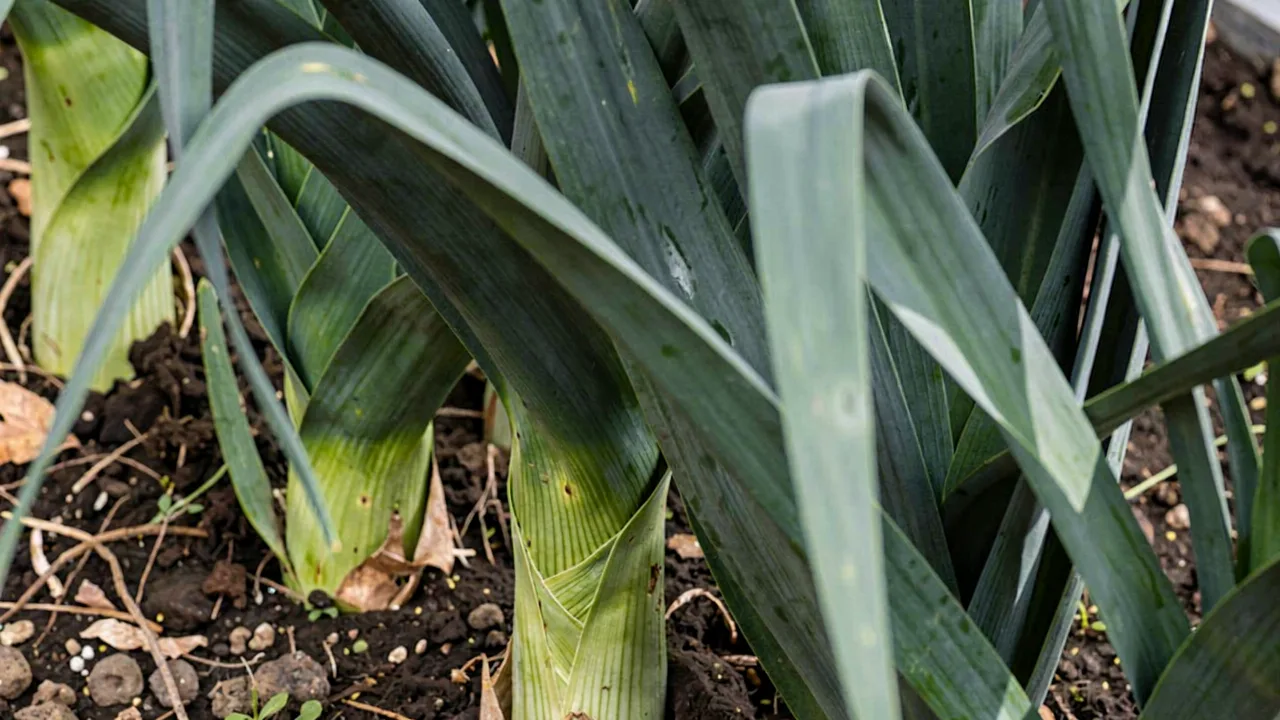
Leeks are remarkably trouble-free. The main issues are leek moth (tunnels into the stems in May and August — cover with fine mesh) and leek rust (orange spots on leaves in late summer — worse in wet seasons, but doesn’t ruin the harvest). Rotation: don’t grow leeks (or other alliums) in the same bed for at least three years.
Do I need to blanch the stems?
The dibber-planting method described above does most of the work for you. As the hole fills in, soil washes down around the developing stem, blanching the lower 10–15 cm naturally. For extra-white stems, slip a cardboard collar around each plant in mid-summer, or earth up around the base.
Plants in this guide
Recommended Products
GardenWizz earns a commission from qualifying purchases made through affiliate links on this page (including links within the article) — as an Amazon Associate, and from Thompson & Morgan via the Awin network. This does not affect the price you pay. See our disclaimer for details.
Related Articles
More →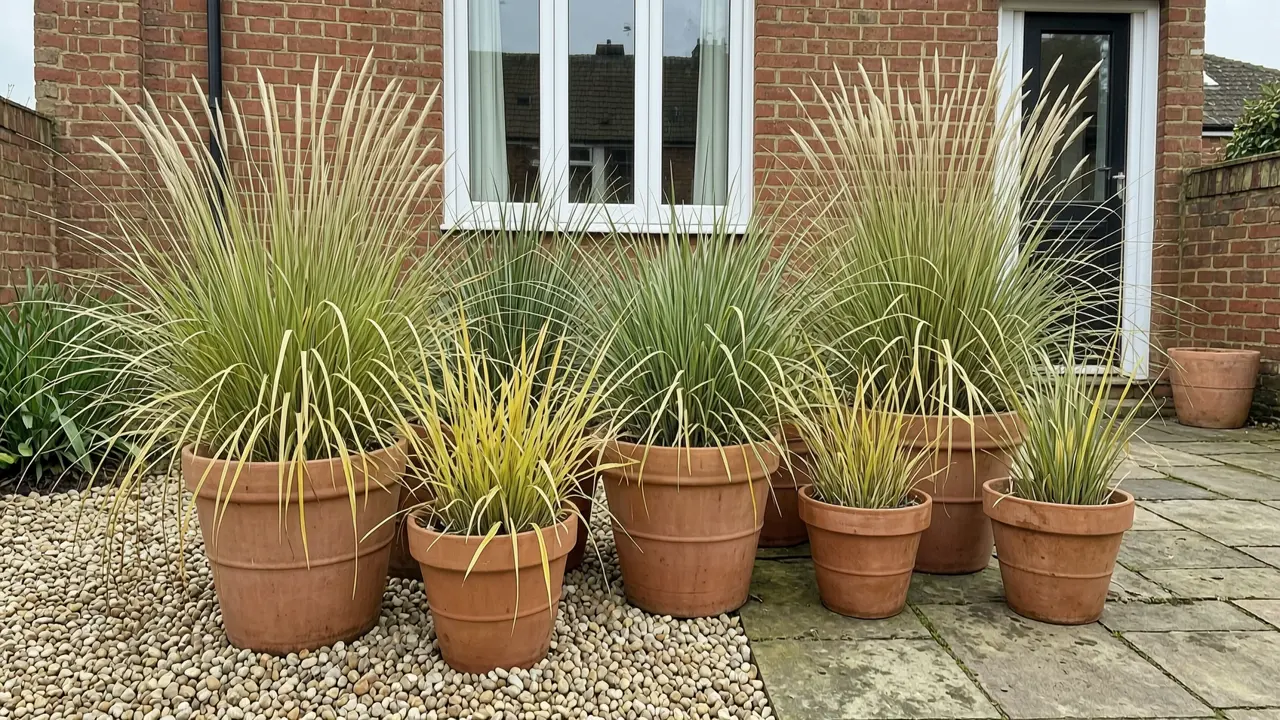 Growing Guide
How to grow ornamental grasses in pots
5 August 2026Grow ornamental grasses successfully in containers with advice on pot size, compost, watering, feeding, winter care and long-term maintenance.
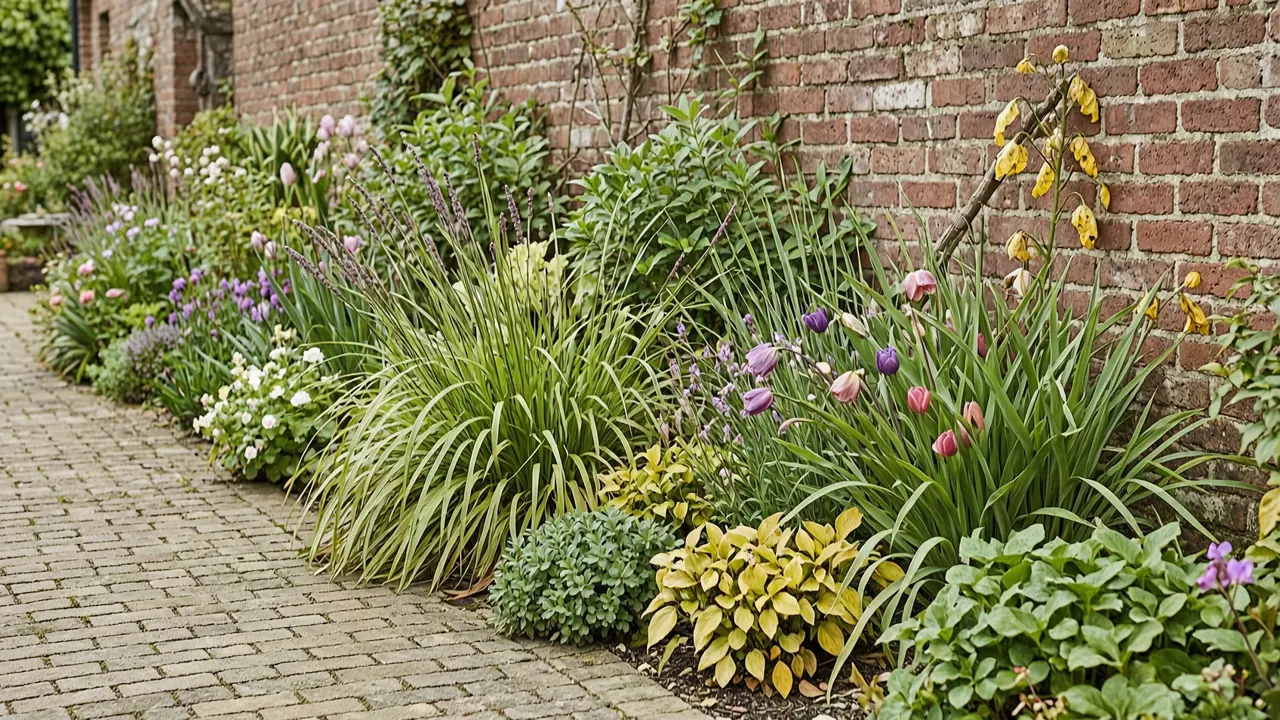 Growing Guide
How to plan a perennial border
5 August 2026Plan a balanced perennial border with practical guidance on position, colour, height, spacing, flowering succession and year-round structure.
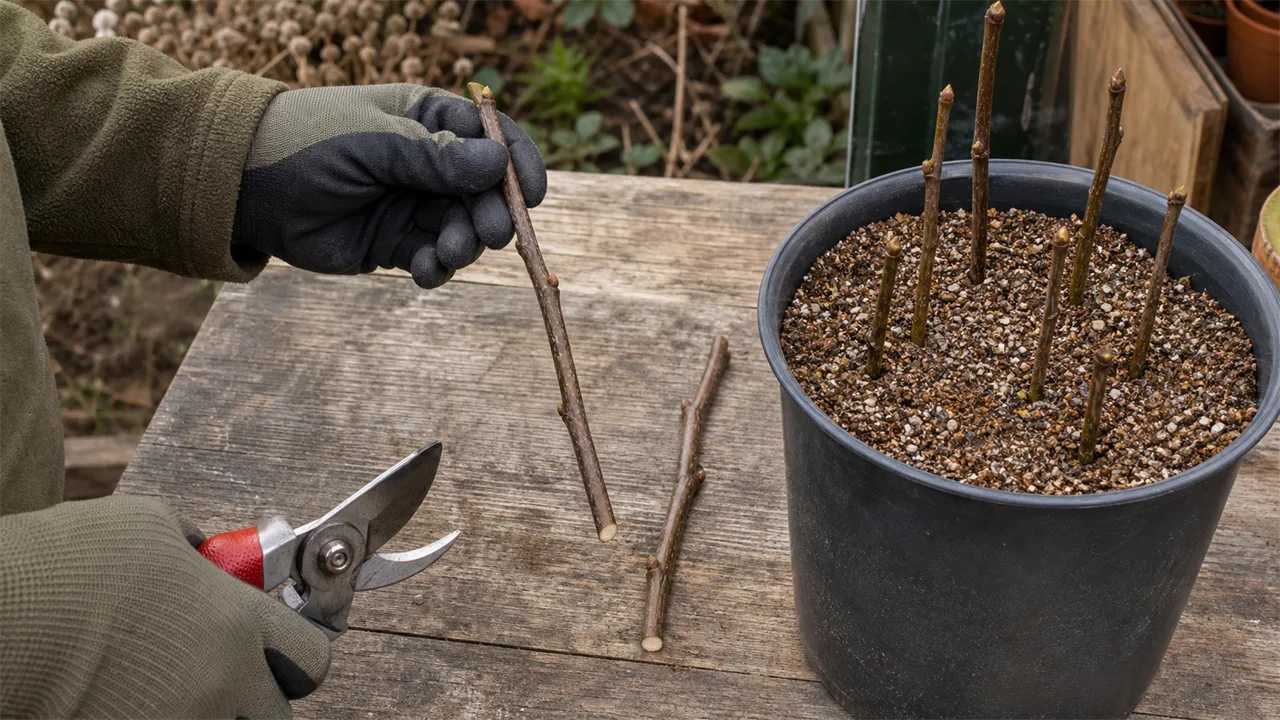 Growing Guide
How to take hardwood cuttings
29 July 2026Take hardwood cuttings from suitable dormant shrubs and climbers with this step-by-step guide to timing, preparation, rooting and aftercare.