
How to Grow Lettuce and Salad Leaves
Growing crisp, fresh lettuce in your UK garden is a rewarding way to enjoy homegrown salad all year. With careful timing and the right varieties, you can harvest tender leaves from early spring…
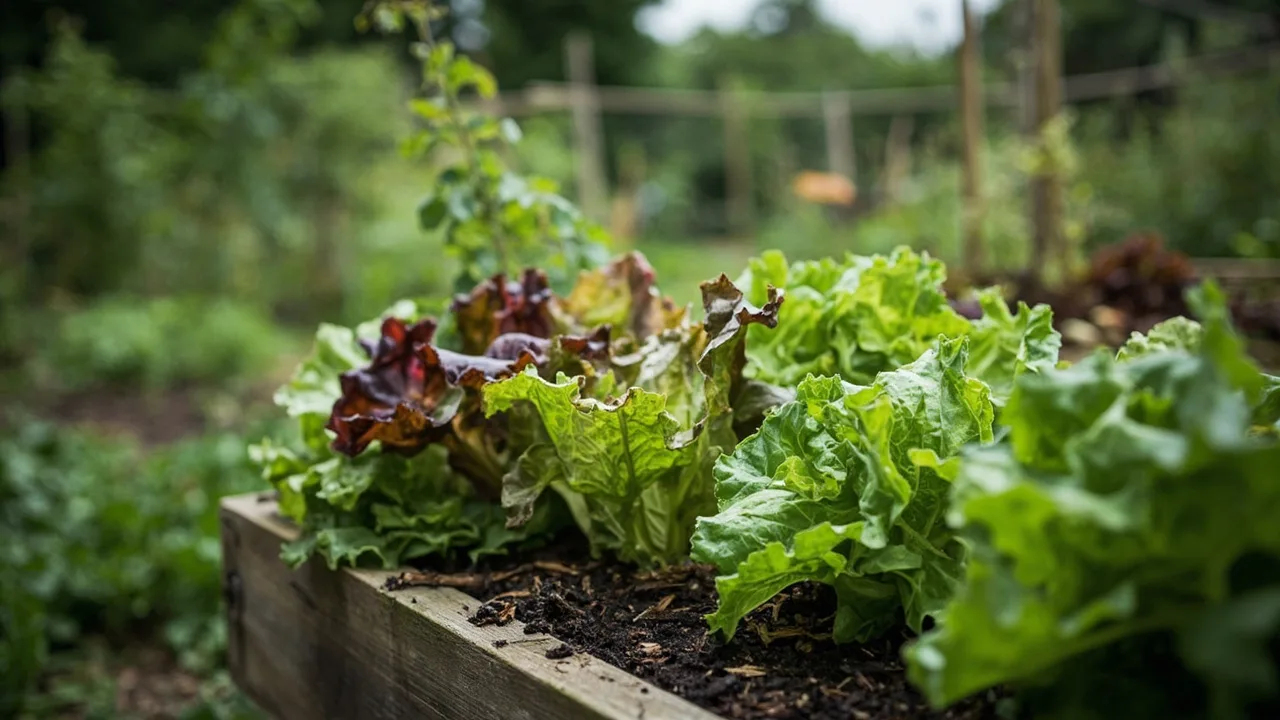
Growing crisp, fresh lettuce in your UK garden is a rewarding way to enjoy homegrown salad all year. With careful timing and the right varieties, you can harvest tender leaves from early spring through autumn, avoiding the bitter taste that comes from plants going to seed too soon. This guide covers everything you need to know for reliable success, using UK-specific advice and avoiding common pitfalls – from soil prep to overwintering, all grounded in British gardening realities.
Choosing the Right Varieties for Your UK Climate
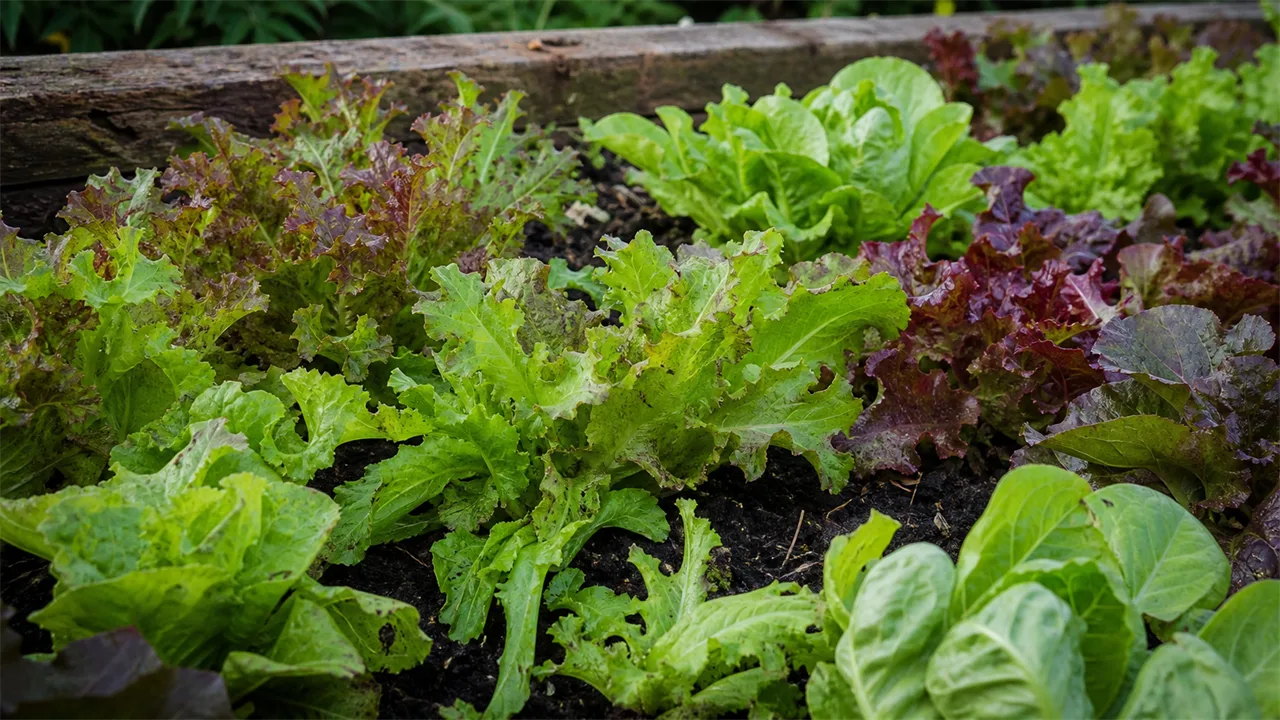
Selecting lettuce types suited to British weather is key to beating bolting and pests. For spring harvests, opt for quick-growing loose-leaf varieties like 'Salad Bowl' or 'Oakleaf', which mature in 40-50 days and tolerate cooler temperatures better than head types. These are ideal for early sowings in late February (South West/London) or mid-March (Scotland/North). If you have a sunny, sheltered spot, 'Romaine' (cos) varieties such as 'Parris Island' offer a longer harvest window but need slightly warmer soil (above 10°C/50°F) to thrive – best sown from April onwards. Avoid iceberg types; they’re prone to bolting in UK summers and lack flavour. For autumn sowings, choose 'Winter Density' or 'Red Sails' (a red-leafed variety), which handle cooler temperatures better than green types and resist bolting longer. Crucially, all common lettuce varieties are non-toxic to cats, dogs, and horses per RHS guidelines, though always wash leaves thoroughly before eating to reduce E. coli risk – home-grown is significantly safer than shop-bought. Remember that 'Lollo Rosso' (a frilly red leaf) and 'Salad Bowl' are reliable UK garden staples, while 'Crisphead' varieties like 'Great Lakes' are best avoided for home growing due to their short harvest window and susceptibility to disease.
Preparing Your Soil and Sowing Times
Lettuce prefers well-drained, fertile soil rich in organic matter. Dig in a generous handful of well-rotted garden compost or manure per square metre (approx. 10kg/m²) in early spring, but never claim compost alters soil pH – it improves structure only. Test your soil pH if concerned: lettuces prefer slightly acidic to neutral (pH 6.0-7.0), but they’re adaptable; if your soil is very acidic (below 5.5), add garden lime at 50g per m² in autumn for next year’s crop. Sow seeds directly where they’ll grow, as lettuce dislikes root disturbance. In the South West and London, start sowing in late February for an early crop; in Scotland and Northern England, delay sowing until mid-March. For continuous harvests, sow small batches every 2-3 weeks from March to July. Plant seeds 1cm deep in rows 30cm apart, covering lightly with soil. Keep moist but not waterlogged – use a fine spray to avoid washing seeds away. Thin seedlings to 15cm apart once they have two true leaves (typically 10-14 days after sowing). In cooler regions, use cloches for early sowings to protect from late frosts; in warmer areas, provide partial shade from mid-June to prevent bolting.
Managing Common Pests and Diseases
Slugs and snails are the biggest threat, especially in damp UK springs. Place slug pellets containing iron phosphate (e.g., 'Sluggo' or 'Organic Slug Pellets') around plants – it’s safe for pets and wildlife when used as directed. For cabbage white butterflies, cover young plants with lightweight horticultural fleece from late April until August. If you spot grey mould (Botrytis) on leaves, improve air circulation by spacing plants correctly and avoid overhead watering. Always follow the product label and current UK regulations for any pesticide use. To prevent bolting (the main cause of bitter leaves), shield plants from direct sun with shade cloth on hot days (above 25°C/77°F) and keep soil consistently moist. Mulching with straw after the first month helps retain moisture and suppress weeds. For fungal issues like downy mildew, ensure good airflow between plants and avoid overcrowding – space rows 30cm apart as recommended. In wet summers, consider growing lettuce in raised beds to improve drainage, as waterlogged soil encourages disease.
Succession Planting for Year-Round Harvests
Extend your harvest by staggering sowings. After your first spring sowing (late Feb/Mar in South West, mid-Mar in Scotland), plant a second batch in April for a June harvest. For summer crops, sow 'Summer Crisp' or 'Red Salad Bowl' in June for a late-summer harvest, and a third batch in July for autumn salads. In August, sow 'Winter Density' in a cold frame for a late autumn crop – this hardy variety tolerates light frosts and can be harvested as early as September. For winter harvests, grow hardy varieties like 'Oakleaf' in a cold frame or under cloches; they’ll survive light frosts and provide fresh leaves from February onwards. Crucially, harvest leaves before temperatures consistently exceed 20°C (68°F), as heat triggers bolting. Pick outer leaves first to encourage regrowth, rather than cutting whole plants – this 'cut and come again' method extends harvests by 2-3 weeks. For example, after harvesting outer leaves from a 'Salad Bowl' patch in early July, the plants will regrow new leaves for a second harvest in late July. In Scotland, delay your July sowing until mid-July to avoid early autumn frosts.
Harvesting and Storing Your Lettuce
Harvest lettuce when leaves are young and tender – typically 3-4 weeks after sowing for loose-leaf types. Cut just above soil level with a sharp knife, leaving the crown to regrow new leaves (a 'cut and come again' approach). For head varieties, harvest when the centre feels firm but before it starts to split – usually 60-70 days after sowing. Always wash leaves thoroughly under cold running water before eating, as contaminated lettuce can carry E. coli or Salmonella, though home-grown is significantly safer. Store unwashed leaves in a plastic bag with a damp paper towel in the fridge’s crisper drawer – this keeps them crisp for up to 10 days. Avoid washing before storage, as excess moisture speeds spoilage. For maximum freshness, harvest in the morning when leaves are cool and hydrated, and avoid harvesting during hot, dry spells. If you notice any signs of bolting (tall flower stalks), harvest immediately – the leaves will be bitter. In autumn, after your last harvest, mulch around the base of overwintering plants with straw to protect roots from frost heave.
Overwintering for Early Spring Harvests
To enjoy lettuce before the main spring crop, sow hardy varieties like 'Winter Density' or 'Red Sails' in late August or September in a sheltered spot (north-facing is ideal to avoid early sun). Protect them with a cloche or horticultural fleece during winter – this is essential in Scotland, where temperatures can drop below freezing. In mild UK winters (e.g., South West England), they’ll grow slowly and provide fresh leaves from February onwards. In colder areas (e.g., Scotland), use a cold frame for better protection – ensure it’s ventilated on sunny days to prevent condensation. These overwintered plants will bolt faster than spring-sown ones, so harvest them as soon as you see tender new growth in early spring. This method avoids the need for expensive greenhouse setups and provides a vital early-season boost. For example, a 'Winter Density' patch sown in late August in a sheltered London garden will yield first leaves by mid-February, while a Scottish garden might wait until mid-March. Remember to harvest the outer leaves first, allowing the centre to continue growing for a longer harvest period.
Plants in this guide
Recommended Products
GardenWizz earns a commission from qualifying purchases made through affiliate links on this page (including links within the article) — as an Amazon Associate, and from Thompson & Morgan via the Awin network. This does not affect the price you pay. See our disclaimer for details.
Related Articles
More → Growing Guide
How to grow ornamental grasses in pots
5 August 2026Grow ornamental grasses successfully in containers with advice on pot size, compost, watering, feeding, winter care and long-term maintenance.
 Growing Guide
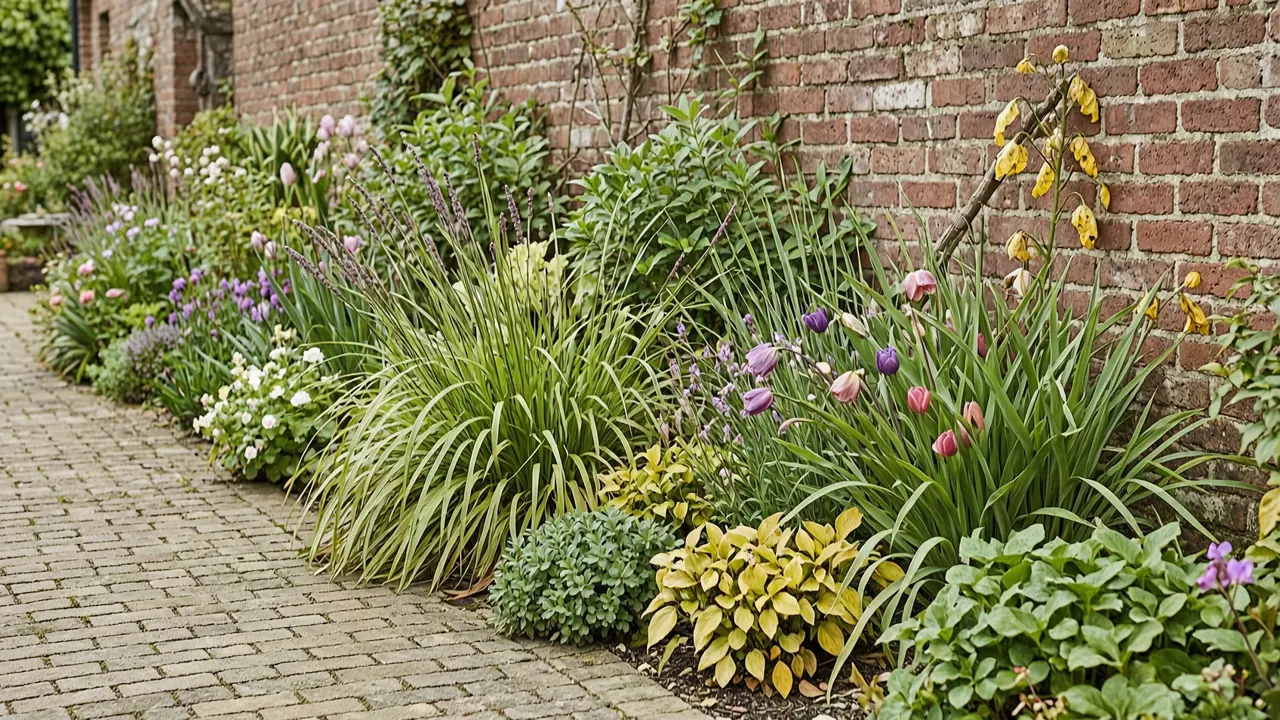
How to plan a perennial border
5 August 2026Plan a balanced perennial border with practical guidance on position, colour, height, spacing, flowering succession and year-round structure.
 Growing Guide
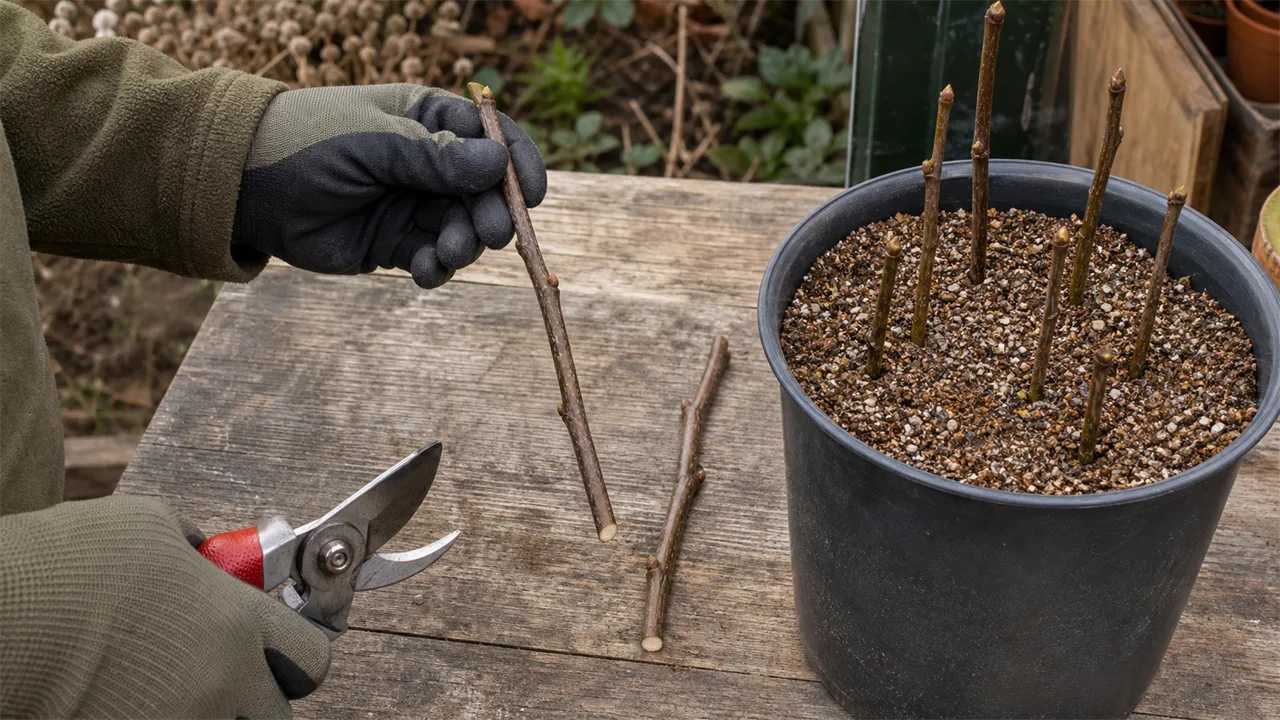
How to take hardwood cuttings
29 July 2026Take hardwood cuttings from suitable dormant shrubs and climbers with this step-by-step guide to timing, preparation, rooting and aftercare.