
How to Grow Rhubarb
Rhubarb is a reliable, low-maintenance perennial that rewards UK gardeners with its vibrant stalks for decades. With its deep roots and hardy nature, it’s perfect for borders, allotments, or even…
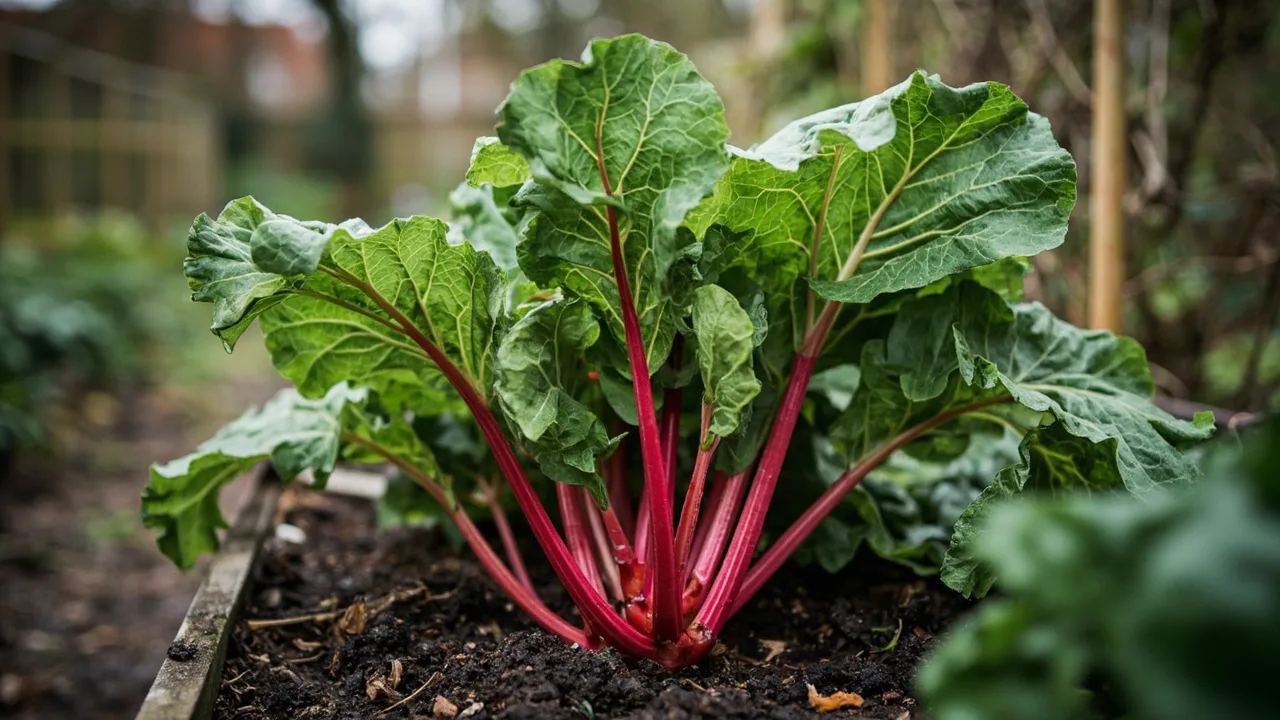
Rhubarb is a reliable, low-maintenance perennial that rewards UK gardeners with its vibrant stalks for decades. With its deep roots and hardy nature, it’s perfect for borders, allotments, or even small gardens, offering a tart-sweet flavour for pies, crumbles, and jams long before most summer crops. You’ll find it thriving in the Rhubarb Triangle of Yorkshire, where traditional forcing creates the famous tender, crimson stalks, but you can grow it successfully anywhere in the UK with the right timing and care. Its historical significance—introduced to Edinburgh in 1774 and embraced as a culinary staple after sugar became affordable in the 18th century—makes it a true British garden classic.
Why Grow Rhubarb?
Rhubarb’s appeal lies in its resilience and longevity. Once established, a single crown can produce for 15–20 years with minimal intervention, making it ideal for UK gardens where soil preparation is a one-off effort. The plant thrives in our cool, moist climate, requiring a natural winter chill of 7–9 weeks below 3°C (37°F) to trigger spring growth—a condition met across most of the UK, from Cornwall to the Scottish Highlands. Crucially, only the stalks (petioles) are edible; the large, triangular leaves contain high levels of oxalic acid and anthrone glycosides, making them toxic to cats, dogs, and horses (RHS). Never consume leaves, even if cooked, and always discard them immediately after harvesting stalks. The stalks’ tart flavour, often balanced with sugar, makes them versatile for desserts, jams, or even savoury dishes like rhubarb and ginger chutney—perfect for using up surplus harvests. Unlike many vegetables, rhubarb is rarely plagued by pests or diseases in UK gardens, reducing the need for chemical interventions.
Choosing the Right Variety
Selecting a UK-adapted cultivar is essential for success. The RHS National Collection (now at RHS Bridgewater, Lancashire) holds 103 varieties, with these Award of Garden Merit (AGM) types being top choices for flavour, hardiness, and regional suitability:
- 'Timperley Early': The classic early-season variety, ready for harvest by mid-April in southern England (mid-May in Scotland), with firm, crimson stalks ideal for pies.
- 'Reed’s Early Superb': Bright red, tender stalks that force exceptionally well; harvests from late March (south) to April (north).
- 'Stein’s Champagne': Mild, sweet flavour with low oxalic acid, perfect for fresh eating or desserts; harvests April–June.
- 'Grandad’s Favourite': High-yielding, reliable for beginners; produces abundant stalks from mid-April (south) to May (north).
Avoid 'Gaskin’s Perpetual' for most UK gardens—it has lower oxalic acid (allowing extended harvest), but it’s less common and requires precise soil conditions. For a longer season, plant two varieties: 'Timperley Early' for early harvest (April) and 'Stein’s Champagne' for mid-season (May–June). Regional timing note: Scottish gardeners should delay planting by 2–4 weeks compared to London or the South West. For example, plant 'Timperley Early' in mid-March in London but wait until late March in Edinburgh.
Site and Soil Preparation
Rhubarb needs a sunny or lightly shaded spot with well-drained, moisture-retentive soil. Do not use compost to alter pH—it won’t significantly raise or lower it. Test your soil first: if acidic (pH <6.0), add garden lime (50g per m²) in early spring; if alkaline (pH >7.5), apply agricultural sulphur (25g per m²) in autumn. Most UK soils are neutral (pH 6.5–7.0), ideal for rhubarb.
Prepare the site in late autumn or early spring:
- Dig a hole 45cm deep and wide.
- Mix 5cm of well-rotted garden compost or manure into the soil.
- Add a balanced organic fertiliser (e.g., 5-5-5) at 50g per m².
- Ensure the soil is moist but not waterlogged—rhubarb dislikes 'wet feet'.
Key UK-specific tip: In heavy clay soils (common in the Midlands), mix in 20% grit to improve drainage. For chalky soils (southern England), add peat-free compost to retain moisture. Space plants 60–90cm apart to accommodate their large, spreading leaves and prevent overcrowding.
Planting and Early Care
Plant bare-root crowns in March or April (southern England) or late March to April (Scotland). Dig a hole twice the size of the crown, mix in 5cm of well-rotted manure, and position the crown so the crown tip is just visible above soil level. Backfill, firm gently, and water thoroughly. For container growing (e.g., in small urban gardens), use a 45cm pot with drainage holes, filled with equal parts compost and garden soil.
Essential care steps:
- Mulch: Apply 5cm of well-rotted manure or garden compost around the base in late February (south) or March (north) to suppress weeds and retain moisture.
- Water: Provide deep watering during dry April/May spells—10–15 litres per plant. Avoid overhead watering to prevent leaf diseases like rust.
- Weed control: Keep the area weed-free for the first two years using a hand fork (never chemical weedkillers near the crown).
Critical first-year rule: Do not harvest in year one. Allow the plant to establish strong roots. In year two, harvest sparingly (only 2–3 stalks) from late April (south) or May (north), taking no more than a third of the plant to avoid weakening it.
Harvesting for Maximum Flavour
Harvest stalks when they’re 25–30cm long, typically mid-April to June in southern England (mid-May to July in Scotland). For the best flavour, harvest before flowering—cut or twist stalks from the base (never pull, as this damages the crown). Never eat stalks damaged by severe frost (e.g., after a hard freeze in March), as oxalic acid migrates from leaves into stalks, causing illness.
- Early harvest: Pick 'Timperley Early' from mid-April (south) to late April (north) for tender, sweet stalks.
- Forced rhubarb (home version): To mimic Yorkshire’s 'candlelight forcing', cover plants with a dark tarp or cardboard box for 2–3 weeks in late January/February (south) or February/March (north), keeping soil moist. This produces pale, tender stalks but requires careful moisture management—only recommended for small-scale growers.
- Post-harvest: Remove any flower stalks immediately to redirect energy to stalk growth. For a longer season, pick only the largest stalks first, leaving smaller ones to mature.
Troubleshooting Common Issues
Rhubarb is generally pest-free, but watch for:
- Slugs: Common in damp UK weather (especially May/June). Use copper tape around beds or organic slug pellets (e.g., Sluggo), following UK regulations.
- Rhubarb rust: Causes orange pustules on leaves. Remove affected leaves and avoid overhead watering. In severe cases, apply a fungicide like potassium bicarbonate (e.g., Fungus Clear) as per product label.
- Weak growth: Often due to poor soil. Feed with a balanced organic fertiliser in early spring if plants look sparse.
Safety reminder: Rhubarb stalks are safe to eat when harvested correctly, but always discard leaves. Never forage wild rhubarb—only cultivate it for safety. Confirm identification with the RHS Rhubarb: A Guide before consuming. Never use pesticides without checking UK regulations—always follow the product label.
Plants in this guide
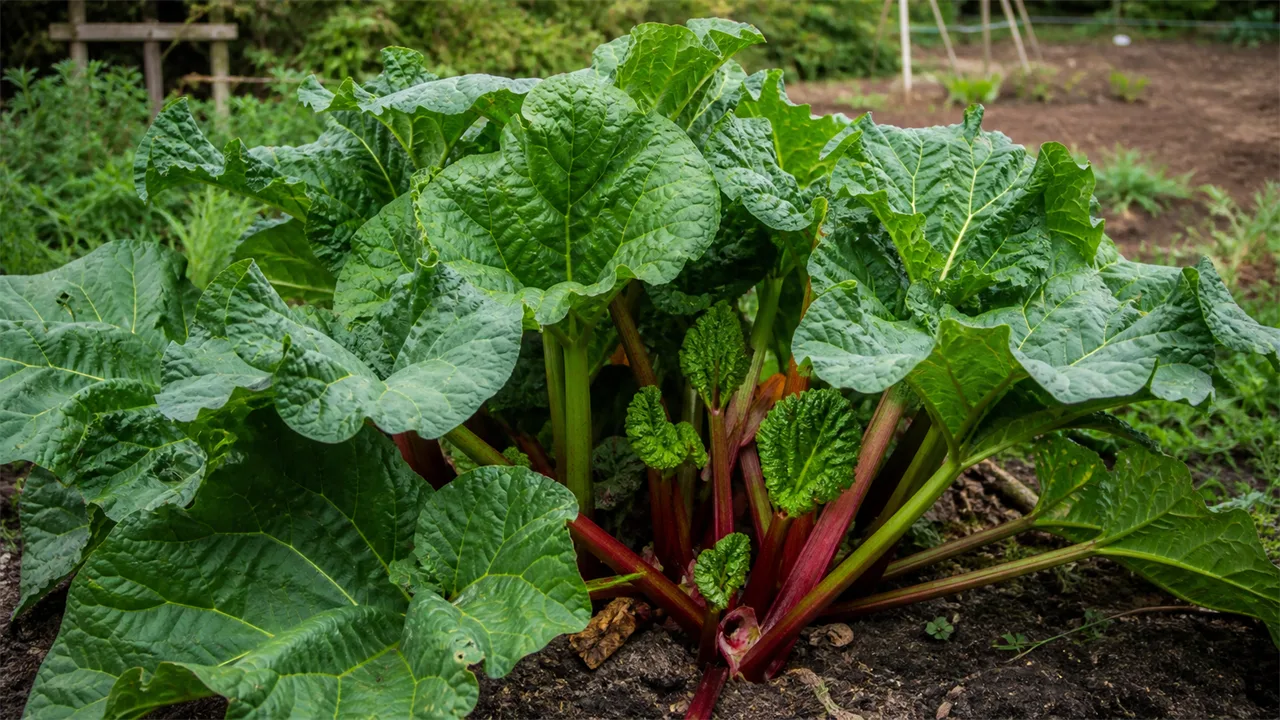
Recommended Products
GardenWizz earns a commission from qualifying purchases made through affiliate links on this page (including links within the article) — as an Amazon Associate, and from Thompson & Morgan via the Awin network. This does not affect the price you pay. See our disclaimer for details.
Related Articles
More →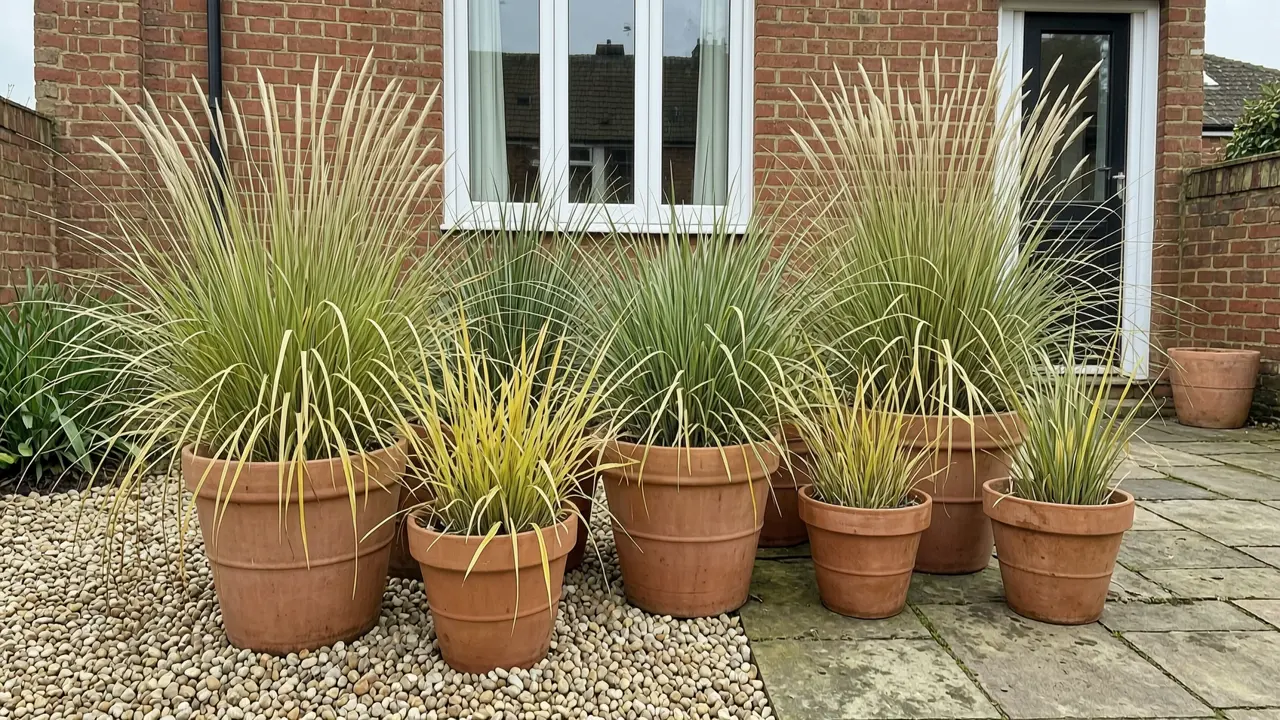 Growing Guide
How to grow ornamental grasses in pots
5 August 2026Grow ornamental grasses successfully in containers with advice on pot size, compost, watering, feeding, winter care and long-term maintenance.
 Growing Guide
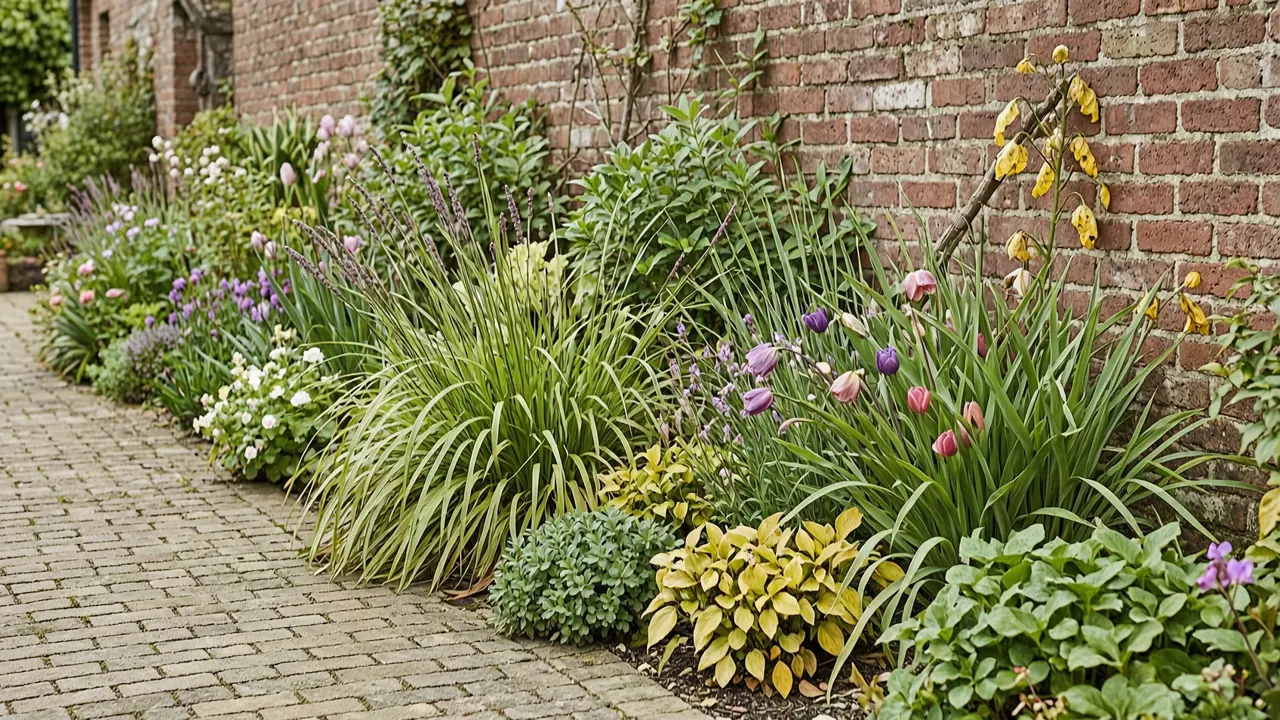
How to plan a perennial border
5 August 2026Plan a balanced perennial border with practical guidance on position, colour, height, spacing, flowering succession and year-round structure.
 Growing Guide
How to take hardwood cuttings
29 July 2026Take hardwood cuttings from suitable dormant shrubs and climbers with this step-by-step guide to timing, preparation, rooting and aftercare.