
How to Grow Sunflowers from Seed
Sunflowers are a joyful addition to any UK garden, bringing height, colour and a buzzing hive of pollinators. Their cheerful, sun-seeking blooms are easy to grow from seed, making them perfect for…
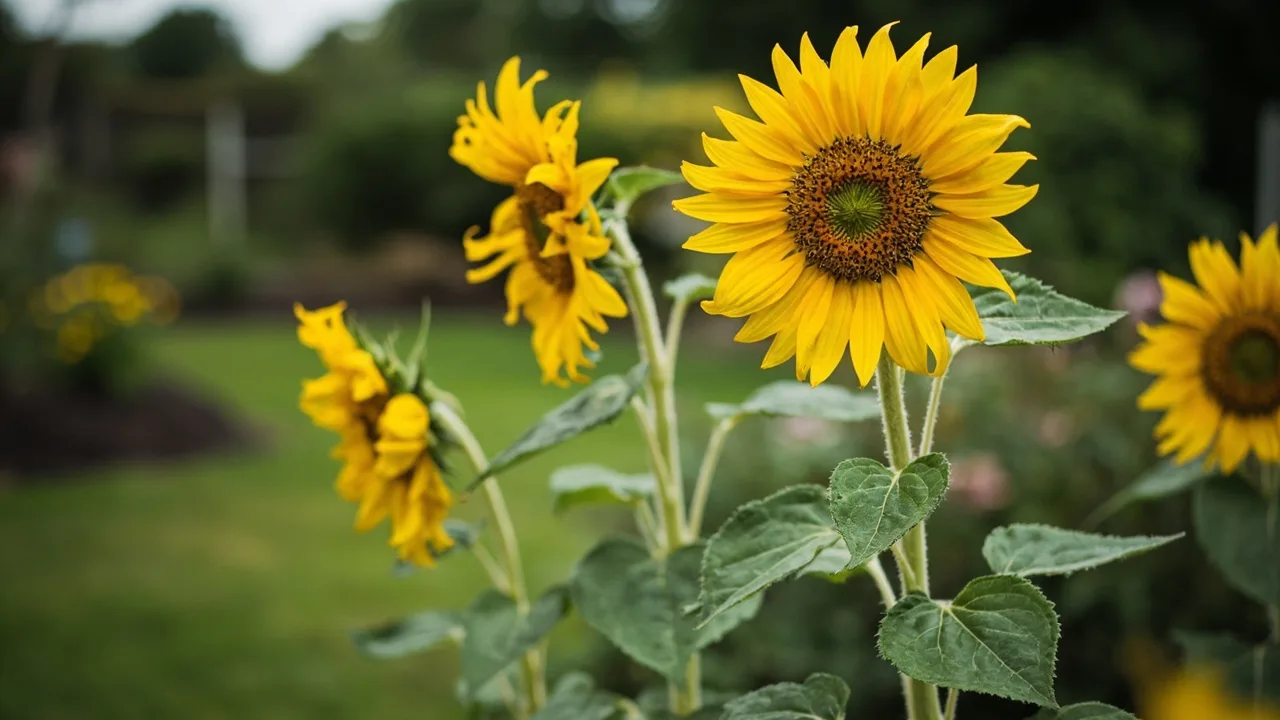
Sunflowers are a joyful addition to any UK garden, bringing height, colour and a buzzing hive of pollinators. Their cheerful, sun-seeking blooms are easy to grow from seed, making them perfect for beginners and experienced gardeners alike. Whether you’re aiming for a towering backdrop, a cottage garden focal point, or simply a quick way to attract bees, these resilient annuals deliver reliable, vibrant results with minimal fuss. Plant them in well-drained soil, give them full sun, and watch them grow with cheerful abandon.
Choosing the Right Sunflower for Your Space
For UK gardens, select varieties suited to our climate and space constraints. The common sunflower (Helianthus annuus) is the classic choice, but modern cultivars offer more colour and compact growth. Opt for 'Mammoth' for dramatic height (up to 3m, ideal for a garden screen but needs shelter from strong winds), 'Sunrich' (1.5m, reliable, yellow petals, perfect for borders), or 'Teddy Bear' (dwarf, 60cm, ideal for containers or front-of-border planting). Avoid perennial species like H. verticillatus – they’re invasive and not suited to UK gardens. Remember, while the RHS confirms sunflowers aren’t highly toxic, they’re not recommended for consumption; never eat wild plants without positive identification from a reliable source.
Planting time is crucial. In southern England and London, sow seeds directly outdoors from late March to mid-April once the soil has warmed (ideally 10°C+). In Scotland and northern England, delay sowing until mid-April to late May, as the soil warms 2-4 weeks later. Sow seeds 2-3cm deep in well-prepared, weed-free soil. Space dwarf varieties 25-30cm apart; giants need 45-60cm. For a bold screen, plant in blocks of 4-6 seeds per 50cm, then thin to the strongest plant. Avoid heavy clay soils; if your soil is clay-based, improve drainage by mixing in grit or well-rotted garden compost before planting. A 5cm layer of sharp sand per square metre significantly enhances drainage in autumn. For London gardeners, aim for late March; in Edinburgh, wait until mid-April to avoid late frosts.
Soil Preparation and Planting
Sunflowers thrive in fertile, well-drained soil. UK gardeners often have clay or loam soils, so preparation is key. In autumn, dig in generous amounts of well-rotted garden compost (about a bucket per square metre) to improve structure and fertility. If your soil is particularly heavy, add a 5cm layer of sharp sand or horticultural grit to enhance drainage. Avoid adding lime or sulphur to adjust pH – sunflowers tolerate a wide range (pH 5.5-7.5), and these amendments are unnecessary unless your soil is severely acidic or alkaline (confirmed via a soil test).
For direct sowing, wait until soil temperatures consistently reach 10°C (check with a soil thermometer). In early spring, cover seeds with a cloche or fleece to retain warmth and speed germination. Sow seeds 2-3cm deep, spacing them as per your variety. Water gently after sowing, but avoid overwatering – sunflower seeds rot in cold, wet soil. Germination takes 7-14 days. Once seedlings emerge (about 10cm tall), thin to the strongest plant per spot. For taller varieties, stake them early with bamboo canes tied loosely to avoid damage. In Scotland, wait until late April for sowing to avoid late frosts; in London, mid-March is safe once the soil has warmed. For container planting in small gardens, use a 30cm pot filled with multi-purpose compost for 'Teddy Bear' varieties.
Watering, Feeding, and Pest Management
Sunflowers are drought-tolerant once established but need consistent moisture during early growth. Water deeply once a week during dry spells (10-15 litres per plant), especially for young plants. Avoid overhead watering – it can damage petals and encourage disease. For established plants, water at the base, focusing on the root zone. Once flowering begins, reduce watering slightly to prevent rot. In prolonged dry periods (July-August), increase to twice weekly for young plants.
Feed young plants with a balanced, slow-release organic fertilizer (like blood, fish, and bone) at planting time. After the first month, apply a liquid seaweed feed every 3-4 weeks to boost growth and flower production. Avoid nitrogen-heavy feeds once flowering starts, as this can promote leafy growth over blooms. Common UK pests include aphids (which cluster on new growth) and birds (who love the seeds). For aphids, spray with a strong jet of water in the morning or use a natural insecticidal soap (follow label instructions for UK regulations). To deter birds, cover developing flower heads with hessian or fine netting (1cm mesh) once petals begin to fade, securing it with garden pegs. For slug damage on seedlings, use copper tape around the base of plants. In coastal areas, be mindful of salt spray – position plants behind a windbreak.
Supporting Tall Varieties and Encouraging Pollinators
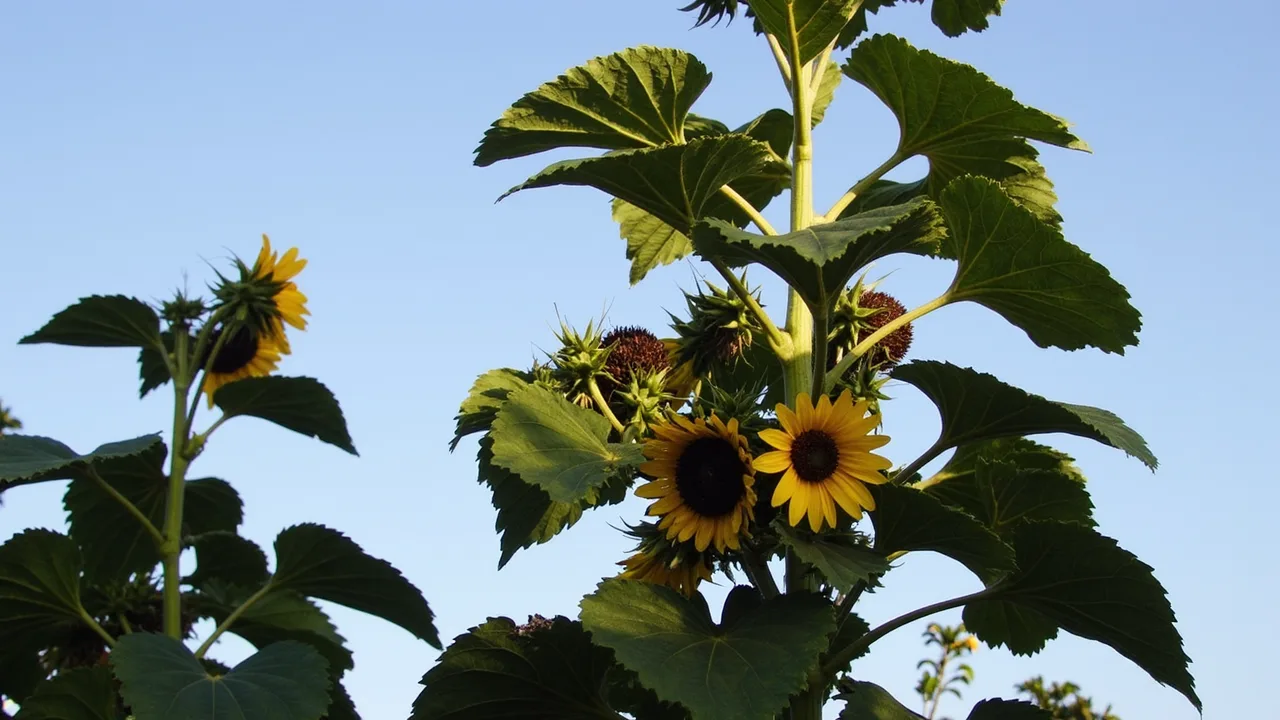
Tall sunflowers (over 1.5m) often need support to prevent them from toppling in wind or rain. Insert bamboo canes or sturdy stakes at planting time, placing them 10-15cm from the stem. As the plant grows, loosely tie the stem to the stake with garden twine, ensuring it’s not too tight – stems need room to thicken. For very tall varieties like 'Mammoth', consider planting them in a sheltered spot, such as against a south-facing wall or fence, to reduce wind exposure. In Scotland, choose sheltered locations like garden corners protected from prevailing westerly winds; even 1.5m varieties may need staking in exposed coastal gardens. Avoid tying too tightly – a loose loop allows natural movement and prevents stem damage.
Sunflowers are exceptional for attracting pollinators. Plant them in clusters of at least 5-6 plants to maximise their appeal to bees, hoverflies, and butterflies. Position them in full sun (at least 6 hours daily), as they require warmth to flower well. Their nectar-rich blooms support beneficial insects that help control pests in nearby vegetable patches – for example, hoverflies prey on aphids. For a continuous bloom, sow a second batch of seeds in late June for flowers that peak in August. The heliotropic behaviour (tracking the sun) is strongest in young plants; don’t worry if mature blooms face east – this is normal and beneficial for pollination. Plant sunflowers near vegetable beds (e.g., tomatoes or beans) to create a natural pest-control zone. In Scotland, this effect may be slightly delayed due to cooler temperatures, but the principle remains sound.
Harvesting Seeds and Saving for Next Year
Harvest sunflower seeds when the back of the flower head turns brown and the petals fall off (usually late August to September in the UK). For southern England, this is typically late August; in Scotland, expect late September due to cooler temperatures. Cut the head off with a sharp knife, leaving 15-20cm of stem. Hang the heads upside down in a dry, airy shed or greenhouse for 2-3 weeks to fully dry – ensure good airflow to prevent mould. Once dry, rub the seeds loose from the head (they’ll come off easily) and store them in a cool, dry place in an airtight container, such as a glass jar. For next year, save seeds only from open-pollinated varieties (not hybrids), as hybrid seeds won’t grow true to type. Avoid using seeds from commercial varieties bred for oil production – they’re often sterile or produce weak plants. In Scotland, check heads for dryness by gently shaking – if seeds rattle, they’re ready. Never harvest seeds from plants that have been treated with pesticides.
Plants in this guide
Recommended Products
GardenWizz earns a commission from qualifying purchases made through affiliate links on this page (including links within the article) — as an Amazon Associate, and from Thompson & Morgan via the Awin network. This does not affect the price you pay. See our disclaimer for details.
Related Articles
More →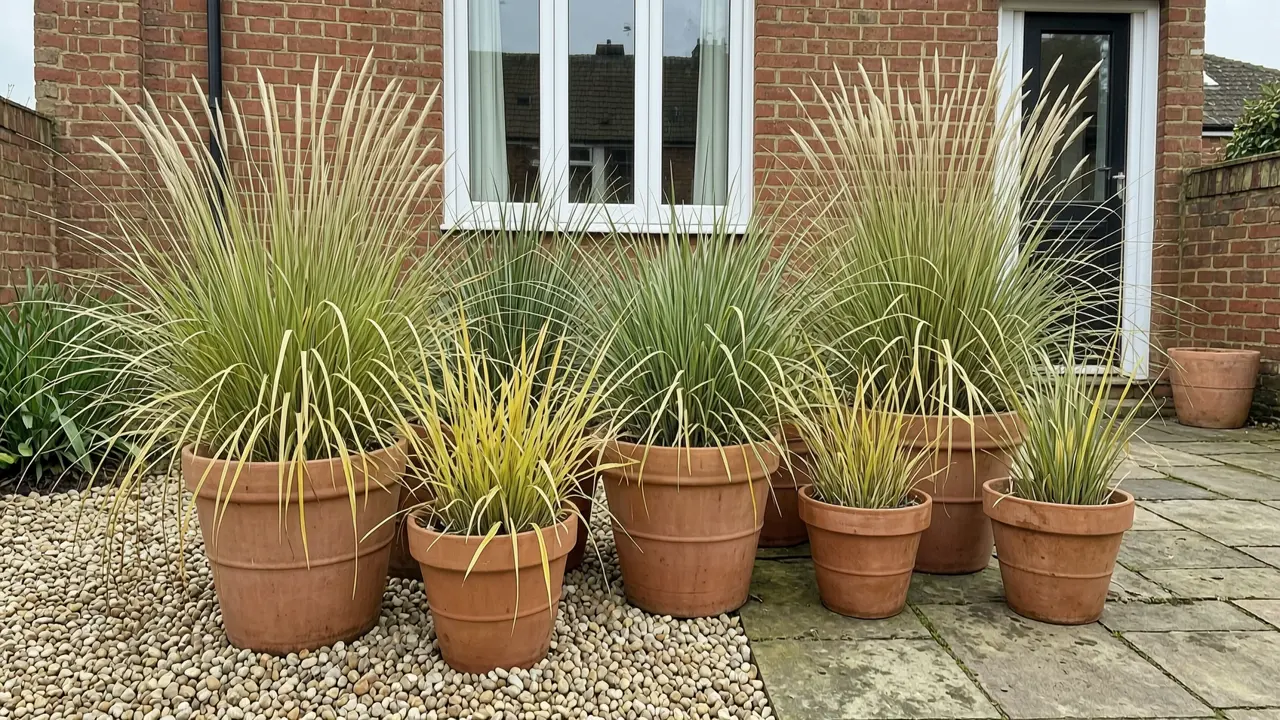 Growing Guide
How to grow ornamental grasses in pots
5 August 2026Grow ornamental grasses successfully in containers with advice on pot size, compost, watering, feeding, winter care and long-term maintenance.
 Growing Guide
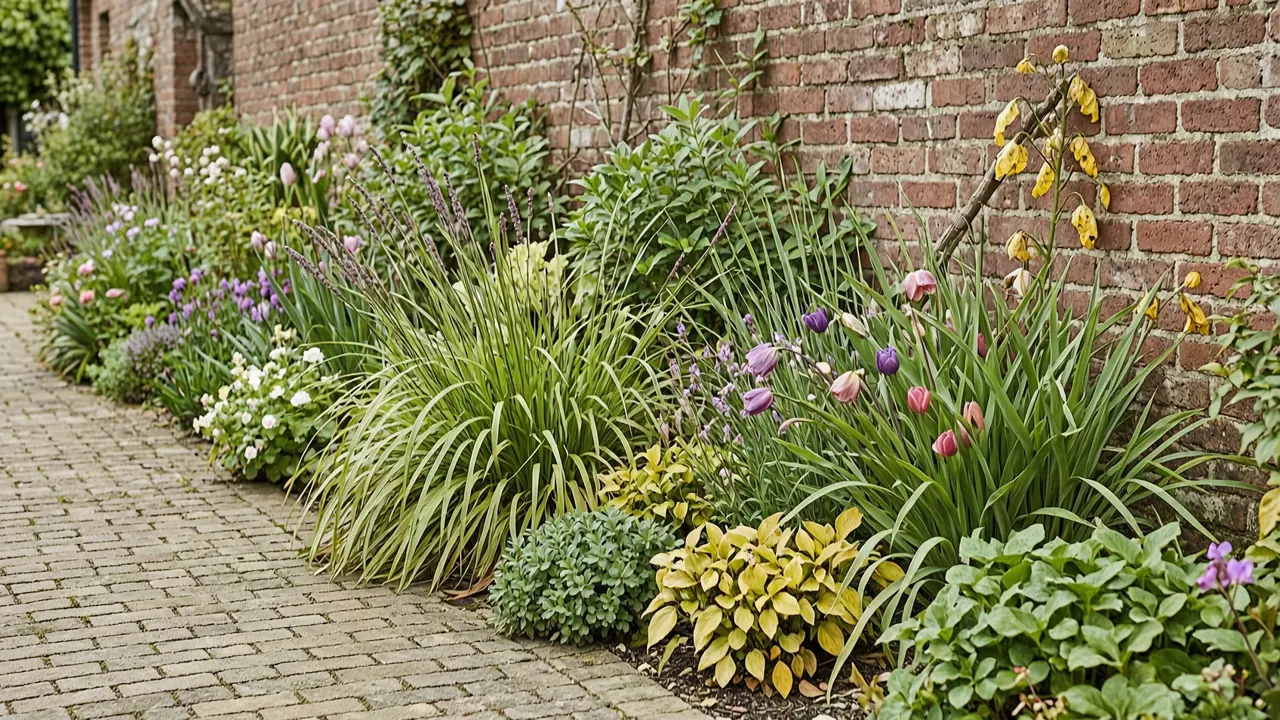
How to plan a perennial border
5 August 2026Plan a balanced perennial border with practical guidance on position, colour, height, spacing, flowering succession and year-round structure.
 Growing Guide
How to take hardwood cuttings
29 July 2026Take hardwood cuttings from suitable dormant shrubs and climbers with this step-by-step guide to timing, preparation, rooting and aftercare.