
Designing a Cottage Garden
A traditional English cottage garden is not really a "style" — it is a way of planting. Roses flop into the path, foxgloves seed themselves between the delphiniums, lavender edges the path, and…
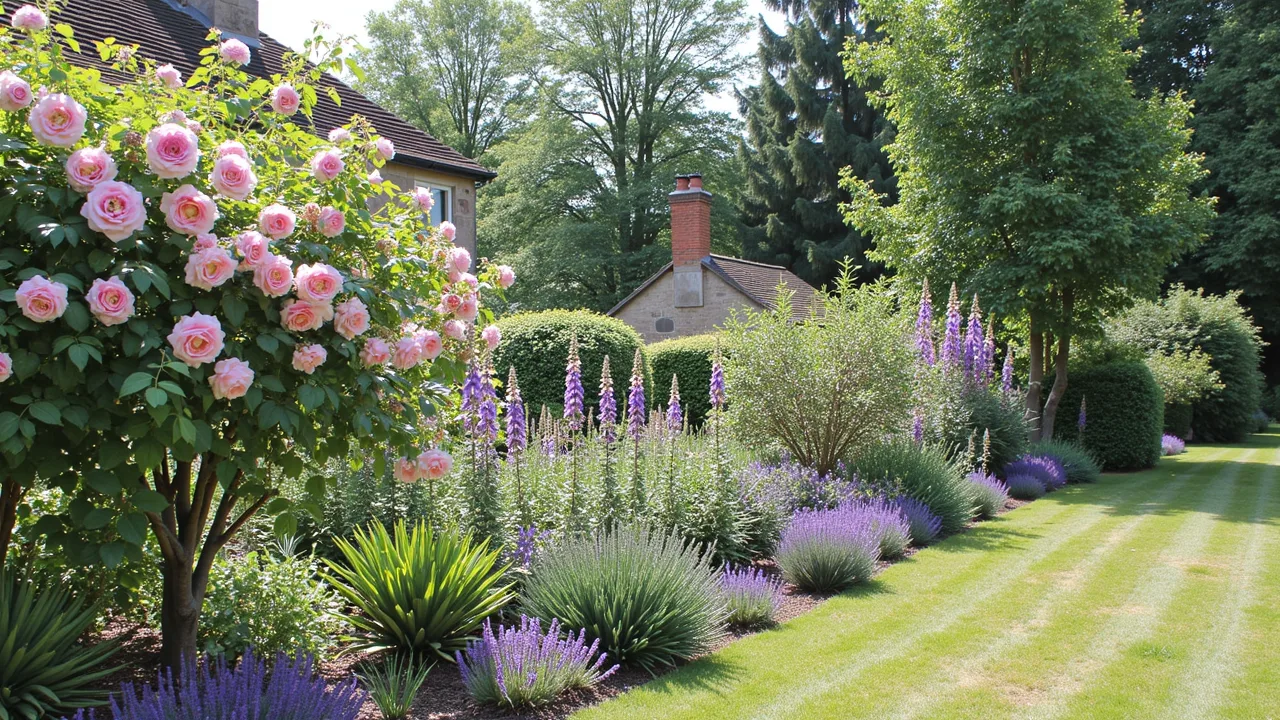
A traditional English cottage garden is not really a "style" — it is a way of planting. Roses flop into the path, foxgloves seed themselves between the delphiniums, lavender edges the path, and something is in flower from February to November. The aim of this design is to recreate that generous, slightly chaotic, flower-filled feel in a realistic UK garden of about 5 m × 3 m, in full sun, on reasonably fertile, well-drained soil.
Who this design suits
This is a planting scheme for a rectangular border against a wall or fence, or an island bed viewed from both sides. It works in:
- A small suburban back garden, side return, or front garden strip.
- A coastal or southern English site in full sun (six hours or more in midsummer).
- A loam or improved clay soil, neutral to slightly alkaline pH, that does not waterlog in winter.
- UK climate broadly RHS H6–H7 (winter lows roughly −15 °C to −10 °C).
If your site is heavy shade, very dry, or pure acid peat, this is not the right design — a cottage border needs light and a bit of fertility to hit its stride.
Design intent
Three layers, planted so the back is taller than the front and plants spill into one another rather than sitting in tidy rows:
- A backbone of shrubs, small climbers and tall perennials for structure in winter.
- A middle layer of generous perennials that carry the main summer show.
- An edging of low, fragrant or ground-hugging plants along the front, plus bulbs woven through all layers for spring.
The palette below is built from the GardenWizz plant catalogue — every plant is a real catalogue entry, linked to its own page.
Planting plan by layer
The border is treated as 3 m deep × 5 m long (roughly 15 m²). Quantities and spacing below are designed for that area.
Structure / back layer (against the wall or fence)
| Plant | Layer | Height | Spacing | Catalogue link |
|---|---|---|---|---|
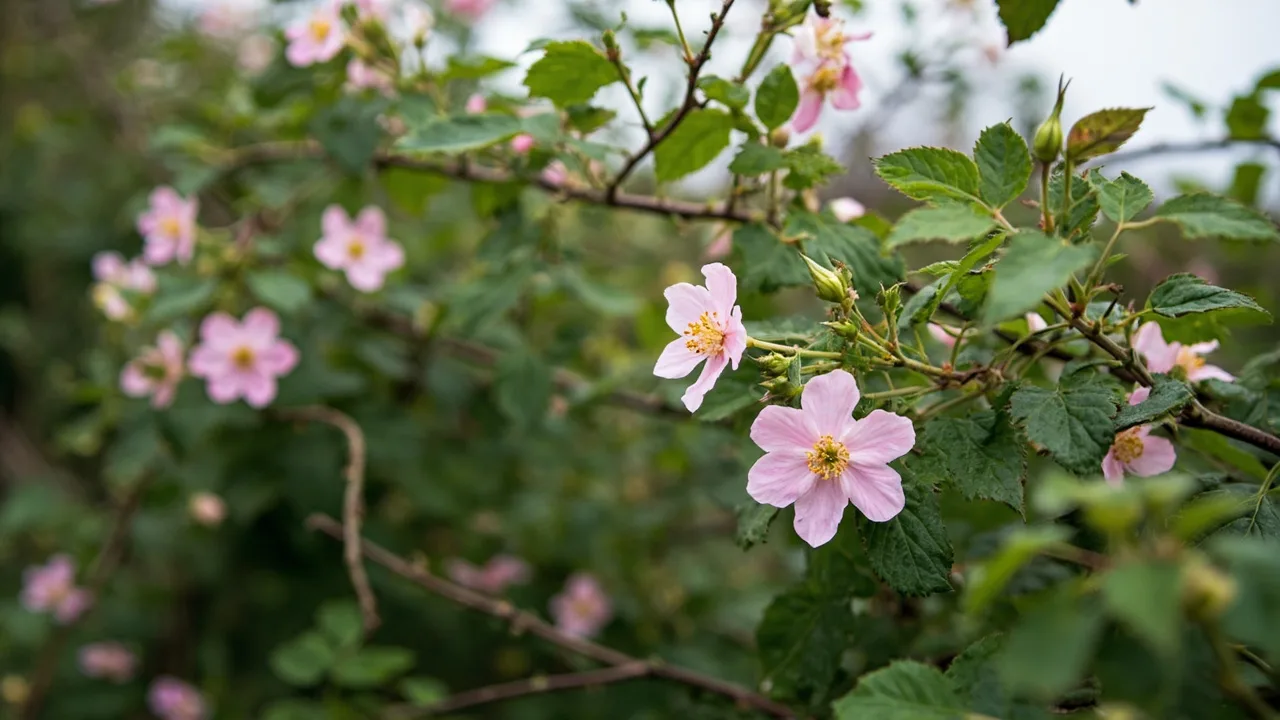
| Dog Rose | Back / shrub | 1.5 m | 1 m | tough, suckering, scented Jun–Aug |
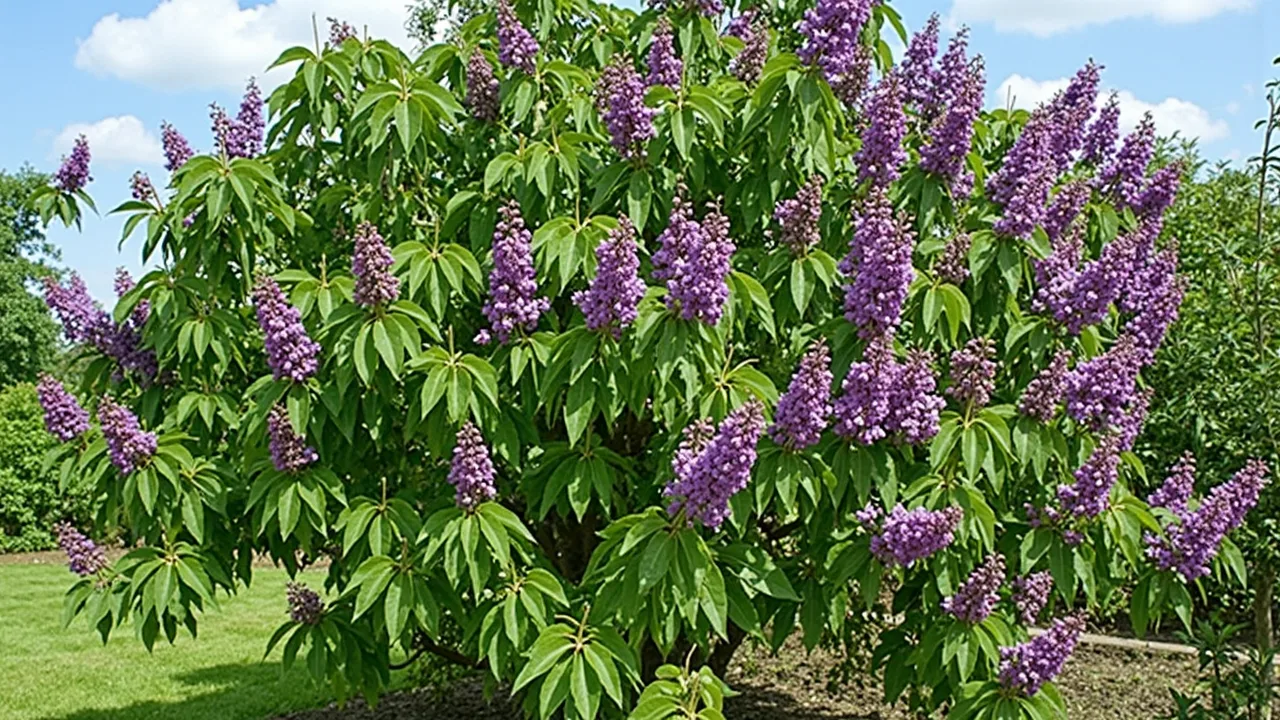
| Common Lilac | Back / shrub | up to 7 m | 2.5 m | May–Jun, prune after flowering |
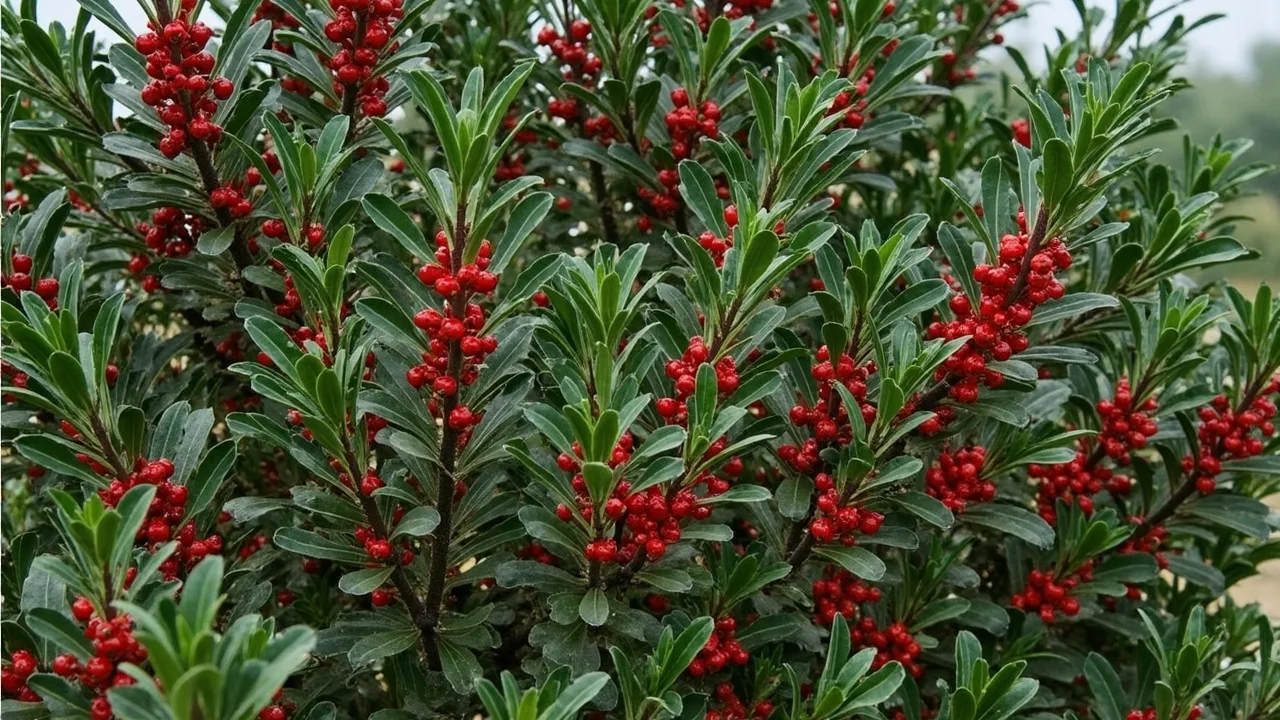
| Holly | Back / evergreen | 4.5 m | 2 m | clipped once a year for winter structure |
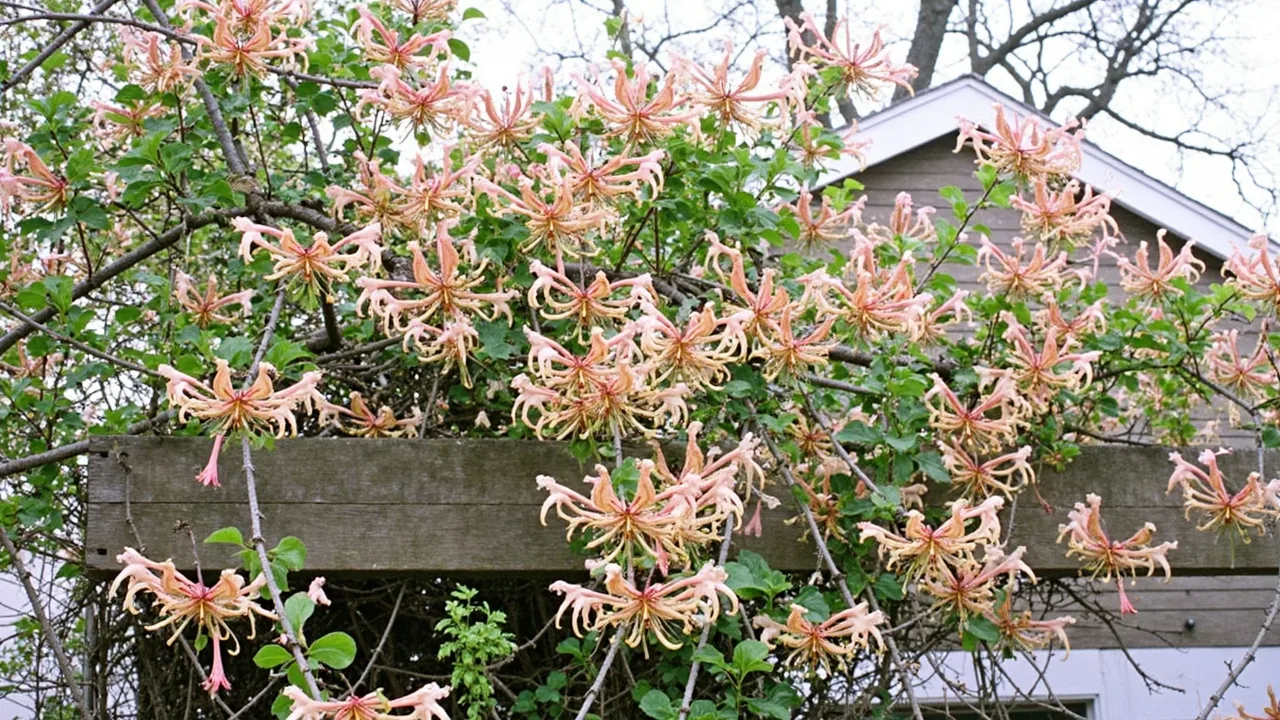
| Honeysuckle 'Graham Thomas' | Back / climber | 8 m | train on wires 1.5 m apart | Jun–Oct scent |
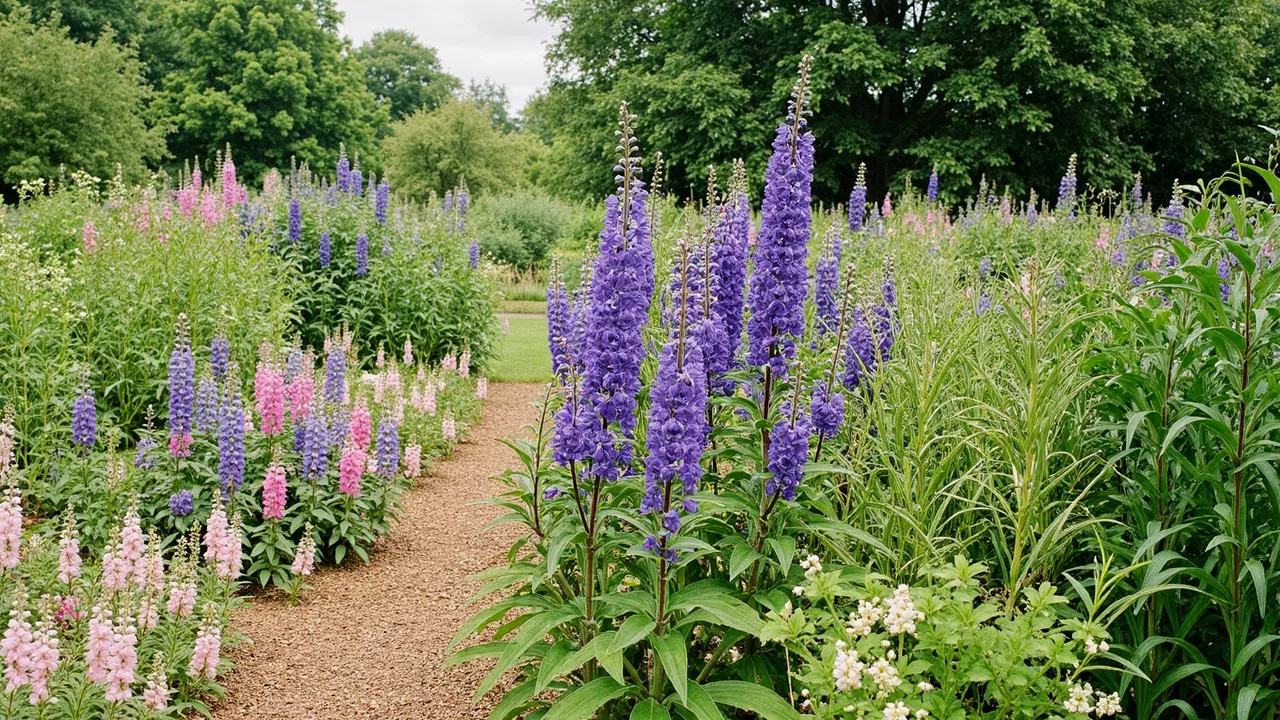
| Delphinium | Back / tall perennial | 2.5 m | 60 cm (stake) | Jun–Jul, cut back for a second flush |
Set out: 1 × lilac at one back corner, 1 × holly at the other, 2 × dog rose spaced 2 m apart between them, 1 × honeysuckle trained on the wall behind the centre, and a drift of 5 × delphiniums in groups of three at the back-centre, two towards the lilac.
Mid-height layer (the main perennials)
| Plant | Layer | Height | Spacing | Catalogue link |
|---|---|---|---|---|
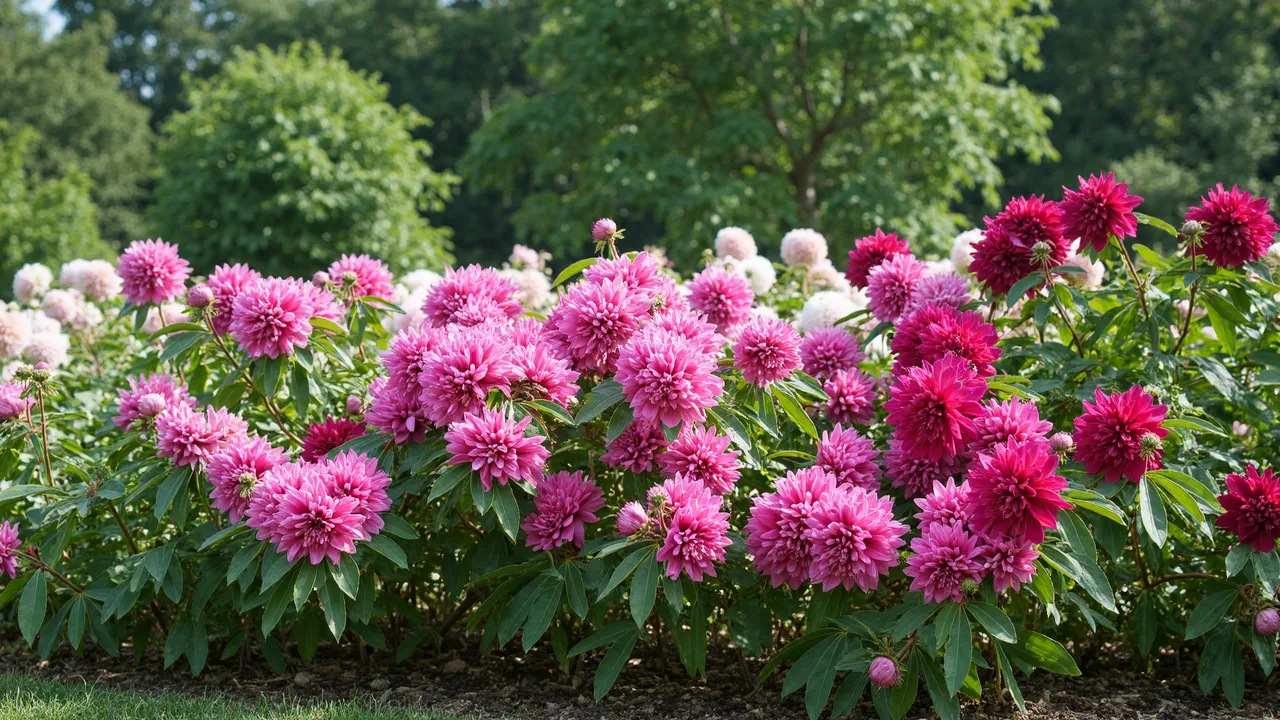
| Chinese peony | Mid | 1 m | 1 m | May–Jun, long-lived |
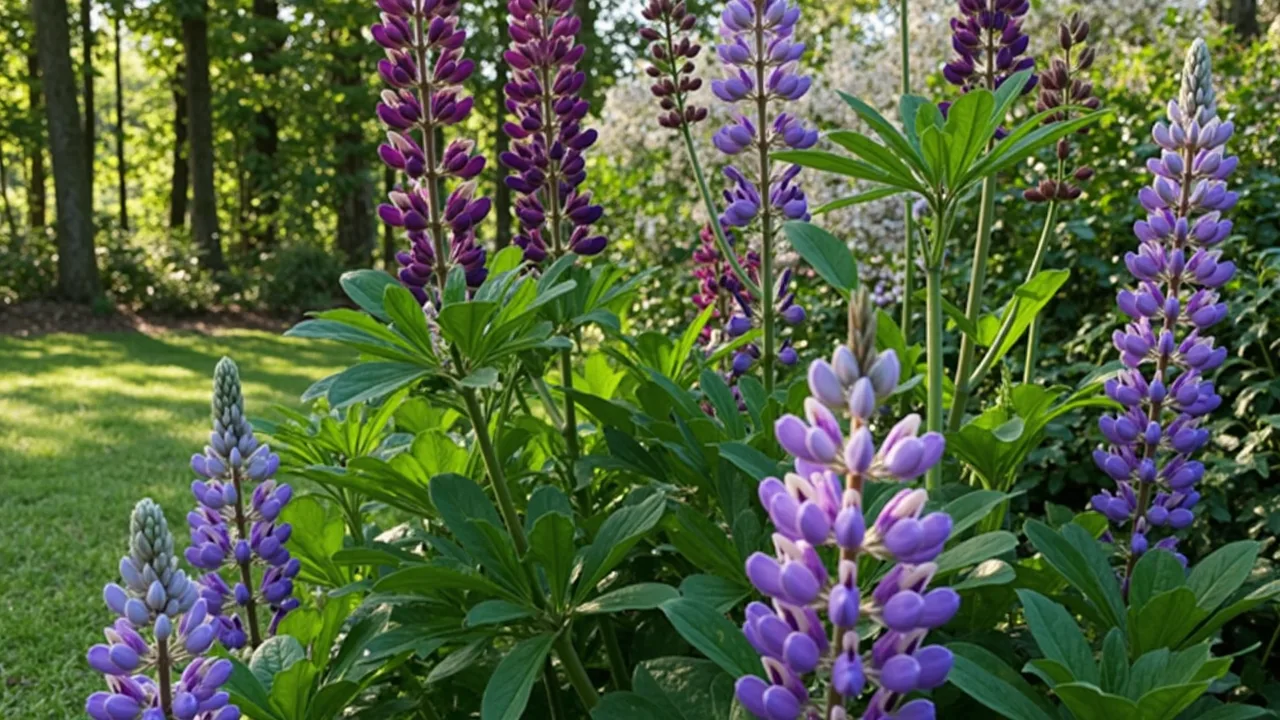
| Lupin | Mid | 1.5 m | 45 cm | May–Jul, deadhead for repeat |
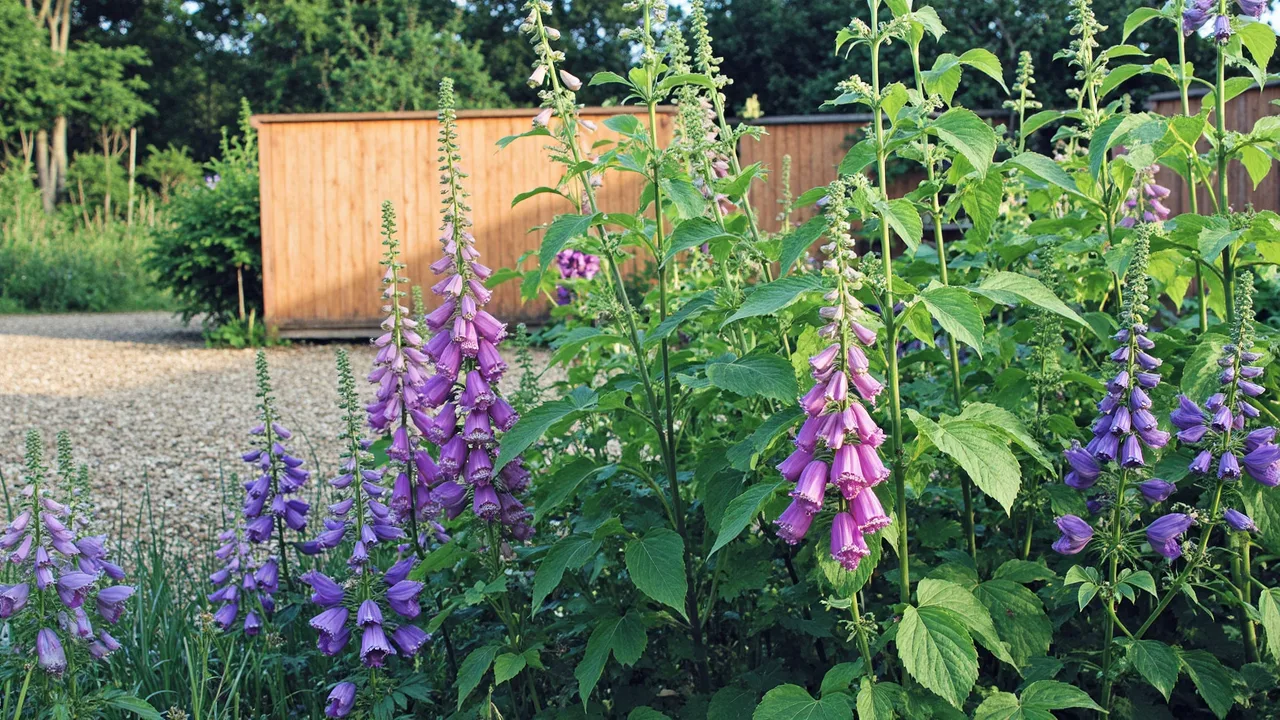
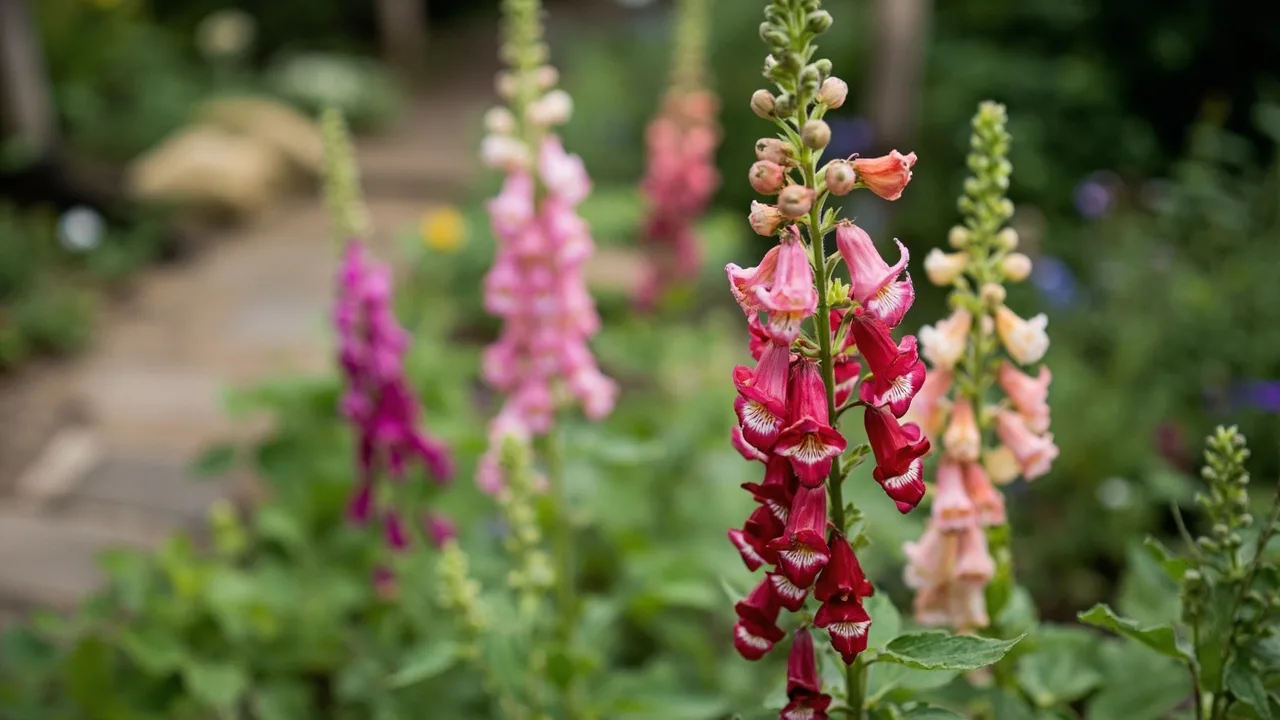
| Foxglove | Mid / biennial | 2.4 m | 50 cm | Jun–Sep, let it self-seed |
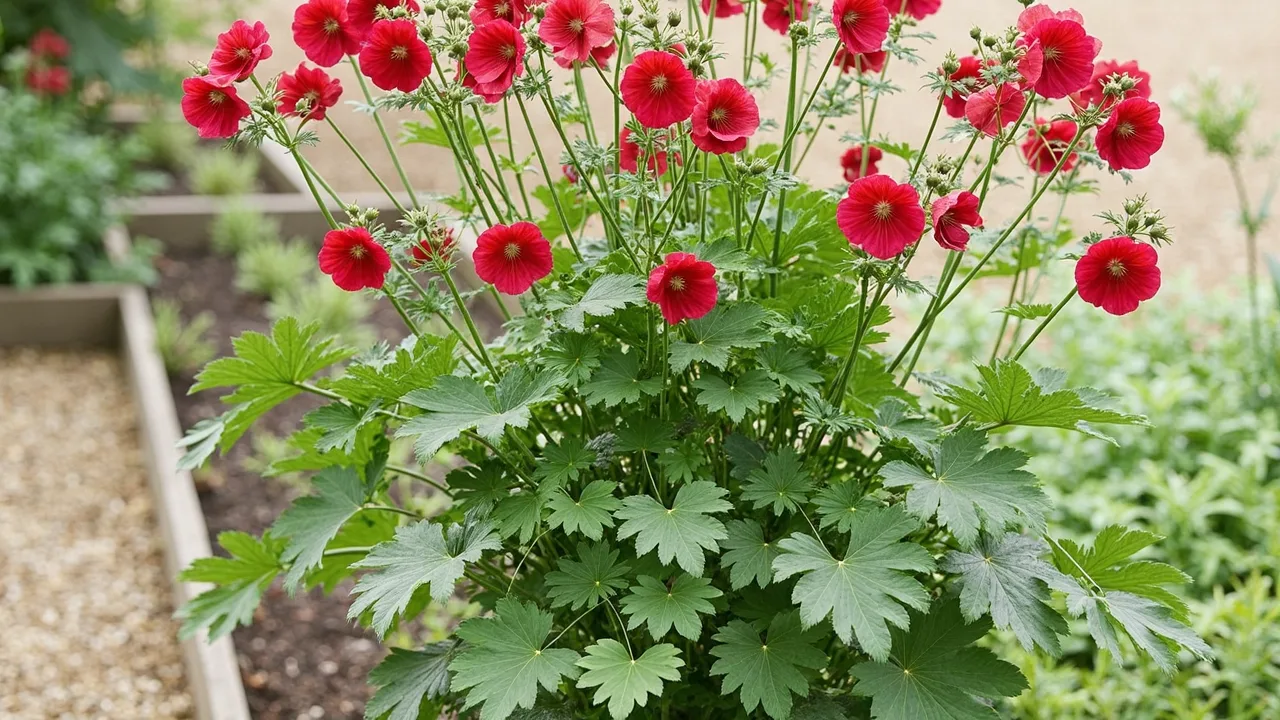
| Avens | Mid | 1.2 m | 45 cm | Jun–Aug, reliable |
| Coneflower | Mid | 1.2 m | 50 cm | Jul–Nov, pollinator magnet |
| Rudbeckia | Mid | 1.2 m | 50 cm | Aug–Oct, lifts the late border |
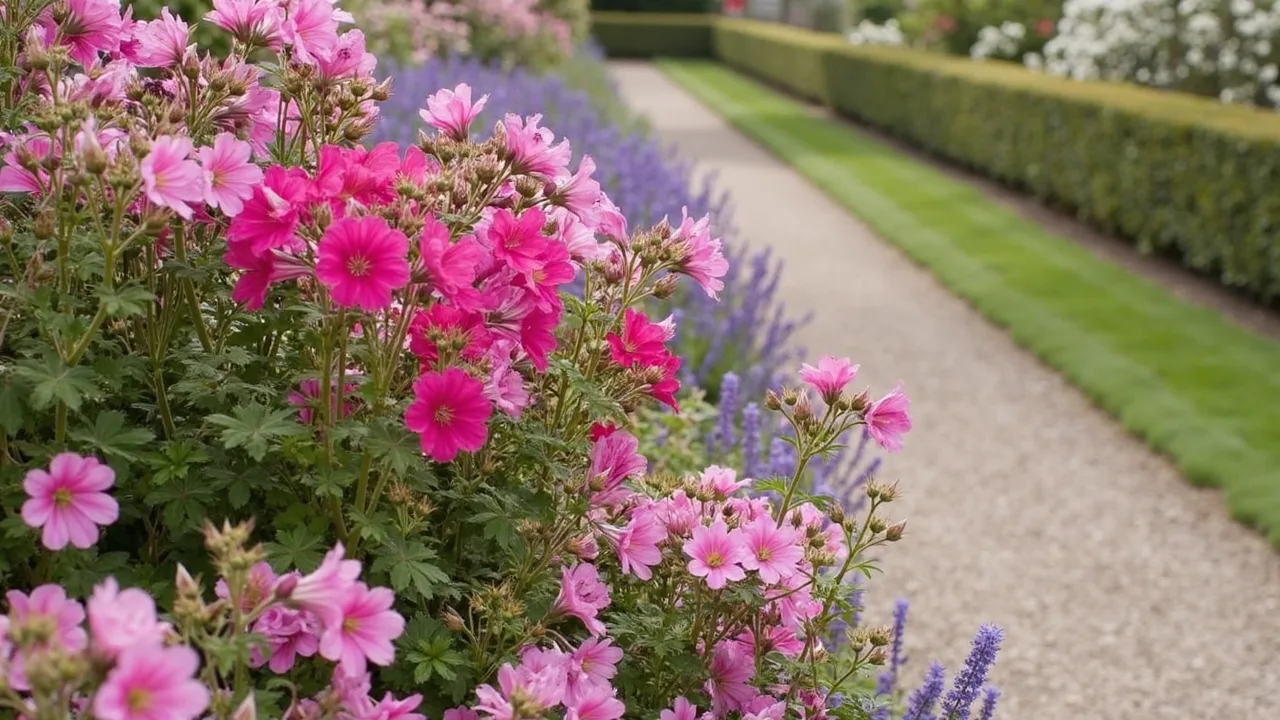
| Hardy Geranium | Mid/front | 50 cm | 50 cm | May–Aug, weaves the layers together |
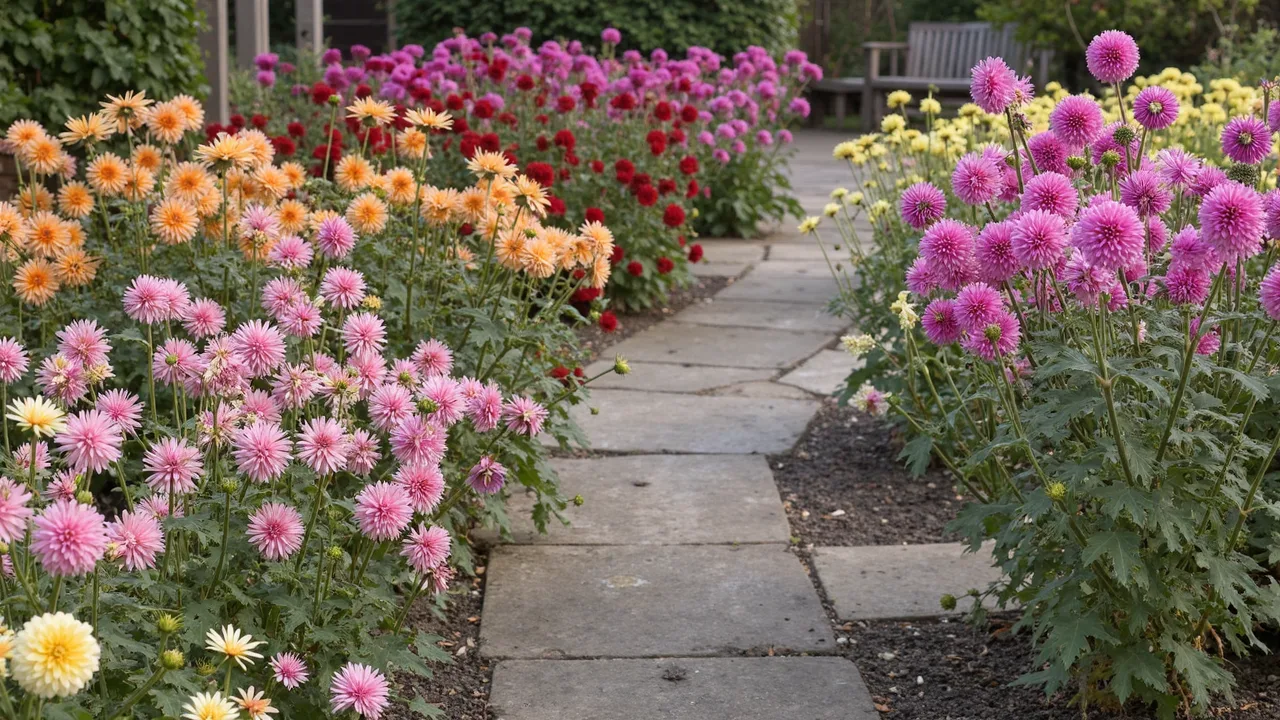
| Garden Dahlia | Mid | 1.6 m | 50 cm | Jun–Nov, lift tubers in cold districts |
Set out in drifts of 3–5: peonies as anchors every 1.5 m, lupins threaded between them, foxgloves and snapdragon as upright punctuation, and a hot late-summer block of coneflower + rudbeckia + dahlia covering the sunniest 2 m².
Front / edging layer
| Plant | Layer | Height | Spacing | Catalogue link |
|---|---|---|---|---|
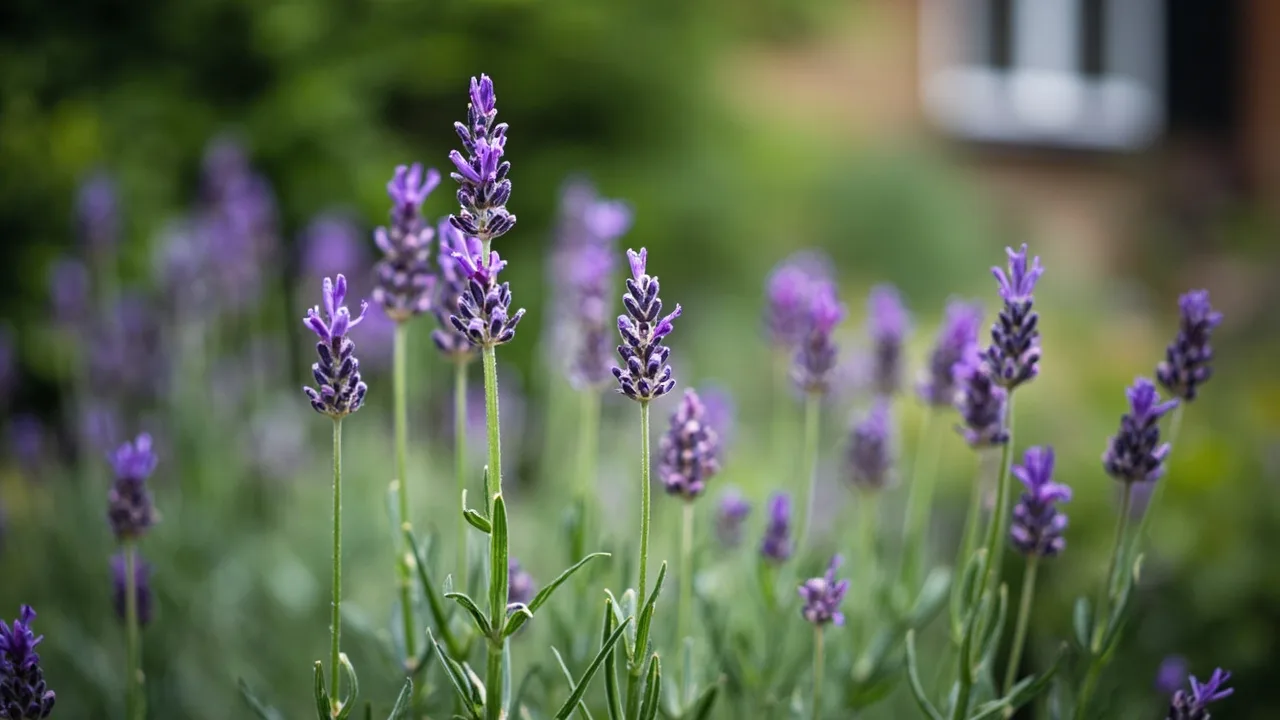
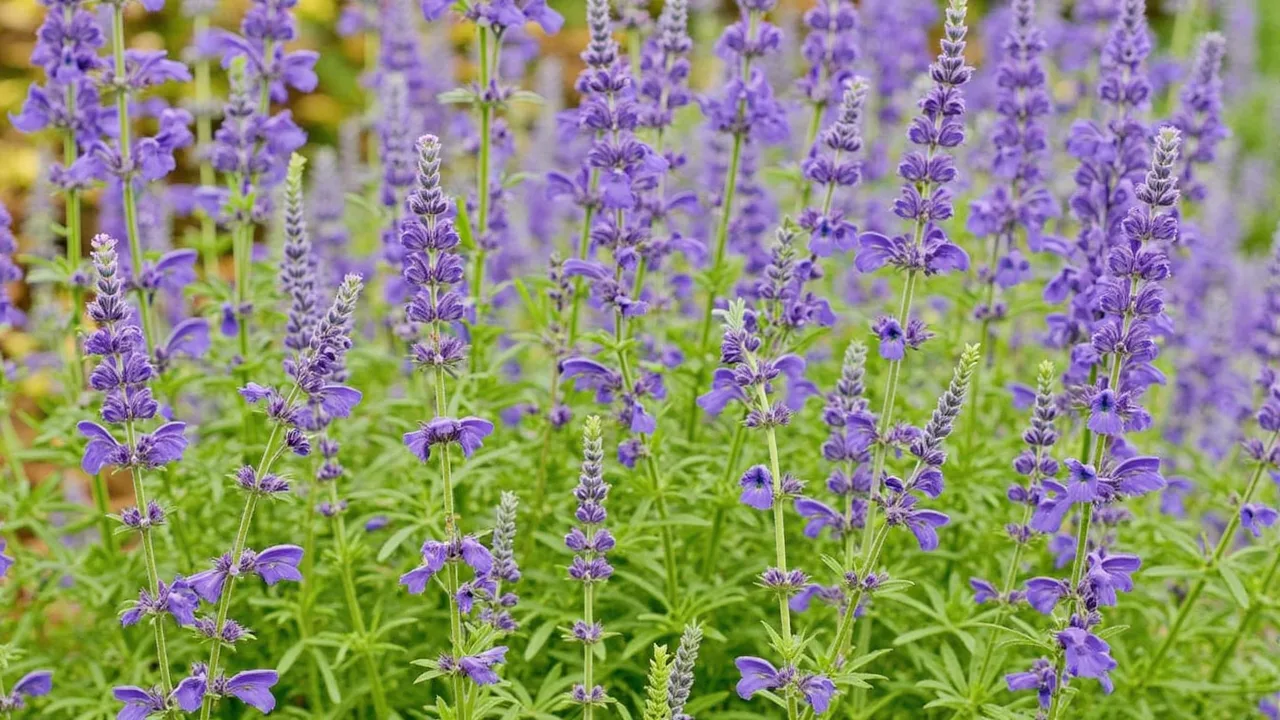
| English lavender 'Hidcote' | Front | 60 cm | 60 cm | Jun–Aug, hedge the path |
| Catmint | Front | 40 cm | 50 cm | May–Sep, edges, bee plant |
| Pot Marigold | Front / annual | 80 cm | 30 cm | May–Sep, self-seeds |
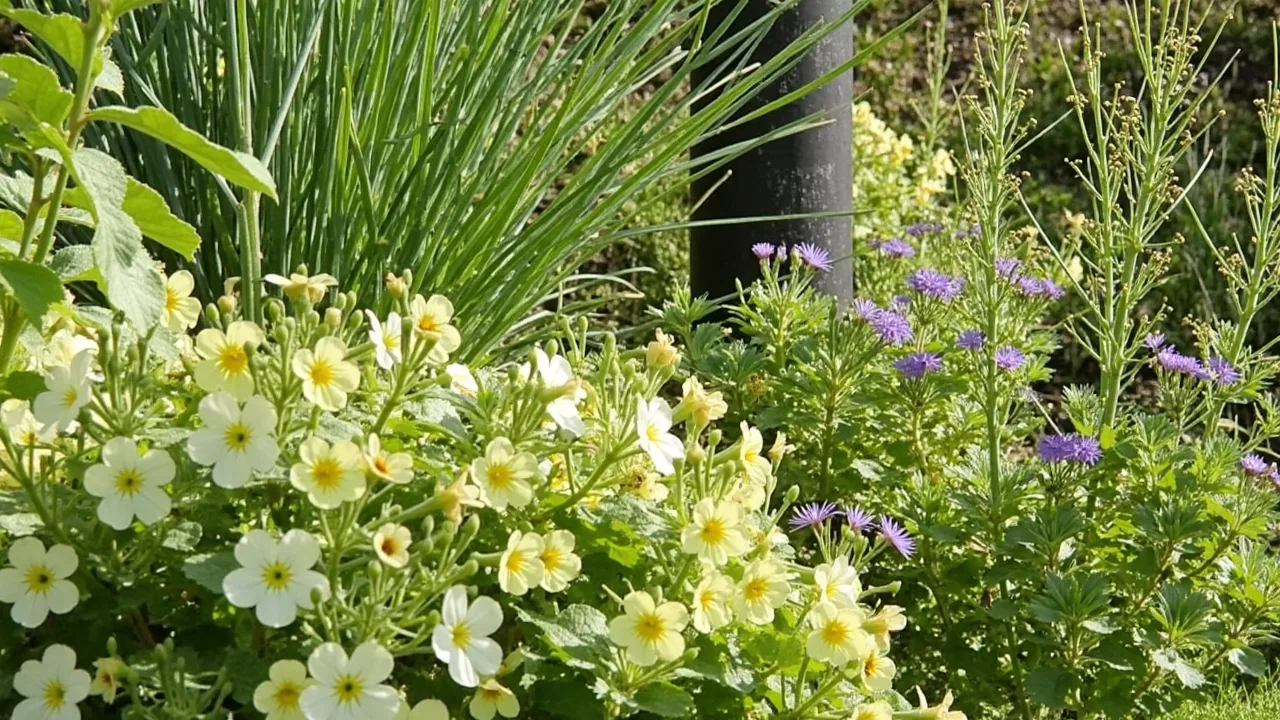
| Primrose | Front | 30 cm | 25 cm | Feb–Apr, fills gaps |
| Sage | Front | 1.5 m (kept lower) | 60 cm | May–Aug, grey foliage year-round |
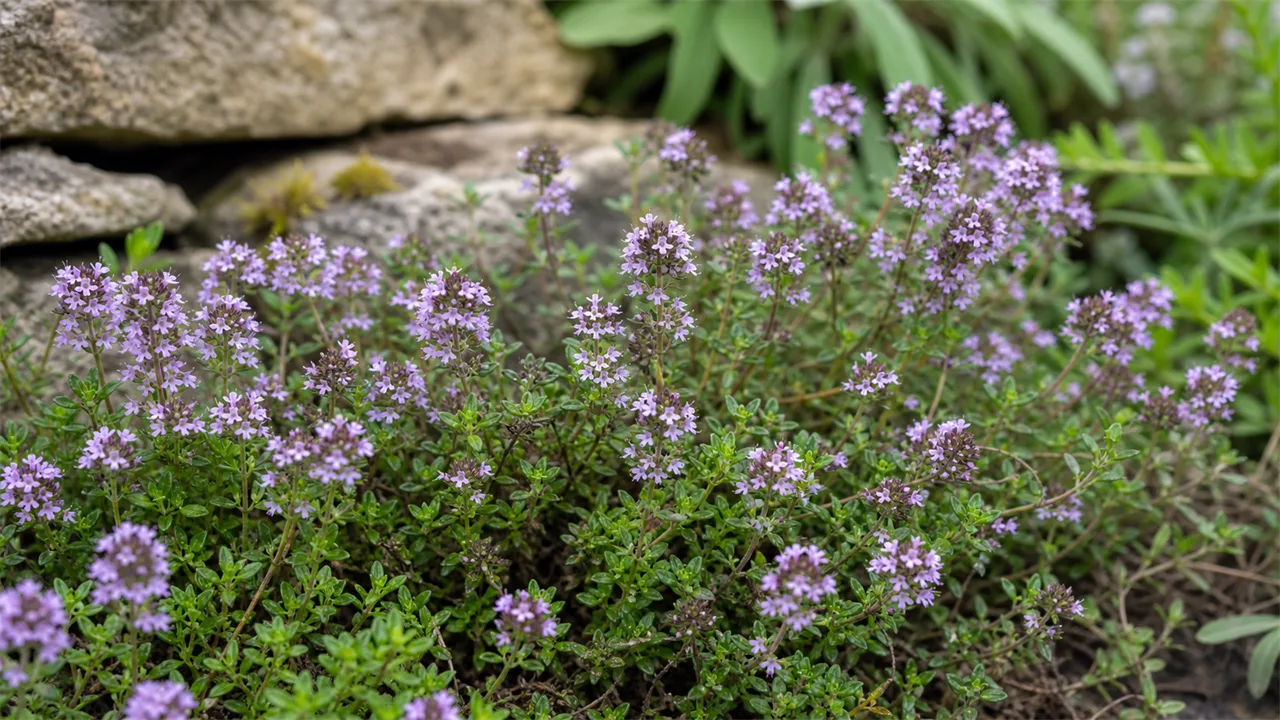
| Common thyme | Front / paving | 30 cm | 30 cm | Jun–Aug, paths and cracks |
| Red Campion | Front / self-seeder | 90 cm | 40 cm | May–Oct, softens edges |
Run lavender along the very front for 3 m (5 plants), then nepeta where the border curves. Use Pot Marigold and Red Campion as informal self-seeders that move around each year — half the charm of a cottage garden is that nothing stays put.
Bulbs woven through every layer
| Plant | When | Catalogue link |
|---|---|---|
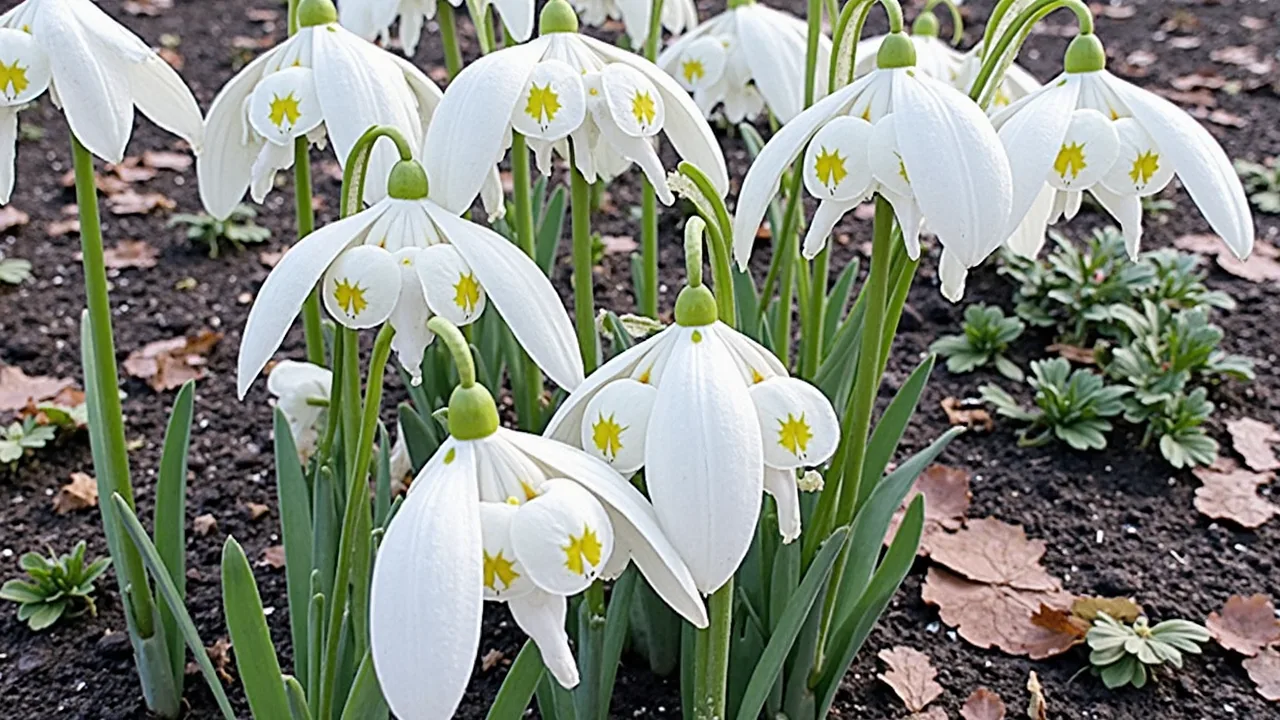
| Snowdrop | Jan–Mar, under the holly and roses | |
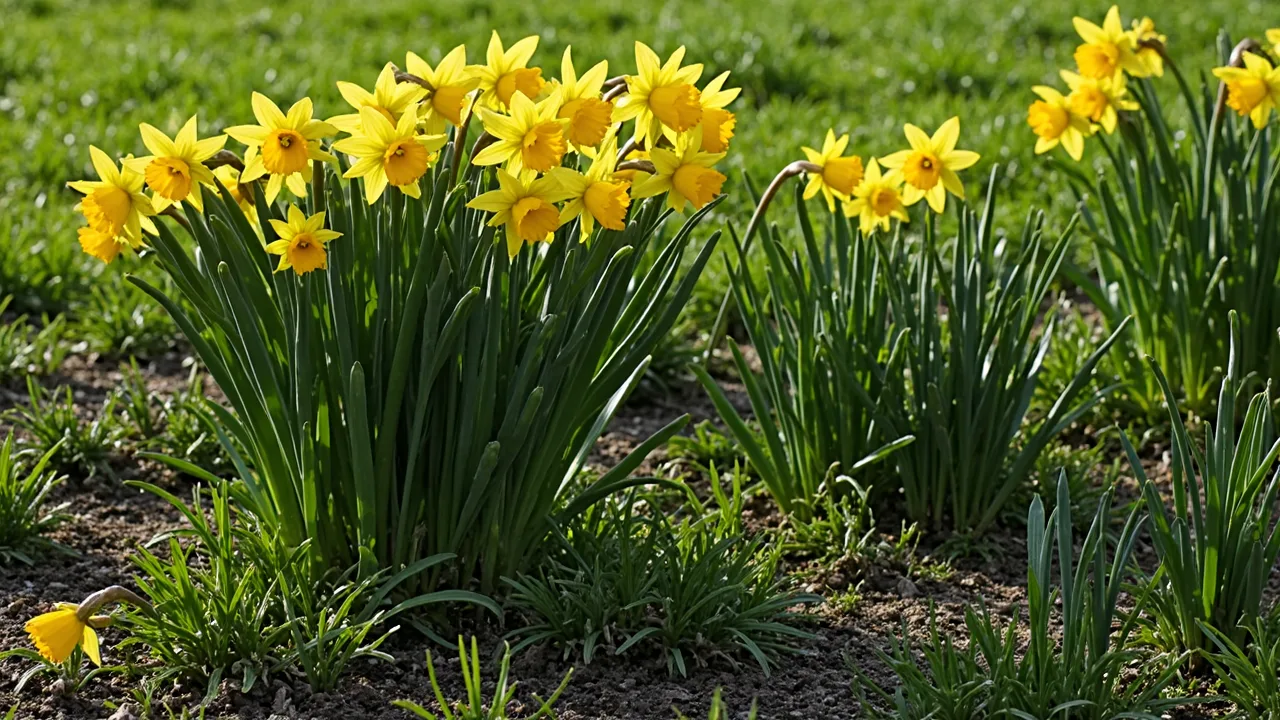
| Daffodils | Mar–May, drifts through the mid layer | |
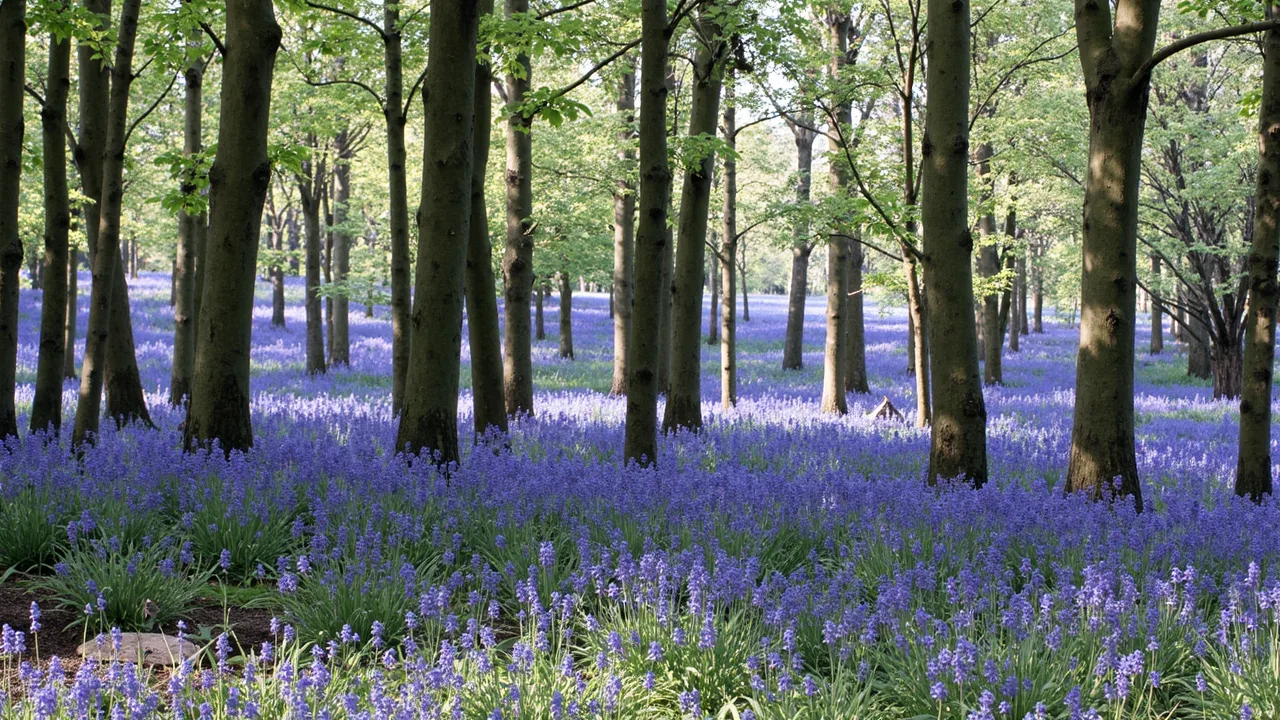
| Bluebell | Apr–May, naturalise in dappled shade at the lilac end | |
| Tulip | Apr–May, lift and replant each year | |
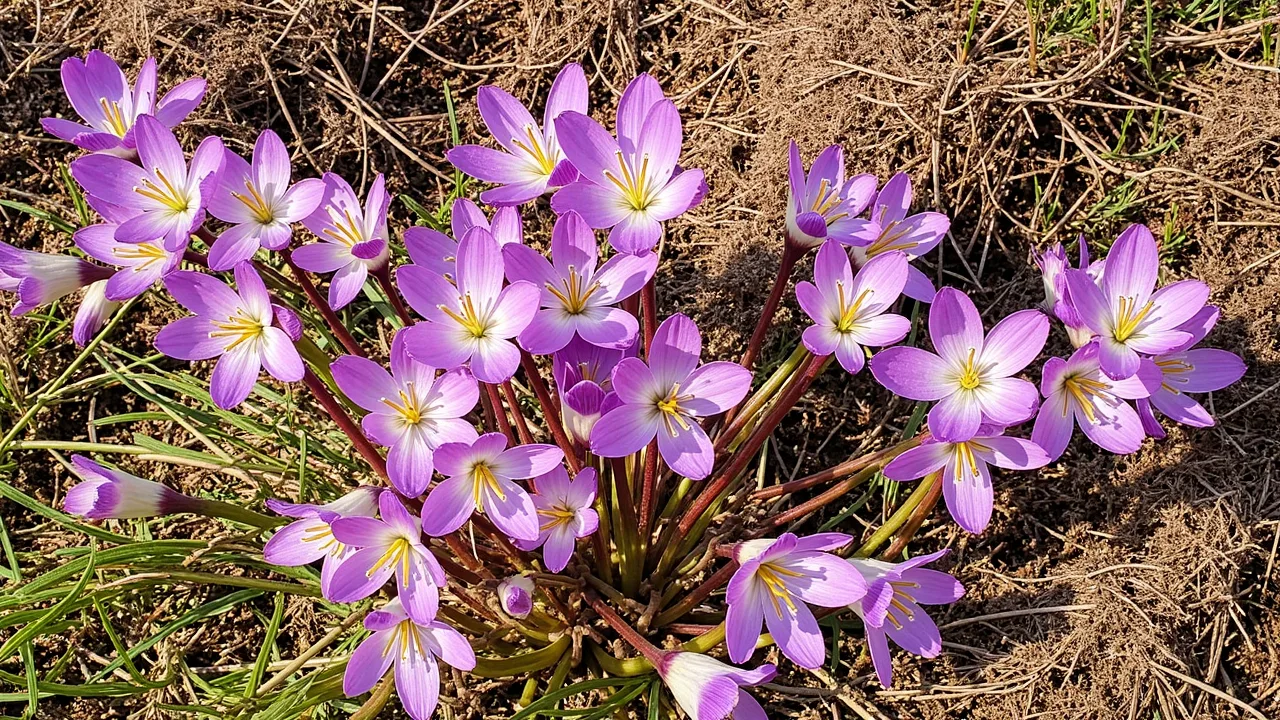
| Autumn crocus | Sep–Oct, leafless flowers under the roses |
Plant bulbs in informal clumps of 7–15, scattered rather than lined. A rule of thumb: 15 bulbs per m² for snowdrops and bluebells, 9 per m² for daffodils and tulips.
Year-round interest
- Spring (Mar–May): Snowdrops and daffodils open the year, followed by bluebells, tulips and the first roses. Peony buds fatten and lupin spires rise.
- Summer (Jun–Aug): The main event. Delphiniums and lupins in June, roses and peonies overlapping into July, then dahlias, coneflower, lavender and rudbeckia carrying August. The honeysuckle perfumes the evening air.
- Autumn (Sep–Nov): Rudbeckia, dahlia and echinacea continue, joined by Autumn crocus. Dog rose produces large orange-red hips, and the lilac's heart-shaped leaves turn butter-yellow.
- Winter (Dec–Feb): Structure does the work. Holly holds its berries, dog rose hips persist (often into February), honeysuckle keeps some leaves, and snowdrops push through from late January. Seedheads of coneflower and rudbeckia are deliberately left standing — they look good frosted and feed goldfinches.
Companion and pollinator notes
A cottage border is, almost by accident, one of the best pollinator plantings you can make.
- Bees: Lavender, nepeta, sage, thyme, borage-style Pot Marigold, and single-flowered dahlias are all heavy nectar producers.
- Butterflies: Buddleja would normally be the headline plant, but honeysuckle and purple coneflower attract adult butterflies; lavender does too. Avoid double-flowered cultivars — bees cannot reach the nectar.
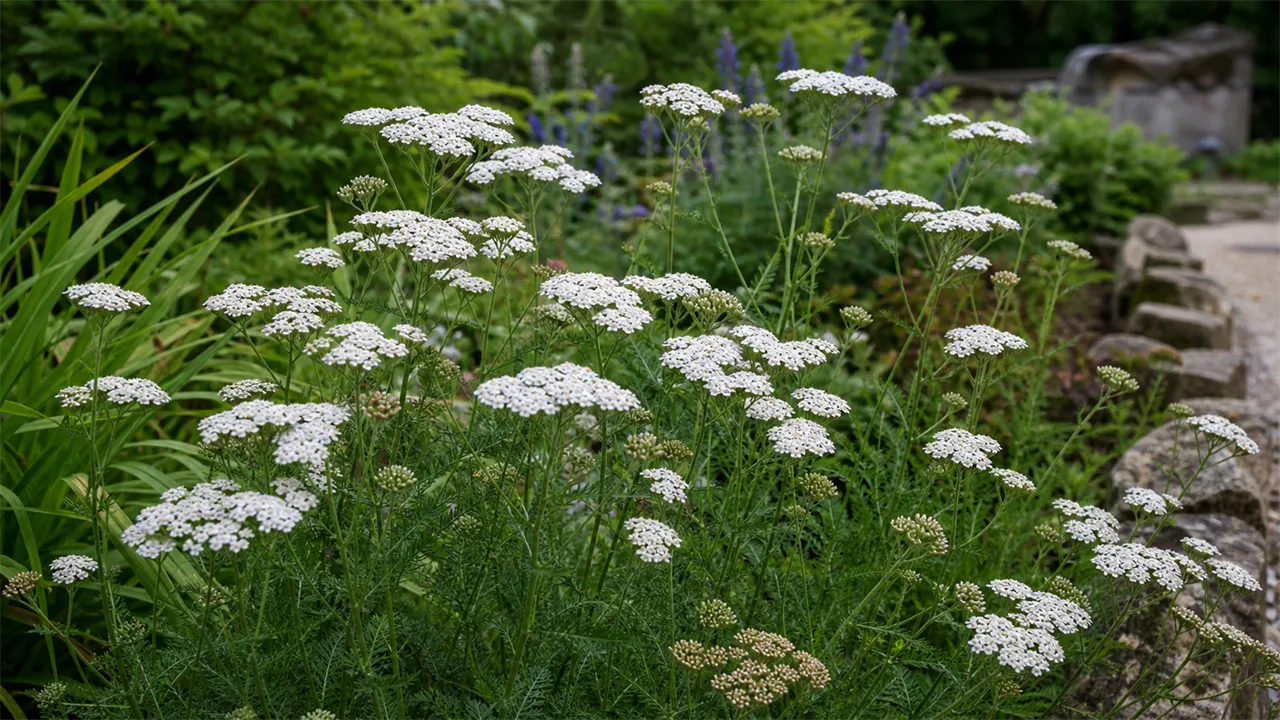
- Hoverflies and lacewings: Umbellifers and open daisy flowers — Achillea millefolium (Yarrow), Red Campion and fennel relatives — pull in aphid predators. Thread a few yarrow plants through the front.
- Birds: Leave the seedheads of coneflowers, rudbeckia, sunflowers and the rose hips through winter; blackbirds, goldfinches and fieldfares will move in.
- Pairings that work: roses with lavender or nepeta at their feet (the grey foliage hides bare rose stems and confuses aphids). Peonies with catmint. Lupins with foxgloves and Avens — all three like the same soil and flower in succession.
Practical setup
Soil preparation
- Weed first. Couch grass and bindweed will out-compete perennials in a cottage border within two seasons. Dig, sift roots out, or smother with cardboard for a full growing season if you can wait.
- Improve the tilth. On clay, fork in 5–8 cm of garden compost or well-rotted manure over the whole bed. On sandy soil, do the same — the goal is a moisture-retentive but free-draining top 30 cm.
- pH. Most plants here are happy in pH 6.5–7.5. If you are on strongly acid soil (under rhododendrons, say), add garden lime in autumn at about 200 g/m² and re-test in spring.
- Drainage. If the bed sits wet in winter, raise it 15–20 cm with imported loam or build a low mound along the back. Lavender, peony and bearded iris will simply rot in cold wet soil.
Aspect and exposure
This plan is built for full sun — at least six hours of direct light in midsummer. In hot southern gardens, light afternoon shade is fine. In Scotland and the north, give it the sunniest sheltered wall you have.
Planting order (March–April is ideal)
- Plant the back layer first — lilac, holly, dog rose, honeysuckle in its final spot.
- Plant perennials in groups of three to five, not singly.
- Bulbs go in last, at three times their own depth, point up.
- Mulch the whole bed with 5–7 cm of composted bark or garden compost, keeping it clear of stems.
- Water weekly through the first summer. After that, only in drought.
Ongoing maintenance
- March: Cut back any perennials left standing over winter, top-dress with compost, stake delphiniums and dahlias now (peonies too if windy).
- April–May: Watch for slugs on lupins, delphiniums and dahlias. Pinch out dahlia tips once they have four sets of leaves to keep them stocky.
- June: Deadhead roses, lupins and peonies promptly to keep the show going. Cut back nepeta by a third for a second flush.
- July: Cut back delphiniums to ground after flowering for a smaller September repeat. Watch for blackspot on roses — clear fallen leaves.
- September: Stop deadheading roses so hips can form. Lift and divide bearded iris and hardy geraniums if they have run out of steam in the centre.
- October–November: Plant bulbs. Cut dahlias down after the first frost and either mulch the crowns heavily or lift the tubers in cold districts.
- Winter: Resist the urge to "tidy" — leave coneflower, rudbeckia and grass seedheads for the birds. Prune roses and dog rose in late winter (February).
Budget and quantities
For the full 15 m² border you are looking at roughly:
- Structural shrubs (1 lilac, 1 holly, 2 dog rose, 1 honeysuckle): about £130–£180 at garden-centre 3-litre pot sizes. Holly and lilac in particular are worth buying larger (5–10 L) for instant impact — budget £60–£90 extra.
- Perennials (about 45 plants across peony, lupin, foxglove, avens, coneflower, rudbeckia, geranium, dahlia): at £6–£10 each in 2-litre pots, roughly £280–£450.
- Front layer (5 lavender, 7 nepeta, 12 marigold/primrose/campion, 6 sage/thyme): £110–£160.
- Bulbs (about 200 snowdrop, 80 daffodil, 100 tulip, 40 bluebell, 30 autumn crocus): roughly £90–£140 bought dry in autumn, less if you buy "in the green" snowdrops and bluebells in spring.
- Compost and bark mulch: about £60–£80 for a 70-litre bag of compost per shrub and three to four 70-litre bags of bark.
Realistic total for a new 15 m² cottage border: around £650–£1,050, with the higher end if you buy mature shrubs. You can halve that in year two by dividing your own geraniums, nepeta and rudbeckia, and letting foxgloves, marigolds and campion self-seed.
Common mistakes to avoid
- Planting in single rows. A cottage border needs drifts of three, five or seven of each plant — never one of everything.
- Skipping the evergreens. Without holly or a clipped box at one end, the border looks bare from December to February.
- Mulching over crowns. Peonies in particular resent deep mulch over the growing point; leave a 5 cm gap.
- Over-feeding roses. Rich feed plus dry weather equals lush growth and blackspot. A mulch of compost once a year is enough in most UK gardens.
- Tidying in autumn. Cutting everything back in October is the single fastest way to lose the winter structure that makes a cottage garden feel established.
The one-year and five-year view
In its first summer the border will look thin — that is normal. Bulbs carry the spring, then delphiniums, lupins and roses do the heavy lifting while everything else fills in. By year three the perennials knit together, dog rose and lilac are hitting their stride, and self-seeded foxgloves and campion start moving the planting around. By year five you will be dividing geraniums and nepeta, lifting and replanting bearded iris, and editing out plants that have not earned their place — which is exactly how a cottage garden is supposed to mature.
Plants in this guide




Recommended Products
GardenWizz earns a commission from qualifying purchases made through affiliate links on this page (including links within the article) — as an Amazon Associate, and from Thompson & Morgan via the Awin network. This does not affect the price you pay. See our disclaimer for details.
Related Articles
More → Garden Design
Creating a Rain Garden
12 June 2026A rain garden is a shallow, planted dip in the lawn or border that catches roof and paving runoff, lets it soak into the ground, and filters it through plant roots on the way down. In a UK garden it…
 Garden Design
How to Attract Birds to Your Garden
12 June 2026A garden with birds is a working garden. They eat aphids, caterpillars, slugs and snails; they pollinate as they forage; and they tell you, quickly, when something in your patch is out of balance.…
 Garden Design
Best Climbing Plants for UK Walls and Fences
12 June 2026A bare fence or blank wall is wasted growing space. Choose the right climber and that same square metre of garden becomes flowers from May to October, shelter for nesting birds, a windbreak for the…