
How to Grow Swiss Chard in the UK: A Complete Guide
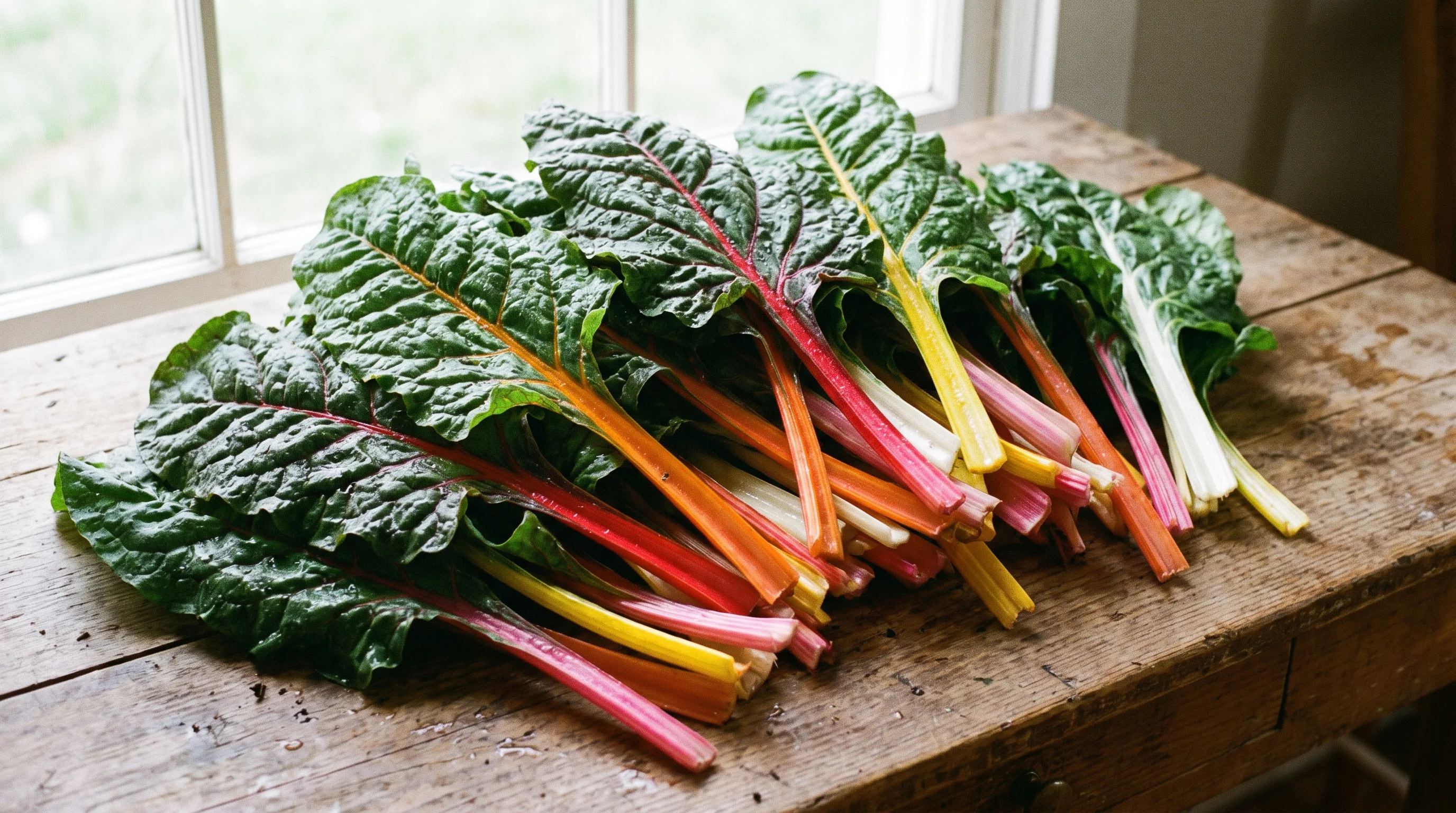
The bright stems in red, yellow, orange, pink and white, paired with large glossy green or burgundy leaves, make it as decorative as any flower.
At a Glance
| Sow | March-May (main), June-July (autumn), August-September (mild areas only) |
|---|---|
| Sun | Full sun to partial shade |
| Soil | Fertile, moisture-retentive |
| Spacing | 30 cm apart in 40 cm rows |
| Hardiness | H5 — most UK gardens |
| Difficulty | Easy |
| Time to harvest | 8-12 weeks from sowing; plants crop for 6-9 months |
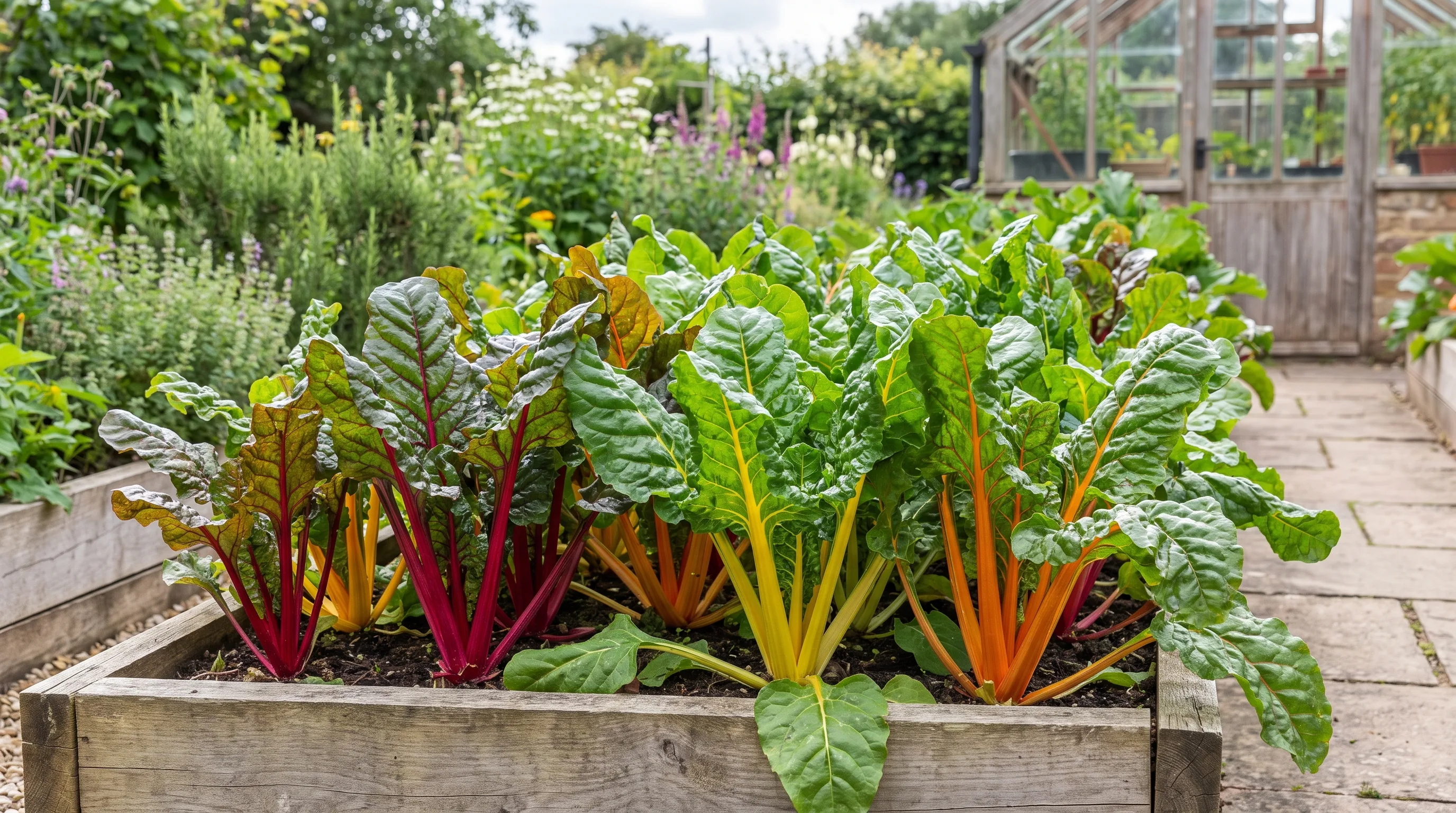
Swiss chard is one of the most handsome vegetables a UK gardener can grow. The bright stems in red, yellow, orange, pink and white, paired with large glossy green or burgundy leaves, make it as decorative as any flower. It’s also one of the most productive — a single plant will produce leaves from late spring right through to the following April, and a 2 m row will keep a family in greens for six months.
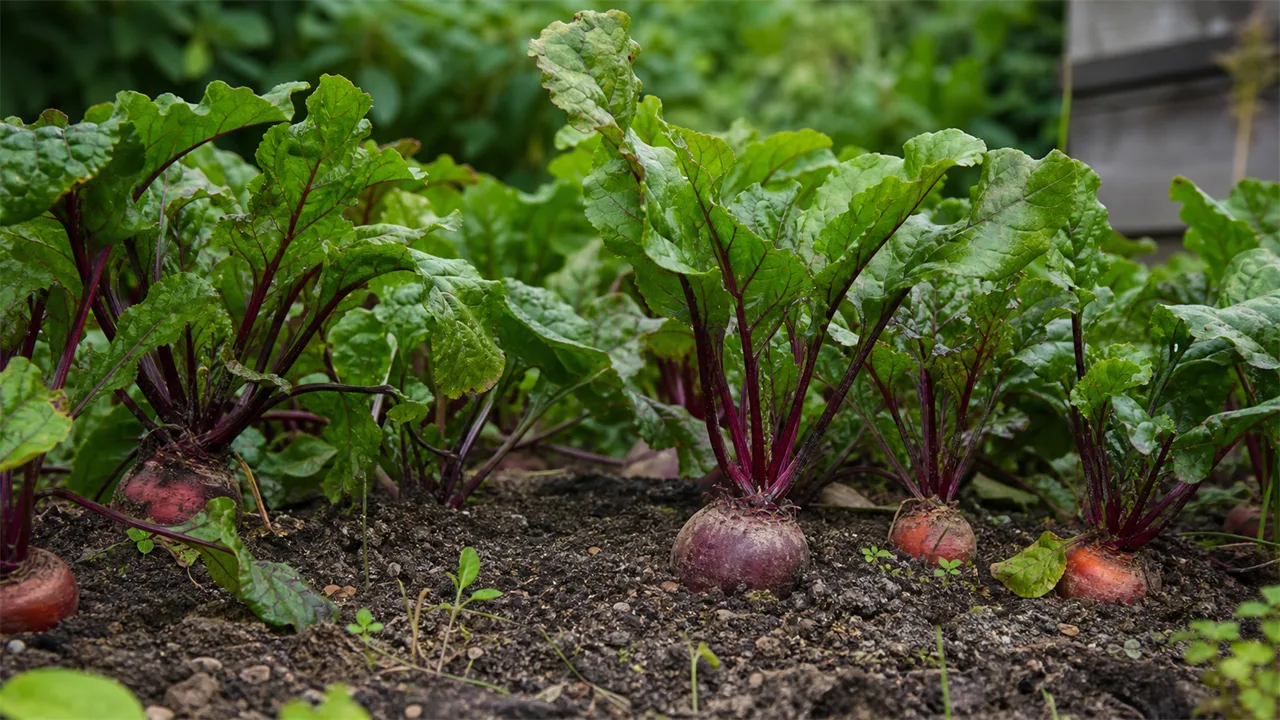
It’s closely related to spinach and beetroot (same family, same species — Beta vulgaris), and the leaves can be used as a spinach substitute. The stems cook differently to the leaves: slice them and sauté separately, as they take 4–5 minutes longer to soften than the leaves.
When to sow chard in the UK
Chard is a biennial grown as an annual, and it tolerates a wide sowing window. There are three main options:
- Spring sowing (March to early May): the main window. Sow in modules under cover in March for transplanting in May, or direct into the ground from mid-April. Plants are ready to start cropping in June and will continue through to the following spring.
- Summer sowing (June to July): for an autumn-into-winter harvest. Plants are smaller but don’t bolt as readily. Useful for filling gaps in the vegetable bed.
- Autumn sowing (August to early September):
For a small garden, a single March sowing in modules followed by planting out in May is the simplest approach. For a continuous supply, sow a second batch in June for autumn harvest.
Choosing chard varieties
Chard varieties fall into two main groups:
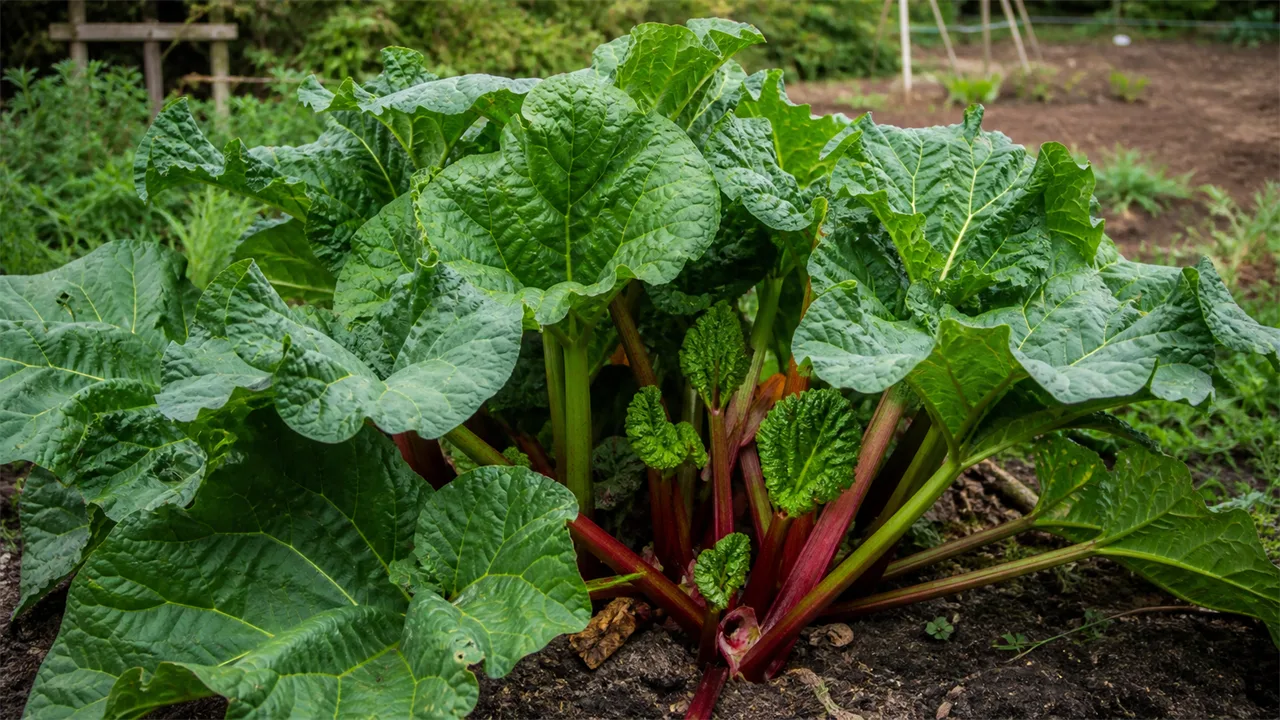
- Swiss chard (coloured stems): the decorative type, with bright stems in red, yellow, orange, pink or white, paired with green or burgundy leaves. ‘Bright Lights’ (mixed colours, the classic), ‘Rhubarb Chard’ (red stems, the most popular), ‘Lucullus’ (yellow-green stems, very heavy cropping), ‘Fantasy’ (orange stems, modern selection).
- Perpetual spinach (leaf beet): a chard type with thin stems and large tender leaves. Less decorative but more productive for cooking. ‘Perpetual Spinach’ (the standard variety), ‘Green Leaf’ (a modern alternative).
For an ornamental and productive bed, ‘Bright Lights’ is hard to beat. For pure productivity and a spinach-like flavour, ‘Perpetual Spinach’ is the workhorse.
Sowing and growing on
Chard seeds are unusual: each “seed” is actually a cluster of 2–5 seeds, so you’ll always get multiple seedlings from one sowing. Thin to one strong seedling per station once they have two true leaves.
For module sowing, plant 1–2 clusters per cell, 1 cm deep, in a peat-free seed compost. Germination takes 7–14 days at 15–20 °C. Once the seedlings are 5 cm tall, thin to one per cell.
For direct sowing, wait until the soil is 10 °C (mid-April in the south, late April further north). Sow in shallow drills 1 cm deep, thin to 30 cm apart in the row, and you’ll get a productive stand of multi-seedling clusters.
Planting out and spacing
Chard is tolerant of most soils but grows best in fertile, moisture-retentive ground. It will produce for 6–9 months, so a generous mulch of compost before planting is well worthwhile.
Plant out when the seedlings have 4–5 true leaves, usually 5–7 weeks after sowing. Space 30 cm apart in rows 40 cm apart. Firm the soil well and water in. Keep watered every 3–5 days for the first 2–3 weeks until established.
Chard grows in full sun or partial shade. In hotter parts of the UK, a partly shaded site in midsummer reduces bolting and keeps the leaves tender.
Care: water, feed, pests
Chard is not demanding once established, but it does need consistent moisture to keep producing tender leaves. Water deeply once a week in dry spells, and mulch between the plants with compost or straw to retain moisture.
Feed once in mid-summer with a balanced organic fertiliser. Don’t over-feed with nitrogen — too much produces soft leafy growth that bolts easily.
Chard is remarkably pest-free. The main issues are:
- Slugs and snails:
- Leaf miner:
- Birds (especially pigeons):
Diseases: chard is largely disease-free. The main risk is downy mildew in wet seasons — improve air circulation by spacing plants well, and remove affected leaves.
Harvesting: pick-and-come-again
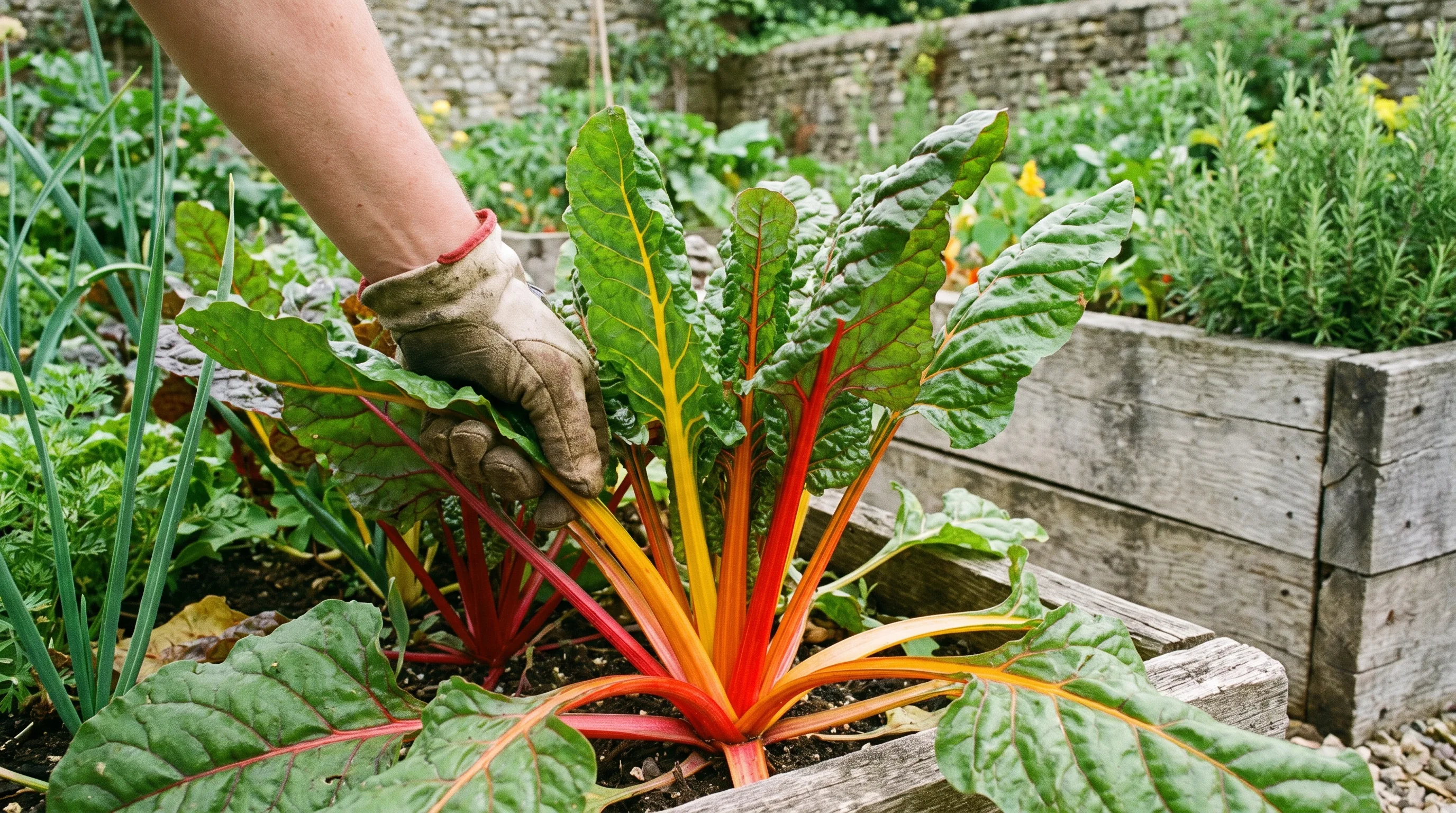
Start harvesting when the plants have 8–10 full-sized leaves, usually 8–12 weeks after sowing. Pick a few outer leaves from each plant rather than stripping one plant at a time — the cut-and-come-again habit means the plants will keep producing for 6–9 months.
Snap or cut the leaves from the outside of the plant, leaving the central growing point intact. Always take the lower, older leaves first and leave the top 4–5 youngest leaves to keep the plant growing. A few plants will keep a family in greens from June right through to March, with just a slow-down in the coldest months.
For baby leaves (good in salads), pick when the leaves are 8–10 cm long. The stems are tender at this size and don’t need to be separated from the leaves.
Frequently asked questions
My chard bolted in midsummer. What went wrong? A dry spell, or hot weather. Chard is biennial and will bolt if stressed. Water consistently, mulch, and in hotter regions provide afternoon shade. Cut the flowering stalk at the base and the plant will usually resprout from lower down.
Can I grow chard in containers? Yes — one plant per 25 cm deep container. Use a peat-free multi-purpose compost mixed with slow-release fertiliser, and water frequently. A 40 cm container will keep one person in greens from May to November.
How do I use chard in the kitchen? The leaves cook like spinach (steam or sauté for 2–3 minutes). The stems take longer: slice them and sauté in olive oil for 4–5 minutes before adding the leaves. Chard is also excellent raw in salads when the leaves are young.
Is chard hardy enough for UK winters? Yes, in most of the UK. Established plants will stand through frosts of -5 to -8 °C. In colder regions, cover with a layer of horticultural fleece in midwinter for extra protection. Plants overwintered one year will bolt in spring and should be pulled.
Can I save chard seed? Yes, and it’s easy. Leave one or two plants to overwinter and flower the following year. The flower stalks grow 1–1.5 m tall and produce seed clusters like beetroot. Let the seeds dry on the plant, then harvest into a paper bag. Chard crosses with beetroot, so don’t save seed if you’re also growing beetroot nearby.
Recommended Products
GardenWizz earns a commission from qualifying purchases made through affiliate links on this page (including links within the article) — as an Amazon Associate, and from Thompson & Morgan via the Awin network. This does not affect the price you pay. See our disclaimer for details.
Related Articles
More → Growing Guide
How to grow ornamental grasses in pots
5 August 2026Grow ornamental grasses successfully in containers with advice on pot size, compost, watering, feeding, winter care and long-term maintenance.
 Growing Guide
How to plan a perennial border
5 August 2026Plan a balanced perennial border with practical guidance on position, colour, height, spacing, flowering succession and year-round structure.
 Growing Guide
How to take hardwood cuttings
29 July 2026Take hardwood cuttings from suitable dormant shrubs and climbers with this step-by-step guide to timing, preparation, rooting and aftercare.