
Spider Plant
Chlorophytum comosum · Ribbon Plant
🪴 Indoor Seasonal Care
How this houseplant's needs shift through the year indoors.
At a Glance
| Botanical name | Chlorophytum comosum |
|---|---|
| Common name(s) | Spider Plant, Ribbon Plant |
| Family | Asphodelaceae |
| Plant type | perennial (Easy evergreen perennial that throws out arching plantlets (spiderettes) you can pot up.) |
| Height × Spread | 15–45 cm × — |
| Position | Partial shade |
| Light (indoors) | Bright, indirect light keeps variegation strong; tolerates some shade. Avoid harsh direct sun. |
| Humidity | Average room humidity is fine. |
| Pet safety | Considered non-toxic to cats and dogs by the ASPCA — a good choice for pet households. Even so, cats may chew the dangling plantlets, which can cause mild stomach upset, so discourage nibbling. |
| Soil | Peat-free houseplant compost kept lightly moist; tolerates occasional dryness. |
| Flowering | — |
| Toxicity | Not known to be toxic, but discourage children from eating any houseplant. |
| Native range | — |
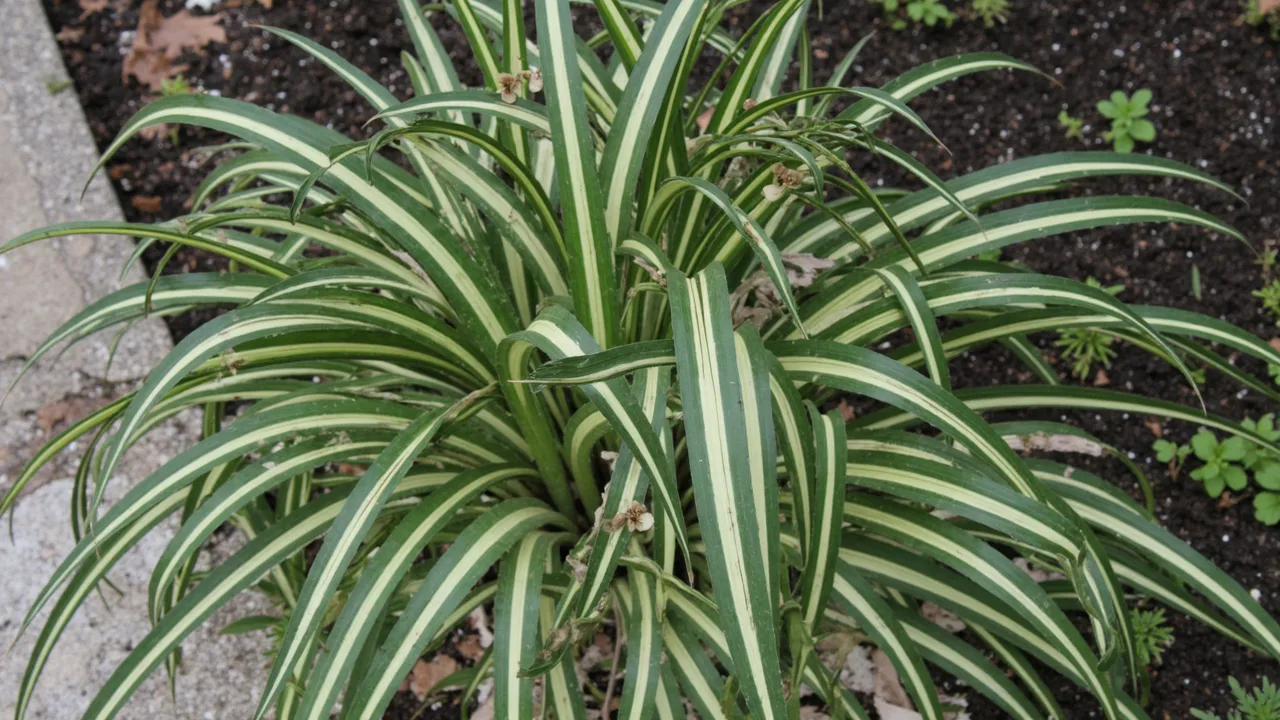
The Spider Plant (Chlorophytum comosum) is a beloved UK houseplant prized for its arching, striped leaves and effortless care. Its ability to produce charming 'spiderettes' makes it a favourite for both beginners and experienced growers, thriving in typical indoor conditions with minimal fuss.
Light
Spider Plants thrive in bright, indirect light, which helps maintain their striking variegation. Position them near a north- or east-facing window where they receive ample filtered light without direct sun exposure. Avoid placing them in south-facing windows during summer when sunlight is strongest, as this can scorch the leaves, causing unsightly brown patches. While they tolerate some shade, such as in a room with a west-facing window, the variegation may fade and growth will slow noticeably. For optimal appearance and health, aim for consistent, gentle light rather than fluctuating conditions.
Watering
Water your Spider Plant thoroughly when the top 2cm (about ¾ inch) of peat-free houseplant compost feels dry to the touch. This typically means watering every 7–10 days in spring and summer, and less frequently in winter when growth slows. Crucially, never let the plant sit in standing water, as this leads to root rot—a common cause of decline. The compost should feel lightly moist, not soggy, between waterings. In UK homes with central heating, which dries air, monitor soil moisture closely; a simple finger test is more reliable than a fixed schedule. If leaves begin to yellow, reduce watering frequency immediately.
Humidity and temperature
Average UK room humidity is perfectly adequate for Spider Plants; they do not require misting, humidifiers, or special humidity trays. They adapt well to typical indoor conditions, including the drier air common in heated winter homes. Maintain a consistent temperature between 15°C and 24°C (59°F–75°F), avoiding cold drafts from windows or doors and sudden temperature fluctuations near radiators. While they tolerate cooler temperatures briefly, prolonged exposure below 10°C (50°F) can stunt growth. Position them away from vents or heating sources to prevent stress.
Feeding and repotting
Feed your Spider Plant with a balanced, water-soluble liquid houseplant fertiliser diluted to half strength during the active growing season (March to September). Apply every 4–6 weeks to encourage lush foliage and abundant spiderettes. Do not feed during autumn or winter when growth naturally slows. Repot only when roots become visibly crowded at the pot’s base—typically every 2–3 years. Choose a pot only 2–3cm (1 inch) wider in diameter than the current one, using fresh peat-free compost. They prefer a snug fit, so avoid oversized pots that retain excess moisture.
Propagation
Propagating Spider Plants is exceptionally simple and rewarding. Wait until the 'spiderettes' (baby plantlets) develop small roots at the base of the mother plant. Gently detach them from the parent, ensuring a small root section is attached. Pot each spiderette into a small pot filled with fresh peat-free compost, placing it at the same depth as it grew on the mother plant. Keep the new pot in bright, indirect light and water sparingly until roots establish. Alternatively, place a spiderette in a jar of water until roots form, then transfer to compost. This method is ideal for beginners and ensures high success rates.
Common problems and how to fix them
Yellowing leaves are usually a sign of overwatering. Check the compost moisture—if it’s wet, reduce watering frequency and ensure the pot has drainage holes. Brown leaf tips often indicate low humidity or hard tap water; use rainwater or leave tap water out overnight to dissipate chlorine before watering. Leggy growth with sparse leaves occurs in low light—move the plant to a brighter spot with indirect light. If spiderettes stop forming, the plant may be root-bound; repot into a slightly larger container. Avoid using chemical sprays for pests, as Spider Plants are generally pest-resistant; if aphids appear, wipe leaves with a damp cloth.
Is it toxic to cats and dogs?
The ASPCA classifies Chlorophytum comosum as non-toxic to cats and dogs, making it a suitable choice for pet-friendly homes. However, while ingestion is not poisonous, cats may chew the dangling plantlets, potentially causing mild stomach upset or vomiting. To prevent this, position the plant out of reach on a high shelf or hanging basket. Never encourage pets to eat any houseplant. If a pet consumes a significant amount or shows signs of distress, contact a vet or the Animal PoisonLine (01206 798223) immediately. Similarly, discourage children from eating any houseplant, as even non-toxic species can cause digestive discomfort if ingested.
As an Amazon Associate, GardenWizz earns from qualifying purchases made through links on this page (including links within the article). This does not affect the price you pay. See our disclaimer for details.