
How to Get Rid of Bracken
Bracken (Pteridium aquilinum) is a large, vigorous fern and one of the most difficult weeds to control on the larger UK garden, paddock or hillside plot. It spreads by a deep, far-reaching…
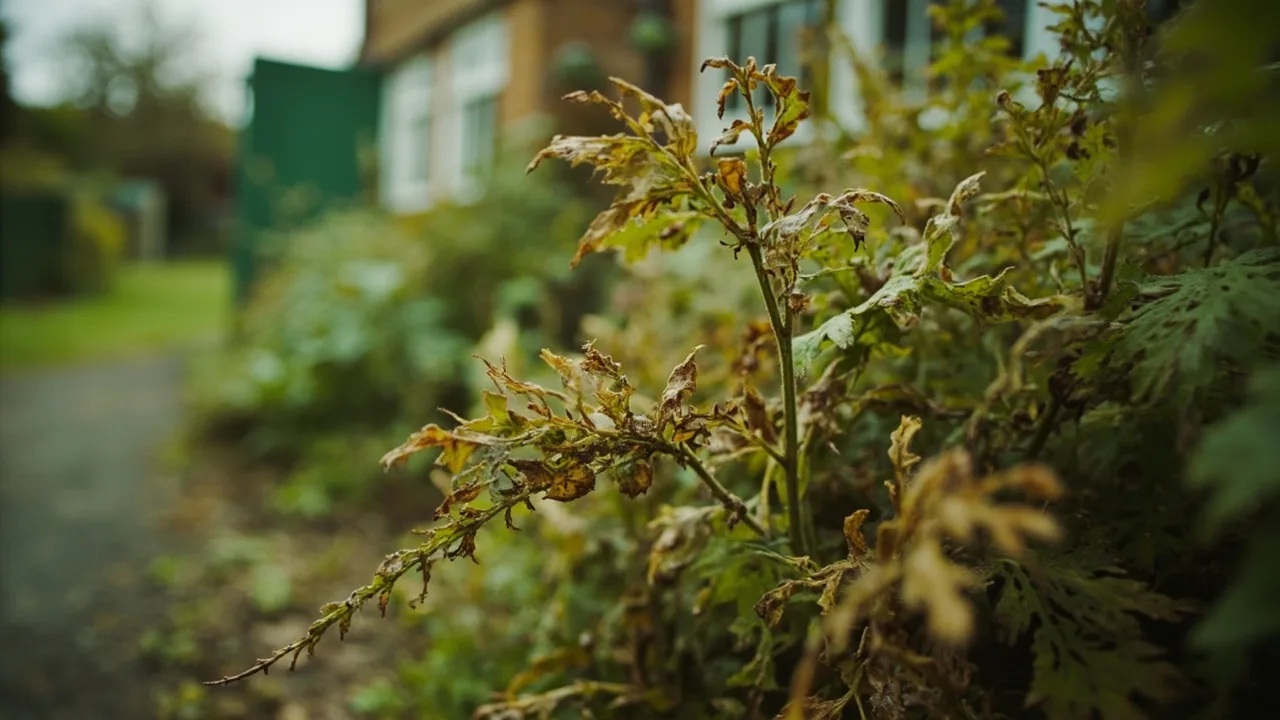
Bracken (Pteridium aquilinum) is a large, vigorous fern and one of the most difficult weeds to control on the larger UK garden, paddock or hillside plot. It spreads by a deep, far-reaching underground rhizome that stores huge energy reserves, which is why cutting the tops alone never kills it. Bracken also carries genuine health risks — to people and to livestock — so it should be handled with proper care. This guide covers how to weaken and control it, and how to do so safely.
How to identify it
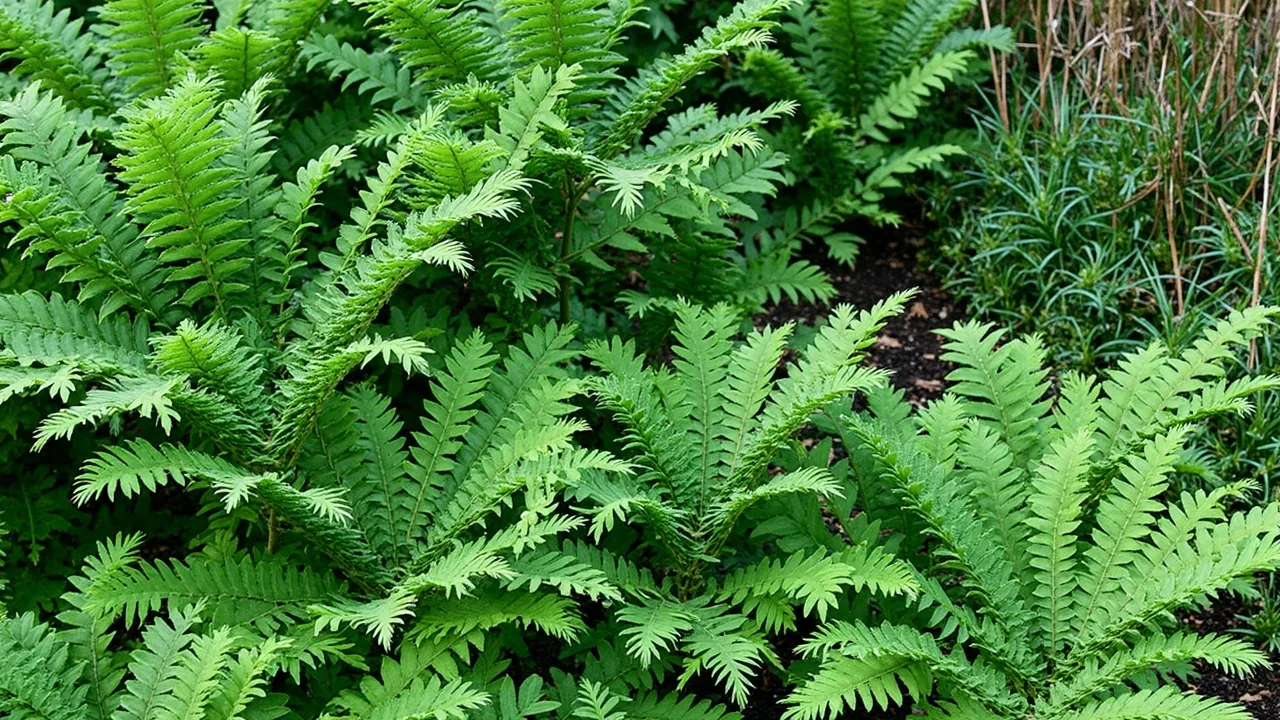
Bracken produces large, triangular, much-divided fronds rising singly from the ground on tall stalks, often reaching well over a metre and turning rusty brown in autumn before dying back. Unlike clump-forming garden ferns, it spreads outward across an area from a thick, black, branching rhizome running deep below the surface. It favours acid, free-draining soils and open or lightly wooded ground.
How to get rid of bracken
Cut or bruise the fronds repeatedly. The practical organic method is to cut, mow or crush the fronds twice each summer — typically once in June and again in July — and to repeat this every year. Each cut forces the rhizome to spend its reserves regrowing; sustained over several seasons this genuinely weakens and thins a stand. One season's cutting will not do it: persistence over years is the key.
Cut at the right time. Cutting when the fronds are nearly full height but before they release spores does most damage to the plant and avoids spreading spores. Avoid leaving it until the fronds are shedding spore dust in late summer.
Why digging rarely works. The rhizome is too deep and extensive to dig out on any but the smallest patch, and fragments left behind regrow, so excavation is impractical for established bracken.
Weedkiller. For large infestations, the herbicide asulam has historically been the standard bracken treatment, though its availability is subject to changing regulatory approval, so check the current legal status before relying on it. A glyphosate-based weedkiller can also be used on the foliage of actively growing bracken. For any large-scale chemical control, follow the label exactly and consider professional application.
Stopping it coming back
Bracken re-invades from surrounding rhizome and from spores, so control is an ongoing commitment rather than a one-off job. Keep cutting any regrowth, and where you have cleared a patch, establishing dense competing vegetation (grass or planting) helps hold the ground against re-colonisation.
When to call a professional
Large bracken stands — on a hillside, paddock or extensive plot — are genuinely a job for a contractor with the right equipment and, where appropriate, licensed herbicide application. Given the spore and livestock hazards and the need for a multi-year programme, professional help is well worth it for anything beyond a small garden patch.
Plants in this guide
Recommended Products
GardenWizz earns a commission from qualifying purchases made through affiliate links on this page (including links within the article) — as an Amazon Associate, and from Thompson & Morgan via the Awin network. This does not affect the price you pay. See our disclaimer for details.
Related Articles
More →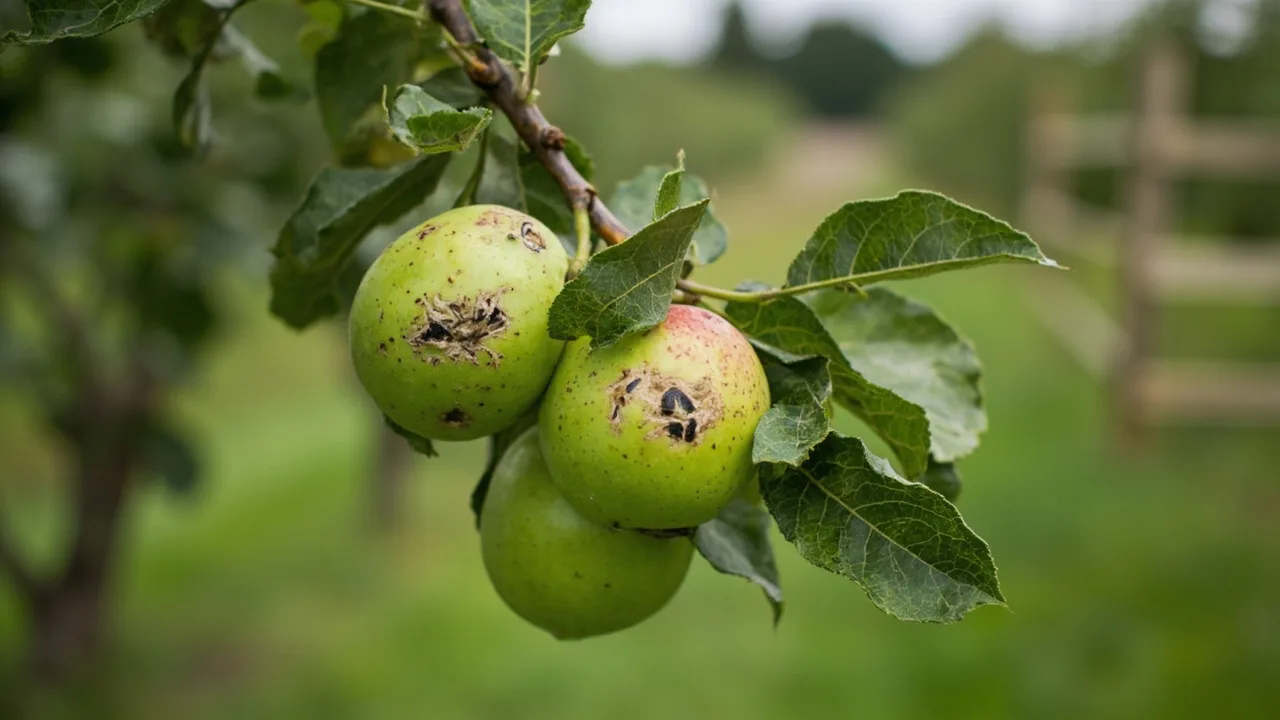 Problem Solver
Apple Scab: How to Identify and Treat It
22 July 2026Apple trees in your garden can be a source of joy, but apple scab can turn your harvest into a disappointing mess of distorted, blackened fruit. This common fungal disease, caused by Venturia…
 Problem Solver
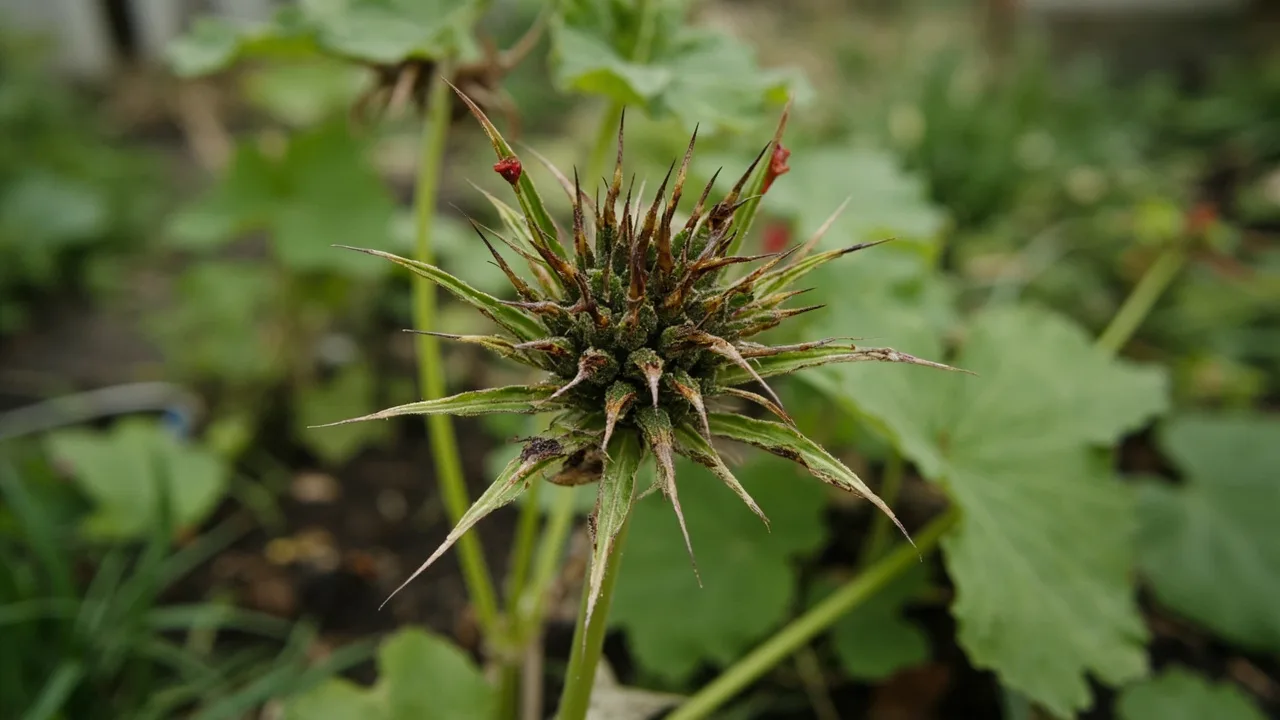
How to Get Rid of Burdock
21 June 2026Lesser burdock (Arctium minus) is a large biennial weed of UK hedgerows, waste ground and the neglected corners of gardens. In its first year it builds a broad rosette and a deep taproot; in its…
 Problem Solver
How to Get Rid of White Bryony
21 June 2026White bryony (Bryonia dioica) is a fast-growing perennial climber found scrambling through UK hedges, fences and shrubs, mainly in England. It is Britain's only native member of the cucumber family,…