
How to Grow Basil at Home
Growing perfect basil at home is a joy for any UK gardener, transforming your kitchen with fresh, aromatic leaves for pesto, salads, and sauces. As a tender annual, it thrives in warm, sunny spots…
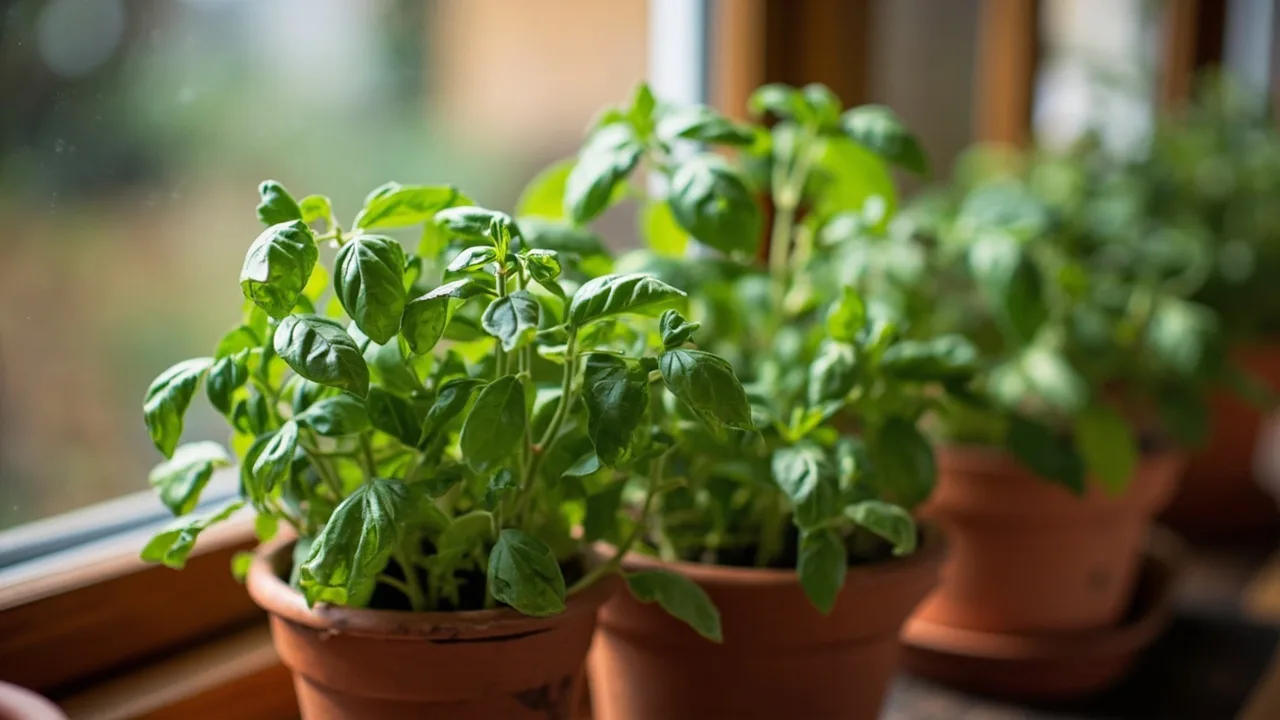
Growing perfect basil at home is a joy for any UK gardener, transforming your kitchen with fresh, aromatic leaves for pesto, salads, and sauces. As a tender annual, it thrives in warm, sunny spots but needs careful timing to avoid frost and thrive in our variable climate. This guide covers everything from choosing the right variety to harvesting, with UK-specific advice for your garden, balcony, or windowsill – no guesswork, just proven methods.
Choosing Your Basil Variety
For UK gardens, stick to proven, easy-to-grow varieties that tolerate our climate. Genovese (sweet basil) is the classic choice for pesto and Italian dishes – it’s robust, widely available in seed catalogues (e.g., Thompson & Morgan, Derry’s), and handles our summer heat well. Thai basil (Ocimum basilicum var. thyrsiflora) offers a distinct anise flavour for curries and stir-fries; it’s slightly hardier but still needs warmth. Purple basil (Ocimum basilicum 'Purpurescens') adds vibrant colour to salads and is visually striking, though its flavour is milder. Avoid 'Mrs. Burns' Lemon' – it’s not a standard UK variety and can be confusing; instead, choose true lemon basil (Ocimum × africanum) if you want citrus notes. All three are non-toxic to cats, dogs, and horses according to the RHS. For container growing on a balcony, dwarf varieties like Globe basil (Ocimum basilicum 'Minimum') are ideal, reaching just 20cm tall with compact growth.
Timing Your Planting
Basil is frost-sensitive, so timing is critical. In southern England (e.g., London, South West), start seeds indoors under glass from late March to early April. This gives seedlings a head start before the last frost (typically mid-May in London, late May in Edinburgh). For Scotland and Northern England, delay sowing until mid-April to early May – your growing season is 2-4 weeks behind the south. Never sow directly outdoors until after the last frost date (check Met Office forecasts; it’s usually 15th May in London, 25th May in Edinburgh). If you miss the window, grow it in a pot on a sunny windowsill or under a greenhouse – basil tolerates container growing well if kept warm (15-20°C). Avoid planting out too early; a cold snap will kill young plants. For raised beds, aim to plant out by June 1st in London and June 15th in Glasgow to avoid late frosts.
Sowing Seeds Indoors
Start with fresh, high-quality seed compost (not garden soil) in a seed tray or small pots. Sow seeds 1cm deep, covering lightly with compost. Place the tray in a warm spot (20-25°C) – a heated propagator is ideal but a sunny south-facing windowsill works if it stays above 15°C. Basil seeds germinate best at 34.5–39°C, but once sprouted, they need cooler conditions. Mist the compost daily to keep it moist but not soggy. Germination takes 5–10 days. Once seedlings have two true leaves (not the initial seed leaves), prick them out into individual 7.5cm pots filled with multi-purpose compost. Keep them in a bright, warm room away from drafts. Do not use garden compost for seedlings – it’s too dense and may contain pathogens. For a 10cm pot, use 10g of seed compost (approx. 30 seeds), sowing thinly to avoid overcrowding.
Transplanting Outdoors
Move seedlings outside only when all risk of frost has passed (check Met Office forecasts) and the weather is consistently warm (daytime temps above 15°C). In southern UK, this is usually late May to early June; in Scotland, aim for mid-June. Harden off seedlings first: place them outside in a sheltered spot for 2–3 hours daily, gradually increasing exposure over a week. Choose a sunny, sheltered spot – basil needs 6+ hours of direct sun, ideally south-facing. Prepare the soil by mixing in well-rotted garden compost (not for pH adjustment) to improve drainage and structure. Dig holes slightly larger than the rootball, space plants 30–40cm apart (they grow bushy), and water thoroughly after planting. For heavy clay soils in the Midlands, amend with 20% horticultural grit by volume to prevent waterlogging. Mulch around the base with 2cm of straw to retain moisture and suppress weeds – this is vital in UK summers when rainfall is unpredictable.
Ongoing Care and Pruning
Water deeply but infrequently – only when the top inch of soil feels dry. Overwatering causes root rot; basil hates soggy roots. In hot, dry spells (e.g., July in the South East), water every 2–3 days. Feed with a balanced liquid seaweed or organic tomato feed every 2–3 weeks from June onwards – use 10ml per 1L of water for potted plants, 20ml per 1L for garden beds. Prune regularly to encourage bushy growth: pinch off the top set of leaves on each stem when plants are 15cm tall. This stops flowering (which reduces leaf production) and triggers new side shoots. Remove any flower buds as soon as they appear – a single flower will make the stem woody and reduce leaf flavour. For continuous harvest, pick leaves from the top down, never stripping more than one-third of the plant at once. In August, reduce feeding to once a month as growth slows.
Harvesting for Maximum Flavour
Harvest leaves in the morning, after the dew has dried but before the sun is hot – this is when essential oils are most concentrated. For best flavour, pick leaves from the top of the plant before flowering. Use scissors or pinch with fingers to avoid damaging stems. Never harvest more than one-third of the plant at a time – this prevents stress. For drying, tie small bunches upside down in a warm, dark, airy place (not direct sun) for 2 weeks; store in airtight jars. For fresh use, store leaves in a jar of water on the windowsill, covered loosely with a plastic bag, for up to a week. Never forage for wild basil without positive identification – it can be confused with toxic plants like deadly nightshade (Atropa belladonna) or hemlock (Conium maculatum), both listed as highly toxic to humans and pets by the RHS.
Troubleshooting Common Issues
- Yellow leaves/wilting: Overwatering or poor drainage. Ensure pots have drainage holes; amend garden soil with grit or sand. In wet UK autumns, lift plants into containers to prevent root rot.
- Mildew/fungal spots: Avoid overhead watering (use a watering can at soil level); improve air circulation by spacing plants 30cm apart. Downy mildew (Peronospora belbahrii) is a risk – choose resistant varieties like 'Genovese' or 'Thai' if problems recur. Remove infected leaves immediately and dispose of them (do not compost).
- Leggy growth: Insufficient light. Move to a sunnier spot or add a 12-hour daily grow light (LED, 6500K). In Scotland, use a greenhouse to extend the growing season.
- Pests: Aphids can appear – spray with a strong jet of water or use organic insecticidal soap (e.g., Bug Clear, following label instructions for UK use).
- No flowers? Basil needs full sun to flower – if it’s not flowering, it’s likely not getting enough light or is stressed by cold. In cool UK springs, wait for consistent warmth before planting out.
Plants in this guide
Recommended Products
GardenWizz earns a commission from qualifying purchases made through affiliate links on this page (including links within the article) — as an Amazon Associate, and from Thompson & Morgan via the Awin network. This does not affect the price you pay. See our disclaimer for details.
Related Articles
More →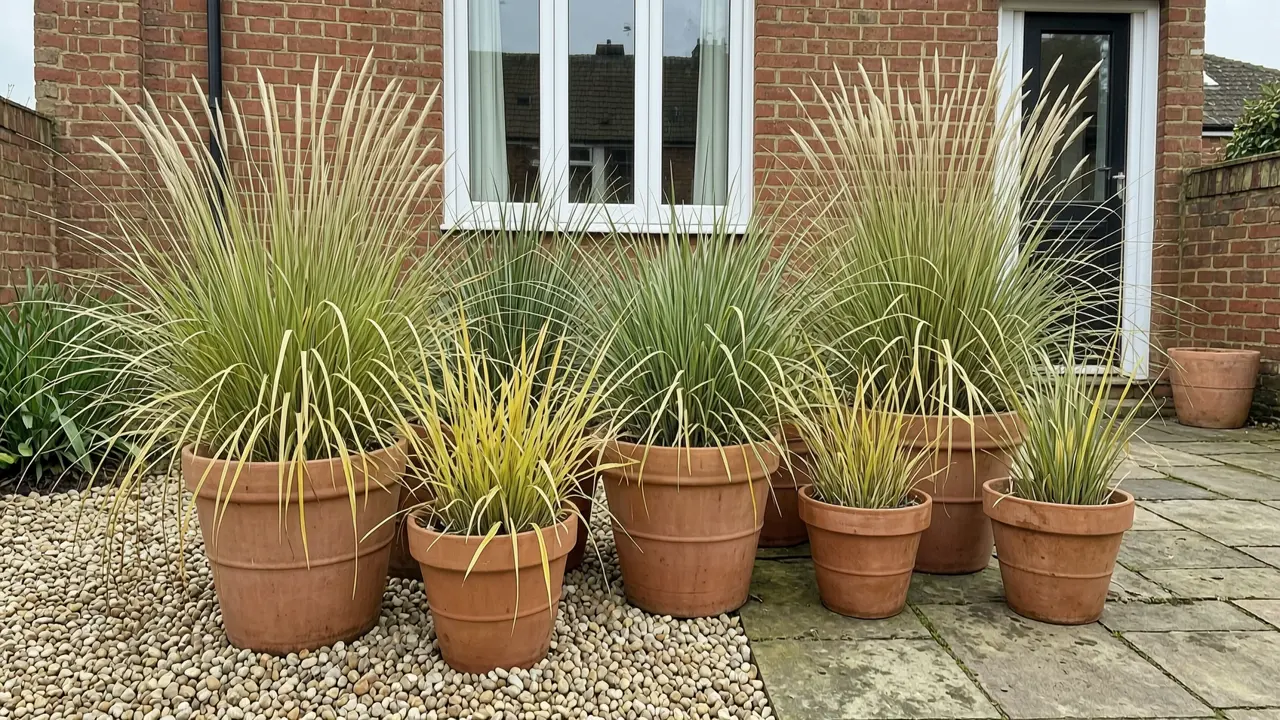 Growing Guide
How to grow ornamental grasses in pots
5 August 2026Grow ornamental grasses successfully in containers with advice on pot size, compost, watering, feeding, winter care and long-term maintenance.
 Growing Guide
How to plan a perennial border
5 August 2026Plan a balanced perennial border with practical guidance on position, colour, height, spacing, flowering succession and year-round structure.
 Growing Guide
How to take hardwood cuttings
29 July 2026Take hardwood cuttings from suitable dormant shrubs and climbers with this step-by-step guide to timing, preparation, rooting and aftercare.