
How to Grow Turnips in the UK: A Complete Guide
Summer sowing (late July to mid-August): for an autumn harvest of maincrop turnips, which can be stored or left in the ground through winter.
At a Glance
| Sow | March-April (baby), late July (maincrop) |
|---|---|
| Sun | Full sun to partial shade |
| Soil | Fertile, well-drained |
| Spacing | 10 cm (baby) or 20 cm (maincrop) apart in 25 cm rows |
| Hardiness | H5 — most UK gardens |
| Difficulty | Easy |
| Time to harvest | 6-10 weeks (baby), 10-14 weeks (maincrop) |
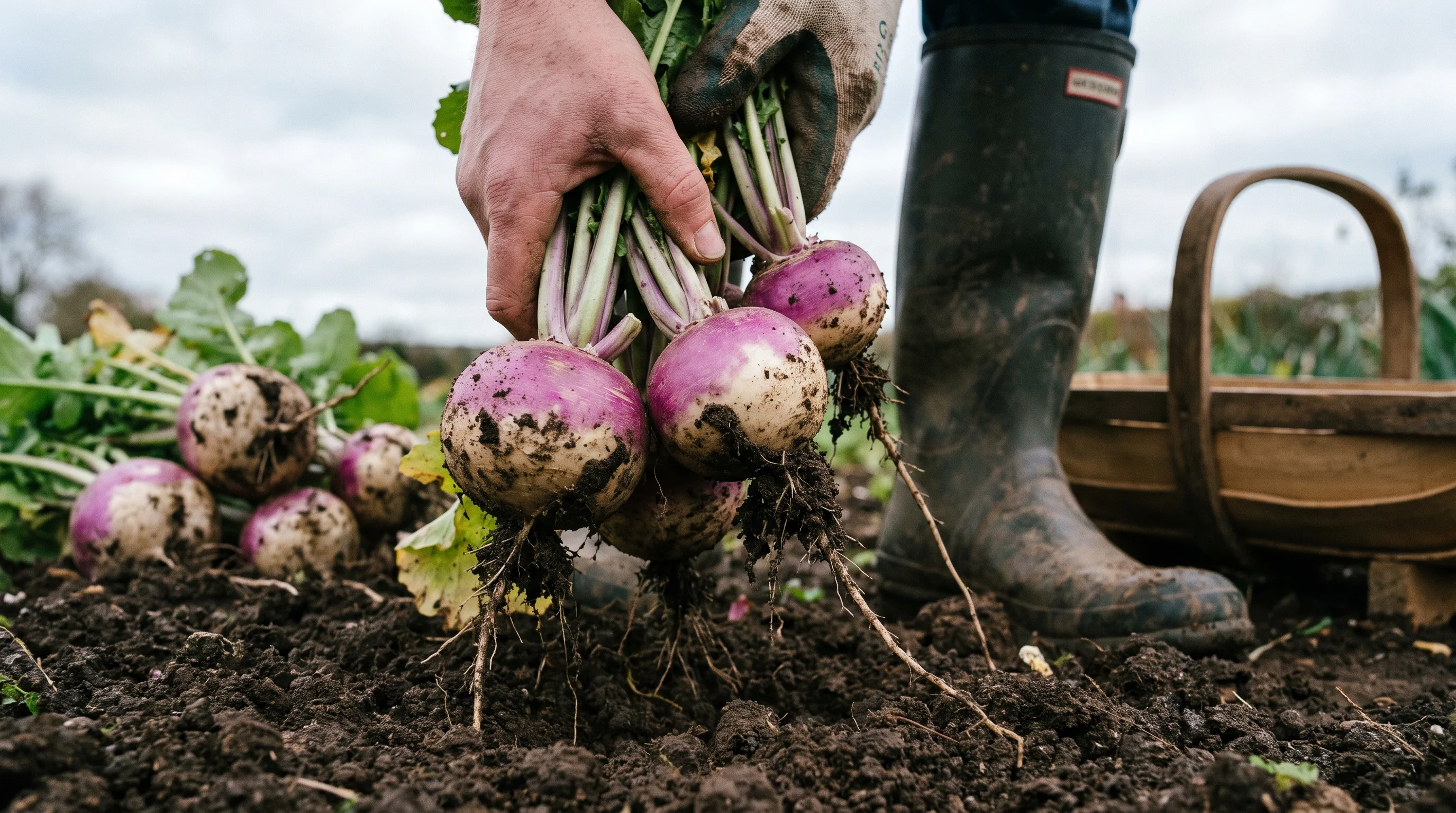
Turnips are one of the most underrated vegetables in the UK garden. Quick to grow (some varieties ready in 6–8 weeks), tolerant of poor soil, and with a flavour that’s completely different from the woody, bitter supermarket specimens — a freshly lifted baby turnip, eaten raw, is sweet, crisp, and a bit like a pear.
There are two distinct crops: baby turnips (pulled at golf-ball size, eaten raw or quickly cooked) and maincrop turnips (pulled at tennis-ball to apple size, used in stews and soups). The two need different sowing times and varieties. Most gardeners grow both.
When to sow turnips in the UK
Turnips are a cool-season crop and have two main sowing windows:
- Spring sowing (March to early May): for an early summer harvest of baby turnips. Sow direct into the ground, in a row 1 cm deep. Thin to 10 cm apart for baby turnips, 20 cm apart for maincrop. Crops in 6–10 weeks.
- Summer sowing (late July to mid-August): for an autumn harvest of maincrop turnips, which can be stored or left in the ground through winter. This is the more important sowing — maincrop turnips stand well into February and are the ones for soups and stews.
Avoid sowing in June or early July — the plants bolt in the heat. And don’t sow after late August — the roots won’t have time to size up before winter.
Choosing turnip varieties
Varieties fall into two main groups:
- Baby / salad turnips (sown spring):
- Maincrop turnips (sown summer):
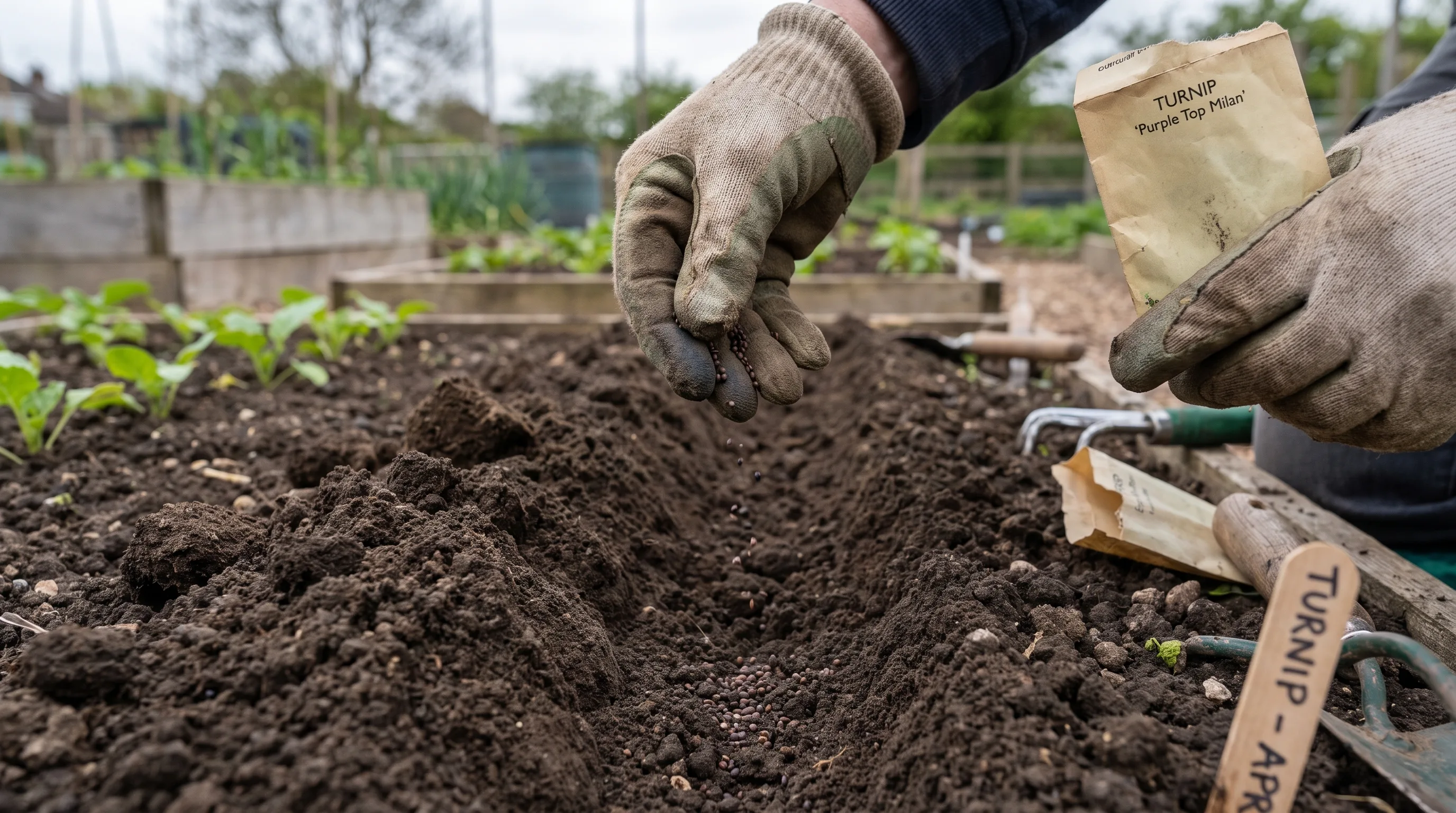
For a small garden, a March sowing of ‘Tokyo Cross’ F1 (ready in 5–6 weeks) and a late July sowing of ‘Purple Top Milan’ (ready in 8–10 weeks) covers both crops. ‘Golden Ball’ is the pick for a sweeter, more unusual maincrop.
Sowing turnips
Turnips dislike root disturbance, so always direct-sow. Draw a shallow drill 1 cm deep with a hoe, and sow thinly along the row. Cover with soil, firm gently, and water well. Sow in short rows every 2–3 weeks for a continuous harvest of baby turnips in spring, and a single maincrop sowing in late July for autumn harvest.
Germination takes 5–10 days at 10–20 °C. Thin baby turnips to 10 cm apart once they have 2–3 true leaves. Thin maincrop turnips to 20 cm apart, and use the thinnings as baby turnips in salads.
For maincrop sowings in late July, water the drill before sowing if the soil is dry. Hot dry soil in midsummer is the main reason for patchy germination.
Care: water, feed, pests
Turnips are not demanding. Water consistently — a dry spell in the first month of growth causes the roots to be small and woody. A weekly deep soak is plenty.
Don’t feed with nitrogen — turnips grown in soil that was manured the previous autumn don’t need extra fertiliser. A single potash feed (tomato fertiliser or comfrey tea) in mid-growth improves root development.
Three main pests:
- Flea beetles:
- Cabbage root fly:
- Pigeons:
Diseases: turnips are largely disease-free. The main risk is clubroot (rotation is the only reliable prevention — don’t grow any brassica in the same bed for three years).
Harvesting turnips
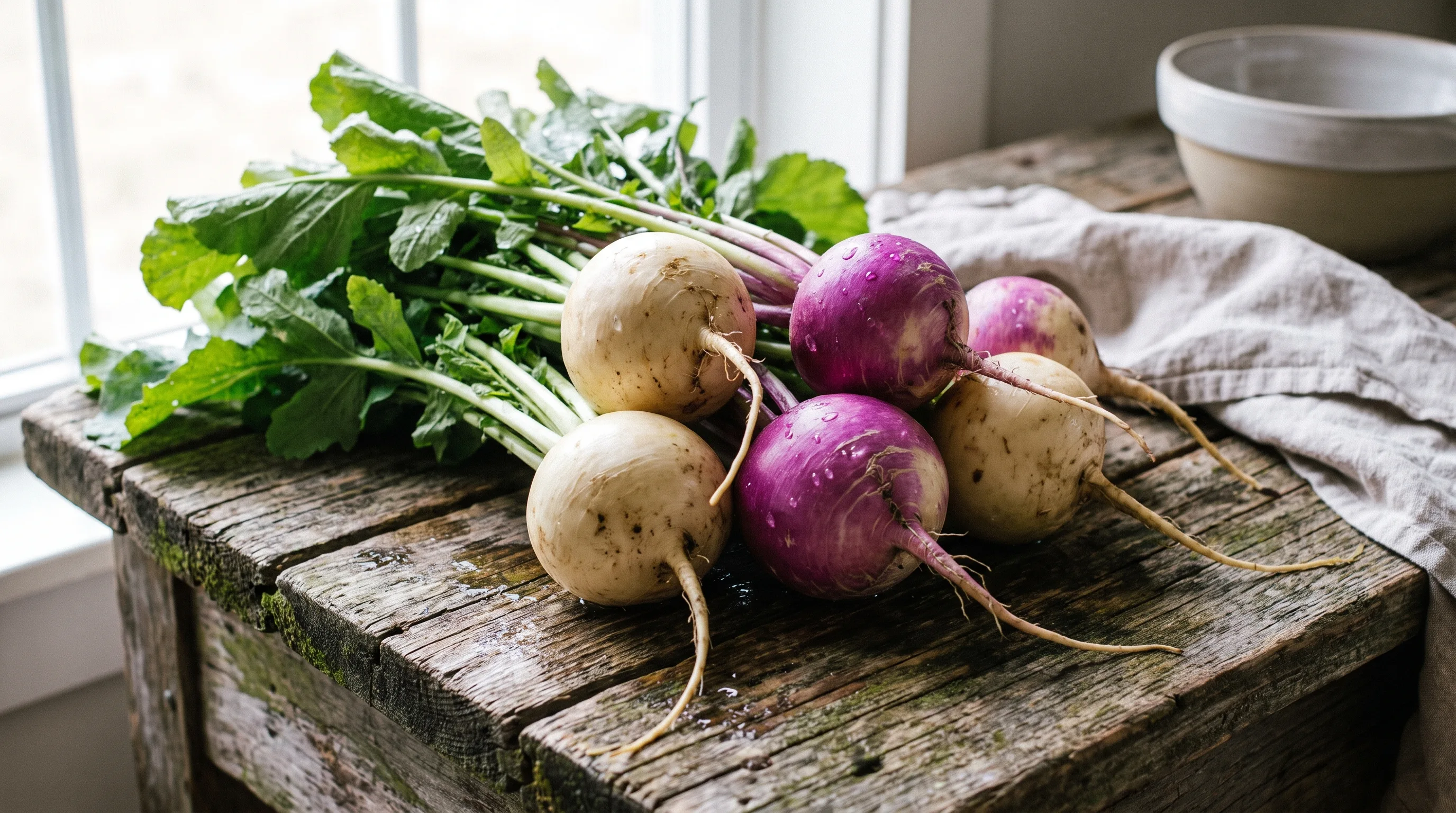
Pull baby turnips when they’re the size of a golf ball, usually 5–7 weeks after sowing. Don’t leave them longer — they go woody and lose their sweetness. The greens are also good to eat: cook them like spring greens or stir-fry with garlic.
Pull maincrop turnips when they’re the size of a tennis ball to a small apple, usually 8–12 weeks after sowing. They stand well in the ground right through to February, getting sweeter with each frost. Lift with a fork on heavy or waterlogged soils, or just pull on lighter soils.
For storage, lift the whole crop in November and store in a cool, dry shed: trim the greens to 2 cm, brush off loose soil, and lay the turnips in a single layer on newspaper. They’ll keep for 3–4 months this way.
Frequently asked questions
My turnips bolted without forming roots. What went wrong? A dry spell, hot weather, or sowing too late. Turnips are a cool-season crop — they bolt if stressed. Sow in March for baby turnips (cropping before the heat) and in late July for maincrop (cropping after the heat).
Why are my turnips woody and bitter? Either they grew too slowly (usually dry conditions or poor soil), or they were left in the ground too long. Pull baby turnips at golf-ball size, maincrop at tennis-ball size, and water consistently during growth.
Can I grow turnips in containers? Yes — choose a baby turnip variety like ‘Tokyo Cross’ F1 in a 20 cm deep container. Use a peat-free multi-purpose compost, water frequently, and sow a fresh row every 3 weeks for a continuous harvest. A 30 cm container will give 8–10 baby turnips per sowing.
Are turnip leaves edible? Yes — cook them like cabbage or stir-fry with garlic. Young baby turnip greens are particularly tender. Maincrop turnip greens are a bit tougher but still good — strip the leaves off the midrib before cooking.
How do turnips differ from swedes? Swedes (Brassica napus) are larger, slower-growing, and have yellow flesh. Turnips (Brassica rapa) are smaller, faster-growing, and have white flesh. Swedes are sown in May or June for an autumn harvest; turnips are sown in spring or late summer. Swedes are more frost-hardy.
Recommended Products
GardenWizz earns a commission from qualifying purchases made through affiliate links on this page (including links within the article) — as an Amazon Associate, and from Thompson & Morgan via the Awin network. This does not affect the price you pay. See our disclaimer for details.
Related Articles
More →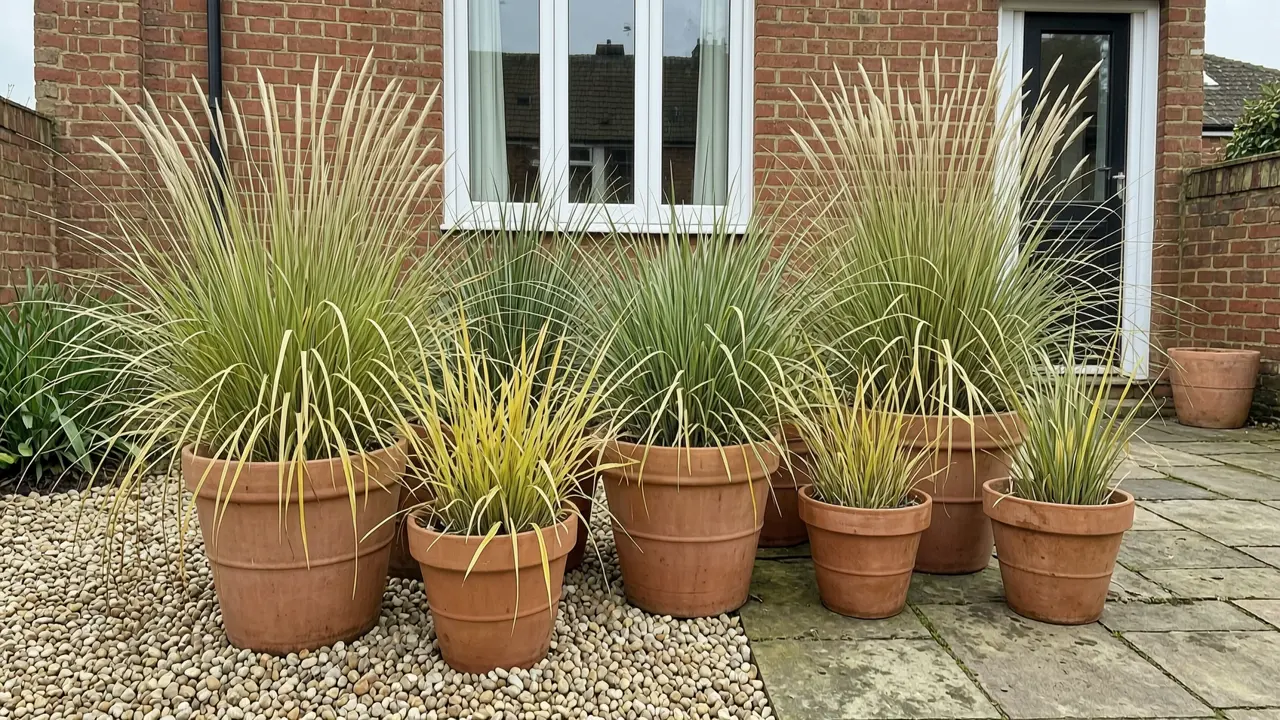 Growing Guide
How to grow ornamental grasses in pots
5 August 2026Grow ornamental grasses successfully in containers with advice on pot size, compost, watering, feeding, winter care and long-term maintenance.
 Growing Guide
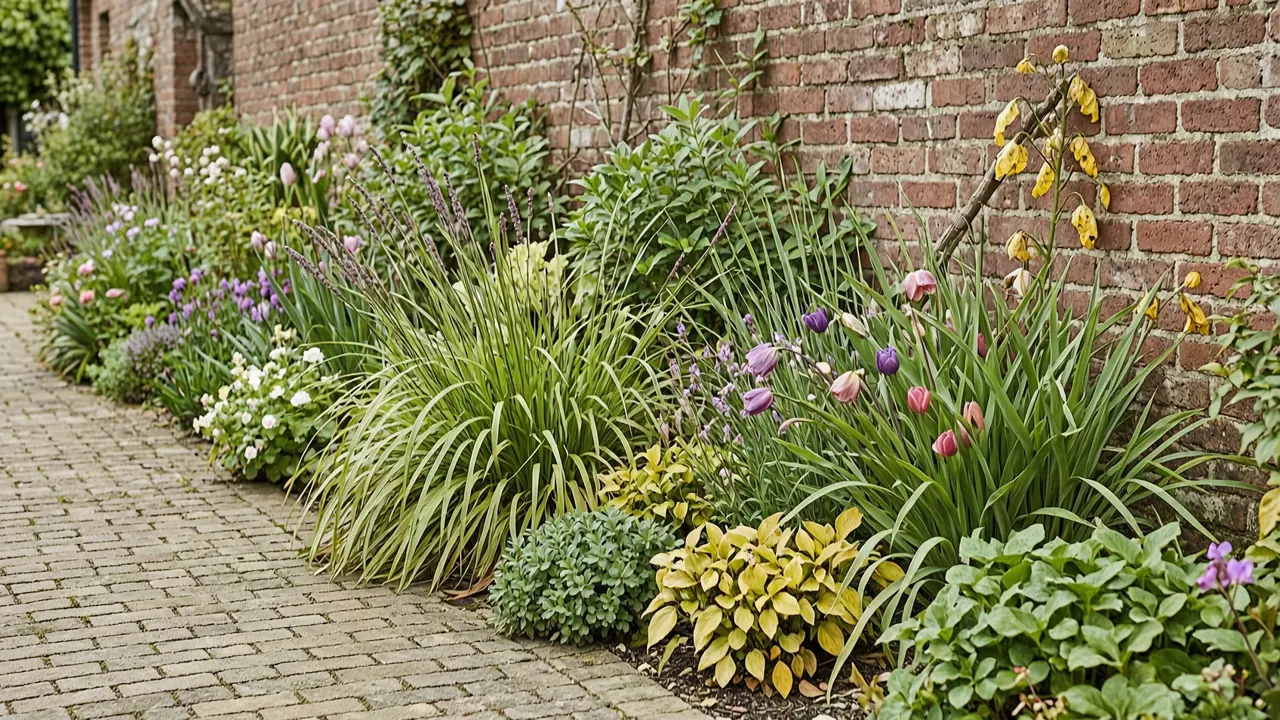
How to plan a perennial border
5 August 2026Plan a balanced perennial border with practical guidance on position, colour, height, spacing, flowering succession and year-round structure.
 Growing Guide
How to take hardwood cuttings
29 July 2026Take hardwood cuttings from suitable dormant shrubs and climbers with this step-by-step guide to timing, preparation, rooting and aftercare.