
How to Get Rid of Thistles
Thistles are among the most troublesome weeds of UK gardens, lawns and paddocks. The two you are most likely to meet are spear thistle (Cirsium vulgare), a biennial that grows a vicious rosette in…
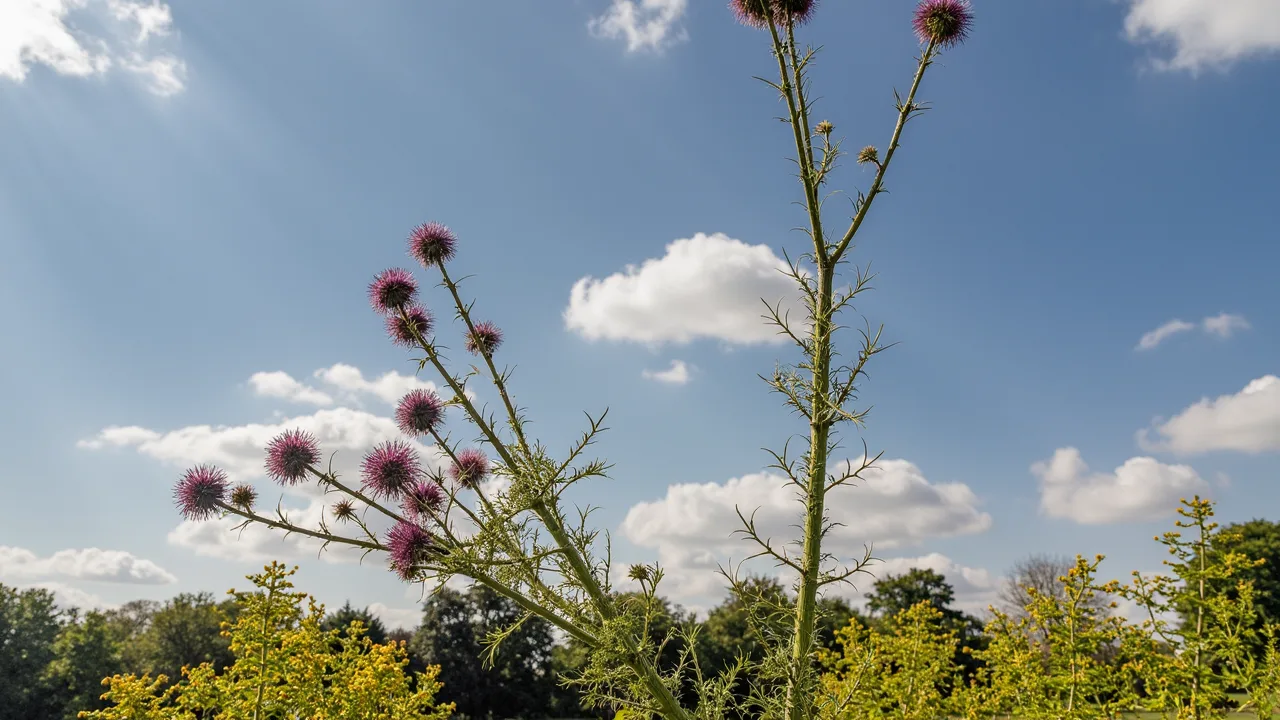
Thistles are among the most troublesome weeds of UK gardens, lawns and paddocks. The two you are most likely to meet are spear thistle (Cirsium vulgare), a biennial that grows a vicious rosette in its first year and flowers in its second, and creeping thistle (Cirsium arvense), a perennial that spreads by deep, brittle, creeping roots as well as by wind-blown seed. Both are listed as injurious weeds under the Weeds Act 1959, so there is a legal expectation not to let them spread to neighbouring land. This guide covers controlling both.
How to identify it
Spear thistle forms a large rosette of deeply lobed, extremely spiny leaves, then a tall branched stem topped with large purple flower heads on spiny bases. Creeping thistle is shorter and patch-forming, with smaller lilac-purple flowers and softer, spiny leaves, spreading underground to throw up colonies of shoots. Both produce fluffy, parachute-borne seed that drifts widely on the wind.
How to get rid of thistles
Dig out spear thistle. Because it is a biennial with a single taproot, spear thistle is best dug out in its first-year rosette stage — lever out the crown and taproot with a fork before it ever flowers. Wear thick gloves.
Exhaust creeping thistle. The perennial creeping thistle regrows from root fragments, so digging alone tends to multiply it. The organic approach is repeated cutting or hoeing: remove every shoot as it appears through the season so the plant cannot photosynthesise, and over one or two seasons the root reserves are exhausted. Patience is essential.
Cut before it seeds. Whichever species, cut the flower stems at the bud or early-flower stage before the fluffy seed forms. This is the single most important step for stopping spread, as a mature head releases hundreds of wind-borne seeds.
Weedkiller. For established creeping thistle, a glyphosate-based weedkiller applied to actively growing foliage — ideally at the bud stage when sugars move to the roots — is the most effective chemical control; in lawns, a selective broadleaf weedkiller clears thistle without harming grass. Follow the label.
Stopping it coming back
Keep on top of seedlings and never let plants flower and seed. Maintain a dense lawn or border planting, and watch boundaries with rough ground and paddocks, which are the usual source of wind-blown seed. For creeping thistle, ongoing vigilance is needed because a single missed root fragment can restart a colony.
When to call a professional
A large creeping-thistle infestation across a paddock or reclaimed plot may justify a contractor with a programme of topping and treatment — and given the legal duty to prevent spread, persistent infestations near agricultural land are worth dealing with promptly.
Recommended Products
GardenWizz earns a commission from qualifying purchases made through affiliate links on this page (including links within the article) — as an Amazon Associate, and from Thompson & Morgan via the Awin network. This does not affect the price you pay. See our disclaimer for details.
Related Articles
More →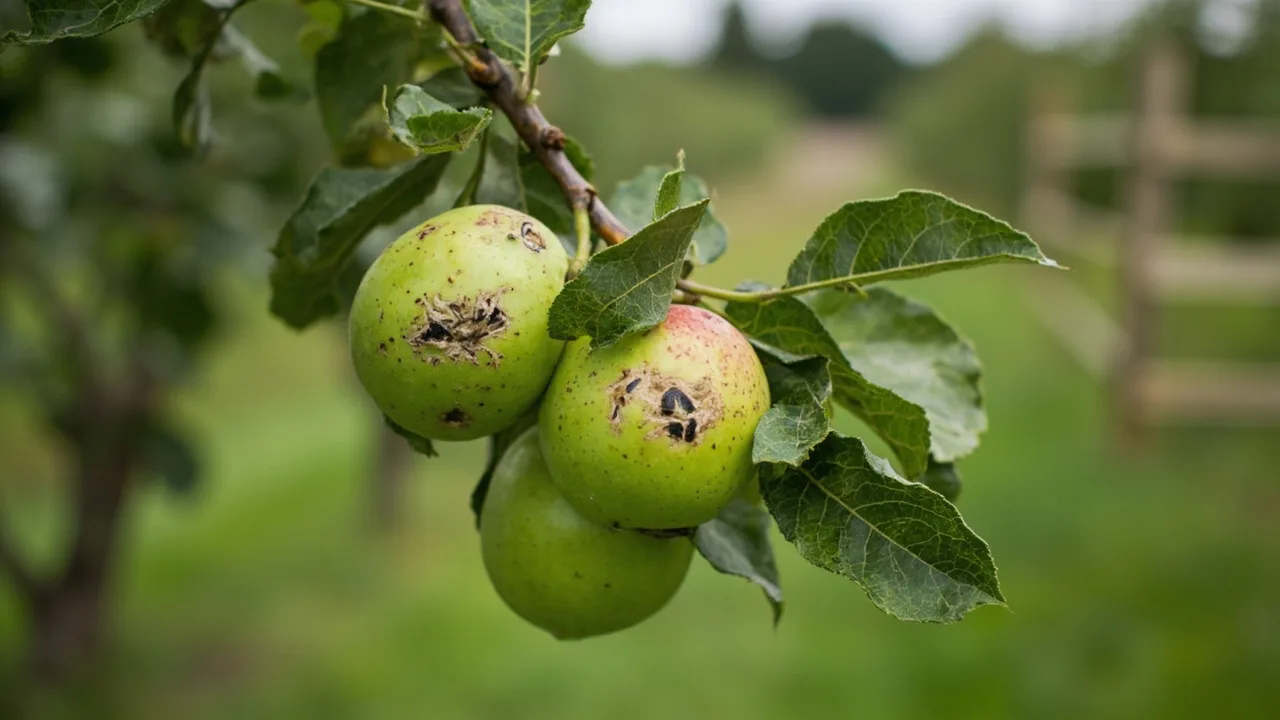 Problem Solver
Apple Scab: How to Identify and Treat It
22 July 2026Apple trees in your garden can be a source of joy, but apple scab can turn your harvest into a disappointing mess of distorted, blackened fruit. This common fungal disease, caused by Venturia…
 Problem Solver
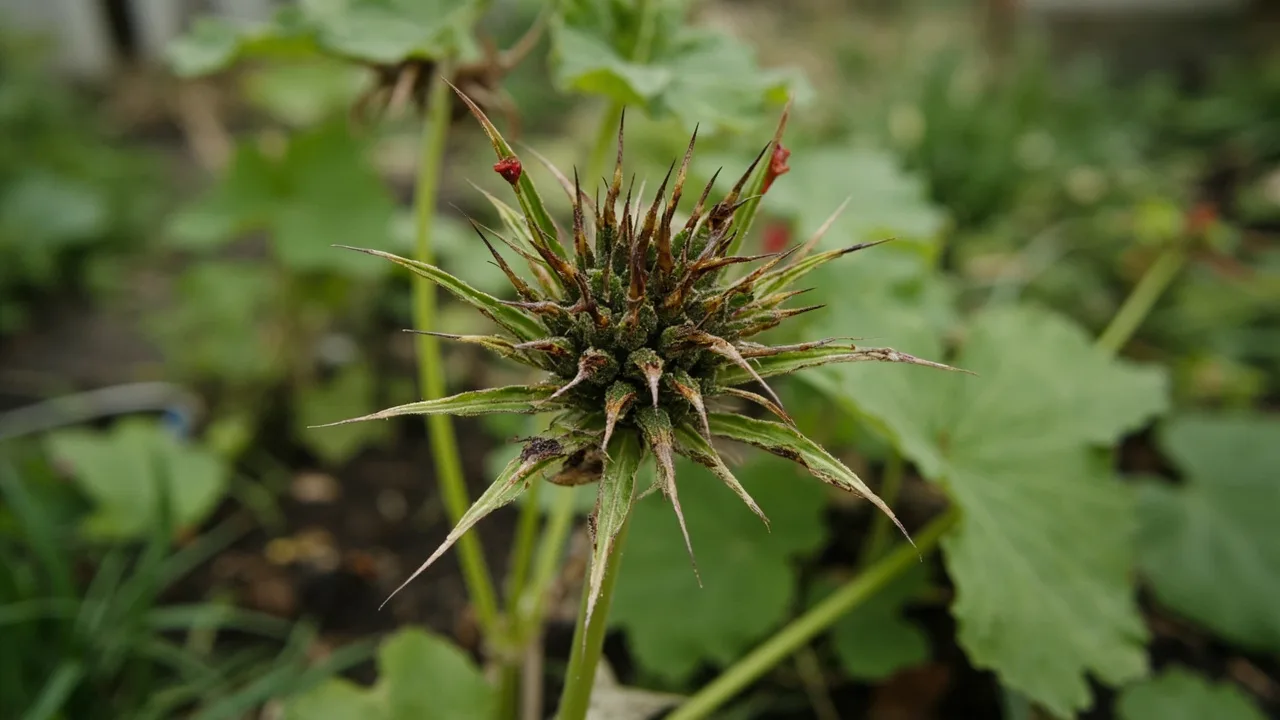
How to Get Rid of Burdock
21 June 2026Lesser burdock (Arctium minus) is a large biennial weed of UK hedgerows, waste ground and the neglected corners of gardens. In its first year it builds a broad rosette and a deep taproot; in its…
 Problem Solver
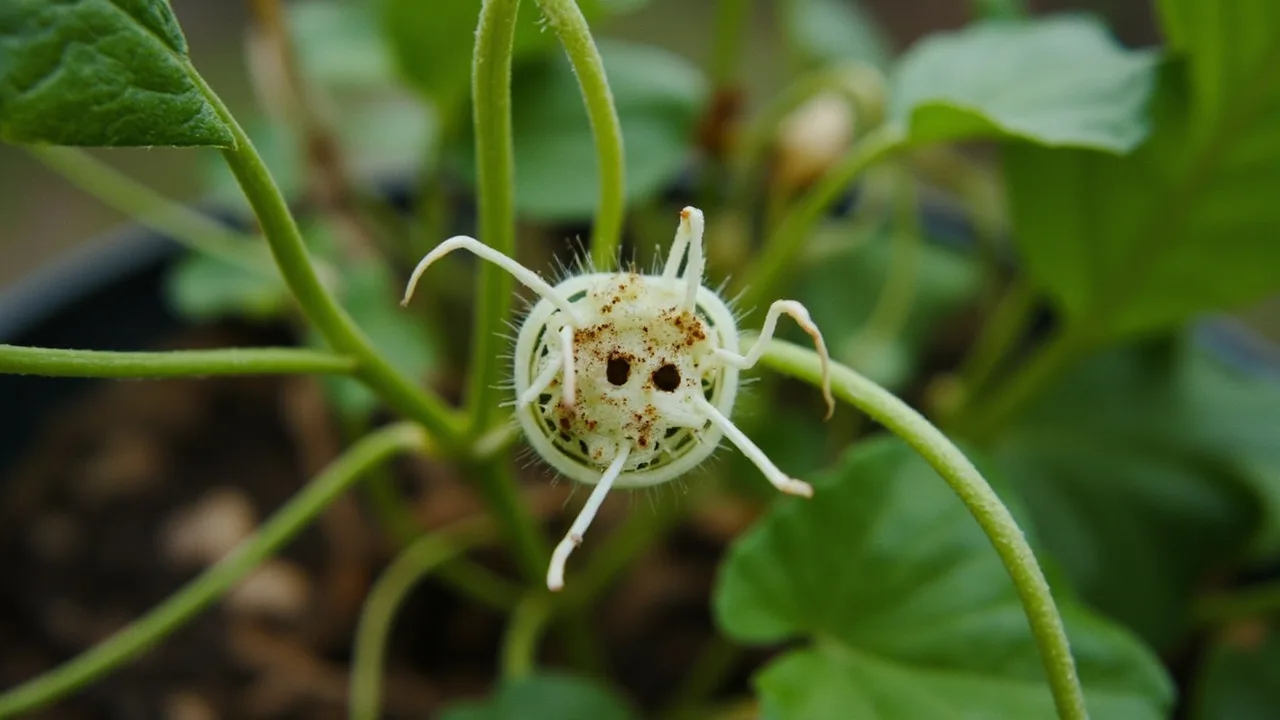
How to Get Rid of White Bryony
21 June 2026White bryony (Bryonia dioica) is a fast-growing perennial climber found scrambling through UK hedges, fences and shrubs, mainly in England. It is Britain's only native member of the cucumber family,…