
How to Get Rid of Brambles
Bramble (Rubus ulmifolius and related species) is the wild blackberry, and one of the toughest weeds to clear from a UK garden. It grows from a deep, woody root crown, throws out long arching canes…
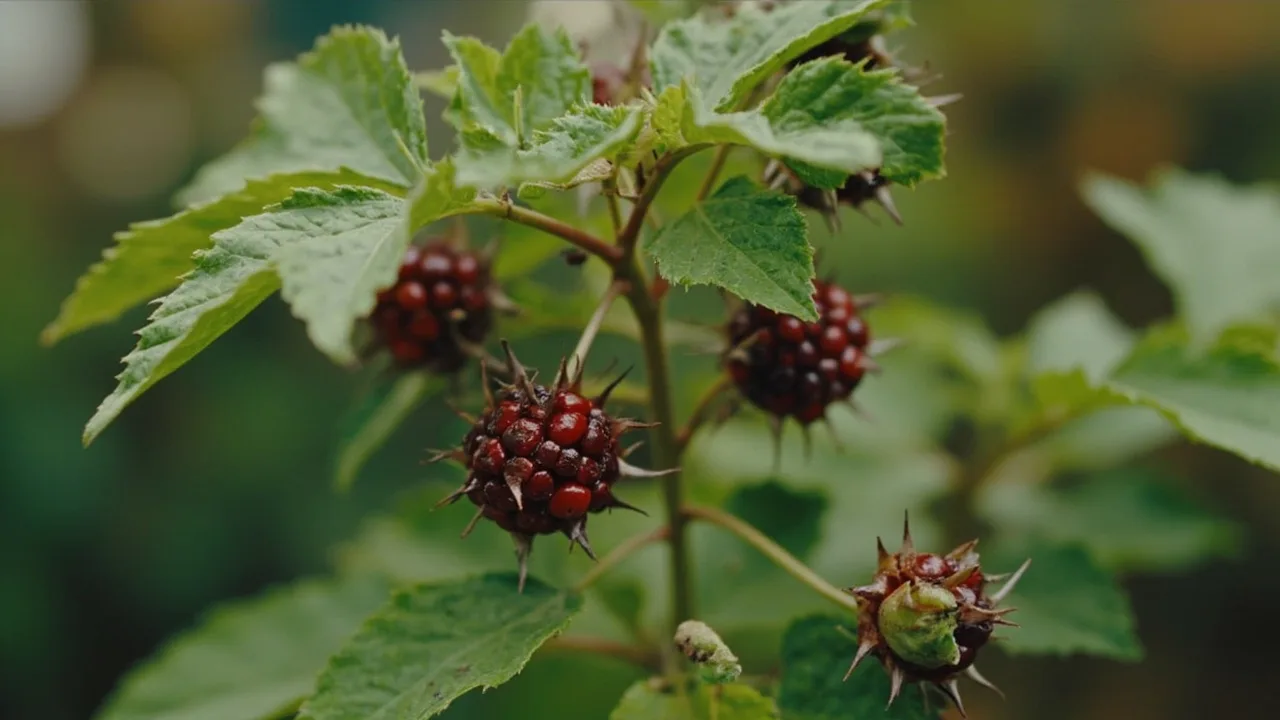
Bramble (Rubus ulmifolius and related species) is the wild blackberry, and one of the toughest weeds to clear from a UK garden. It grows from a deep, woody root crown, throws out long arching canes that root wherever their tips touch the ground, and seeds freely from fruit dropped by birds. Left alone it forms an impenetrable, thorny thicket within a few years. This guide covers how to clear it properly — the key is getting the root crown out, not just cutting the top.
How to identify it
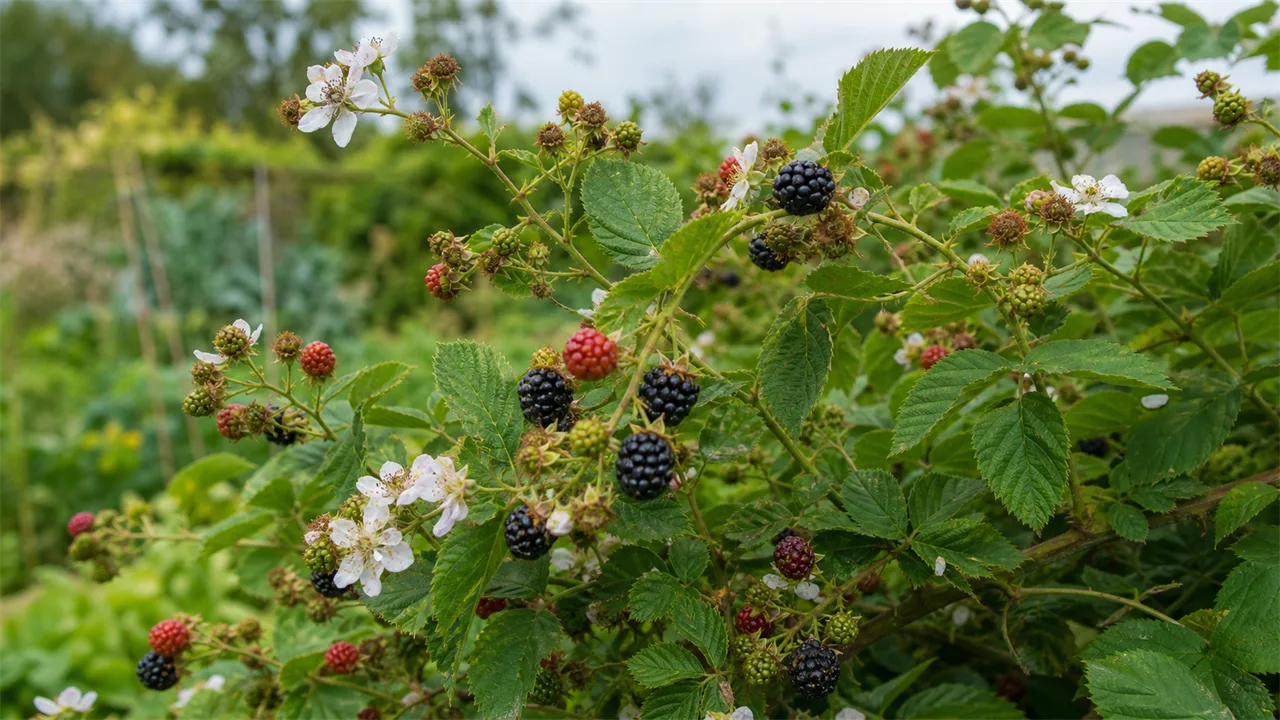
Brambles produce long, ridged, arching stems (canes) armed with curved thorns, bearing leaves divided into three or five toothed leaflets, white or pink five-petalled flowers in summer, and the familiar blackberries from late summer. Each cane can root at its tip to form a new plant, and the whole clump rises from a tough, woody crown at ground level with thick anchoring roots.
How to get rid of brambles
Cut back first. Wearing thick gloves and long sleeves, cut all the canes back to about 30 cm with loppers or a pruning saw — or a brushcutter for a large stand. This clears access and lets you see what you are dealing with. Bag and remove or burn the thorny prunings; they do not compost easily.
Dig out the crown. This is the step that matters. Loosen the soil around the cut stump with a fork or mattock and lever out the entire woody root crown and its main roots. A crown left in the ground will resprout vigorously, so take your time and get as much of the root mass as possible. On heavy clay this is hard work but it is the only reliable organic cure.
Repeated cutting. Where the roots are too deep or extensive to dig — against a fence line or in a hedge bottom — cut every flush of new growth back to the ground. Repeated removal over one or two seasons starves the crown and eventually kills it, though it requires persistence.
Weedkiller. For large or inaccessible thickets, a glyphosate- or triclopyr-based weedkiller is effective applied to the foliage of actively growing regrowth in late summer or early autumn, when the plant is moving sugars down to the roots. Treating the fresh leaves that appear a few weeks after an initial cut gives the best uptake. Follow the label and keep spray off desirable plants.
Stopping it coming back
Pull up self-rooted cane tips and seedlings as soon as you spot them — they are easy to remove young but quickly anchor. Keep an eye on hedge bottoms, fence lines and the boundaries with neglected ground, which is where brambles re-invade. A dense border planting or a mown edge denies new seedlings the gap they need.
When to call a professional
A large, established thicket — especially one tangled through a valued hedge, over a bank, or covering a reclaimed plot — is often best tackled by a contractor with a brushcutter and a follow-up treatment programme. Clearing the top is quick; the value of a professional is in the systematic root removal and the return visits that actually finish the job.
The silver lining
A managed bramble in a wild corner earns its keep: the flowers are excellent for pollinators, the dense thorny growth shelters nesting birds, and the blackberries feed both wildlife and the kitchen. Many gardeners keep one cropping plant trained against a back fence and clear brambles only where they encroach.
Plants in this guide
Recommended Products
GardenWizz earns a commission from qualifying purchases made through affiliate links on this page (including links within the article) — as an Amazon Associate, and from Thompson & Morgan via the Awin network. This does not affect the price you pay. See our disclaimer for details.
Related Articles
More →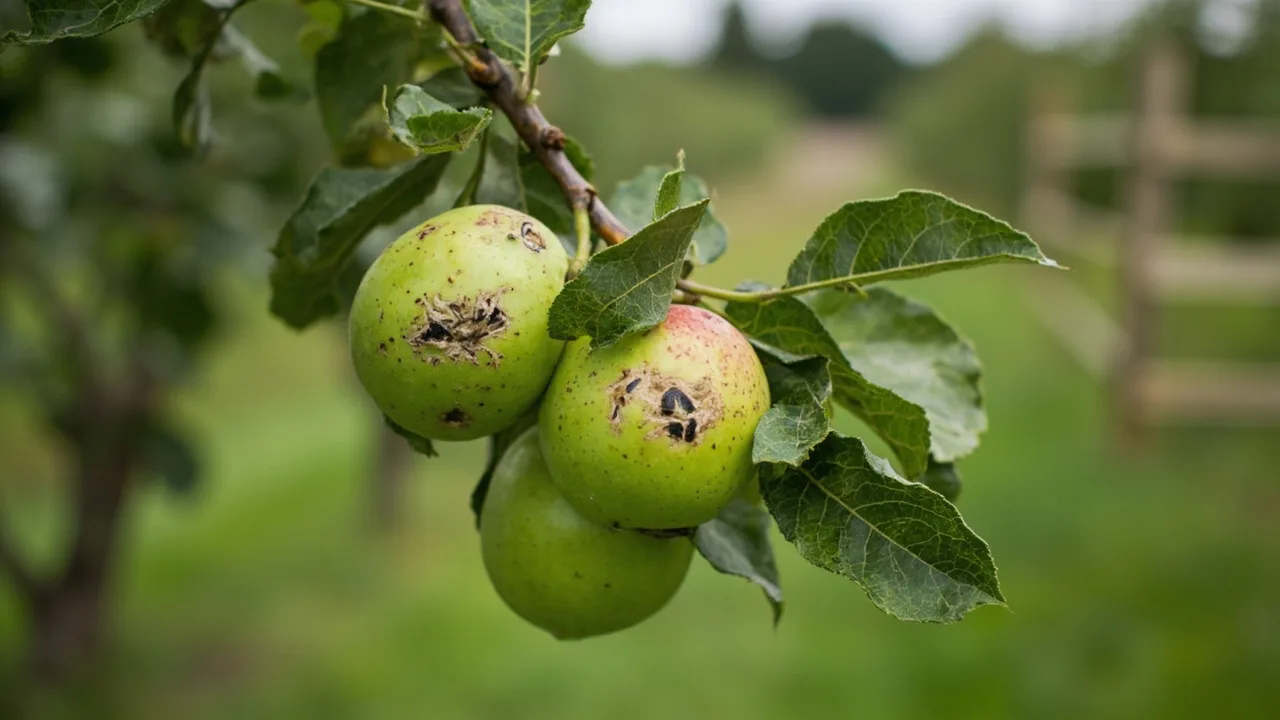 Problem Solver
Apple Scab: How to Identify and Treat It
22 July 2026Apple trees in your garden can be a source of joy, but apple scab can turn your harvest into a disappointing mess of distorted, blackened fruit. This common fungal disease, caused by Venturia…
 Problem Solver
How to Get Rid of Burdock
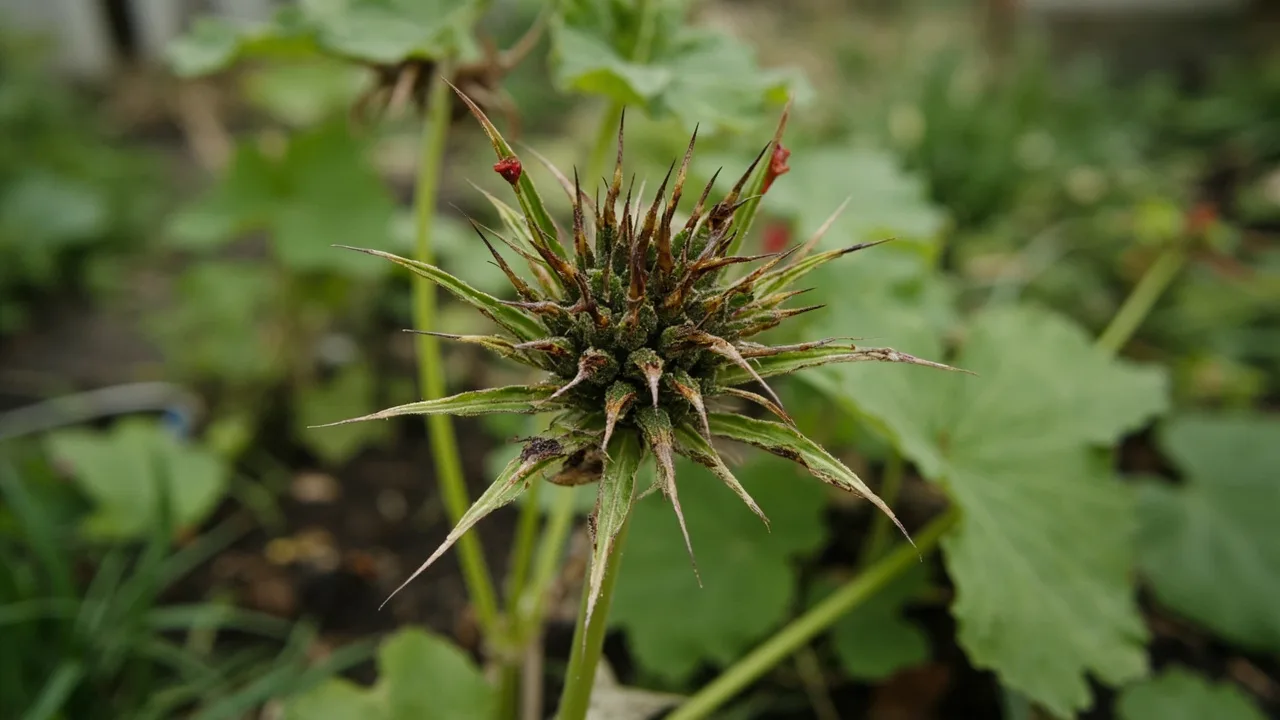
21 June 2026Lesser burdock (Arctium minus) is a large biennial weed of UK hedgerows, waste ground and the neglected corners of gardens. In its first year it builds a broad rosette and a deep taproot; in its…
 Problem Solver
How to Get Rid of White Bryony
21 June 2026White bryony (Bryonia dioica) is a fast-growing perennial climber found scrambling through UK hedges, fences and shrubs, mainly in England. It is Britain's only native member of the cucumber family,…