
How to Get Rid of Chickweed
Common chickweed (Stellaria media) is one of the fastest-spreading annual weeds in UK gardens. It germinates almost year-round, forms a low spreading mat over bare soil in weeks, and races through…
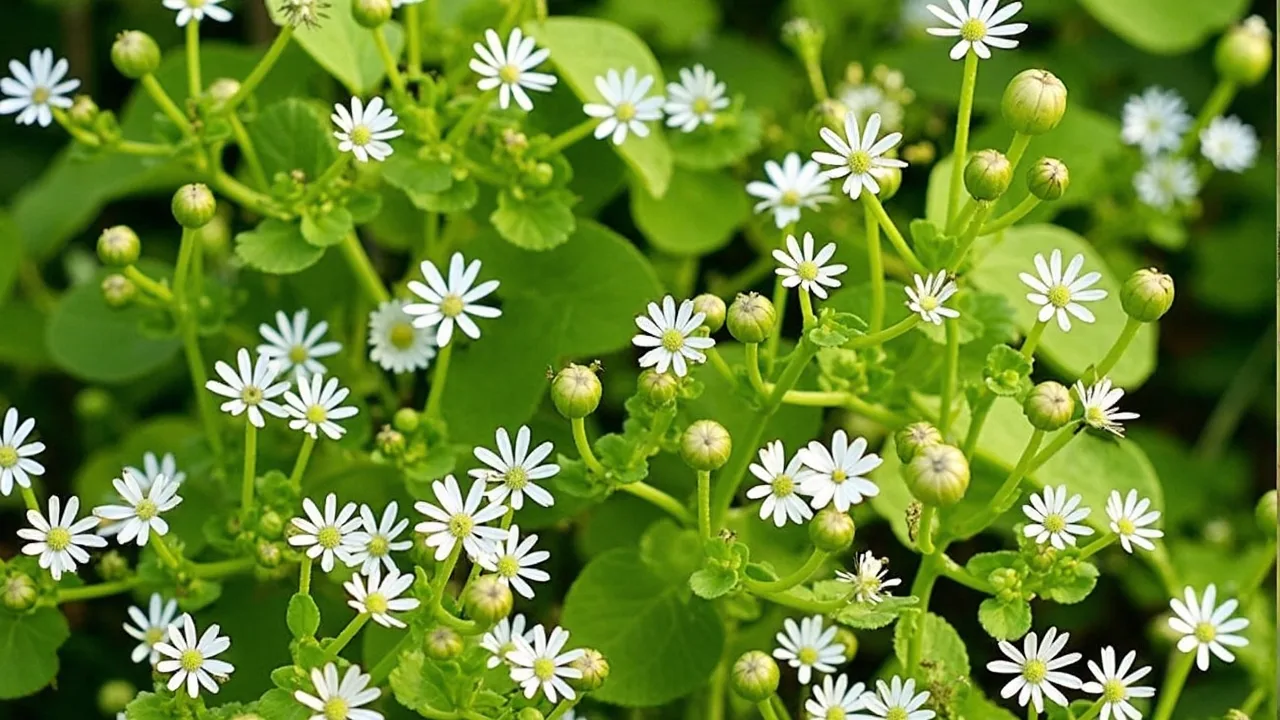
Common chickweed (Stellaria media) is one of the fastest-spreading annual weeds in UK gardens. It germinates almost year-round, forms a low spreading mat over bare soil in weeks, and races through its life cycle — a single plant can set seed within five or six weeks and several generations can appear in one season. The good news is that it is shallow-rooted and very easy to remove; the whole battle is simply keeping ahead of its seeding. This guide covers how.
How to identify it
Chickweed forms sprawling mats of weak, branching stems with small, pointed, oval leaves in opposite pairs, and tiny white star-shaped flowers (each with five deeply notched petals that look like ten). A single line of fine hairs runs along one side of the stem — a useful identifying feature. The roots are shallow and fibrous, so plants lift easily.
How to get rid of chickweed
Hoe on a dry day. The quickest method is to run a hoe through beds and borders on a warm, dry day; the shallow-rooted plants are severed and shrivel in the sun. Do this little and often and chickweed never gets established.
Hand-pull. Mats pull up easily and cleanly when the soil is moist. Remove plants before they flower — chickweed flowers and seeds even on small plants, so do not leave pulled material lying on the bed, as it can re-root or ripen seed; bag it or compost it hot.
Mulch. Because it only colonises bare ground, a layer of organic mulch over borders is the single most effective long-term control, smothering germinating seed. Keeping vegetable ground cropped or covered does the same.
Weedkiller is seldom worth it. Chickweed is so easily hoed and pulled that chemicals are rarely justified. When clearing a heavily infested area before planting, a contact or glyphosate weedkiller will clear it, but cultivation is usually faster.
Stopping it coming back
The rule is simple: never let it seed. Clear plants while young, keep soil mulched or planted, and stay on top of new flushes after rain or cultivation, when fresh seed germinates en masse. Because the seed is short-lived compared with weeds like dock, consistent removal over a season or two genuinely reduces the problem.
The silver lining
Chickweed is edible — the young growth is a mild, fresh-tasting salad leaf — and it provides ground cover and seed for birds. It is a harmless, easily managed annual rather than a damaging invader, so there is no need for drastic measures: regular hoeing is all it takes.
Recommended Products
GardenWizz earns a commission from qualifying purchases made through affiliate links on this page (including links within the article) — as an Amazon Associate, and from Thompson & Morgan via the Awin network. This does not affect the price you pay. See our disclaimer for details.
Related Articles
More →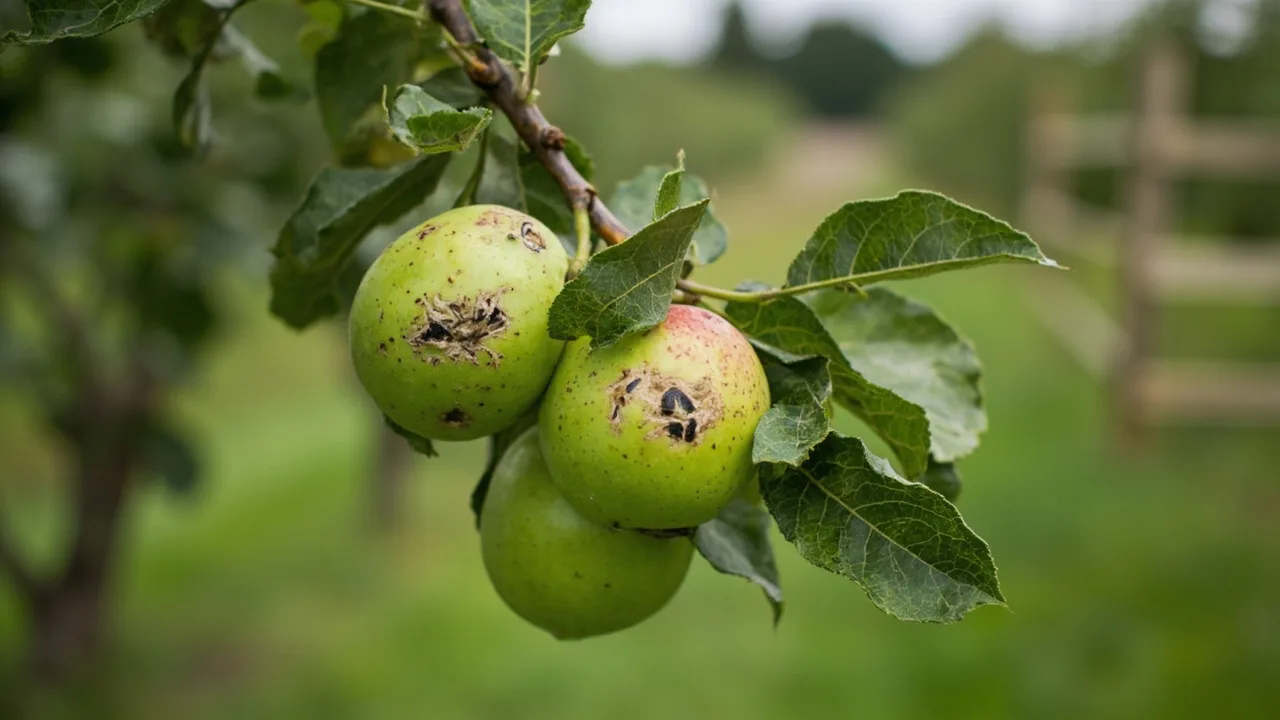 Problem Solver
Apple Scab: How to Identify and Treat It
22 July 2026Apple trees in your garden can be a source of joy, but apple scab can turn your harvest into a disappointing mess of distorted, blackened fruit. This common fungal disease, caused by Venturia…
 Problem Solver
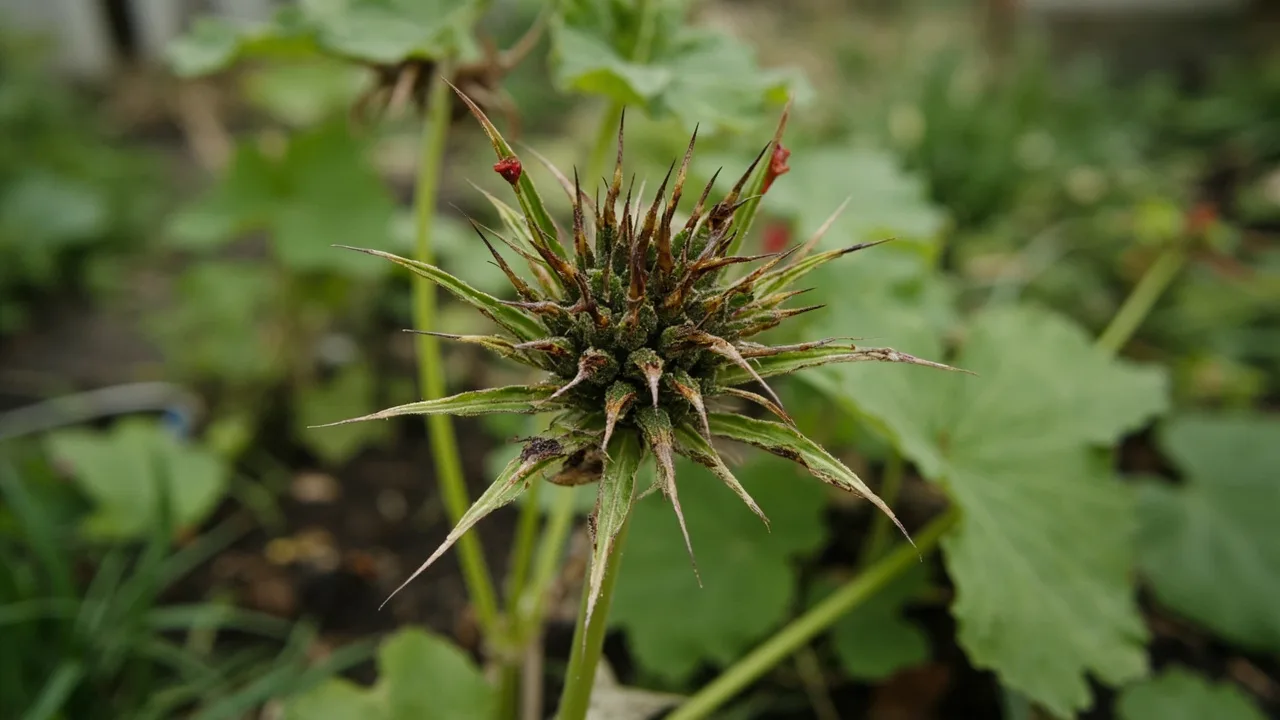
How to Get Rid of Burdock
21 June 2026Lesser burdock (Arctium minus) is a large biennial weed of UK hedgerows, waste ground and the neglected corners of gardens. In its first year it builds a broad rosette and a deep taproot; in its…
 Problem Solver
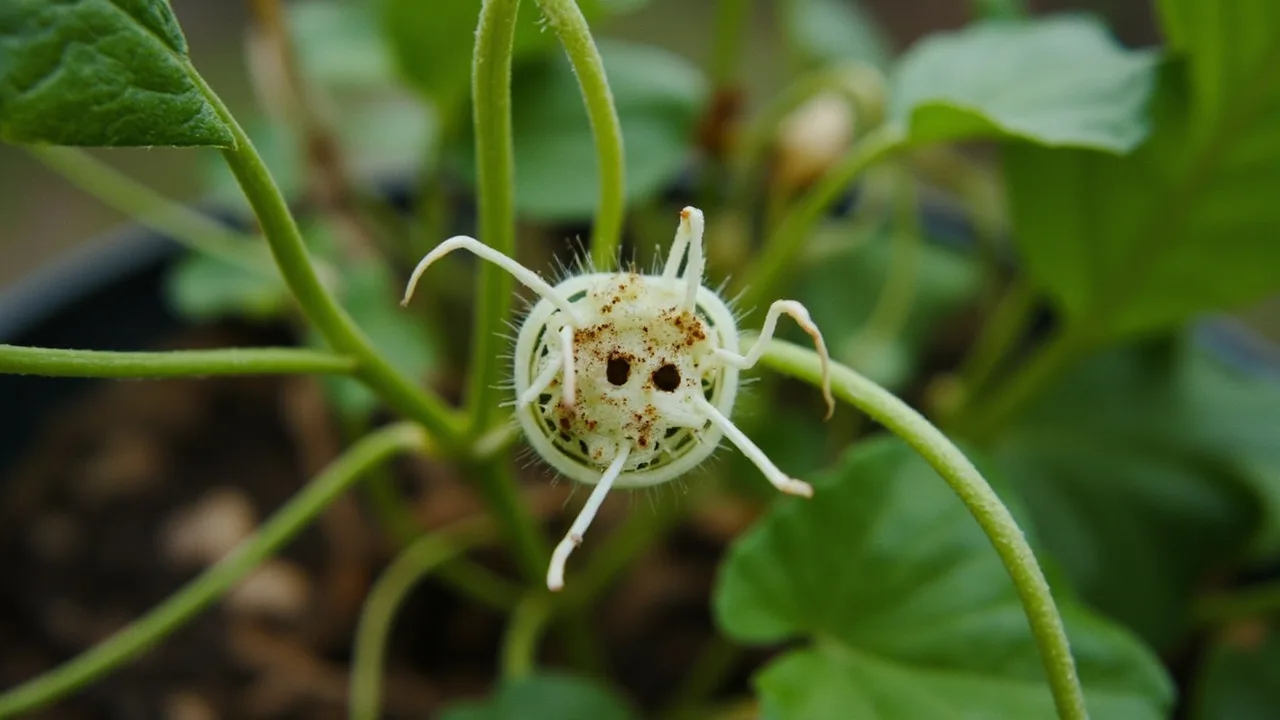
How to Get Rid of White Bryony
21 June 2026White bryony (Bryonia dioica) is a fast-growing perennial climber found scrambling through UK hedges, fences and shrubs, mainly in England. It is Britain's only native member of the cucumber family,…