
Container Gardening for Beginners: Pots, Compost and Care
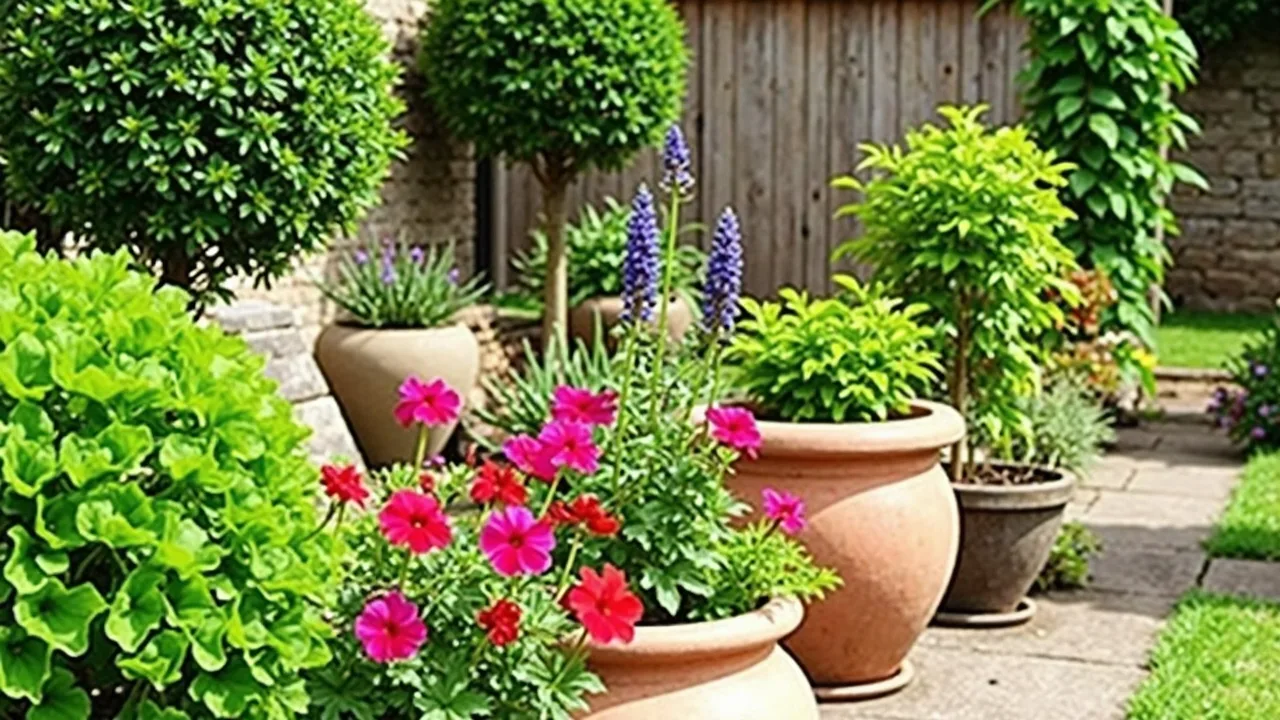
Container gardening unlocks endless possibilities for UK gardeners, whether you’re nurturing herbs on a tiny patio or growing salad greens on a windswept balcony. With the right pots, compost and care, you’ll enjoy fresh produce and vibrant blooms without needing a patch of soil. Forget the myth that containers are hard work—this guide cuts through the confusion with straightforward, UK-tested advice for your first season.
Choosing Your Perfect Container
Your container choice directly impacts plant health, so pick wisely. Terracotta pots (still popular in UK garden centres) offer breathability but dry out fast in our variable weather, making them ideal for herbs like rosemary or thyme. Plastic pots retain moisture better, perfect for moisture-loving plants such as mint or chives, and are lighter for balcony use. Avoid repurposing containers without drainage holes—like old tins—unless you drill holes first (use a nail and hammer). For small spaces, window boxes fit snugly on south-facing sills (maximising UK sunlight) and suit compact plants like dwarf tomatoes or lettuce. Hanging baskets, filled with trailing plants such as ivy or pansies, add vertical interest without taking up floor space—ideal for narrow balconies.
Key UK container tips:
- Size matters: Use at least 15cm (6-inch) pots for herbs, 30cm (12-inch) for dwarf tomatoes.
- Drainage is non-negotiable: Add a layer of broken crockery or gravel in the base to prevent root rot.
- Wind protection: Place tall containers against walls or use heavy-duty pots on balconies—UK gusts can topple lightweight ones.
The Compost You Need (And Why It’s Crucial)
Forget garden soil—container plants need a lightweight, moisture-retentive compost. UK garden centres sell specialist potting composts (look for "container" or "potting" on the bag), which are free-draining and nutrient-rich. Avoid garden soil, as it compacts in pots, suffocating roots. For edibles, choose a multi-purpose compost mixed with slow-release organic fertiliser (e.g., John Innes No. 2), as it sustains plants through our damp springs. For herbs, a loam-based compost works well. Never use "compost" from your garden heap—it’s too dense and may contain weed seeds.
Pro UK compost tips:
- Quantity: Fill pots 3/4 full for easy planting; leave 5cm space below the rim for watering.
- Eco-choice: Opt for peat-free compost (e.g., Crocus or Westland) to protect UK bogs.
- Feeding: Mix a handful of slow-release pellets into the compost at planting—essential for UK’s short growing season.
Top Plant Picks for UK Beginners
Start simple with resilient, fast-growing plants suited to containers. Herbs like chives, mint (in a separate pot—mint invades others!), and parsley thrive in sunny window boxes. For edibles, choose compact varieties: 'Rocket' salad leaves (sow in March), 'Patio Cherry' tomatoes (dwarf, needs 30cm pot), or 'Chilli Fire' peppers (for sunny balconies). Flowers like pansies or dwarf marigolds add colour and attract pollinators. Avoid large plants like full-sized cucumbers—they need more space than most UK containers offer.
UK-friendly planting calendar:
- March–April: Sow salad leaves, radishes, or herbs indoors (under a propagator or warm windowsill).
- May: Plant tomatoes, chillies, and flowers outdoors once frost risk passes (late May is safer in most UK zones).
- Year-round: Grow mint, chives, or parsley indoors on a sunny windowsill—ideal for winter.
Planting & Positioning for Success
Position plants where they’ll get 4–6 hours of direct sun daily—south-facing balconies are prime real estate. In the UK, avoid north-facing spots unless growing shade-tolerant plants like mint. For herbs, place pots on a sunny windowsill or balcony rail; tomatoes need full sun (south or west-facing). When planting, gently loosen roots, place in the pot, and fill with compost, firming lightly. Leave 2cm space below the rim for watering. Never plant directly into a pot without compost—use a layer of crockery for drainage first.
UK-specific positioning hacks:
- Wind: Place containers behind a screen (e.g., a trellis) on exposed balconies.
- Rain: Move pots under an eaves during heavy downpours—UK storms can oversaturate roots.
- Temperature: Move tender plants (like tomatoes) indoors if temperatures drop below 10°C (late April frosts are common).
Watering, Feeding & Maintenance
Watering is the trickiest part—UK weather means you’ll water less in damp spring but more in dry summer. Check soil daily: stick your finger 2cm deep; if dry, water thoroughly until it drains from the bottom. Never let plants sit in water. Feed every 2–3 weeks with a liquid seaweed feed (e.g., Growmore) from May to August—this compensates for nutrients leaching in our frequent rain. Pinch back herbs like basil to encourage bushiness, and deadhead spent flowers to prolong blooms.
UK watering checklist:
- Spring: Water every 2–3 days (less if rainy).
- Summer: Water daily—UK heatwaves dry pots fast.
- Autumn: Reduce to every 4 days as temperatures drop.
Repotting: When and How
Plants outgrow pots fast—re-pot when roots circle the pot’s edge (usually every 1–2 years). In the UK, the best time is early spring (March/April), before active growth. Gently lift the plant, loosen roots, and transfer to a pot 5cm larger in diameter. Fill with fresh compost, water well, and place in a shaded spot for 3 days to recover. Never use a pot much larger than needed—excess soil holds too much moisture, inviting rot.
Repotting steps for UK beginners:
- Choose a pot 5cm wider than current one (e.g., 15cm → 20cm).
- Water the plant 24 hours beforehand to ease root removal.
- Fill new pot 1/3 full with compost, place plant, and fill gaps.
- Water thoroughly and keep out of direct sun for 3 days.
#UKGardening #ContainerGardening #BeginnerGardener #BalconyGardening #UKGardenTips #EdibleGardening #GardenWizz
As an Amazon Associate, GardenWizz earns from qualifying purchases made through links on this page (including links within the article). This does not affect the price you pay. See our disclaimer for details.