
How to Get Rid of Red Dead-nettle
Understand the signs and take informed steps to protect your plants.
Search plant problems →Red dead-nettle (Lamium purpureum) is a common annual weed of UK borders, vegetable beds and bare ground, appearing from early spring.

Red dead-nettle (Lamium purpureum) is a common annual weed of UK borders, vegetable beds and bare ground, appearing from early spring. Despite the name it does not sting — "dead-nettle" means it only looks nettle-like. It is one of the easiest weeds to control: it is shallow-rooted, short-lived, and pulls up without a fight. The only reason it spreads is that it sets seed quickly and can fit several generations into a year, so the trick is simply to deal with it before it seeds. This guide covers how — and why you might leave a little of it.
How to identify it
Red dead-nettle is a low, soft plant with square stems and downy, heart-shaped, scalloped leaves that are often tinged purple towards the top. It carries small pinkish-purple two-lipped flowers from spring onwards. Unlike a true nettle the leaves are soft and harmless to touch. The roots are shallow and fibrous, with no creeping runner or taproot.
How to get rid of red dead-nettle
Hoe or hand-pull. Because the roots are shallow, the simplest method is to run a hoe through beds on a dry day, or pull plants up by hand — they lift cleanly. Do this while plants are young and you will clear them in moments.
Catch it before it seeds. The one rule that matters: remove plants before the flowers turn to seed. A single plant can complete its life cycle in a few weeks and shed seed for the next generation, so a regular spring and early-summer hoeing keeps numbers down for good.
Mulch. A layer of organic mulch over bare soil stops seed germinating and is the easiest long-term prevention in borders. In the vegetable garden, keeping ground either cropped or covered does the same job.
Weedkiller is rarely needed. Young red dead-nettle plants are shallow-rooted and can normally be cleared by hand or by hoeing in dry weather. Covering bare soil and checking for new seedlings helps prevent repeat flushes; routine herbicide use is unnecessary.
Should you keep some?
Red dead-nettle is one of the first flowers of the year and an important early nectar source for bumblebees and other pollinators emerging in spring, and it is harmless and easily pulled. Many gardeners tolerate a little of it in an out-of-the-way spot and only clear it from beds and paths where it is genuinely in the way. It is a mild weed, not an invasive one.
\nReferences and further reading
See the RHS reference for additional control options. The guide still requires final horticultural and image review before public publication.
Other garden problems to look out for
Different problems can produce similar-looking symptoms. These related guides may help narrow down what you are seeing.
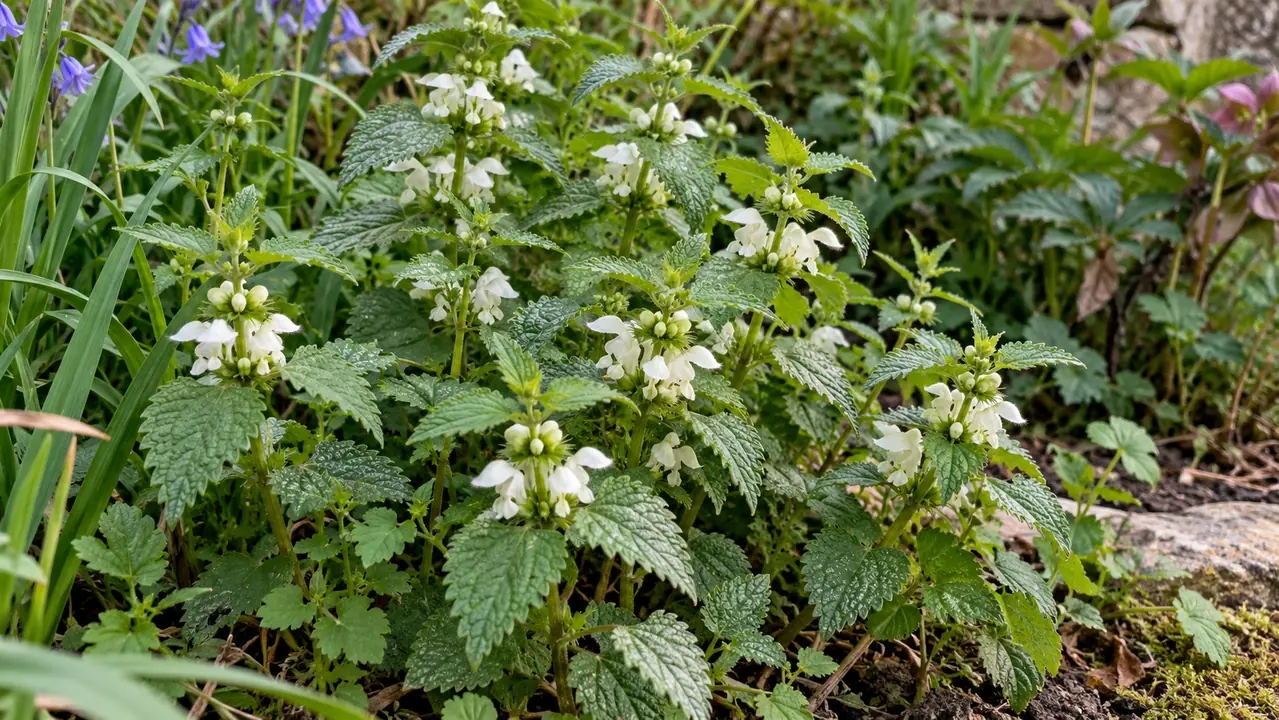 Weeds · Related guide
How to Get Rid of White Dead-nettleView guide →
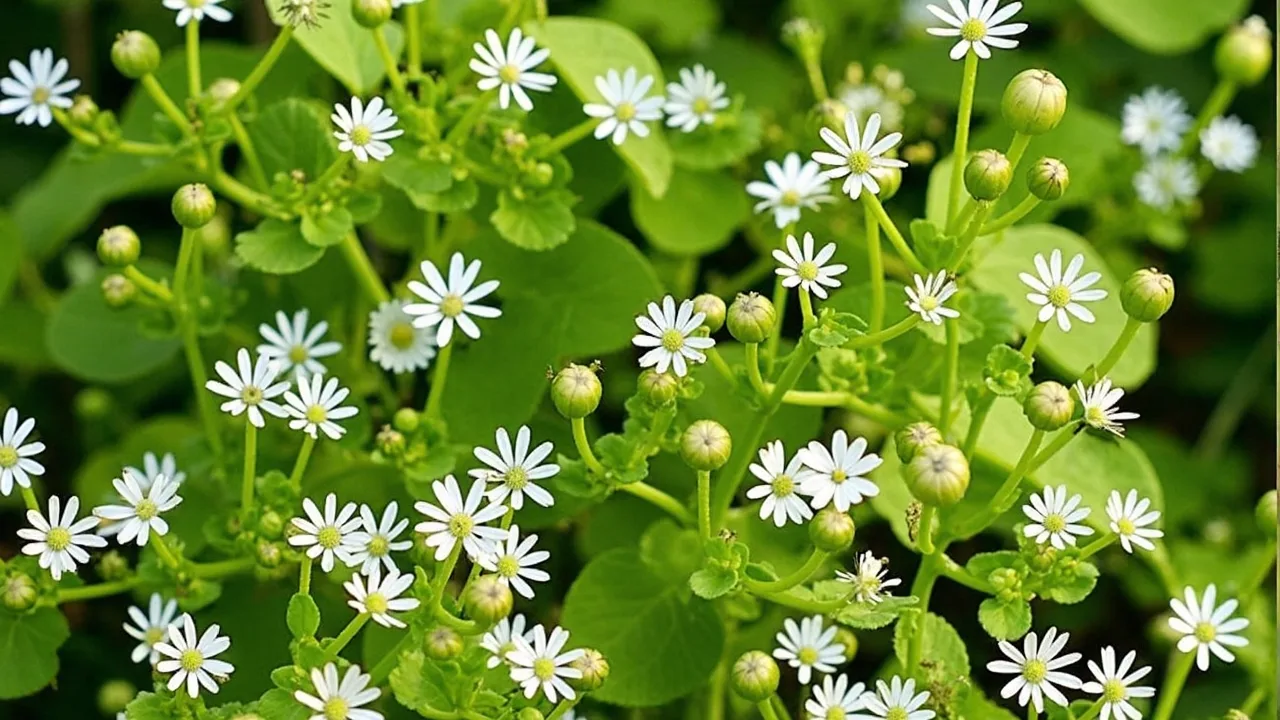 Weeds · Related guide
How to Get Rid of ChickweedView guide →
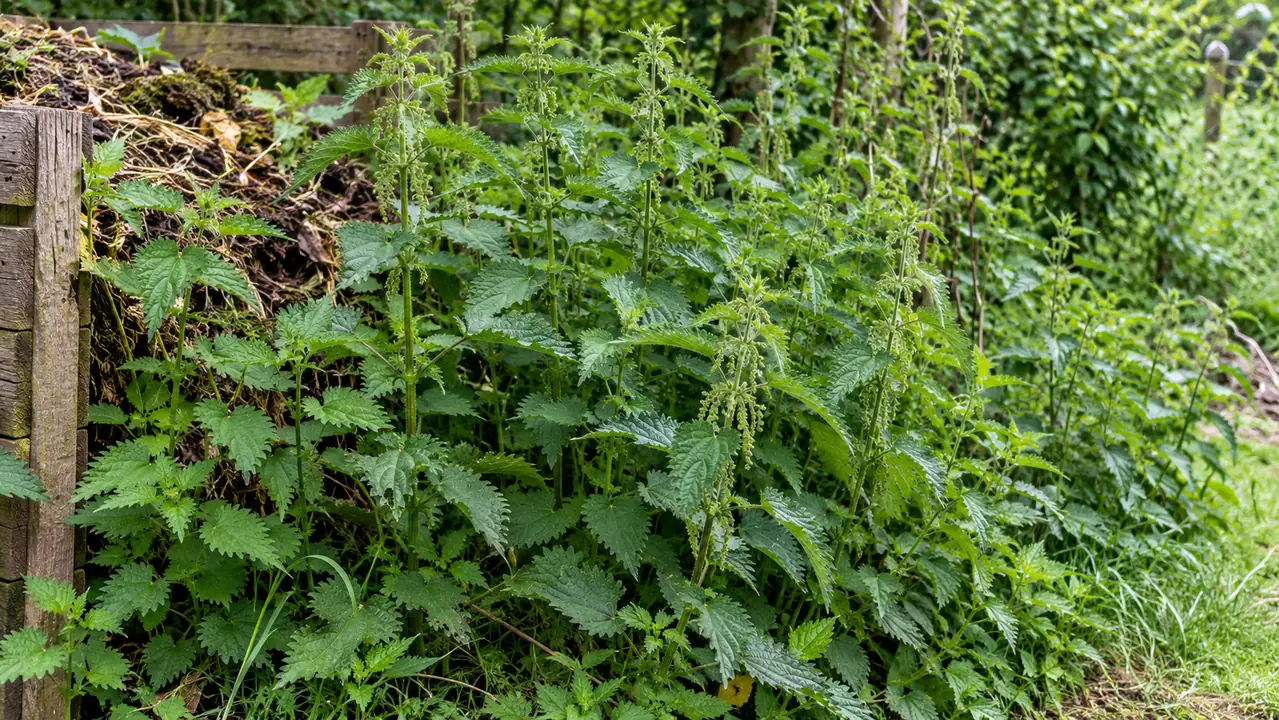 Weeds · Related guide
How to Get Rid of Stinging NettlesView guide →
Recommended tools and products
A practical checklist for this guide. Essentials first, with helpful extras below.
Essentials
 Garden hoe
Hoe or hand-pull young shallow-rooted plants.
Checklist suggestion · No verified product listingHelpful suggestion
Helpful extras
 Suitable organic mulch
Optional soil cover to reduce bare-ground seedlings.
Checklist suggestion · No verified product listingHelpful suggestion
Illustrations show tool categories, not the exact product. No unverified prices or ratings are shown. Read our affiliate disclosure.