
How to Get Rid of Stinging Nettles
Stinging nettle (Urtica dioica) is one of the most persistent perennial weeds in UK gardens. It spreads both by seed and by a dense mat of creeping yellow rhizomes, and it thrives wherever the soil…
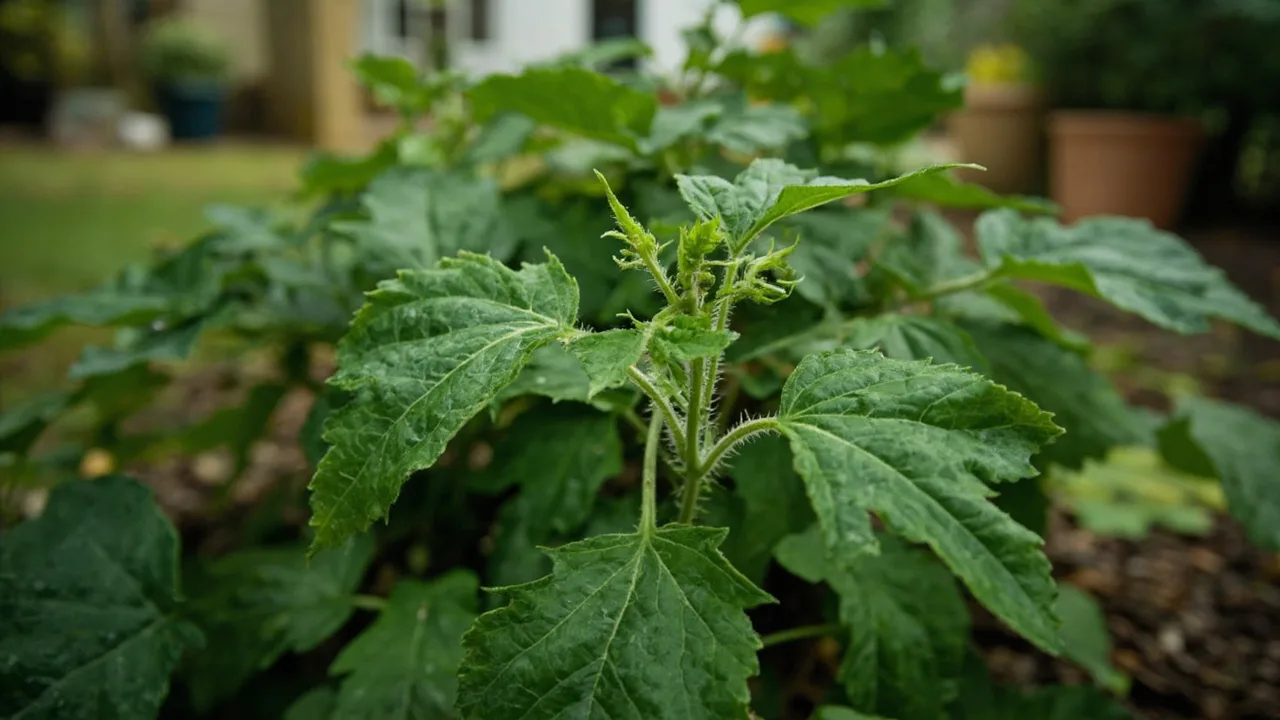
Stinging nettle (Urtica dioica) is one of the most persistent perennial weeds in UK gardens. It spreads both by seed and by a dense mat of creeping yellow rhizomes, and it thrives wherever the soil is rich, moist and disturbed — the edges of beds, around compost heaps, and on neglected ground. A patch left unchecked will expand by up to a metre a year and deliver a painful sting to anyone who brushes against it. This guide covers how to clear it for good using UK-appropriate methods, organic first.
How to identify it
Nettles form clumps of upright, square stems 50–150 cm tall, clothed in coarse, heart-shaped, toothed leaves arranged in opposite pairs. Both leaf surfaces carry brittle, silica-tipped hairs that inject formic acid, histamine and other irritants on contact, causing the familiar burning rash. The giveaway underground is the bright yellow, branching rhizome just below the surface — this is the part you must remove to achieve lasting control.
How to get rid of stinging nettle
Digging out. On light or cultivated soil, forking out the rhizomes is the most reliable organic method. Loosen the soil around the clump and lift the entire yellow root network, working outwards to catch the runners. Any fragment left behind will regenerate, so sieve the soil over a small patch and check it again a few weeks later.
Repeated cutting. Where digging is impractical, cut or strim the foliage to ground level three or four times between April and September. Each cut forces the plant to draw on its root reserves; after one or two full seasons the rhizomes are exhausted and the stand thins out and dies.
Smothering. For a large bed, cover the cut ground with thick cardboard or black polythene and leave it in place for a full growing season. Starved of light, the rhizomes weaken and rot. This is slow but effective on ground you are not using.
Weedkiller. For stubborn or large infestations, a glyphosate-based weedkiller applied to actively growing foliage in late spring or early summer — before flowering — will be taken down to the roots. Treating regrowth after an initial cut, once the new shoots are 15–20 cm tall, improves uptake. Always follow the label, and avoid spraying near desirable plants or in windy or wet conditions.
Stopping it coming back
Nettles colonise bare, fertile, disturbed soil, so the best defence is a dense planting or a thick organic mulch that denies seedlings light. Pull young seedlings while they are small and shallow-rooted, and never let plants flower and seed — a single large nettle sheds tens of thousands of seeds. Keep an eye on bed edges and compost-heap surrounds, where rhizomes creep in from neighbouring ground.
When to call a professional
A garden nettle problem is almost always one you can solve yourself with persistence. Large, established stands across an entire plot — or nettles tangled through a valued hedge or border you cannot dig — may be cleared faster by a professional with a brushcutter and a programme of follow-up treatment.
The silver lining
Before you clear every last one, it is worth knowing that nettles are one of the most valuable wildlife plants in the British garden: they are the sole food plant of several butterfly caterpillars, and the young spring tops make an excellent, vitamin-rich cooked green (the sting vanishes on cooking). Many gardeners keep a single managed patch in a back corner and remove nettles only where they are genuinely in the way. Always wear thick gloves and long sleeves when handling them.
Recommended Products
GardenWizz earns a commission from qualifying purchases made through affiliate links on this page (including links within the article) — as an Amazon Associate, and from Thompson & Morgan via the Awin network. This does not affect the price you pay. See our disclaimer for details.
Related Articles
More →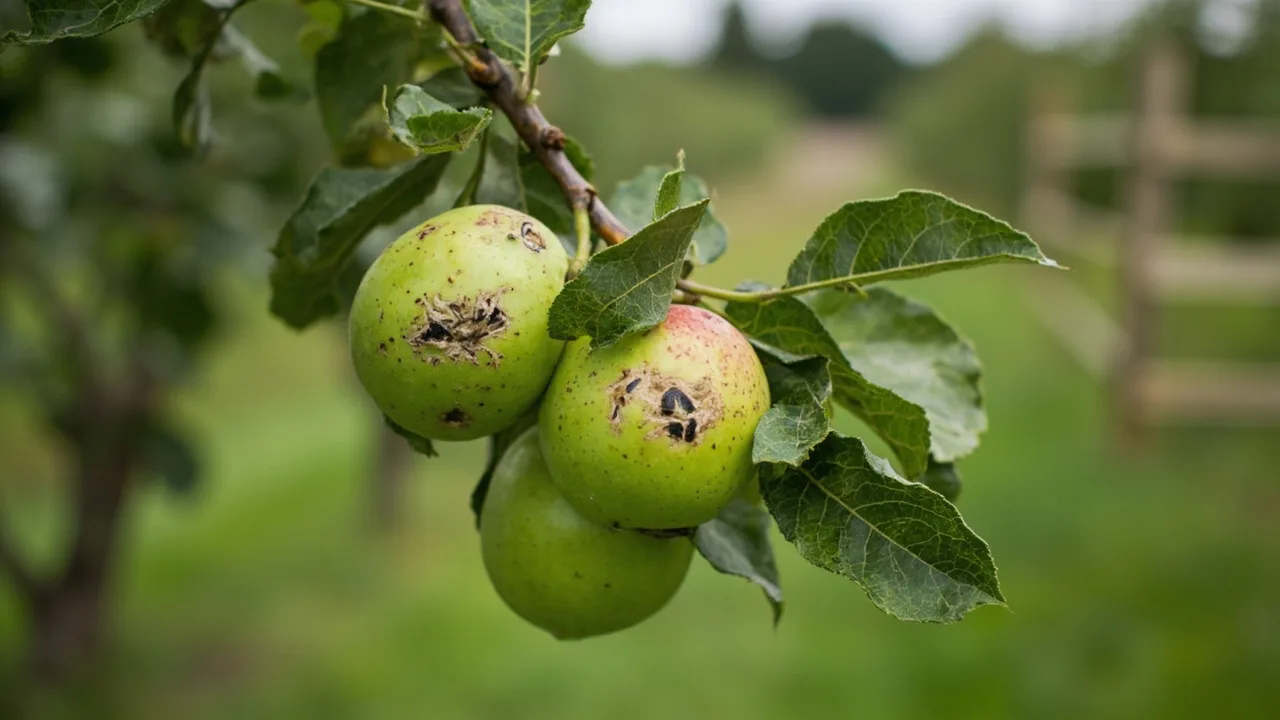 Problem Solver
Apple Scab: How to Identify and Treat It
22 July 2026Apple trees in your garden can be a source of joy, but apple scab can turn your harvest into a disappointing mess of distorted, blackened fruit. This common fungal disease, caused by Venturia…
 Problem Solver
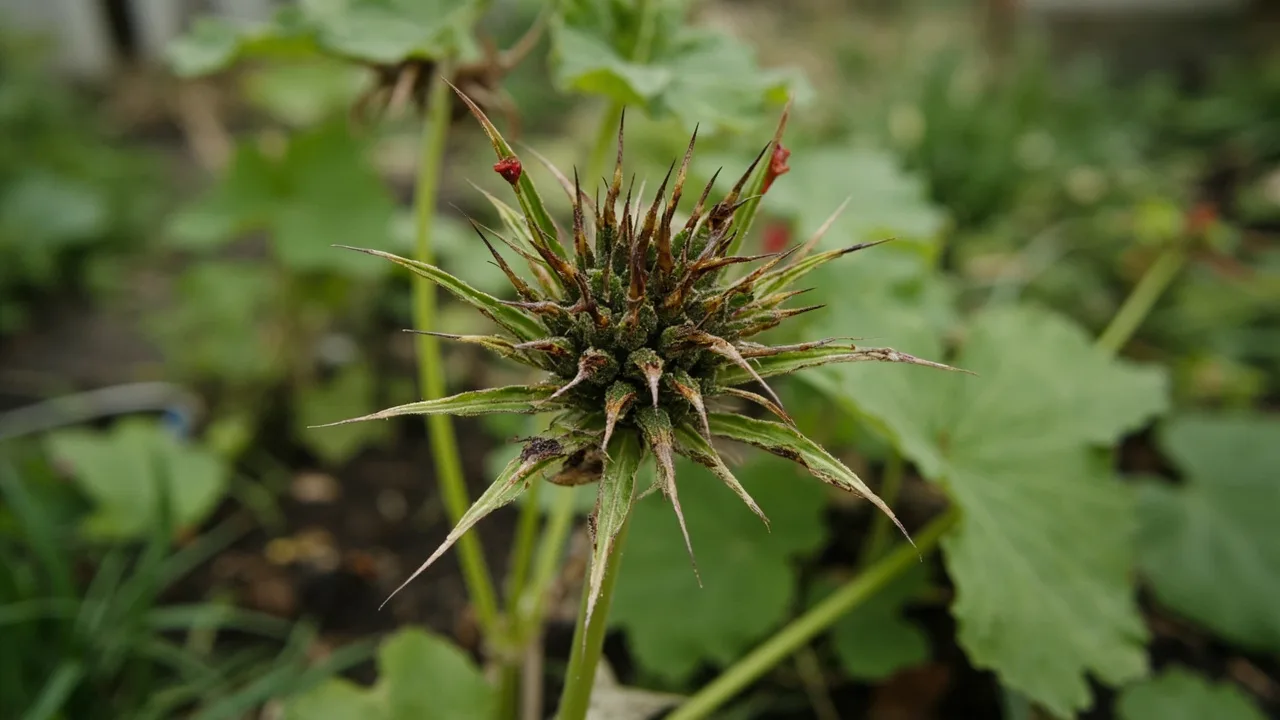
How to Get Rid of Burdock
21 June 2026Lesser burdock (Arctium minus) is a large biennial weed of UK hedgerows, waste ground and the neglected corners of gardens. In its first year it builds a broad rosette and a deep taproot; in its…
 Problem Solver
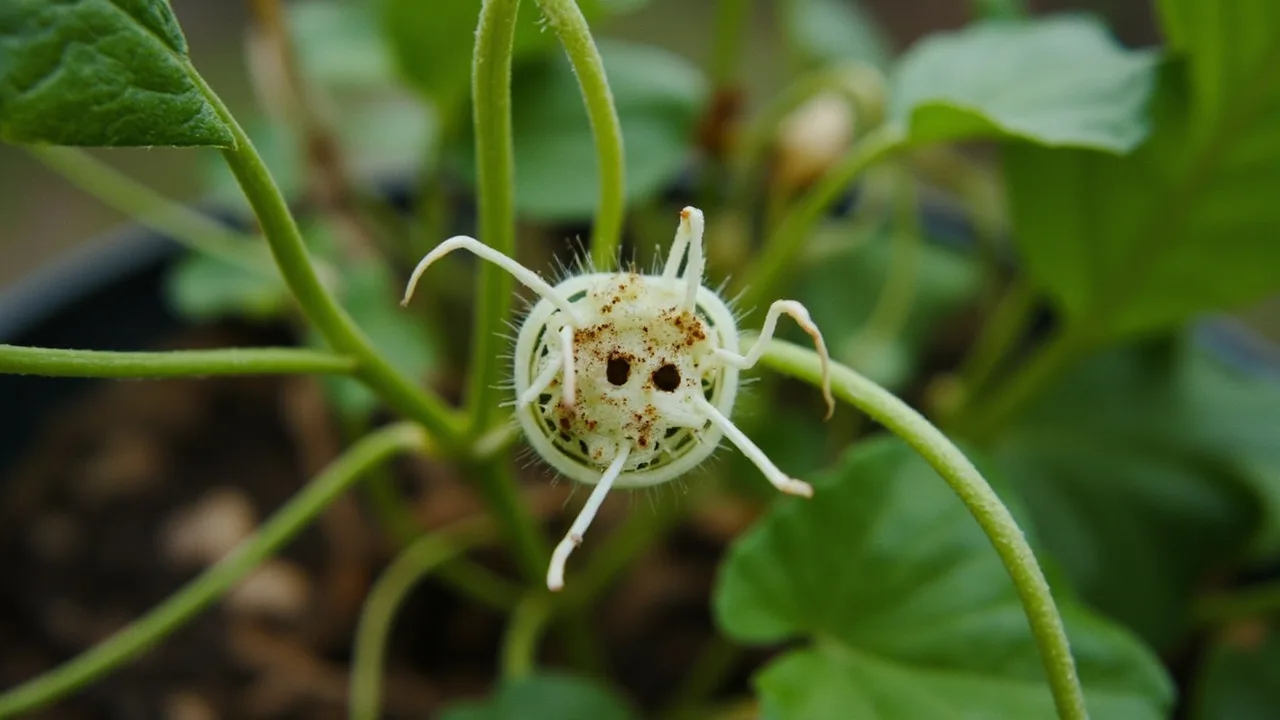
How to Get Rid of White Bryony
21 June 2026White bryony (Bryonia dioica) is a fast-growing perennial climber found scrambling through UK hedges, fences and shrubs, mainly in England. It is Britain's only native member of the cucumber family,…