Cape Cowslip
Lachenalia
The Gardening Year
Best months in UK gardens · full planting calendar →
🖨 Printable care card (PDF)At a Glance
| Botanical name | Lachenalia |
|---|---|
| Common name(s) | Cape cowslip |
| Family | Asparagaceae |
| Plant type | bulb (Most have a dormancy period, but new roots will always grow every year.) |
| Height × Spread | 10–50 cm × 0–10 cm |
| Position | Full sun |
| Soil | Chalk, Loam, Sand; Moist but well-drained or Well-drained; Acid, Alkaline, or Neutral |
| Flowering | January, February, March, September, October, November, December |
| Toxicity | — |
| Native range | Namibia and South Africa |
Quick Answer: Lachenalia is a winter-growing South African bulb that suits a bright, sheltered UK position, a cool greenhouse, or a frost-free container. Plant the bulbs in early autumn in sharply drained compost, give them light and modest water while they grow, then keep them dry during summer dormancy.
Overview
Lachenalia is a genus of small bulbs from southern Africa, especially the winter-rainfall regions of the Western Cape. In the UK, it provides colour when many outdoor borders are dormant, with tubular flowers held above neat, often attractively marked leaves. It is best treated as a container bulb unless the garden has a very mild, dry, sheltered microclimate.
The bulbs rest through the warm, dry part of the year and begin active growth as temperatures fall and moisture returns. This opposite-season rhythm is the key to successful cultivation: do not keep dormant bulbs wet, and do not expect summer growth. Lachenalia is closely related to other bulbous members of the asparagus family, but its detailed form varies considerably across the genus.
Appearance
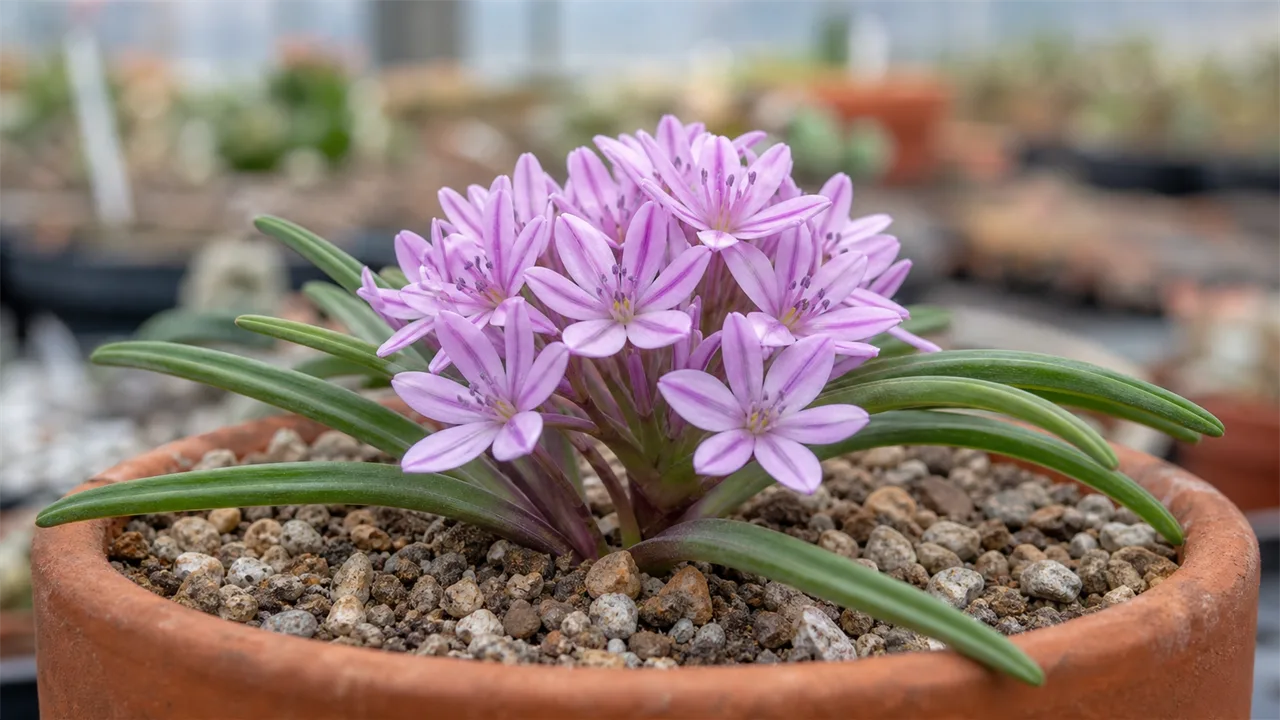
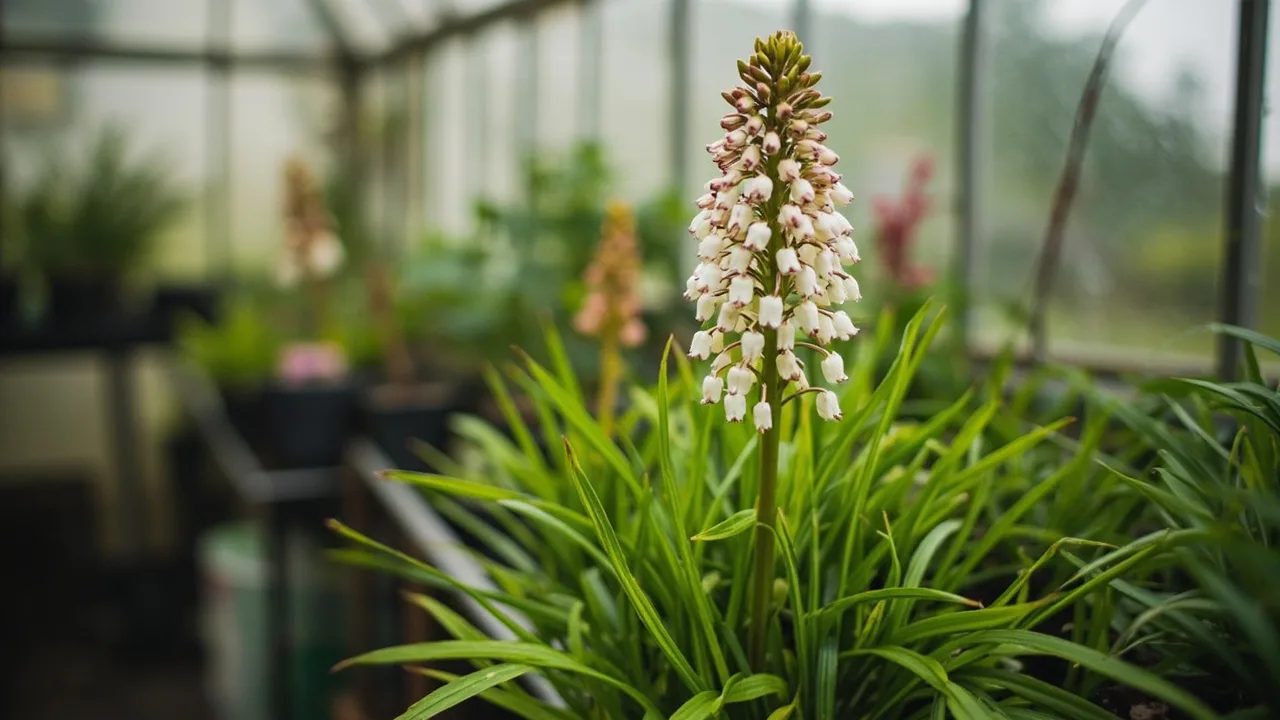
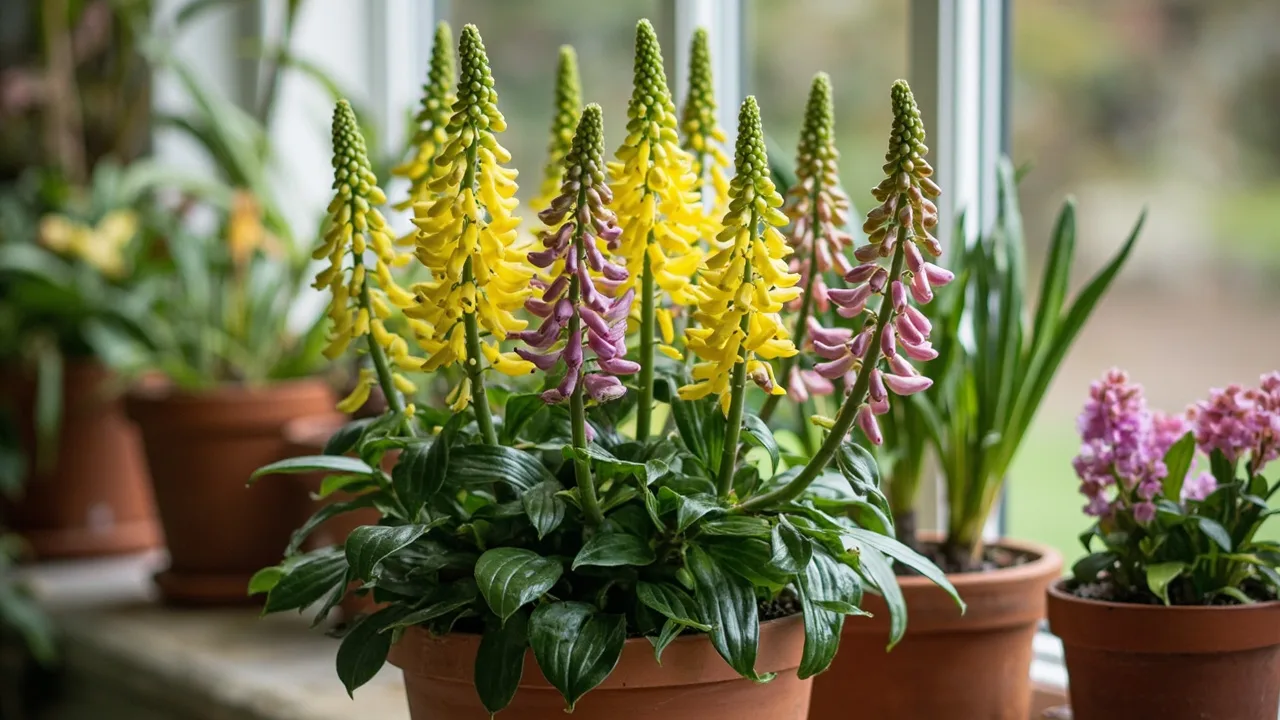
The flowers are tubular or bell-shaped and commonly arranged in upright racemes, with colours ranging from white, green and yellow to pink, orange, red and purple. Some flowers have contrasting tips or markings, while a few species produce bicoloured spikes that are particularly effective at close range in a pot.
Many gardeners grow Lachenalia as much for its foliage as for its flowers. Leaves may be broad and strap-like, spotted, mottled or attractively flushed, and they usually emerge before or alongside the flower spikes. A mature plant generally remains compact, making it suitable for a windowsill, alpine house, cold greenhouse, conservatory or the front of a sheltered display.
Flowering normally takes place from winter into early spring, although the exact month depends on the species, growing temperature and light levels. Cool conditions often prolong the display. After flowering, the leaves continue to manufacture food for the replacement bulb; allow them to yellow naturally rather than removing them early.
Growing Conditions
Choose the brightest position available. Full sun is ideal outdoors in winter, while a greenhouse or conservatory should provide strong natural light without excessive heat. A lack of light produces weak, elongated leaves and fewer flowers. Turn containers occasionally so growth remains even.
Drainage is more important than rich soil. Use a peat-free bulb compost amended with horticultural grit, or make a mix from two parts multipurpose compost, one part grit and one part perlite. The container must have a drainage hole. Standing water around a dormant bulb is a common cause of rot, particularly in the cool, wet conditions of a British autumn.
Lachenalia grows during the cooler part of the UK year. Keep plants away from hot radiators and poorly ventilated rooms, where warm, dry air encourages soft growth and pests. A cool greenhouse with protection from hard frost gives a useful balance of light, air movement and temperature. In mild southern gardens, pots can sit outside in a sheltered rain shadow, but bring them under cover if severe frost is forecast.
Watering should follow growth rather than the calendar alone. Once shoots appear in autumn, water thoroughly and then wait until the surface has begun to dry. During active growth, compost should be lightly moist but never saturated. Reduce watering after flowering as leaves fade, and stop once the plant is fully dormant. Resume gradually when new growth appears in the next season.
Planting and Care
Plant sound bulbs in September or October, before the main winter growth begins. Set them with their necks just below or level with the compost surface; very deep planting increases the risk of rot. Space several bulbs a few centimetres apart in a wide pot, leaving enough room for offsets, and label each container because dormant bulbs can be difficult to identify.
- Select a clean pot with drainage holes.
- Add a shallow layer of gritty bulb compost.
- Position the bulbs with the pointed growing tip uppermost.
- Fill around them, leaving the necks near the surface.
- Water once to settle the compost.
- Place the container in bright, cool conditions.
- Water again only when the surface starts to dry.
- Feed during active growth with a half-strength, balanced liquid fertiliser every three or four weeks.
- Deadhead spent flowers before they set seed if you want the bulb's energy directed towards next year's growth.
- Allow the leaves to die down naturally in spring, then keep the pot almost completely dry through summer.
Feeding is supplementary rather than essential in fresh compost. Avoid high-nitrogen fertilisers, which encourage foliage at the expense of sturdy flower spikes. Water the compost before applying liquid feed, and never leave a container standing in a saucer of water.
Pruning is not normally required. Remove only dead flower stems and leaves once they have dried or yellowed completely. Cutting green leaves prematurely weakens the bulb and may reduce flowering in the following winter. Keep the surface tidy by removing fallen material that could remain damp against the bulb neck.
Propagation is most straightforward by separating offsets. Repot during summer dormancy, gently detach well-developed bulblets and plant them in small pots of gritty compost. Seed propagation is possible for species, but seedlings take time to reach flowering size and may not come true from named selections. Keep young pots labelled and barely moist until new growth begins.
Seasonal care follows a simple cycle. In September and October, repot if necessary and restart watering. From November to March, provide maximum light, careful watering and cool ventilation. After flowering, continue feeding briefly while the leaves remain green. By late spring or early summer, reduce water and store dormant pots somewhere dry, airy and sheltered from pests. Check occasionally for shrivelling or rot, but do not water simply because the compost looks dry: dryness is normal during dormancy.
Common Problems
Bulb rot
Symptom: bulbs fail to sprout, become soft, or collapse at the base. Cause: waterlogged compost, poor drainage or watering during dormancy. Fix: discard affected material, replace wet compost, use a pot with a drainage hole and keep dormant bulbs dry. A useful trick is to mix extra grit into compost before planting rather than trying to correct drainage later.
Few or no flowers
Symptom: leaves grow but flower spikes do not appear. Cause: insufficient winter light, excessive nitrogen, premature removal of foliage or a bulb that has not yet reached flowering size. Fix: move the plant to brighter conditions, use a balanced feed and leave green leaves intact after flowering. One common mistake is placing Lachenalia in a warm, dim room where it grows foliage too quickly.
Leggy growth
Symptom: leaves and flower stems stretch and lean. Cause: inadequate light, often combined with warmth. Fix: move the container to a bright windowsill, greenhouse or conservatory and turn it weekly. Cool nights and good ventilation help keep the plant compact.
Aphids
Symptom: greenfly cluster around young leaves or flower stems, leaving sticky honeydew. Cause: soft new growth in a warm, poorly ventilated position. Fix: inspect plants weekly, squash small colonies or rinse them off with water, and improve ventilation. Avoid unnecessary insecticide on a small flowering display, especially where beneficial insects can reach it.
Slugs and snails
Symptom: ragged leaves or missing flower stems, particularly on pots placed outside. Cause: feeding at night in damp UK weather. Fix: raise containers, inspect after dusk and remove hiding places. A simple trick is to keep the pot on a clean, dry stand rather than directly on paving where pests shelter.
Virus-like mottling
Symptom: persistent distorted growth or irregular streaking that does not match the normal markings of the variety. Cause: possible virus infection, which can spread through sap and handling. Fix: isolate and dispose of badly affected plants; do not propagate from them. Because symptoms overlap with natural leaf patterning, seek specialist advice before discarding a valuable specimen.
Popular Varieties
Names and availability vary between specialist bulb suppliers, and not every selection is offered every year. The following are established Lachenalia species or cultivars encountered in horticulture rather than invented garden names.
- Lachenalia aloides is a widely grown species with upright, brightly coloured flower spikes and leaves that may carry attractive markings. Forms sold as L. aloides var. quadricolor are noted for flowers in several contrasting colours.
- Lachenalia rubida produces red flowers and is valued for a strong, vivid display in a cool, bright position.
- Lachenalia viridiflora is recognised for its unusual green flowers, which provide a cooler alternative to the more commonly orange and red forms.
- Lachenalia bulbifera has pendulous to tubular flowers in warm red and orange shades and is suitable for a collection of winter-growing bulbs.
- Lachenalia mutabilis is known for flowers that can change colour as they mature, making each spike develop over several days.
Check the botanical name and supplier's cultivation notes before buying, as species differ in flower timing, size and preferred conditions. Specialist UK bulb nurseries and alpine-plant growers are more likely to offer correctly named stock than general seasonal displays.
Lachenalia rewards restraint: bright light, sharp drainage, cool growth and a genuinely dry summer rest are more valuable than constant feeding or watering. With that cycle respected, a small pot can produce a remarkably colourful winter display in a UK home or greenhouse.
Pests and Diseases
| Problem | Symptoms | Management |
|---|---|---|
| Bulb rot | Bulbs become soft, mushy, and may emit an unpleasant odour while foliage yellows. | Ensure excellent drainage in gritty compost and avoid overwatering during dormancy. |
| Slugs and snails | Irregular holes chewed into young leaves and flower buds, often with slime trails. | Use slug pellets, beer traps, or hand-pick at night to protect tender growth. |
| Vine weevil | Notched edges on leaves above ground and larvae feeding on roots underground. | Apply systemic insecticide drenches or use nematodes in the growing medium. |
| Powdery mildew | White, dusty fungal growth appears on leaves and stems in humid conditions. | Improve air circulation and treat with a suitable fungicide if severe. |
| Leaf scorch | Leaf tips and margins turn brown and crispy due to low humidity or dry air. | Maintain moderate humidity and avoid placing plants near direct heat sources. |
For step-by-step help, read Dealing with Slugs and Snails and Treating Powdery Mildew. Or browse the full plant problem solver to diagnose an issue by symptom.
Recommended Products
GardenWizz earns a commission from qualifying purchases made through affiliate links on this page (including links within the article) — as an Amazon Associate, and from Thompson & Morgan via the Awin network. This does not affect the price you pay. See our disclaimer for details.