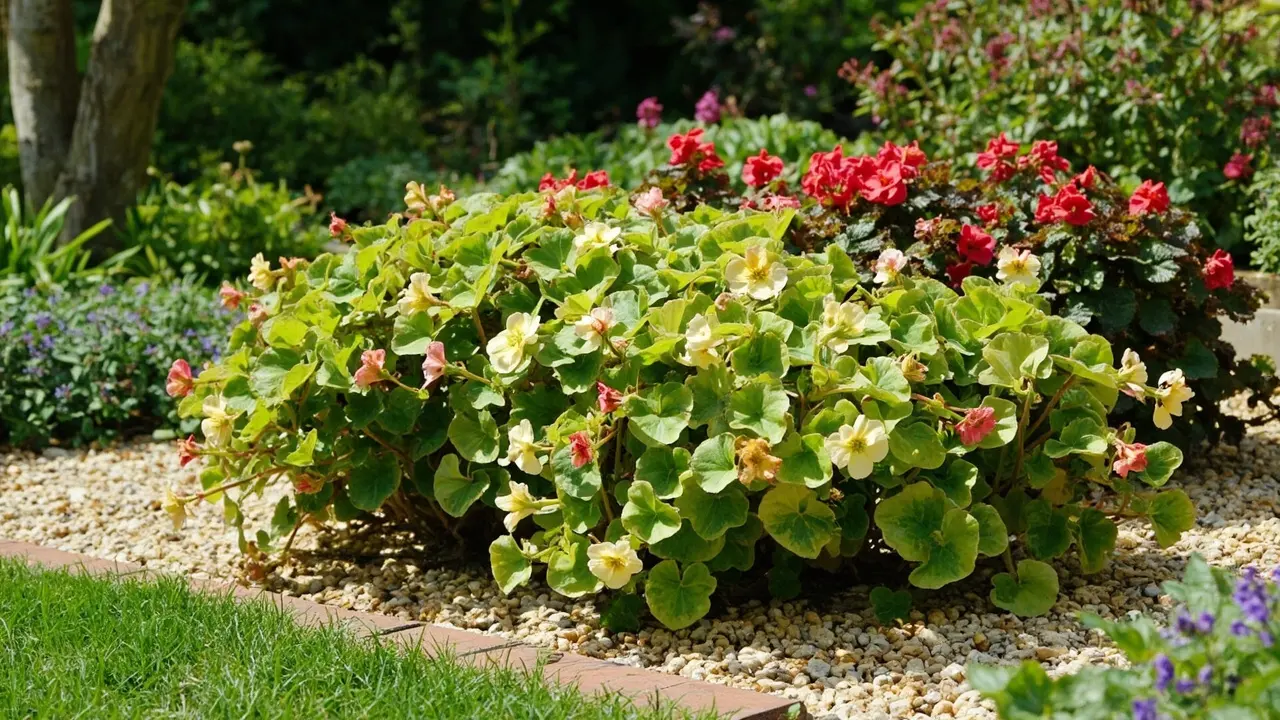
Phlox arendsii
Phlox arendsii
The Gardening Year
Best months in UK gardens · full planting calendar →
🖨 Printable care card (PDF)At a Glance
| Botanical name | Phlox arendsii |
|---|---|
| Common name(s) | Phlox arendsii |
| Family | Polemoniaceae |
| Plant type | perennial (Hybrid created by crossing P. paniculata with P. divaricata) |
| Height × Spread | 100 cm × — |
| Position | Full sun, Partial shade |
| Soil | fertile, evenly moist soil; well-drained soil; moist, humus-rich conditions |
| Flowering | July–September |
| Toxicity | — |
| Native range | — |
Phlox x arendsii brings upright stems and fragrant summer flower clusters to a sunny or lightly shaded UK border. Give it moisture-retentive, well-drained soil, water during dry spells and divide established clumps to keep them vigorous.
Overview
Phlox x arendsii is a group of garden hybrids traditionally associated with crosses between Phlox divaricata and Phlox paniculata. The resulting plants combine the upright, colourful character of border phlox with a generally more compact habit than many tall P. paniculata cultivars. They are deciduous herbaceous perennials: growth emerges from the crown in spring, flowers in summer, dies back after frost and returns the following year.
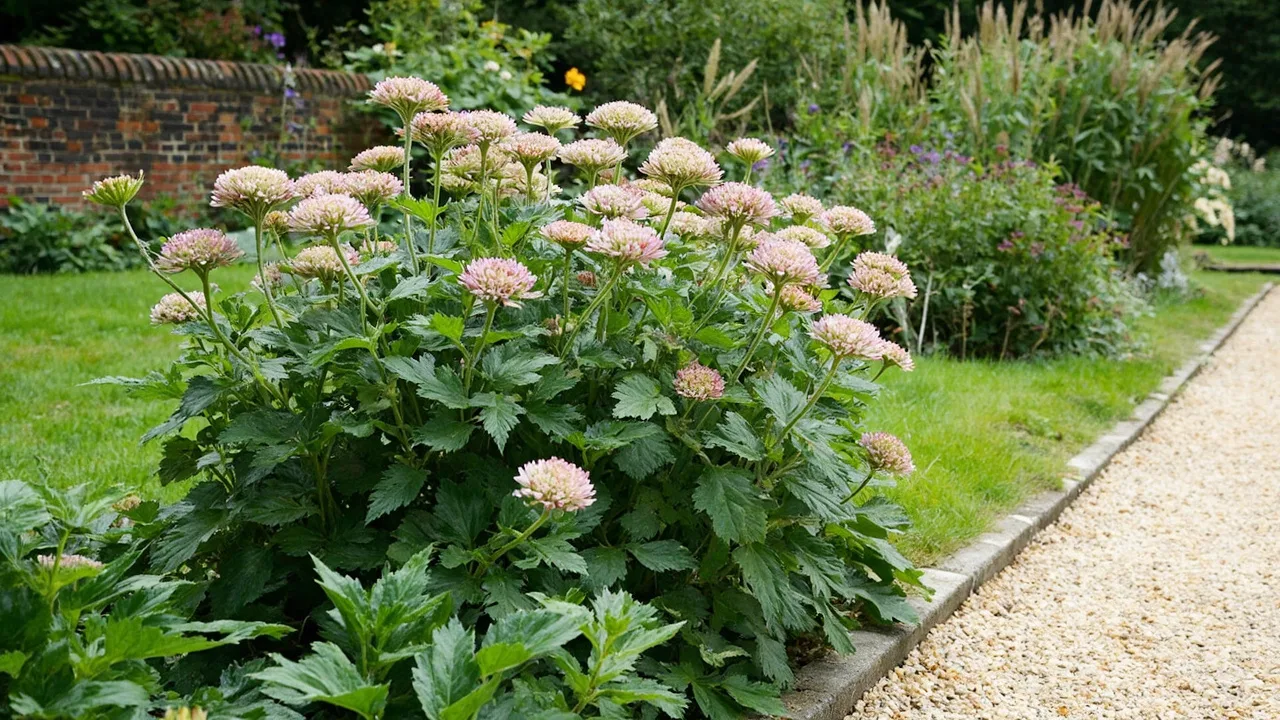
This phlox works especially well through the middle of a mixed border, where its vertical stems rise between rounded shrubs and lower perennials. The flowerheads provide concentrated colour without taking up the space demanded by some taller border phlox. Plants are also useful in cottage-garden schemes and informal cutting gardens, while the flowers are visited by pollinating insects.
The hybrid name is correctly shown with a multiplication sign, although nursery labels and searches often use the plain form "Phlox x arendsii". Individual cultivars vary considerably in height, flower colour and flowering period, so the label supplied with a plant should guide its final position and spacing. In UK gardens, spring is usually the easiest planting season, while early autumn planting suits warm, well-drained sites where plants can establish before winter wet and cold.
Appearance
New shoots appear from a perennial crown in spring and develop into an upright clump of leafy stems. The foliage is green, with simple leaves arranged along the stems; individual leaves are typically oval to lance-shaped and taper towards the tip. Growth is softer and less woody than that of a shrub, and the entire upper plant naturally collapses or dies back at the end of the growing season.
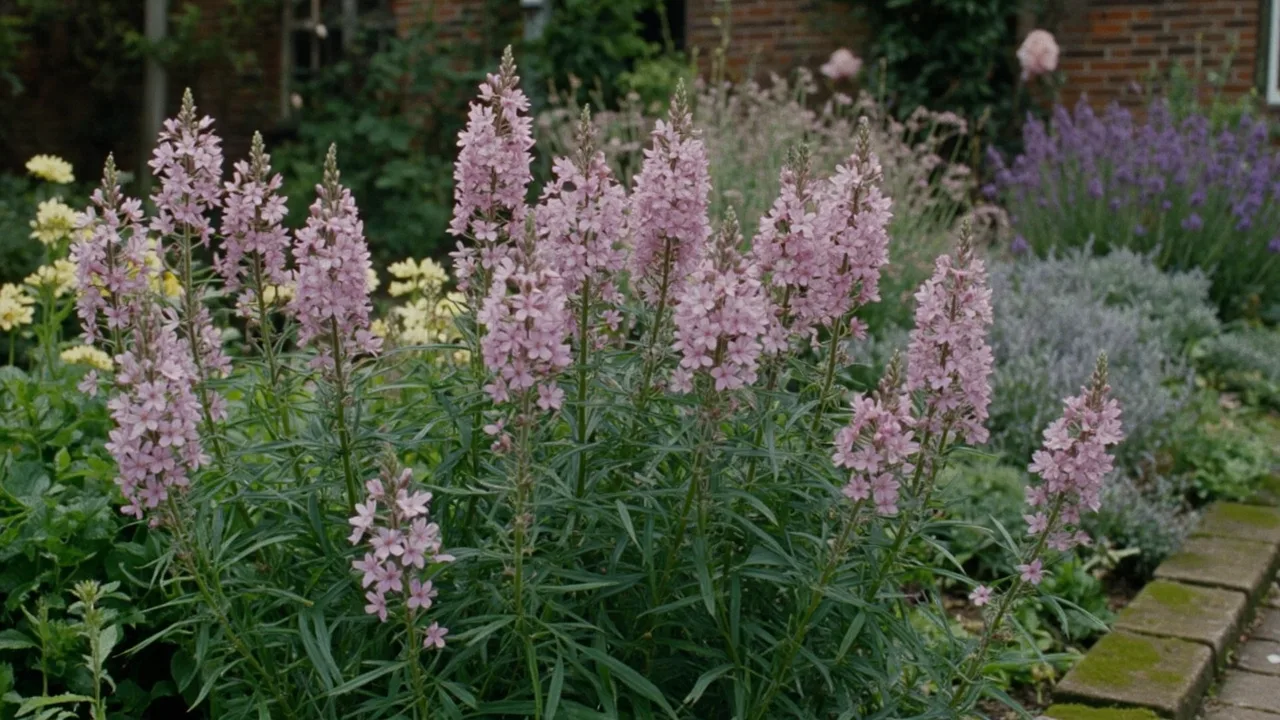
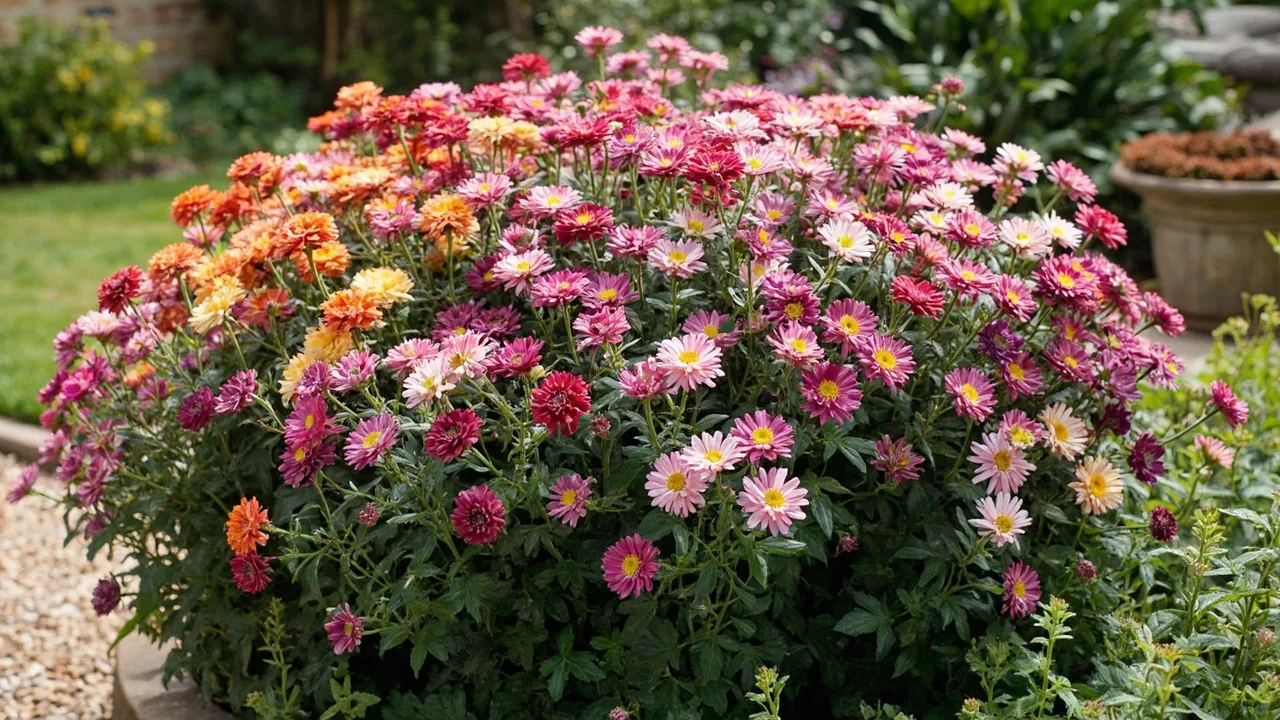
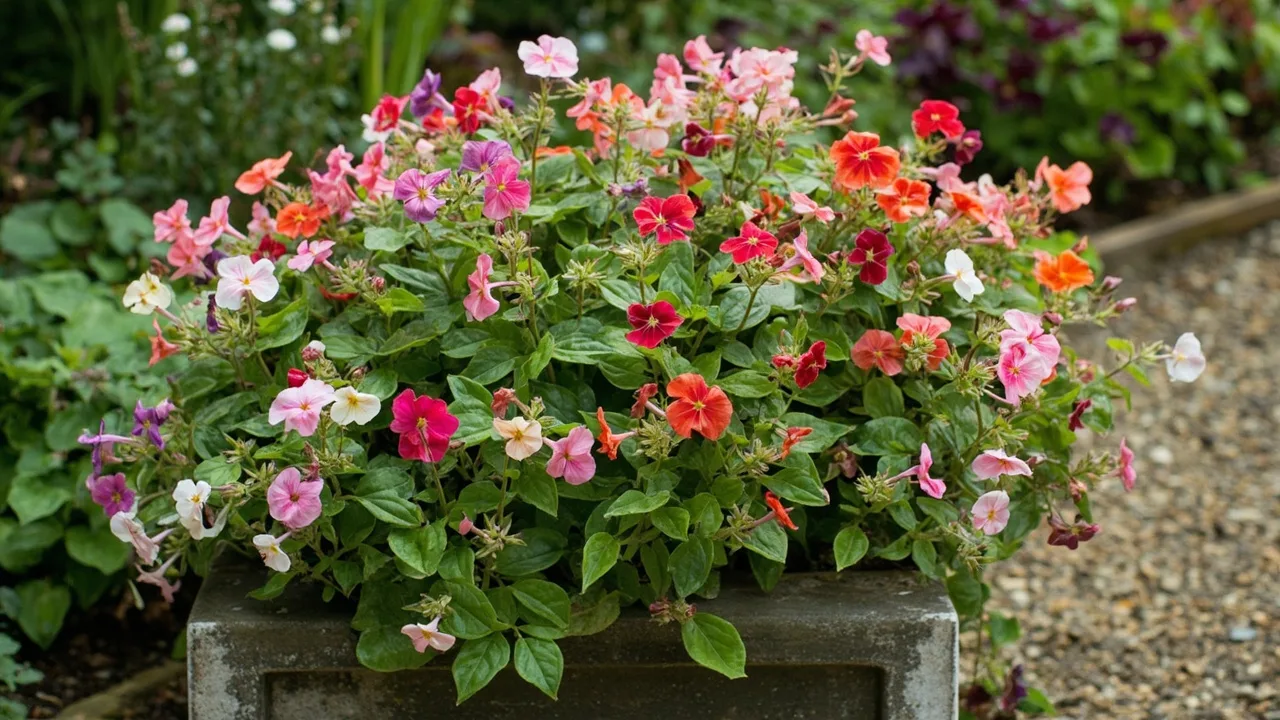
The flowers are carried in terminal clusters, often domed or gently pyramidal. Each small floret has a narrow tube opening into five spreading lobes, producing the familiar flat-faced phlox flower. A mature clump can carry numerous flowerheads at once, making it effective from a distance while retaining fine detail when viewed close to a path. Colours represented among named cultivars include pink, lilac, purple and white or near-white tones, sometimes with a contrasting eye.
Many cultivars have scented flowers, although fragrance strength differs and is most noticeable in still, warm weather. Flowering normally falls between early summer and early autumn, with exact timing influenced by cultivar, region and season. Deadheading faded clusters prevents a tired appearance and can encourage remaining side shoots to continue flowering, but it does not replace the main annual cut-back after the stems have finished.
Height is cultivar-dependent. Compact selections can sit towards the front or middle of a border, while vigorous forms may approach 1m and belong farther back. Their relatively narrow clumps make them useful among companions such as hardy geraniums, ornamental grasses, echinaceas and salvias, provided those plants do not compete excessively for moisture at the root.
Growing Conditions
Choose a position in full sun or light, dappled shade. In cooler and wetter parts of the UK, good light helps stems remain sturdy and flowers develop well. In hot, dry gardens, a little afternoon shade can reduce stress, but deep shade usually produces weaker growth and fewer flowers. Shelter from persistent strong wind is useful for taller cultivars, particularly on exposed northern or coastal sites.
Soil should be fertile, humus-rich and consistently moisture-retentive without becoming waterlogged. Border phlox dislikes prolonged drought, yet a crown sitting in saturated winter soil may deteriorate. Improve light, freely draining ground with garden compost or well-rotted organic matter to increase moisture retention. On heavy clay, incorporate organic matter over a broad area and avoid creating a small planting pocket that simply fills with water.
A neutral to moderately fertile garden soil is generally suitable; reliable moisture and drainage matter more than pursuing a precise pH. Before planting, remove perennial weeds because their roots become difficult to extract once the phlox crown has formed a dense clump. Apply a 5cm mulch of compost or well-rotted organic matter in spring, leaving a clear gap immediately around emerging shoots. Mulching feeds the soil, conserves water and reduces competition.
Space plants according to their cultivar's expected spread, commonly around 40-60cm apart. Cramming several clumps together restricts airflow and makes powdery mildew more likely, while excessively wide spacing can leave the soil exposed and dry. In containers, use a substantial pot with drainage holes and peat-free multipurpose compost, but expect to water and feed more often than plants growing in open ground. Repot or divide before the root ball becomes congested.
Planting and Care
Plant container-grown phlox in spring, or in early autumn while soil remains warm. Water the pot thoroughly, dig a hole slightly wider than the root ball and set the crown at the same depth at which it grew in the container. Backfill gently, firm without compacting the soil and water deeply. Keep newly planted specimens evenly moist through their first growing season, especially during dry spells in May, June and July.
Established plants also need water when rainfall is scarce. Apply water slowly at soil level so it reaches the root zone rather than merely wetting the surface. Avoid repeatedly splashing foliage, and do not rely on light daily sprinkling: one thorough watering is more valuable. Container plants may need checking every day in warm weather because compost dries rapidly around a full root system.
A spring mulch is often enough on reasonably fertile ground. Where growth is weak or soil is poor, apply a balanced general fertiliser at the manufacturer's recommended rate as shoots emerge. Avoid excessive high-nitrogen feeding, which encourages lush, soft foliage that may flop and become more vulnerable to disease. Container plants benefit from a balanced liquid feed during active growth, again following the product directions.
Remove fading flower clusters to keep the clump neat. This plant is a herbaceous perennial and should be cut back, not pruned as a woody shrub. Once stems have died after flowering or following autumn frost, cut them close to the ground and clear away diseased material. Gardeners in colder or wetter regions may leave sound stems briefly as winter habitat, then complete the cut-back before new spring shoots extend.
Propagate by division in spring or early autumn. Lift an established clump with a fork, split it into several substantial pieces with healthy roots and shoots, discard the exhausted centre if necessary, and replant promptly at the original depth. Water each division thoroughly. Dividing every few years restores vigour, controls spread and produces plants true to the named cultivar; seedlings may not retain their parent's characteristics.
Seasonal maintenance is straightforward. In spring, clear old growth, mulch and divide congested clumps. During summer, water deeply in dry weather, remove faded flowers and support unexpectedly tall stems before they lean. In autumn, divide only where soil is warm and drains well; otherwise wait until spring. Through winter, prevent fallen leaves or heavy mulch from smothering the dormant crown, and check container drainage after prolonged rain.
Common Problems
Powdery mildew is the problem most closely associated with border phlox. It appears as a white, flour-like coating on leaves and stems, often becoming conspicuous in warm weather when roots are dry. Reduce risk by watering during dry spells, spacing plants for airflow and avoiding a position crowded by dense neighbours. Remove badly affected material and clear infected debris at the end of the season. Moving a repeatedly affected plant to a more open, moisture-retentive site may be more effective than repeated treatment.
Phlox eelworm is a microscopic pest that can cause distorted, narrow or twisted foliage and damaged shoots. Symptoms can be confused with other stress, so do not assume every malformed leaf confirms eelworm. Remove and dispose of severely affected plants rather than composting them, clean tools after working nearby and avoid propagating suspect clumps. Replacement plants should come from reputable UK nurseries.
Slugs and snails may chew tender shoots as they emerge in spring, sometimes damaging a young clump before its stems rise above surrounding vegetation. Inspect after dark, remove hiding places close to the crown and use wildlife-conscious controls where necessary. A clear ring of open ground makes new shoots easier to monitor but should not be allowed to dry out.
Leaf spotting, yellowing and lower-leaf loss can follow poor airflow, drought, waterlogging or general senescence. Check soil moisture before treating symptoms: both saturated and very dry roots can produce a declining plant. Cut out dead or badly damaged tissue, improve growing conditions and avoid feeding a stressed plant heavily. Stems that lean are usually responding to shade, wind, rich feeding or insufficient support rather than disease; move the clump in spring or add unobtrusive supports early in the season.
Crown or root decline is most likely in compacted, persistently wet soil. Affected plants may fail to emerge strongly or collapse despite moist ground. Improve drainage across the bed rather than adding grit only to the planting hole. Where the crown is extensively rotten, remove it and replant healthy divisions elsewhere instead of returning phlox immediately to the same unsuitable spot.
Popular Varieties
Cultivar naming within border phlox can be complicated, and plants are sometimes listed under P. paniculata or simply as "Phlox" rather than P. x arendsii. Check the botanical name on the nursery listing before buying. The following named cultivars are recorded as Phlox x arendsii and have current UK horticultural references or availability:
- 'Hesperis' bears fragrant lilac-pink to lavender flower clusters on sturdy upright stems. It is valued for a naturalistic, airy effect and is offered by established UK perennial nurseries. Reports describe it as relatively resistant to mildew, though good cultivation remains important.
- 'Miss Mary' (Spring Pearl Series) produces scented deep-pink flower clusters in midsummer and may reach about 1m. Its stronger height suits the middle or back of a border rather than a very exposed front edge.
- 'Luc's Lilac' is a recognised lilac-flowered selection suited to a sunny or lightly shaded perennial border. Confirm its expected dimensions with the supplying nursery, as retail information can differ.
- 'Utopia' is another established P. x arendsii cultivar recorded in current UK horticultural references. It should be sourced under the full botanical name to avoid confusion with similarly named plants in other genera.
- 'Paul' carries compact clusters of pink-purple flowers above notably dark stems and is listed by a UK nursery. The darker framework gives useful contrast before and during flowering.
Availability changes between seasons, and not every cultivar will be stocked throughout the UK. Buy plants that show healthy, undistorted growth and verify the nursery label before planning colour combinations or final spacing.
Sources & Further Reading
- RHS: Phlox x arendsii, accessed 2026-07-23.
- RHS: How to grow border phlox, accessed 2026-07-23.
- RHS: Powdery mildews, accessed 2026-07-23.
- RHS: Phlox x arendsii 'Miss Mary', accessed 2026-07-23.
- Beth Chatto's Plants & Gardens: Phlox x arendsii 'Hesperis', accessed 2026-07-23.
- Ballyrobert Gardens: Phlox x arendsii 'Paul', accessed 2026-07-23.
Pests and Diseases
| Problem | Symptoms | Management |
|---|---|---|
| Powdery mildew | White, dusty fungal growth appears on leaves and flower heads, often causing distortion. | Ensure good air circulation, water at the base, and apply a fungicide if severe. |
| Slugs and snails | Irregular holes in leaves and slimy trails across foliage and stems. | Use copper tape, beer traps, or iron phosphate-based pellets to deter feeding. |
| Aphids | Clusters of small green or black insects on new growth, often accompanied by sticky honeydew. | Spray off with a strong jet of water or treat with insecticidal soap. |
| Root rot | Wilting and yellowing leaves despite moist soil, often due to poor drainage. | Plant in well-drained soil and avoid overwatering to prevent waterlogging. |
For step-by-step help, read Controlling Aphids Naturally, Dealing with Slugs and Snails and Treating Powdery Mildew. Or browse the full plant problem solver to diagnose an issue by symptom.
GardenWizz earns a commission from qualifying purchases made through affiliate links on this page (including links within the article) — as an Amazon Associate, and from Thompson & Morgan via the Awin network. This does not affect the price you pay. See our disclaimer for details.