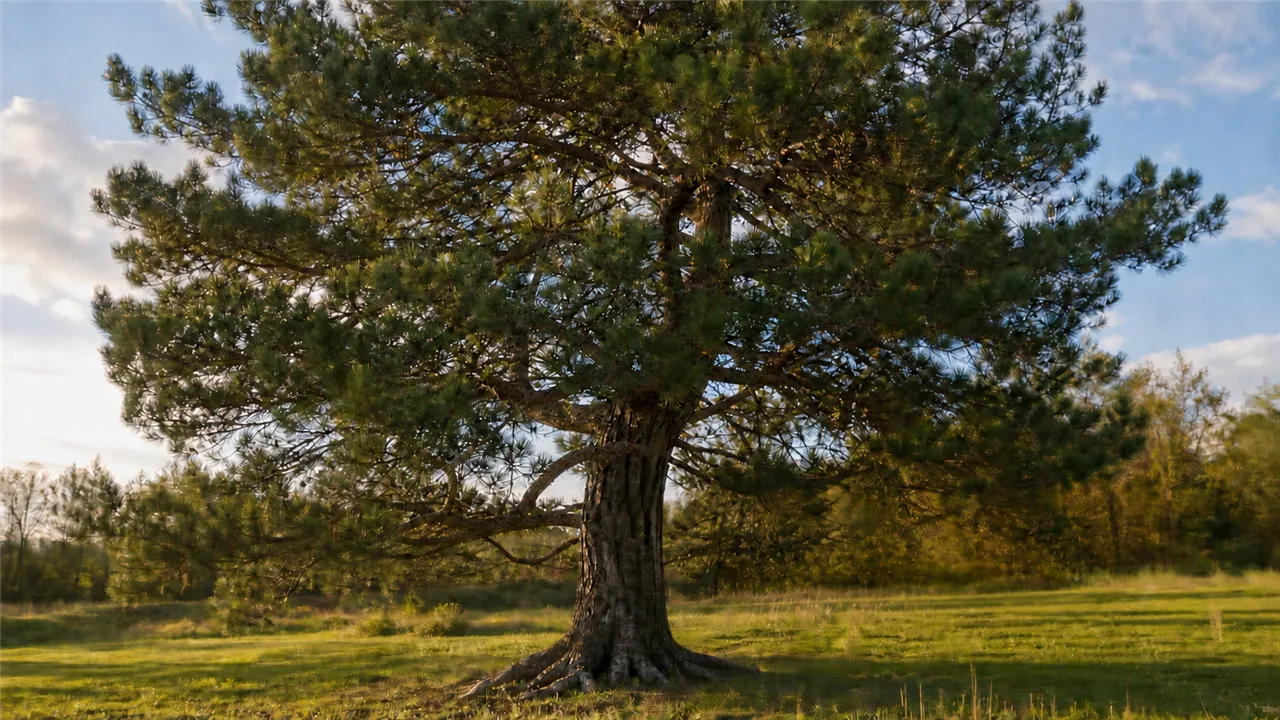
Dense-Needled Japanese Pine
Pinus densithunbergii
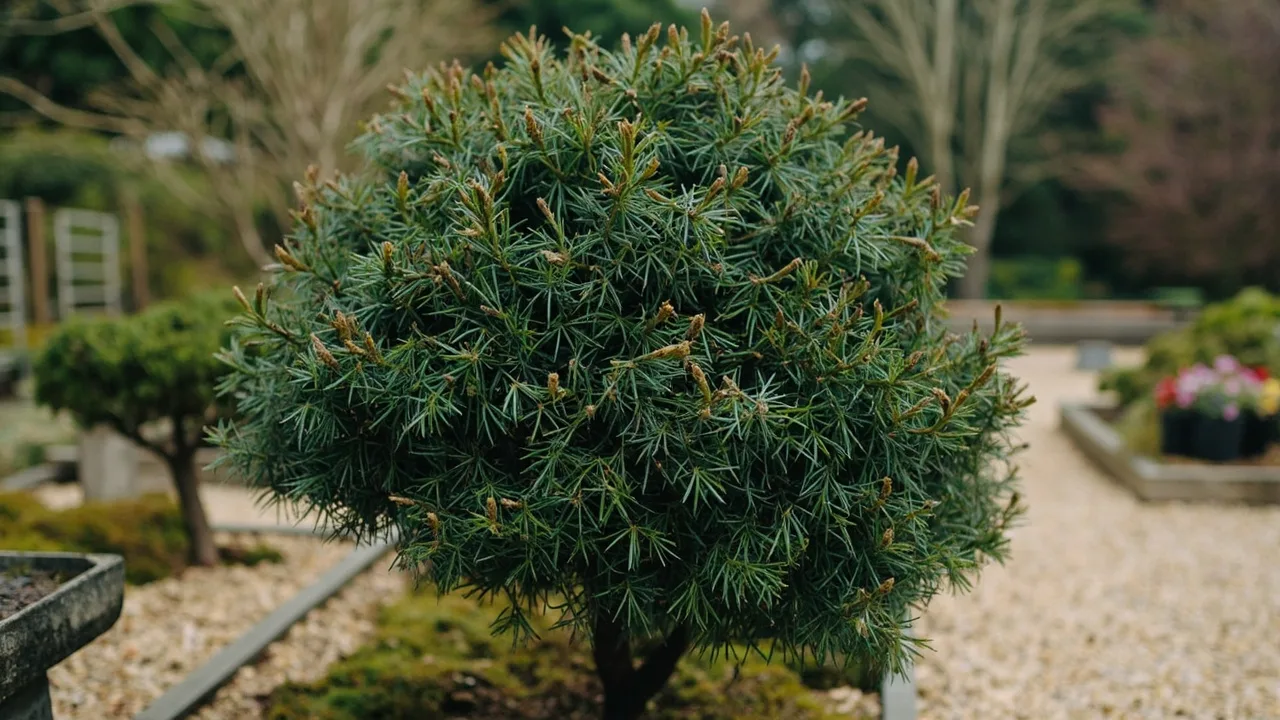
pinus-densithunbergii documentary photo
H7
Very hardyRHS, provisional · tolerates below −20°C
🖨 Printable care card (PDF)
☀️ Full sun
📏 20–35 m
🌿 Tree
At a Glance
| Botanical name | Pinus densithunbergii |
|---|---|
| Common name(s) | Dense-needled Japanese pine |
| Family | Pinaceae |
| Plant type | tree (Hybrid between Pinus densiflora and Pinus thunbergii) |
| Height × Spread | 20–35 m × — |
| Position | Full sun |
| Soil | well-drained, slightly acidic soil |
| Flowering | — |
| Toxicity | — |
| Native range | East Asia and Siberia |
test
Pests and Diseases
| Problem | Symptoms | Management |
|---|---|---|
| Pine shoot moth | New shoots wilt, turn brown and die, often accompanied by visible webbing or sawdust-like frass. | Apply a systemic insecticide in early spring when new growth emerges to target larvae. |
| Conifer aphid | Clusters of small insects on new shoots causing stunted growth and sticky honeydew residue. | Spray with a suitable insecticide or use horticultural oil during the growing season. |
| Needle cast disease | Older needles turn brown, fail to drop naturally, and may show fungal spores between them. | Improve air circulation and apply a fungicide in spring before new growth expands. |
| Honey fungus | General decline, yellowing foliage, and white fungal mycelium or black roots at the base. | Ensure well-drained soil and remove infected plants to prevent spread to nearby trees. |
| Sawfly larvae | Green caterpillar-like larvae skeletonize needles, leaving behind only the midribs. | Hand-pick larvae or apply an insecticide if infestation levels are high. |
For step-by-step help, read Controlling Aphids Naturally. Or browse the full plant problem solver to diagnose an issue by symptom.
Recommended Products
GardenWizz earns a commission from qualifying purchases made through affiliate links on this page (including links within the article) — as an Amazon Associate, and from Thompson & Morgan via the Awin network. This does not affect the price you pay. See our disclaimer for details.