
Gardeners urged to add one ingredient to water to stop plants wilting
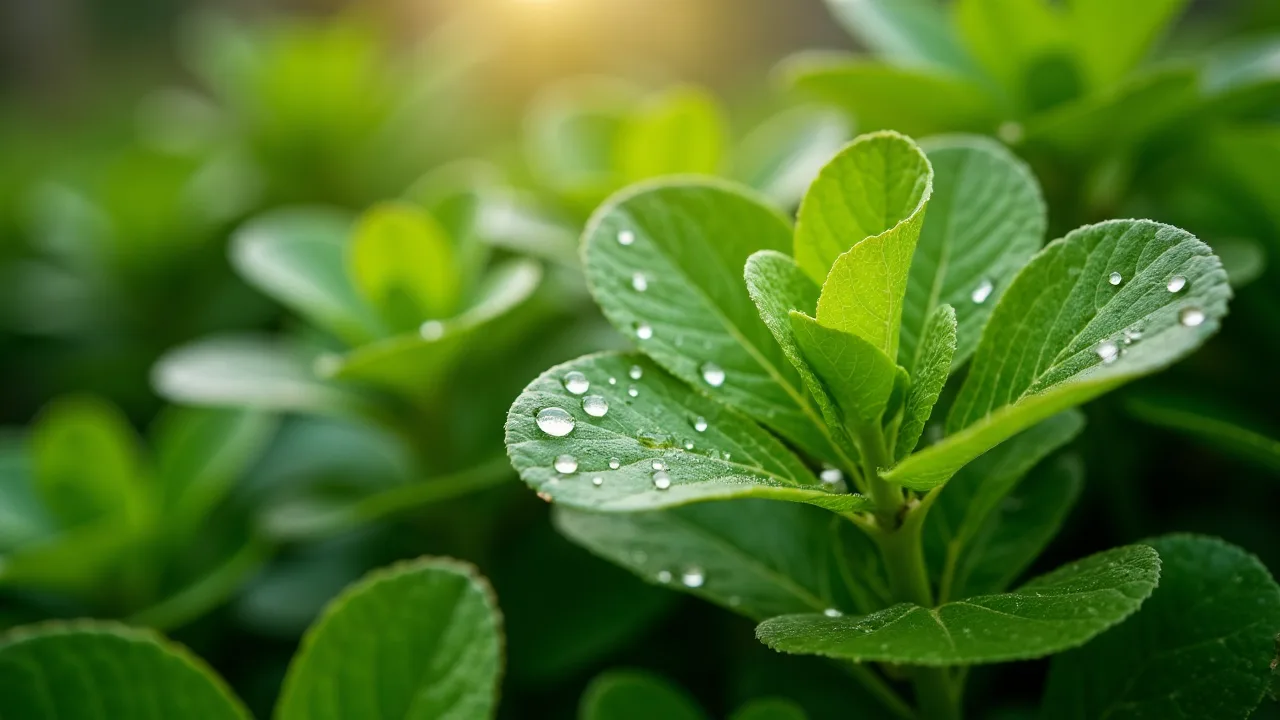
Watering in a heatwave: why plants wilt and what to add to the can
Introduction
When a sustained hot spell hits the UK, the first thing most gardeners notice is drooping foliage on otherwise healthy plants. Wilting is the plant's way of shedding leaf surface area to limit water loss, and it can become a vicious cycle if the soil around the roots has dried right through. A few small additions to the watering routine, applied at the right time of day, are usually enough to stop that spiral before it starts.
What's happening
Plants lose water through their leaves by transpiration and replace it by drawing moisture up through the roots. In hot, windy weather the demand outstrips supply and cells lose turgor, which is the pressure that holds leaves and stems upright. The visible droop is the symptom; the underlying issue is almost always that the soil has become hydrophobic or that water is running off the surface before it can soak in.
Container-grown plants, hanging baskets, greenhouse tomatoes, and anything in a small volume of compost are the first to suffer because their root balls hold very little reserve. Beds and borders cope better, but a week of dry weather with low humidity can still pull moisture from below the feeder roots, especially in sandy or shallow soils over chalk. Lawns naturally go brown and patchy in summer and almost always recover with autumn rain, so the priority for most gardens is the things that will not bounce back on their own: vegetables coming into flower, soft fruit, and any newly planted shrubs put in during the spring.
What this means for your garden
The single most useful habit is to water heavily and infrequently rather than a little every day. A thorough soak two or three times a week drives moisture down past the feeder roots and encourages plants to root more deeply, which is what makes them resilient through the next dry spell. A daily sprinkle, by contrast, wets only the top centimetre or two and trains roots to stay at the surface where they cook.
Adding a small amount of organic matter to the watering can is one of the simplest ways to improve how water behaves in the pot or bed. A teaspoon of liquid seaweed feed per can gives plants potassium and trace elements that support cell strength and root recovery after heat stress, and the slightly sticky solution helps water cling to compost rather than running straight through. For containers that have dried out and started to repel water, standing the whole pot in a deep tray of water for twenty to thirty minutes rehydrates the rootball from below far more effectively than watering from the top. A 5–8 cm mulch of bark, compost or Strulch around the base of any plant that went in this year or last year will cut surface evaporation by a large margin and buffer soil temperature, and it is worth laying it down before the next heatwave rather than after plants have already started to flag.
Time of day matters more than people think. Watering first thing in the morning loses the least to evaporation and gives foliage time to dry before nightfall, which reduces slug and fungal problems. If you can only water in the evening, direct the can or hose at the soil rather than over the leaves, and avoid splashing the crown of hostas, courgettes and other soft-leaved plants.
A few species-specific points are worth knowing. Tomatoes and chillies in growbags need watering twice a day in a real heatwave or the fruit will split; pinch out sideshoots on cordon tomatoes so the plant is not trying to sustain more trusses than the limited root volume can feed. Hanging baskets and wall-mounted containers often need watering twice daily once temperatures climb above 25°C, and adding a water-retaining gel to the compost at planting time pays back across the whole summer. Hydrangeas wilt dramatically in afternoon sun but usually recover overnight, so a morning soak at the base is enough; chronic wilting on a hydrangea is usually a sign it needs moving to a shadier spot, not just more water. Ferns and hostas in pots are particularly prone to flagging because their thin leaves lose water quickly; standing them on a saucer of pebbles kept topped up with water lifts humidity around the foliage.
Finally, grey water from washing-up bowls, shower trays and cooled cooking water is fine for most ornamentals provided it is free of bleach, strong detergents or salt. Rotate which beds receive it and avoid using it on edible leaves that will be eaten raw within a day or two.
Key points
- Water deeply two or three times a week rather than a little every day to encourage roots to chase moisture downwards.
- Add a teaspoon of liquid seaweed feed to the can and apply at the base in the morning; mulch beds with 5–8 cm of bark or compost to cut evaporation.
- Stand dried-out pot plants in a tray of water for 20–30 minutes to rewet hydrophobic compost from below.
- Group containers in the shade, refresh hanging baskets twice a day, and pinch out sideshoots on tomatoes to match the root volume.
- Use grey water from the kitchen on ornamentals but avoid it on raw-eaten salads, and never water mid-day in full sun.
Practical UK watering advice drawn from established horticultural practice at the Royal Horticultural Society and the UK Met Office.
Plants in this guide
As an Amazon Associate, GardenWizz earns from qualifying purchases made through links on this page (including links within the article). This does not affect the price you pay. See our disclaimer for details.