
Spring Garden Tasks
Spring in the UK is a three-month sprint, not a single weekend. The window between the last frost and the first heatwave is narrow, and what you do in March, April and May sets the tone for the rest…

Spring in the UK is a three-month sprint, not a single weekend. The window between the last frost and the first heatwave is narrow, and what you do in March, April and May sets the tone for the rest of the growing season. A few focused hours now beats a summer of catching up.
This guide covers the core jobs for a typical UK garden: soil prep, sowing, pruning, lawn recovery, feeding, and pest prevention. Timings assume a central or southern England climate (roughly RHS zone 8). If you're in the north, Scotland or at altitude, push everything back by two to three weeks; if you're in the far south-west or a sheltered coastal spot, you can start a week or so earlier.
Why spring jobs matter (and when to do them)
Spring is when plants break dormancy. Roots grow actively while soil is still cool and moist, which makes it the best time to plant, move and divide. It's also the only time you can prune certain shrubs without losing this year's flowers, and the only window for sowing many tender crops early enough to crop before autumn.
The rough sequence:
- March (early spring): soil prep, hard pruning, first sowings under cover, lawn repair, divide snowdrops.
- April (mid-spring): the main sowing month, planting out hardy plants, first feeds, weed control, slug patrol starts.
- May (late spring): last frosts pass (mid-May in most of the UK), plant out tender crops, harden off, watch for aphids, mow properly.
What you'll need
- A soil thermometer (cheap probe type, around £5–10) — more useful than any gadget once you start sowing.
- Sharp, clean secateurs (bypass type, not anvil) and a pruning saw for anything over finger thickness.
- A border fork and spade; a rake with flat tines for seedbeds.
- 70-litre bags of peat-free multipurpose compost (roughly two for a small veg bed, four for a 3 m x 1.2 m bed).
- A 50-litre bag of well-rotted manure or garden-made compost per square metre of hungry bed.
- Slow-release organic fertiliser (e.g. blood, fish and bone, or a poultry-manure pellet) at roughly 100 g per m².
- Slug controls: nematodes (Phasmarhabditis hermaphrodita, applied when soil is 5–20 °C and moist), wool pellets, or ferric phosphate pellets.
- Horticultural fleece or cloches for late frosts.
- A hoe — ideally a Dutch or oscillating hoe for between-rows weeding.
Step-by-step: the core spring routine
1. Get the soil ready (early March)
Wait until the ground is workable, not waterlogged. The test: pick up a handful, squeeze — it should crumble, not form a shiny ball. If it sticks, wait another week.
Spread 5–8 cm of well-rotted manure or compost over beds you've cleared over winter. Leave it on the surface as a mulch for now; worms will pull it in. Don't dig it in deeply — research from Garden Organic and the RHS consistently shows no benefit from deep cultivation of established beds, and it damages soil structure.
For empty veg beds you want to sow into, rake to a fine tilth: level, then break clods with the back of a rake, then rake again in the opposite direction until the top 2–3 cm is like coarse breadcrumbs. Remove stones larger than a pea.
2. Prune while you can see the shape (March, before bud break)
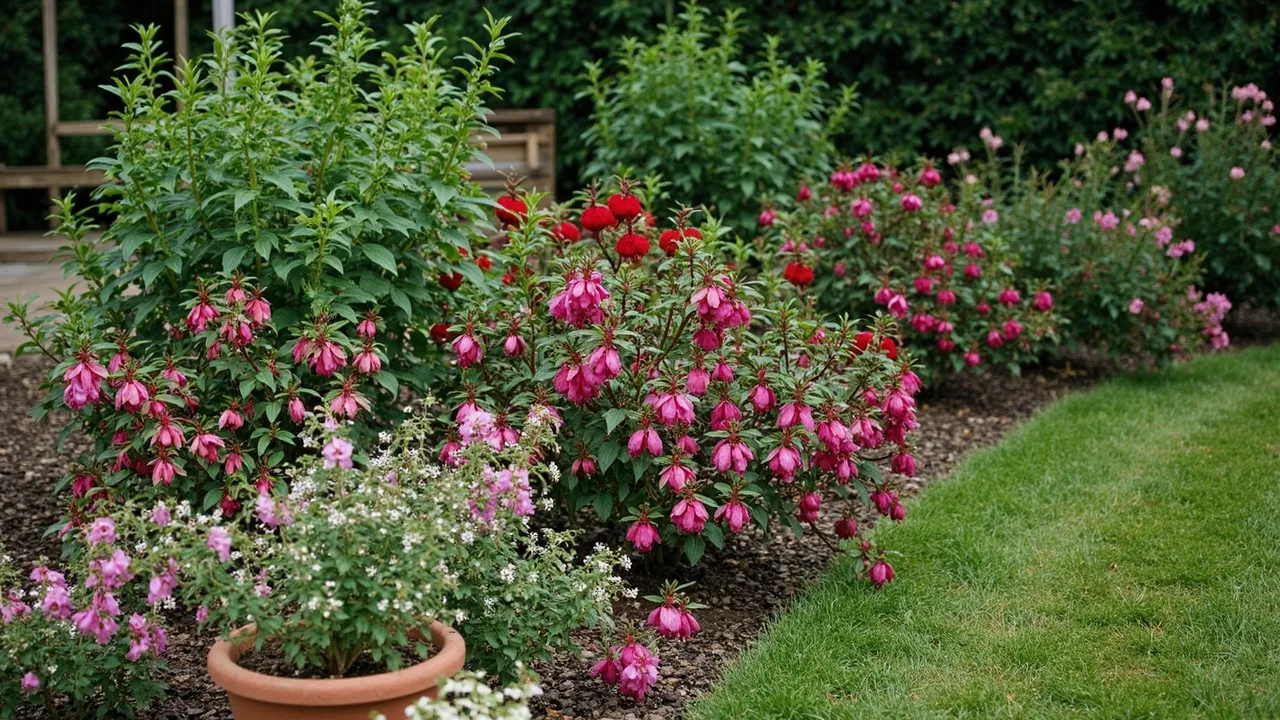
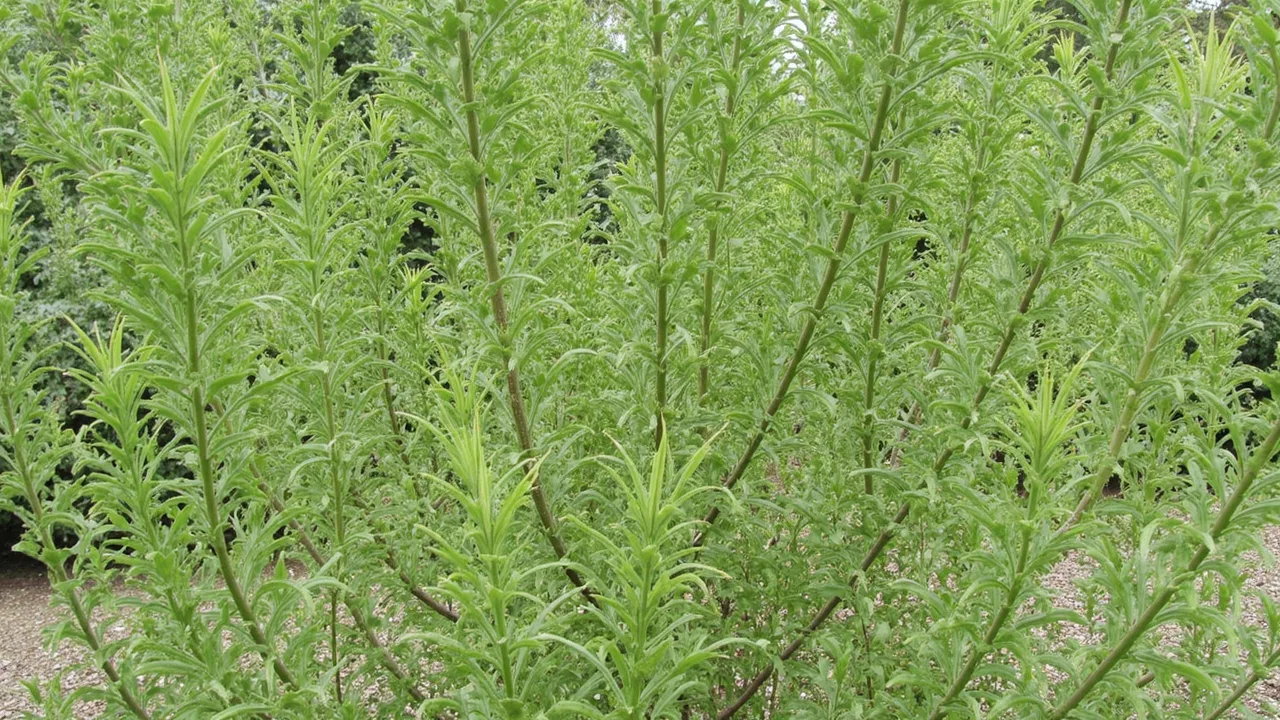
Cut back late-summer flowering shrubs (butterfly bush, perovskia, hardy fuchsias, lavatera) hard to two buds from the old wood. Cut shrub roses to outward-facing buds about 20–30 cm from the ground. Cut dogwood and willow grown for coloured stems down to 5–10 cm — they regrow fast.
Do not prune spring-flowering shrubs (forsythia, ribes, chaenomeles) until after they flower, or you'll lose this year's display.
3. First sowings under cover (mid-March onwards)
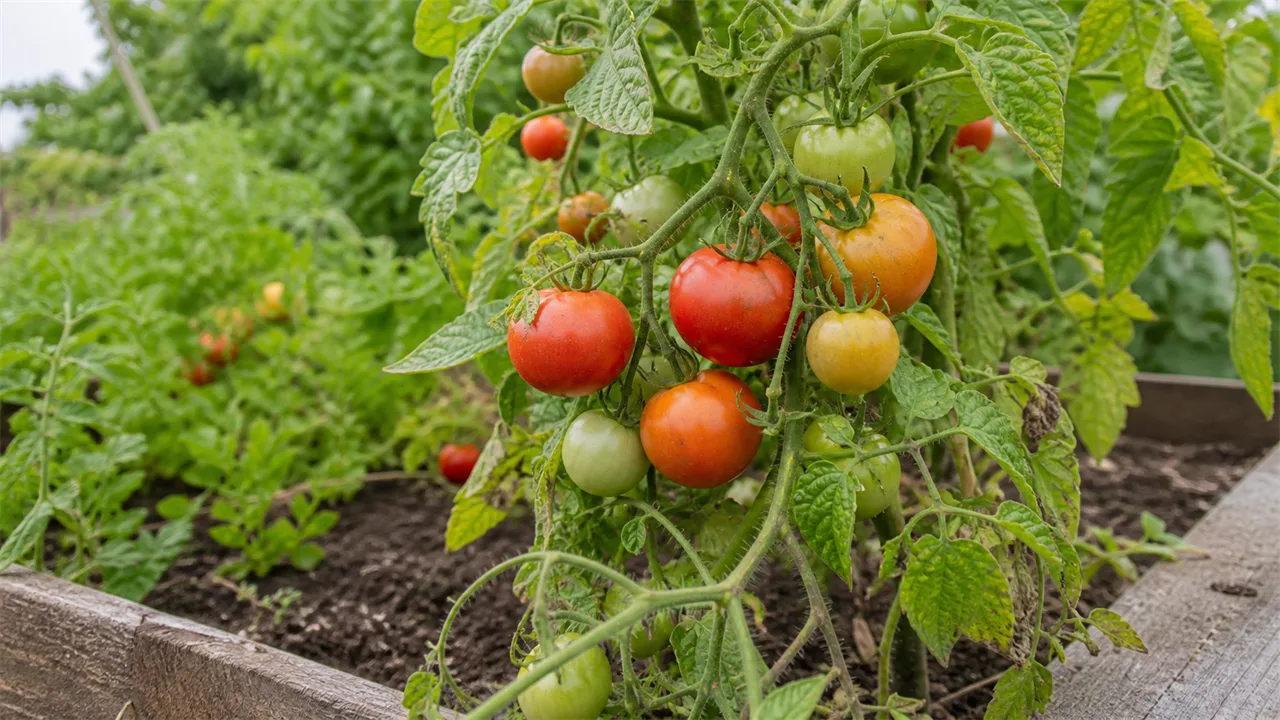
Use a windowsill, greenhouse or coldframe at 15–20 °C for tomatoes, chillies, aubergines and basil. Use seed-sowing compost (low nutrient, fine texture), not multipurpose. Sow into modules or small pots, cover with a thin layer of compost (roughly the seed's own depth), label, and cover with a propagator lid until germination.
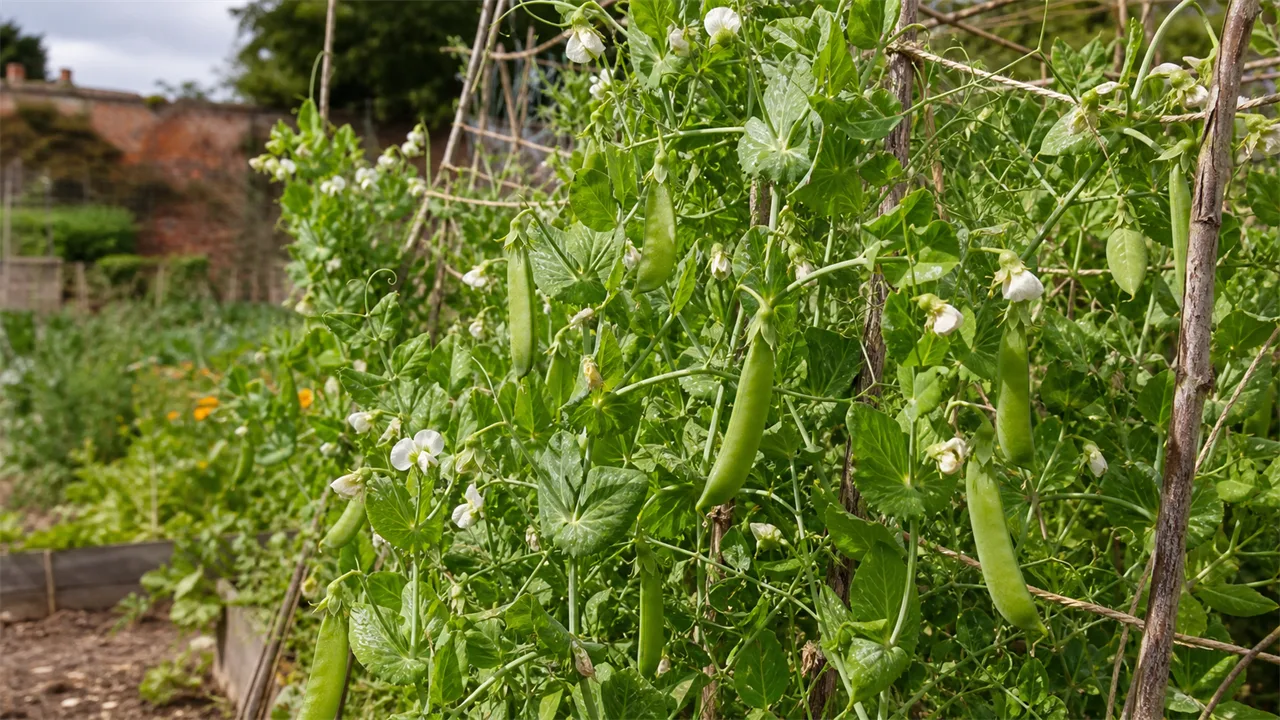
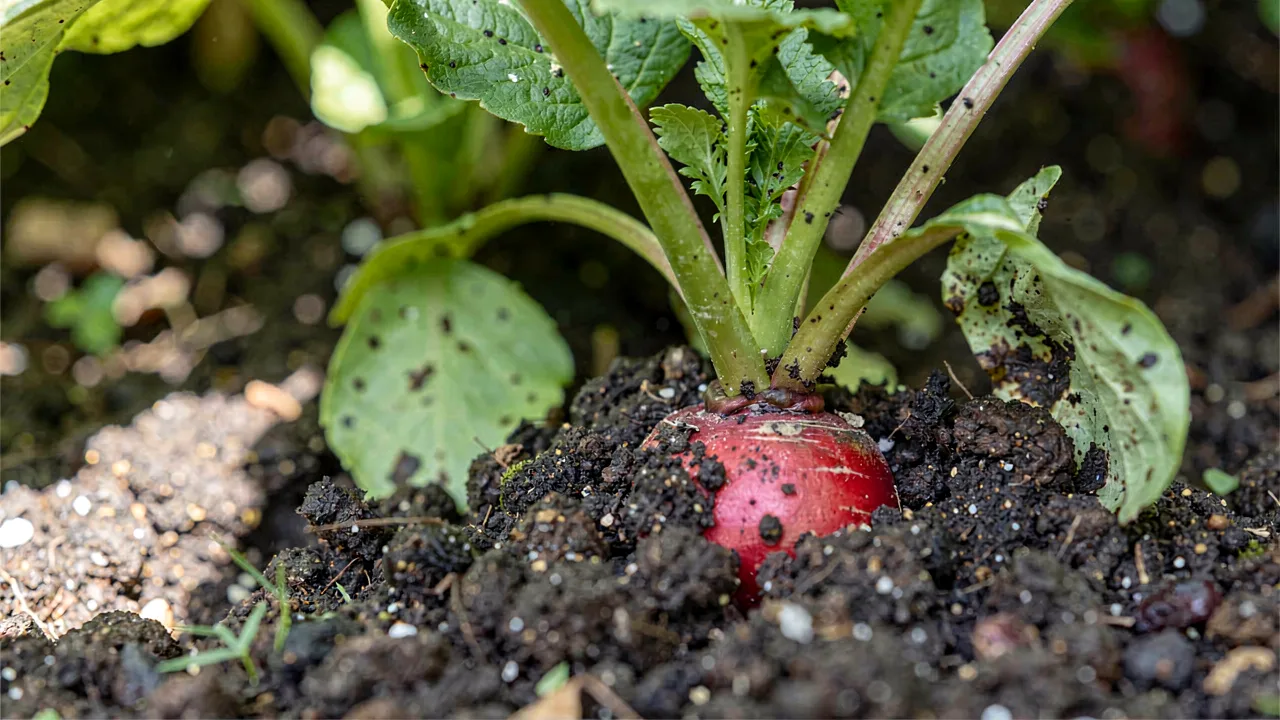
Direct sowings outside from late March in mild areas: broad beans, peas, spinach, radish, rocket, carrots under cloches, beetroot, parsnips, lettuces, onion sets, shallots and garlic (if not autumn-planted). Hold off on french and runner beans, sweetcorn, courgettes, tomatoes and cucumbers until the soil reaches 12 °C — usually late April in the south, mid-May further north.
4. Lawn recovery (April)
Scarify to remove winter thatch if the layer is more than 1 cm thick. Mow with the blade high (4–5 cm) for the first cut, then drop it gradually. Rake out moss after scarifying if you've used a moss-killer; otherwise rake vigorously.
Overseed any bare patches: scratch the surface, scatter seed at 30–50 g per m², press in, keep moist for two to three weeks. A 1 kg box covers around 20–30 m².
Feed in late April with a spring lawn fertiliser (high nitrogen, around 10–5–5 NPK). Skip the feed if your lawn is already vigorous — over-fed grass is more disease-prone.
5. Plant, divide and move (April–May)
This is the best window for moving established perennials and shrubs. Lift the whole clump, split with two forks back-to-back, and replant the outer, vigorous pieces. Water in well and keep moist for the first month.
Plant pot-grown shrubs, fruit bushes, roses and perennials any time the soil isn't frozen or waterlogged. Soak the rootball in a bucket for 10 minutes before planting, tease out circling roots, plant at the same depth as the pot (judge by the soil mark on the stem), backfill, firm with your heel, water with at least a full 10-litre can per plant, and mulch with 5 cm of bark or compost.
6. Weed early, weed often (April onwards)
One pass with a hoe on a dry, breezy day in April beats three hours of hand-weeding in June. The principle: sever weed seedlings at the cotyledon stage and let them shrivel on the surface. Don't hoe deeper than 1–2 cm or you'll bring up fresh weed seeds.
7. Pest and disease watch (from May)
Aphids on roses, blackfly on broad beans, slugs on seedlings, vine weevil on container plants. Check plants twice a week rather than spraying on a schedule. Squashing is genuinely effective for low infestations; encourage predators by leaving a few umbellifers (cow parsley, fennel) to flower nearby — they feed hoverflies, lacewings and parasitic wasps.
Common mistakes
- Sowing too early outdoors. Cold, wet soil rots seeds. If the soil thermometer reads under 7 °C, wait. A few weeks' delay in spring barely matters; a failed sowing means buying plants twice.
- Walking on wet beds. Compresses soil structure for the rest of the season. Lay a plank down to reach the middle of a bed.
- Over-pruning spring-flowering shrubs. The forsythia cut to the ground in March is a forsythia with no flowers in April.
- Planting too deep. Burying the stem of a tomato or the crown of a rose leads to rot. Match the existing soil mark and no deeper.
- Mowing too short in April. Scalping the first cut weakens grass and lets weeds in. Start at 4–5 cm and lower over a few weeks.
- Skipping hardening off. Seedlings raised indoors need 7–10 days of gradual exposure to outdoor conditions. Move them out for an hour on day one, doubling the time each day. Coldframe lids lifted an inch wider each day works the same way.
Troubleshooting
- Seedlings leggy and pale: too little light, too much heat. Move closer to the glass or lower the thermostat to 15–18 °C.
- Tomato leaves purpling: cold soil, often from watering with very cold tap water. Use water at room temperature.
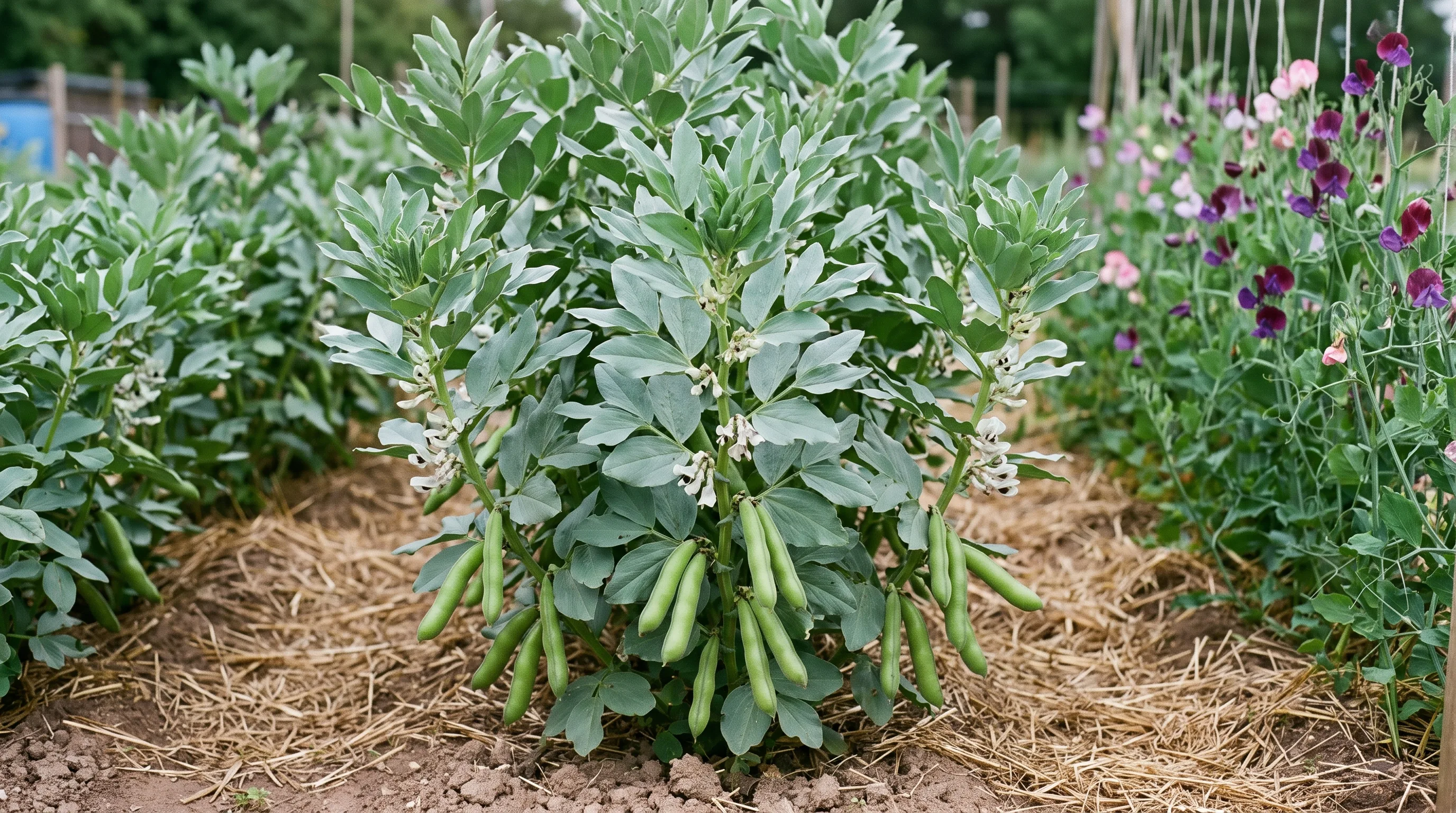
- Broad bean tops black with blackfly: pinch out the soft growing tips once the first pods have set. The blackfly follow the tips; the beans don't need them.
- Newly planted shrubs wilting: usually normal transplant shock for the first two weeks. Water deeply twice a week rather than a sprinkle every day — you want moisture at root depth, not at the surface.
- Lawn yellow patches in May: usually leatherjackets (cranefly larvae). Soak the area, cover with black polythene overnight, lift it in the morning and pick off the grubs, or apply nematodes (Steinernema feltiae) in late summer next year.
- Cabbage-family seedlings disappear overnight: slugs. Apply nematodes in the evening after rain, or use ferric phosphate pellets thinly scattered (around 5 g per m²). Reapply after heavy rain.
Tips that genuinely help
- Mulch in late April or early May, not March. A thick mulch in March keeps soil cold and slows warming; the same mulch in May locks in moisture and suppresses weeds.
- Feed the soil, not the plant. A handful of compost in the planting hole is fine; the plant will do better with a well-fed whole bed than with a dollop of concentrated fertiliser at its roots.
- Label everything. You will forget what you sowed and where, and 'something leafy, probably' is the enemy of crop rotation.
- Take photos of beds in May, July and September. A photo diary tells you far more than memory about what worked, what bolted and what the gaps were.
Spring in the UK rewards the gardener who does a little, often. Stick to this sequence, adjust the dates for your local frost, and by June you'll have a garden that mostly looks after itself until the summer rush begins.
Plants in this guide


Recommended Products
GardenWizz earns a commission from qualifying purchases made through affiliate links on this page (including links within the article) — as an Amazon Associate, and from Thompson & Morgan via the Awin network. This does not affect the price you pay. See our disclaimer for details.
Related Articles
More → Seasonal Care
Gardening Jobs for September
21 July 2026This month demands focused action to ensure your garden thrives through the seasons, capitalising on the UK’s lingering autumnal conditions.
 Seasonal Care
Gardening Jobs for August
21 July 2026This guide gives you the precise tasks to keep your garden thriving through the dog days, grounded in established RHS and UK horticultural practice.
 Seasonal Care
Gardening Jobs for December in the UK
19 June 2026December in the UK brings shorter days, crisp air, and the quiet rhythm of the dormant season. While the garden may seem asleep, there’s vital work to do to protect your plants, prepare for spring,…