
How to Grow Tomatoes: From Seed to Harvest in the UK
Quick Answer Yes — tomatoes grow brilliantly in the UK, and most gardeners get their heaviest crops from a greenhouse, polytunnel or a sunny windowsill. Sow seed indoors in late February to…
At a Glance
| Sow | February-March (heated propagator at 18-21°C) |
|---|---|
| Sun | Full sun |
| Soil | Fertile, moisture-retentive |
| Spacing | 60 cm between cordons |
| Hardiness | Half-hardy annual, killed by frost |
| Difficulty | Moderate |
| Time to harvest | Crops from July to October |
Quick Answer
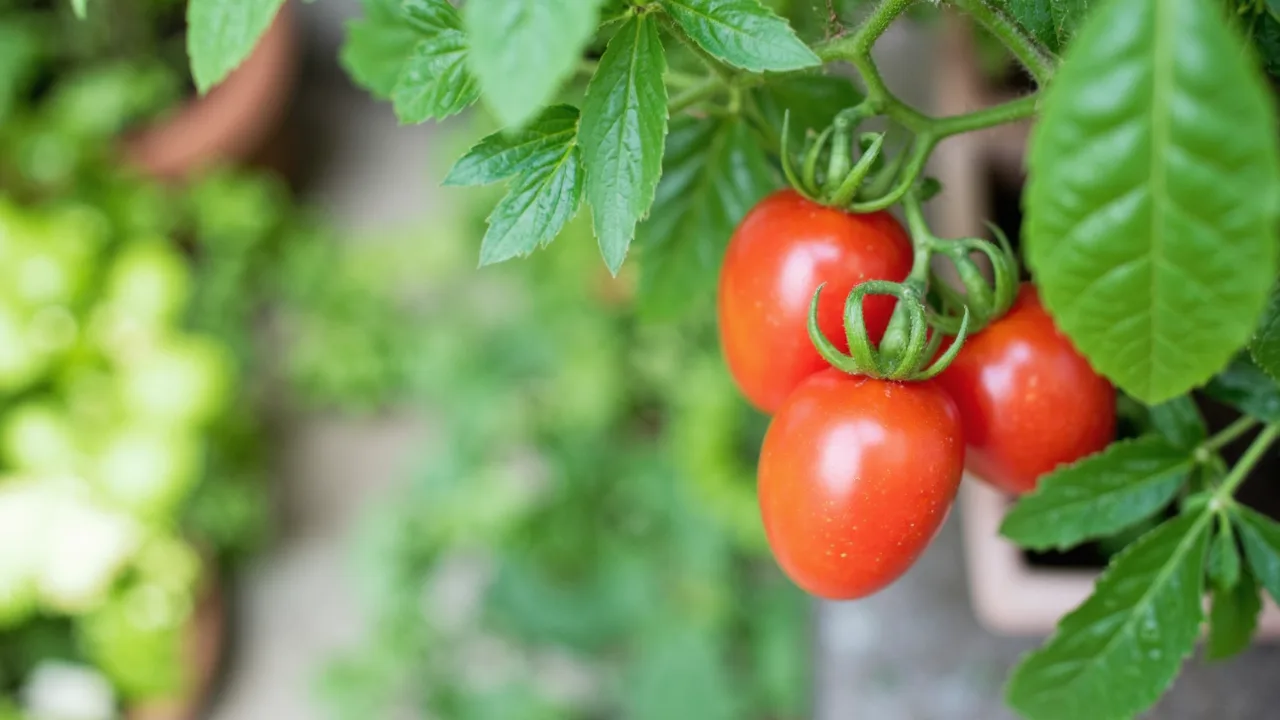
Yes — tomatoes grow brilliantly in the UK, and most gardeners get their heaviest crops from a greenhouse, polytunnel or a sunny windowsill. Sow seed indoors in late February to mid-March, pot on as the seedlings grow, plant out from late April (under cover) or late May to early June (outdoors once frost has passed), and you'll be picking ripe fruit from July through October.
# climate:
#   hardiness_code: n/a
#   hardiness_label: Half-hardy annual, killed by frost
#   hardiness_temp: n/a
#   best_month: 4
#   uk_zones: England, Wales, Scotland & Northern Ireland
#   last_reviewed: 2026-07-20
| Row | Details |
|---|---|
| Difficulty | Moderate |
| Time to harvest | Crops from July to October |
| Spacing | 60 cm between cordons |
| Sun | Full sun |
| Soil | Fertile, moisture-retentive |
| Hardiness | Half-hardy annual, killed by frost |
| Sow | February–March (heated propagator at 18–21°C) |
| Harvest | July–October |
Overview
Tomatoes (Solanum lycopersicum) are the most-grown edible in UK gardens, which is the only statistic you really need to know before trying them yourself. Both the RHS and Gardeners' World put them top of the list year after year, and in a good British summer a single cordon plant in a greenhouse will reliably give you 4–5 kg of fruit between July and October.
In the UK, tomatoes do best under cover — a greenhouse, a polytunnel, or a bright south-facing windowsill. Outdoor bush types are worth a punt in a warm summer, but you need to choose varieties bred for cooler, shorter seasons and accept that a wet August can take the lot. This guide covers both indoor and outdoor growing, and walks you from sowing seed through to your last harvest of the year.
When to Start in the UK
Tomatoes want a long, warm growing season — and the UK doesn't give them one for free. You start them early indoors, then move plants out only when conditions are safe.
- Sow seed: late February to mid-March. Use a heated propagator set to 18–21°C. I start mine in the last week of February on a windowsill propagator and have sturdy plants ready for the greenhouse by late April. February-sown seeds catch up fast; March sowings still crop well but start picking a fortnight later.
- Pot on at first true leaves. Move seedlings into 9 cm pots once the second pair of leaves has formed (around 3–4 weeks after sowing).
- Harden off in late April to early May. Seven to ten days of leaving plants outside during the day and bringing them in at night. Skip this step and the leaves bleach white and the plants stall.
- Plant out in the greenhouse: late April (south UK) to mid-May (north UK). A heated greenhouse lets you go earlier; an unheated one needs you to wait until nights stay above about 5°C.
- Plant outdoors: late May to early June. Wait until after your last frost date — roughly late May in the south and mid-June in Scotland and the north of England. Outdoor temperatures need to be reliably above 10°C for steady growth.
For timing tied to your local conditions, the UK frost dates by region and June planting guide are useful cross-references. A 4-week head start indoors is the single biggest factor in getting ripe tomatoes outdoors in the UK. If you're weighing whether to start under cover or on a windowsill, our indoor seed-sowing guide walks through the propagator setup in more detail.
What You'll Need
- Tomato seed of UK-available varieties (see the Varieties section below).
- Seed tray or 9 cm pots with a clear lid, or a heated propagator.
- Multi-purpose compost for sowing; later, peat-free potting compost.
- 9 cm pots for pricking out; final pots or grow bags — a 10-litre pot or one plant per grow bag is the standard for cordons.
- Canes (1.8 m) and soft twine for supporting cordons; pea netting or a wire frame for bush types outdoors.
- Liquid tomato feed — a high-potash feed such as Tomorite or a seaweed-based alternative.
- A max-min thermometer for the greenhouse — handy for spotting cold snaps before plants do.
- Fleece or horticultural fleece for late frosts outdoors, and shade netting for very hot July days in the greenhouse.
If you only have a windowsill, a 30 cm pot and a south-facing sill will do. Most gardeners I know start with four plants and end up with twelve by July. For general soil and compost basics and watering can advice you'll use day-to-day, those are the kit pages worth a read.
Step-by-Step Guide
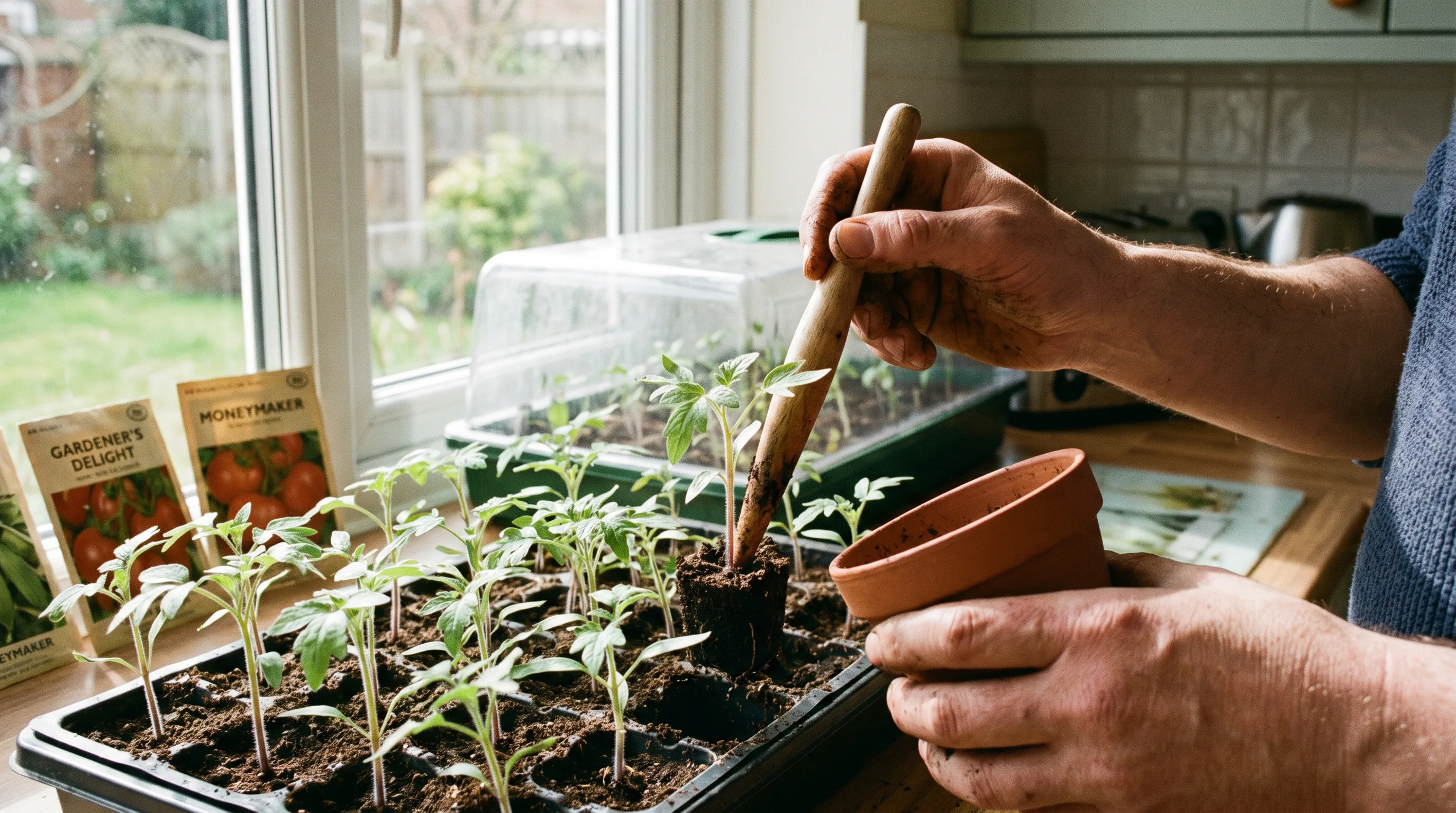
- Sow thinly into seed trays or small pots of multi-purpose compost. Cover with 5 mm of compost, water from below, and cover with a clear lid. Keep at 18–21°C — a heated propagator on a windowsill is ideal. Germination takes 7–14 days.
- Prick out into 9 cm pots once the first true leaves are fully open. Handle seedlings by the leaves, not the stem — stems bruise and the plant rarely recovers.
- Pot on into their final containers when roots fill the 9 cm pot. Cordons go into 10-litre pots or one per grow bag; bush types into 15-litre pots or hanging baskets.
- Plant cordons 60 cm apart. Push a 1.8 m cane into each pot or grow bag, then plant the seedling deep — up to the first true leaves — so it roots along the buried stem.
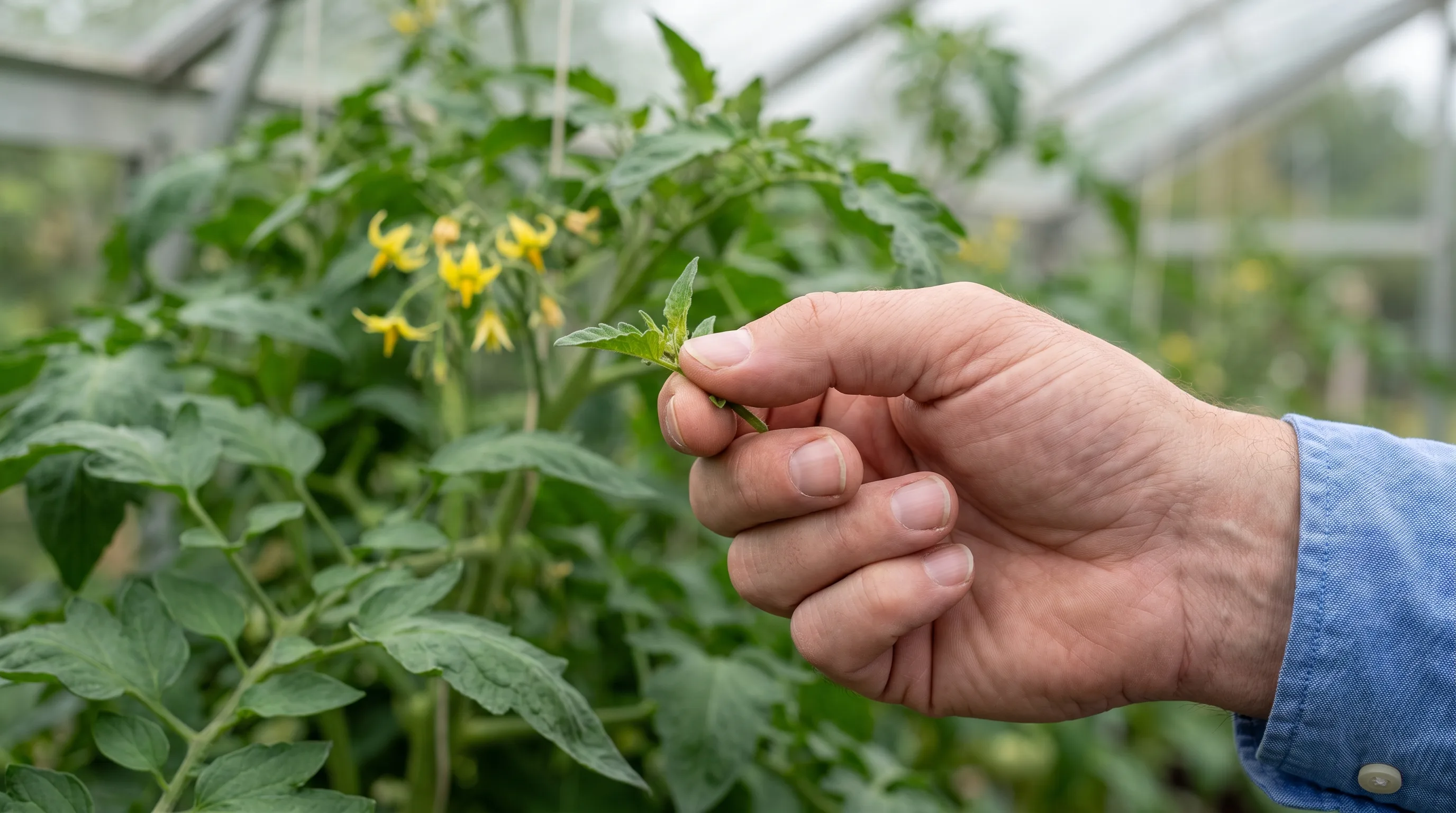
- Pinch out side shoots on cordons every few days once they're 5 cm long. Side shoots are the small stems that appear in the leaf axil. Leave bush types alone; they branch naturally.
- Train the main stem up the cane loosely with soft twine, adding a new tie every 20 cm as the plant grows.
- Water consistently. Twice a day in hot weather for greenhouse plants, morning and evening. Outdoor plants usually manage with a thorough soak every other day. Most gardeners I've helped blame "the heat" when the real culprit is irregular watering.
- Start feeding when the first truss of fruit sets — usually when the plant has six true leaves and the flowers at the base have turned into tiny green tomatoes. Feed weekly with a high-potash liquid at the maker's rate.
- Pinch out the growing tip of cordons in early August (south) or late July (north) once four to five trusses have set. This diverts energy into ripening existing fruit rather than producing more you won't have time to mature.
- Harvest as fruit colours up. Pick tomatoes when they've developed full colour but are still firm — flavour peaks just before the fruit goes soft.
Common Problems
Tomato blight (Phytophthora infestans)
- Symptom: Brown-black lesions on leaves and stems, often with a pale green water-soaked margin, followed by greasy-looking brown patches on the fruit. Often strikes from late July onwards in warm, wet weather.
- Cause: The same fungal-like oomycete that causes potato blight — it blows in on the wind, then spreads in humid conditions. Outdoor tomatoes are most at risk; greenhouse crops usually escape.
- Fix: Grow cordons under cover where possible. If you grow outdoors, choose blight-resistant varieties such as 'Crimson Crush' or 'Mountain Magic'. Remove and bin (don't compost) infected plants at first sight. Spray with a copper-based fungicide (still legal for home gardeners as of 2024) preventatively if you live in a known blight area.
Blossom end rot
- Symptom: A sunken, leathery black patch on the bottom of the fruit, often on the first truss.
- Cause: Calcium deficiency inside the fruit — but almost always triggered by irregular watering, not by lack of calcium in the soil. Compost dries out, roots can't take up calcium, fruit develops the rot while still small.
- Fix: Water consistently. Mulch the surface of pots and grow bags with straw or compost to keep moisture even. Affected fruit won't recover — pick and bin them so the plant puts energy into the next truss.
Splitting fruit
- Symptom: Concentric cracks around the top of ripe tomatoes, or deep vertical splits.
- Cause: A sudden flush of water after a dry spell — the fruit swells faster than the skin can stretch.
- Fix: Pick split fruit promptly (they go mouldy fast) and steady your watering routine. Mulching the surface of pots cuts this problem in half.
Whitefly under cover
- Symptom: Tiny white insects fly up in clouds when you brush the plants. Leaves become sticky with honeydew and may go black with sooty mould.
- Cause: A common greenhouse pest that breeds year-round under glass.
- Fix: Hang yellow sticky traps at plant height from May. Introduce Encarsia formosa — a tiny parasitic wasp sold as biological control in the UK — once temperatures are above 18°C. Most gardeners find a combination of traps and the wasp clears a light infestation in three weeks.
Cold-snap stunting
- Symptom: Leaves turn purplish, growth stops, plants look as if they've been frosted even though they weren't.
- Cause: Night temperatures below about 8°C, especially in an unheated greenhouse in April or May. Tomatoes stall rather than die — they resume growth once it warms up, but you've lost two to three weeks.
- Fix: Hold off planting out until night temperatures are reliably above 8°C. Use a thermometer to confirm. Cover outdoor plants with fleece on cold nights — a double layer of fleece buys you about 3°C of protection.
Expert Tips
- Use the deep-planting trick. Bury seedlings up to the first true leaves when potting on. The buried stem throws out extra roots, and the plant grows faster than one potted at the same depth it germinated at.
- Tap the flowers. In a greenhouse with no wind, cordons need help to pollinate. Tap the support cane once a day when the flowers are open, or run a hand gently over the trusses — vibration is enough to release the pollen.
- Water in the morning, not the evening. Evening watering in a cool August raises humidity and invites blight. Morning waterings let the plants drink before the day warms and let the compost surface dry out before night.
- Save your own seed from open-pollinated types like 'Gardeners' Delight', 'Moneymaker' or 'Tigerella'. F1 hybrids like 'Sungold' won't come true, but the heirlooms will. Ferment the seed in a little water for three days, rinse, and dry on a plate.
- Remove the bottom leaves once the first truss has set. By the time the second truss is flowering, the lowest leaves are doing little work and are usually the first to catch blight. Pinch them off at the main stem.
FAQ
When should I sow tomatoes in the UK? Sow seed indoors in a heated propagator at 18–21°C from late February to mid-March. In the south UK you can stretch to early April for a later but still worthwhile crop. North of the border, aim for the first half of March.
Can I grow tomatoes outside in the UK? Yes, but outdoor crops are weather-dependent. Choose bush varieties bred for UK conditions — 'Red Alert', 'Tumbling Tom' or blight-resistant cordons like 'Crimson Crush'. Plant out after your last frost date, ideally in the sunniest, most sheltered spot in the garden, and accept that a wet August can wipe the lot out.
Why are the leaves on my tomato plant going yellow? Yellowing lower leaves usually mean nitrogen shortage — start a weekly high-potash feed (which contains enough nitrogen for tomatoes) and the next flush of growth should be green. Yellowing between the veins on upper leaves suggests magnesium deficiency; a foliar spray of Epsom salts (1 tablespoon in 4.5 litres of water) clears it within a week.
Do I need to pinch out side shoots? Only on cordon (indeterminate) varieties. Bush (determinate) types branch naturally and side-shoot removal actually reduces their yield. If you're unsure which type you have, check the seed packet — cordons are usually described as "indeterminate" or "train up a cane".
How long do tomatoes take to ripen in the UK? From sowing to first ripe fruit is about 16–20 weeks, depending on variety and conditions. A February sowing in a heated greenhouse typically crops from late June; an outdoor bush in a poor summer might not fruit until mid-August. Picking green fruit in October and ripening it on a windowsill is normal practice in the UK. For more on storing the harvest once you've stripped the plants in late autumn, that's covered separately.
Varieties to Try
- 'Gardeners' Delight' — The classic UK cherry. Cordon, very reliable, sweet fruit, sets well even in cool summers. Widely available from all UK seed merchants.
- 'Sungold' F1 — An orange cherry that's become a UK favourite for its exceptional sweetness. Cordon, best under cover. Seed from Kings Seeds, Mr Fothergill's, or Suttons.
- 'Moneymaker' — A traditional UK cordon that's been grown since the 1960s. Mild flavour, reliable in poor summers, ideal for a first-time grower. Available everywhere.
- 'Tigerella' — A stripey heirloom, ready earlier than most large types (around 55 days from planting out). Cordon, with a slightly sharp flavour. Try from Real Seeds or the Heritage Seed Library.
- 'Shirley' F1 — A classic greenhouse cordon, heavy-cropping, with good disease resistance. Sold by all major UK suppliers.
- 'Tumbling Tom' — A bush type bred for hanging baskets and patio containers. Sweet cherry fruit, no training needed. Widely sold as young plants from garden centres in May.
- 'Red Alert' — A bush type for outdoor growing. Reasonable blight tolerance, fruit from late July onwards in the south. From Kings Seeds or Thompson & Morgan.
Sources & Further Reading
- RHS: Tomato growing advice — UK hardiness framing, sowing and feeding guidance, and a list of RHS-recommended varieties.
- BBC Gardeners' World: How to grow tomatoes — practical month-by-month coverage with UK variety recommendations.
- Garden Organic: Tomato factsheet — organic-leaning cultivation, common pest and disease treatment.
- ADAS / AHDB Horticulture: tomato production guides — commercial-grade UK timing, feeding and irrigation figures used as the reference for cordon and bush spacing.
- NIAB: Tomato variety trials — independent UK trials data on newer F1 varieties and blight resistance.
- Which? Gardening: tomato variety taste tests — independent UK taste and yield reviews updated annually.
Plants in this guide
GardenWizz earns a commission from qualifying purchases made through affiliate links on this page (including links within the article) — as an Amazon Associate, and from Thompson & Morgan via the Awin network. This does not affect the price you pay. See our disclaimer for details.