
How to Get Rid of White Dead-nettle
White dead-nettle (Lamium album) is a common perennial weed of UK hedge banks, borders and rough ground. Like its red-flowered relative it does not sting — the resemblance to a true nettle is…
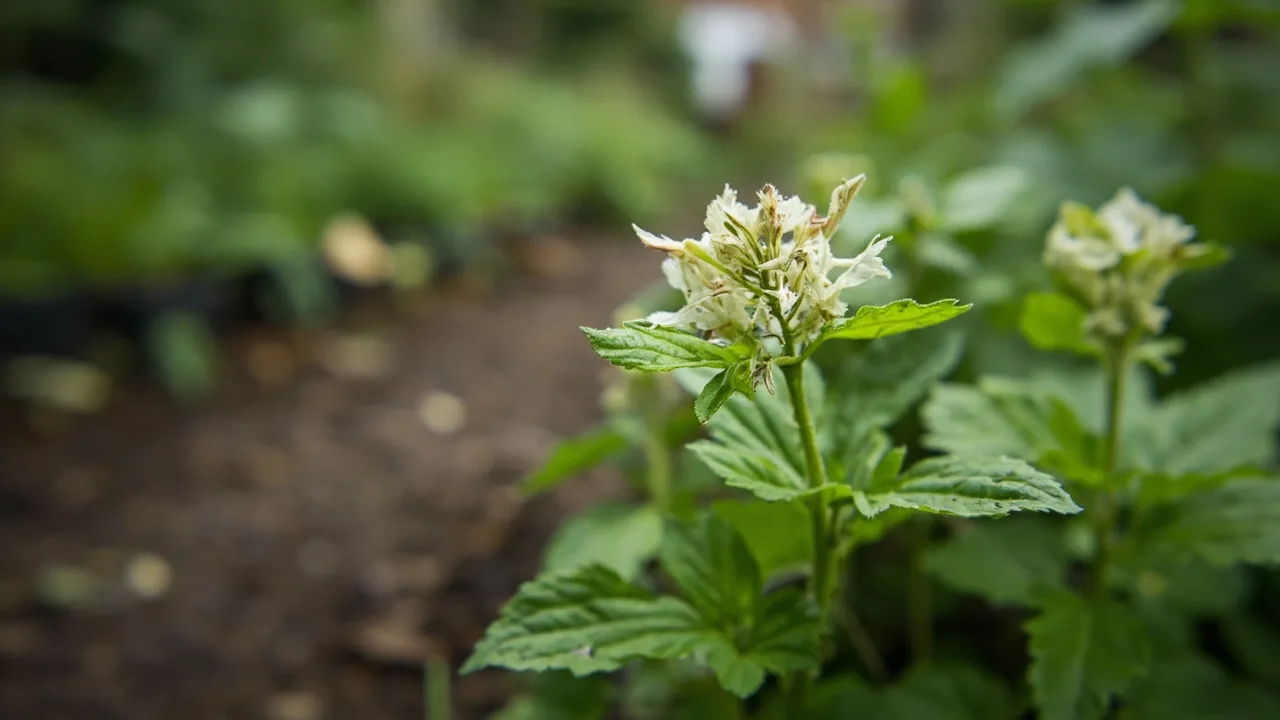
White dead-nettle (Lamium album) is a common perennial weed of UK hedge banks, borders and rough ground. Like its red-flowered relative it does not sting — the resemblance to a true nettle is only in the leaf. The difference that matters for control is that white dead-nettle is a perennial that spreads by creeping underground rhizomes as well as by seed, so it is rather more persistent than the annual red dead-nettle and needs the roots dealt with, not just the top. This guide covers how.
How to identify it
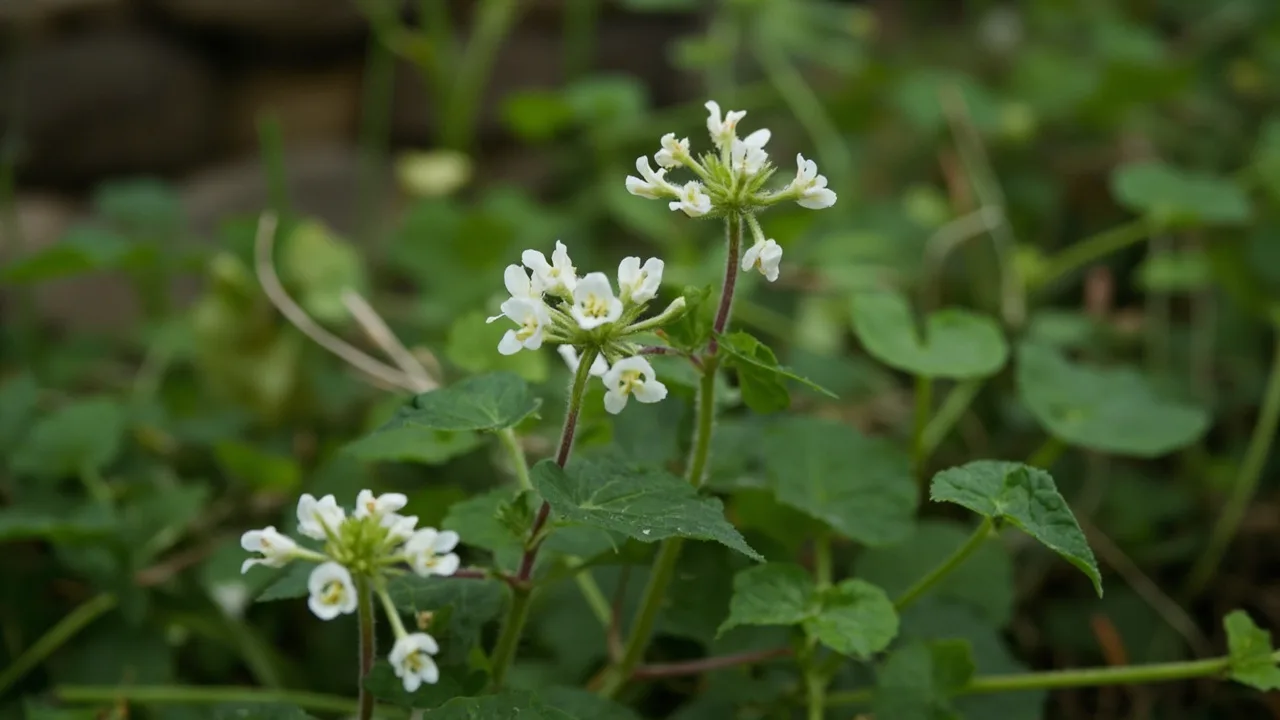
White dead-nettle forms patches of upright square stems with soft, nettle-shaped, toothed leaves and whorls of pure white, hooded two-lipped flowers from spring through summer. The leaves do not sting. Below ground it spreads by shallow creeping rhizomes that send up new shoots, so it tends to form a slowly expanding clump rather than scattered single plants.
How to get rid of white dead-nettle
Dig out the rhizomes. Because it regrows from its creeping roots, lasting control means lifting the rhizome network, not just pulling the tops. Fork through the clump and remove the white running roots; any fragment left behind can resprout, so work over the area and check again a few weeks later. This is the key step for a perennial spreader.
Hoe the seedlings. New plants also arise from seed, so hoe or hand-pull seedlings while they are small and shallow. Regular removal stops the patch expanding from its edges.
Mulch and suppress. A thick organic mulch over cleared ground, or a dense border planting, denies both seed and weakened rhizomes the light they need to re-establish.
Weedkiller. For a well-established patch that is hard to dig out, a glyphosate-based weedkiller applied to the actively growing foliage is taken down to the roots; treating the regrowth after an initial cut improves uptake. Follow the label and keep it off nearby plants.
Stopping it coming back
Watch the edges of the cleared patch and hedge bottoms, where rhizomes and seed re-invade, and remove new shoots promptly. Keeping ground mulched or densely planted is the simplest long-term defence.
Should you keep some?
Like red dead-nettle, white dead-nettle is valuable to wildlife — its long white flowers are a favourite of long-tongued bumblebees through much of the season. It is harmless to handle and not aggressively invasive, so many gardeners leave a stand on a hedge bank and only control it where it spreads into cultivated beds.
Plants in this guide
Recommended Products
GardenWizz earns a commission from qualifying purchases made through affiliate links on this page (including links within the article) — as an Amazon Associate, and from Thompson & Morgan via the Awin network. This does not affect the price you pay. See our disclaimer for details.
Related Articles
More →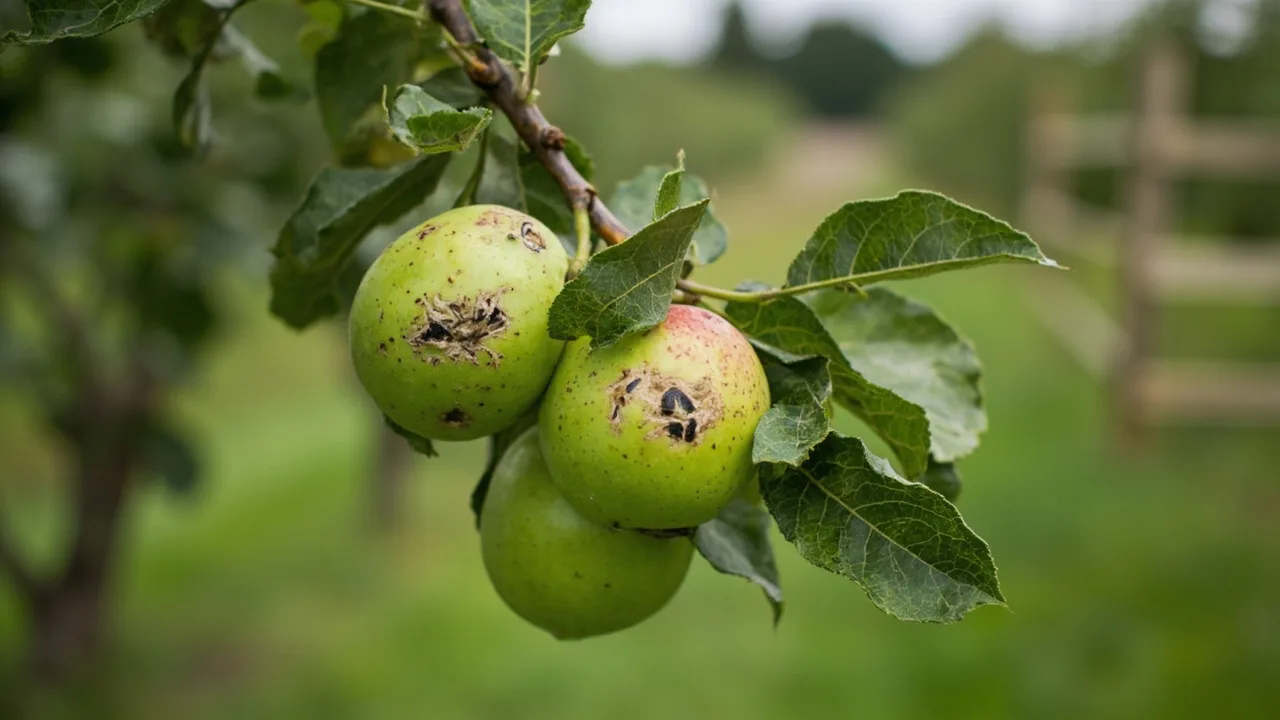 Problem Solver
Apple Scab: How to Identify and Treat It
22 July 2026Apple trees in your garden can be a source of joy, but apple scab can turn your harvest into a disappointing mess of distorted, blackened fruit. This common fungal disease, caused by Venturia…
 Problem Solver
How to Get Rid of Burdock
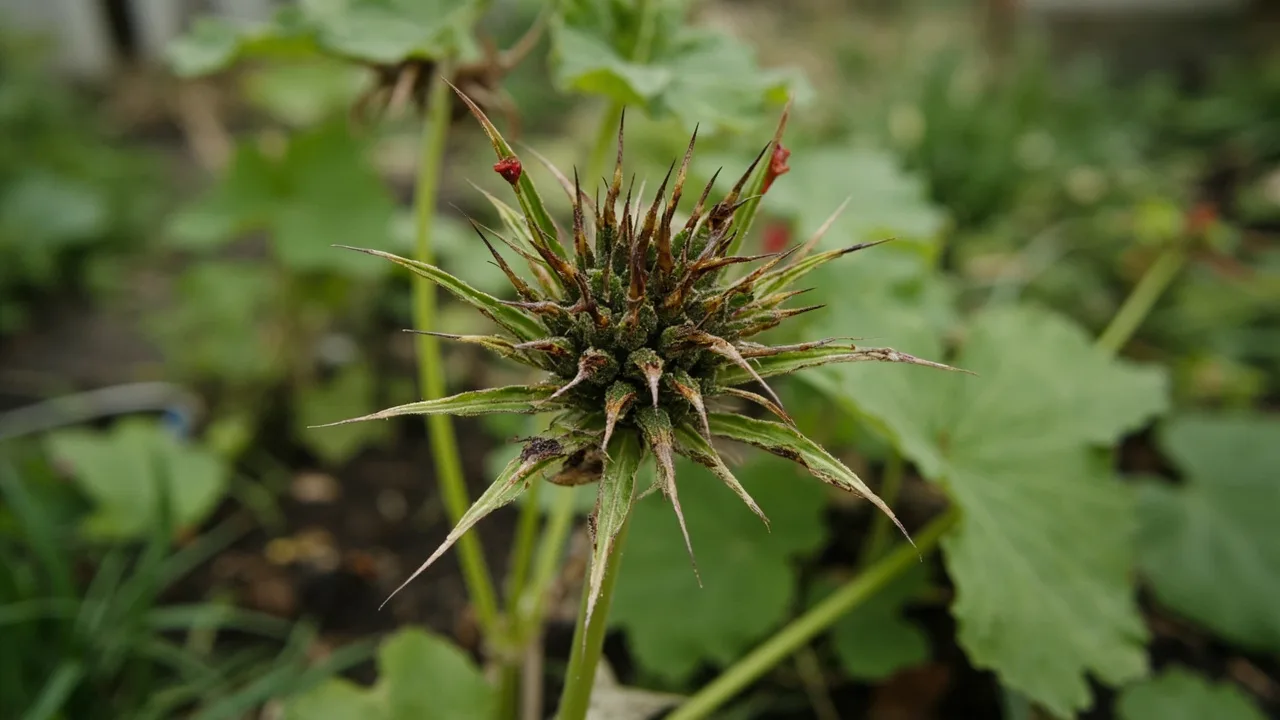
21 June 2026Lesser burdock (Arctium minus) is a large biennial weed of UK hedgerows, waste ground and the neglected corners of gardens. In its first year it builds a broad rosette and a deep taproot; in its…
 Problem Solver
How to Get Rid of White Bryony
21 June 2026White bryony (Bryonia dioica) is a fast-growing perennial climber found scrambling through UK hedges, fences and shrubs, mainly in England. It is Britain's only native member of the cucumber family,…