Keeled Garlic
Allium carinatum
The Gardening Year
Best months in UK gardens · full planting calendar →
🖨 Printable care card (PDF)At a Glance
| Botanical name | Allium carinatum |
|---|---|
| Common name(s) | Keeled Garlic |
| Family | Amaryllidaceae |
| Plant type | bulb |
| Height × Spread | 50–100 cm × 10–50 cm |
| Position | Full sun |
| Soil | fertile well-drained soil |
| Flowering | June–August |
| Toxicity | TOXIC to pets |
| Native range | Mediterranean Region from Spain to Turkey, north to Sweden and the Baltic Republics |
Overview
Keeled garlic (Allium carinatum) is a bulbous perennial from the Amaryllidaceae family, closely related to onions, chives, and the ornamental alliums widely grown in UK gardens. The species is found across much of Europe and western Asia, with isolated naturalised populations in parts of the British Isles, particularly on dry, sunny banks and rocky ground. Two subspecies are generally recognised: subsp. carinatum, which produces bulbils in the inflorescence, and subsp. pulchellum, which does not. Both are attractive, easy-to-grow plants for gardeners looking to extend the allium season beyond the better-known May and June show of A. hollandicum and its cultivars.
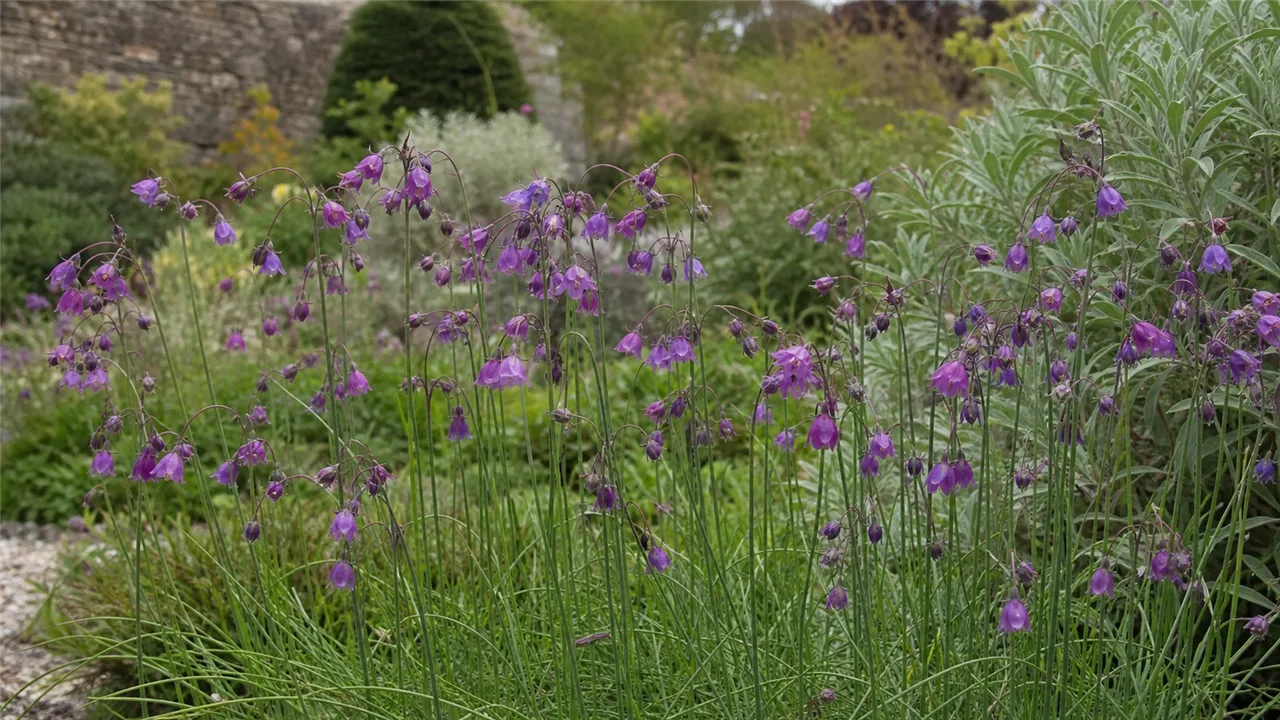
In the garden, keeled garlic is valued for its loose, airy umbels of pendent, bell-shaped flowers that appear in mid to late summer — a useful succession plant after the main flush of ornamental alliums. It suits cottage borders, gravel gardens, rock gardens, and naturalised drifts, and is reliable in well-drained soil in full sun. Like other alliums it is pollinator-friendly, attracting bees and butterflies, and is said to deter some pests when used as a companion plant near vegetables. Bulbs, leaves, and flowers carry the familiar garlic scent when bruised, a useful identifier for gardeners new to the genus.
Appearance
Allium carinatum grows from a small, narrow bulb and reaches 30–60 cm in height when in flower, occasionally taller on rich soils. The leaves are basal, slender, linear, and distinctly channel-shaped (the "keel" of the common name refers to the sharply ridged midrib on the back of the scape rather than the leaves themselves). They are typically 3–6 mm wide, mid-green, and slightly glaucous, dying back as the plant comes into flower.
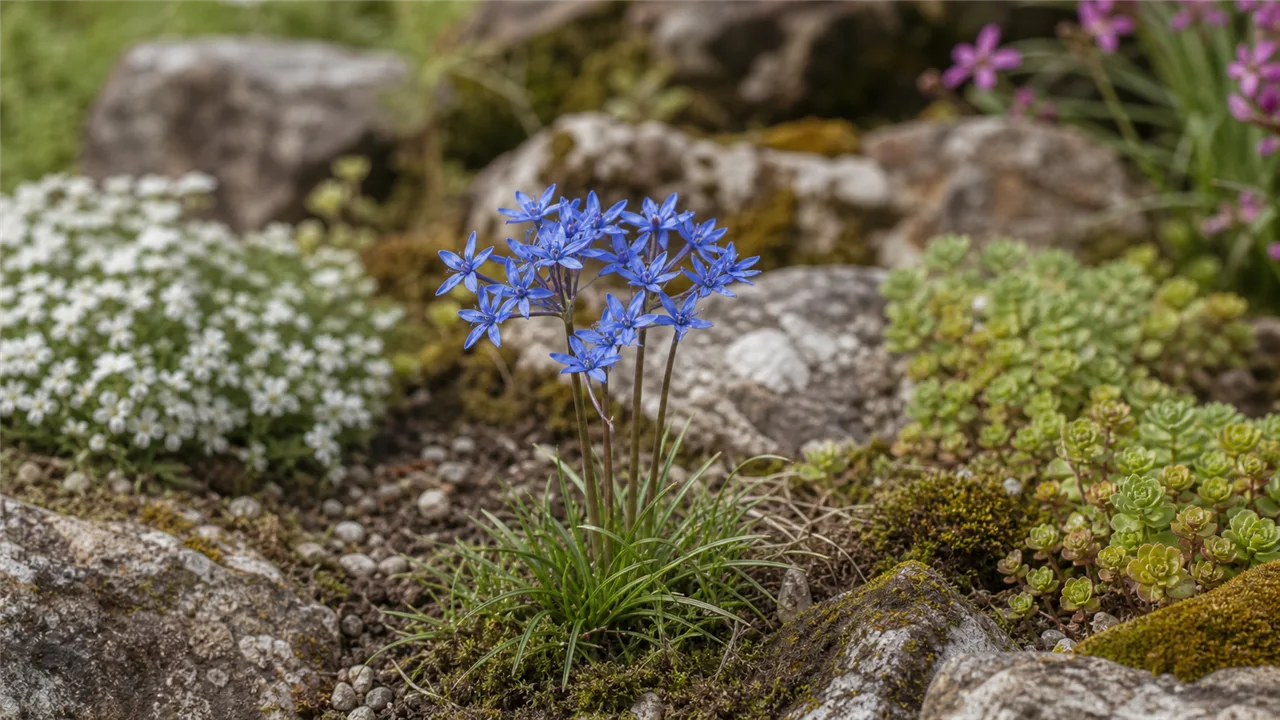
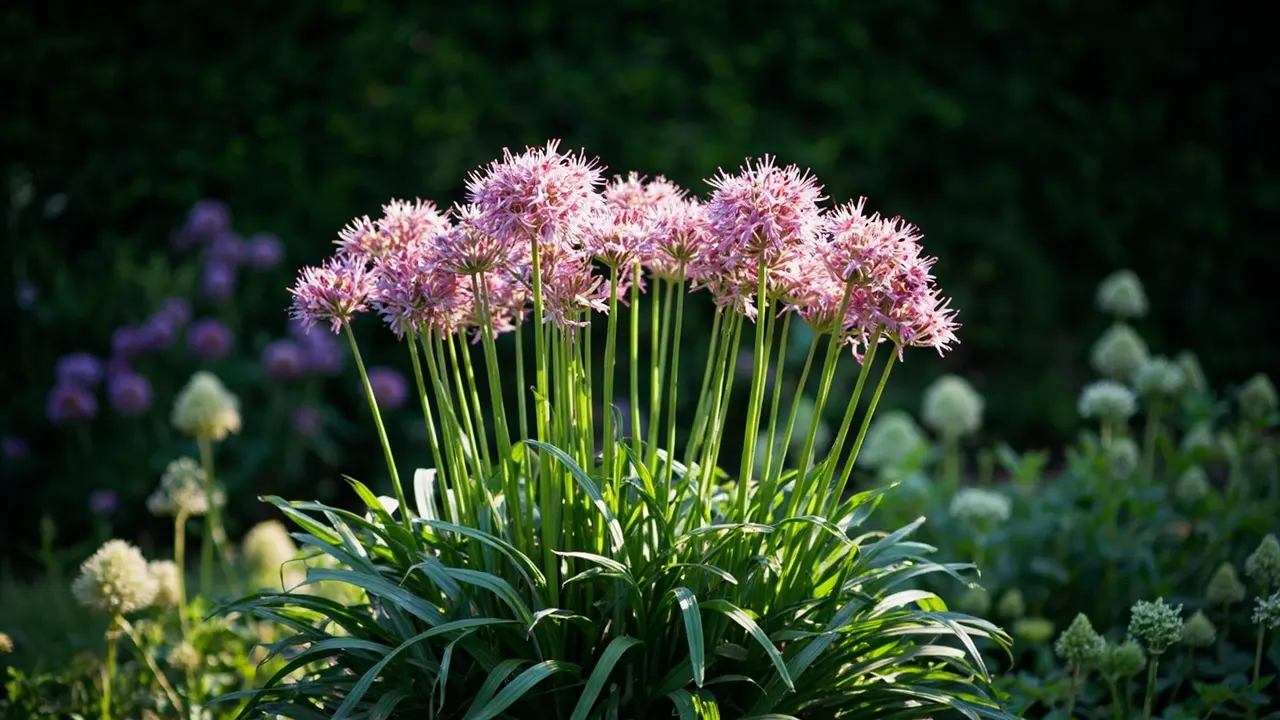
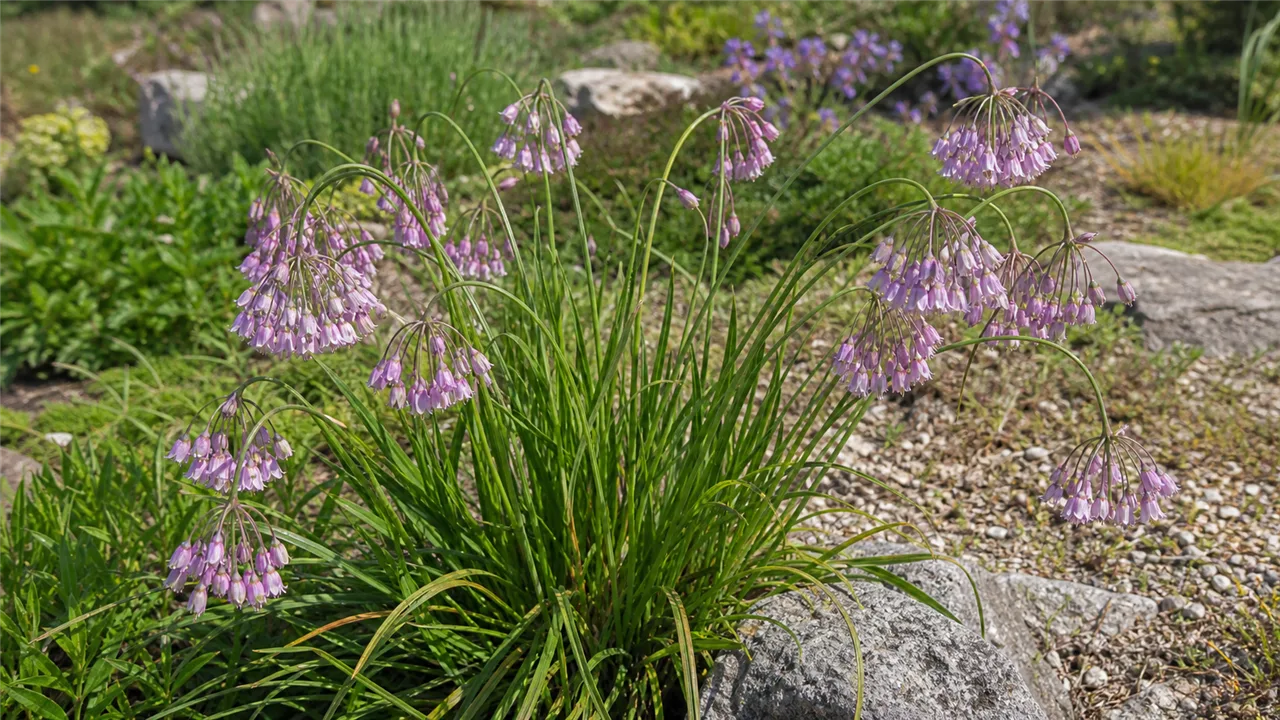
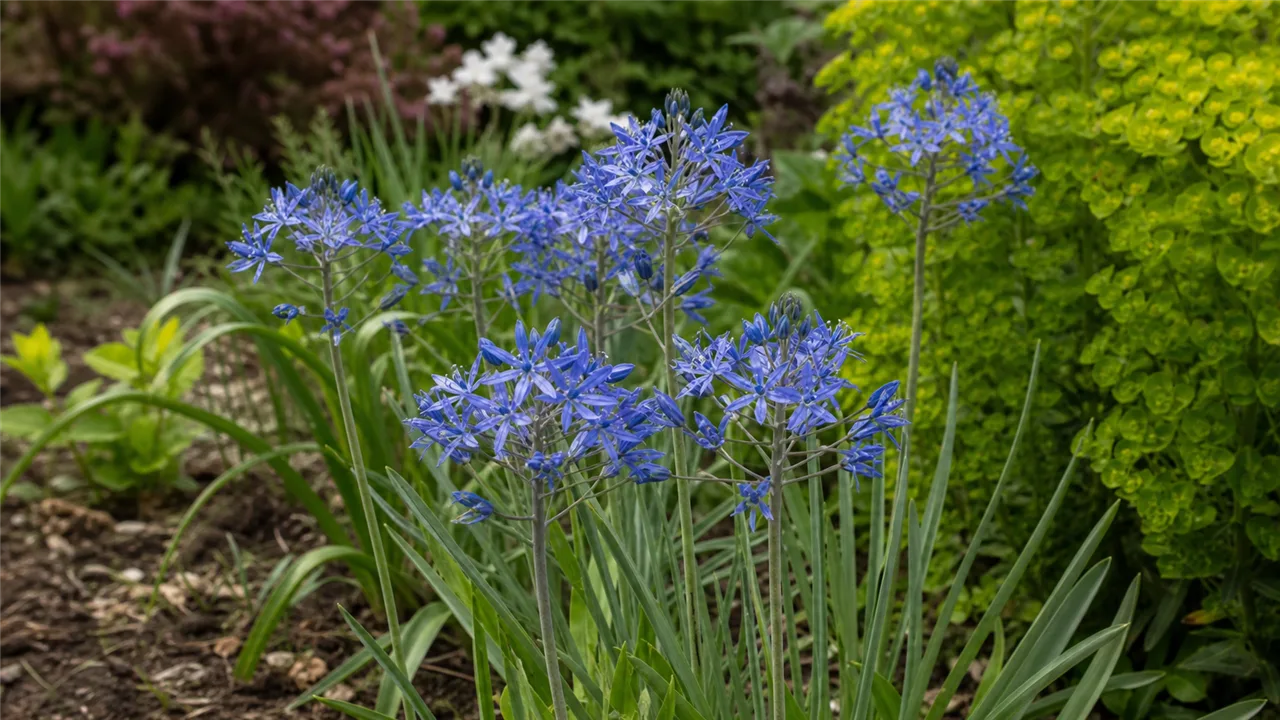
The flowering stems (scapes) are slender, hollow, and gently ribbed, holding a loose, somewhat one-sided umbel of pendent flowers on long, wiry pedicels. Each umbel carries around 10–20 bell-shaped flowers, usually a deep reddish-purple to pinkish-magenta, though a pure white form (sometimes sold as Album) is also grown. Flowering season in the UK runs from June through August, with peak display typically in July. After the flowers fade, the umbels form attractive seed heads that persist into late summer and can be left on the plant for decorative effect or harvested for dried arrangements. In subsp. carinatum, small purplish bulbils often develop among the flowers, giving the head a slightly tufted appearance.
Growing Conditions
Keeled garlic performs best in full sun, where its slender stems remain upright and the flowers colour up well. South- or west-facing borders, open rock gardens, and gravel gardens are all ideal settings. The plant tolerates light dappled shade but tends to flop and flower poorly in heavier shade.
Soil should be well-drained and moderately fertile. A. carinatum will grow in loam, sandy loam, or stony soils, and once established it copes well with summer dryness — a useful trait in drier eastern counties or in gravel plantings. It dislikes waterlogged conditions, particularly over winter, when dormant bulbs are prone to rot. The preferred pH range is neutral to slightly alkaline (about pH 6.5–7.5); very acidic ground should be limed before planting.
Allium carinatum holds a UK hardiness rating, suitable for gardens throughout most of the country. Gardeners in colder or exposed inland sites can plant a little deeper (towards 15 cm) to give bulbs extra protection through the worst of the winter.
Planting and Care
Plant bulbs in autumn, between September and October, while the soil is still workable and warm enough to encourage root establishment before winter. Set bulbs 10–15 cm deep, pointed end up, and space them 10–15 cm apart in informal groups or drifts of at least 10–15 bulbs for visual impact. In heavier soils, work in some horticultural grit at the base of each planting hole to improve drainage.
Watering needs are modest. Water sparingly during active growth in spring and early summer if the weather is particularly dry, then reduce watering once the foliage begins to yellow. Overwatering, particularly outside the growing season, is the most common cause of failure.
Feeding should be light. A scattering of balanced general fertiliser or bone meal in early spring as new growth emerges is sufficient. Avoid high-nitrogen feeds, which encourage leafy growth at the expense of flowers and can also produce soft growth that is more susceptible to fungal disease.
Propagation is straightforward. Established clumps increase naturally by offsets (bulbils) around the parent bulb and can be lifted and divided every 3–5 years in autumn, once flowering begins to decline or clumps become congested. The species also comes true from seed, though seed-raised plants take 2–3 years to reach flowering size. In subsp. carinatum, the aerial bulbils in the flower head can also be collected in late summer and sown like seed; they usually germinate readily and flower sooner than seed-grown stock.
Seasonal care centres on allowing the foliage to die back naturally after flowering. Do not cut, tie, or remove leaves while they are still green, as the bulbs depend on this period to rebuild reserves for the following year. Lift and separate overgrown clumps in September or October, replanting the largest bulbs immediately at the correct depth and spacing; in mild regions bulbs can be left undisturbed indefinitely. In wetter gardens or on heavy clay, lifting and storing dry over winter is a reasonable precaution against bulb rot.
Common Problems
Allium leaf miner is increasingly reported in the UK and can affect A. carinatum. Small maggot-like larvae tunnel through leaves and stems, leaving pale streaks and distorted growth. Affected plants should be removed and destroyed, and rotation of allium planting positions helps break the cycle.
Downy mildew appears as a greyish, downy fungal coating on leaves in cool, damp spring weather. Improving air circulation and avoiding overhead watering reduces the risk; badly affected foliage can be cut back and disposed of (not composted).
Rust shows as orange-brown pustules on the leaves, most often in wet summers. Remove and destroy affected leaves at the first sign and avoid overhead watering.
Bulb rot is the principal risk in poorly drained or waterlogged soil. Bulbs become soft and discoloured, often failing to emerge in spring. Prevention is far easier than cure: improve drainage before planting and avoid sites where water sits over winter.
Smut occasionally affects alliums, producing black fungal spores that replace flower parts. Infected plants should be lifted and destroyed.
Voles and mice can dig up and eat bulbs in winter, particularly in light, sandy soils or near rough grass where rodent populations are high. Bulb cages or a layer of sharp grit in and over the planting hole offer reasonable protection.
Failure to flower is usually cultural rather than pest-related. The most common causes are planting too shallow, overcrowding in an old undivided clump, or excessive shade. Lifting, dividing, and replanting at the correct depth in autumn generally restores flowering the following season.
Popular Varieties
Allium carinatum is most often grown as the species itself, but a small number of named forms are worth seeking out from specialist bulb suppliers. Do check current availability each season, as stocks of some of these can be limited.
- Allium carinatum subsp. pulchellum — sometimes sold as "Pulchellum" or simply as the "non-bulbil form", this subspecies produces cleaner, more open umbels without the tuft of aerial bulbils seen in subsp. carinatum. The flowers are typically a vivid lilac-purple and the overall effect is slightly more refined. It is the form most often recommended for ornamental planting.
- Allium carinatum subsp. carinatum — the typical wild form, distinguished by the small purplish bulbils carried in the flower head. Useful where a more naturalistic look is wanted, and a free source of propagation material.
- 'Album' — a white-flowered form, occasionally listed by specialist allium growers. The umbels are creamy to pure white with a greenish centre, providing a cool counterpoint to the more usual purple varieties. Availability is inconsistent, so order early in the season.
Pests and Diseases
| Problem | Symptoms | Management |
|---|---|---|
| Allium leaf miner | White winding trails appear in leaves, which may wilt, turn brown, or collapse. | Remove and burn affected foliage immediately; lift bulbs in autumn to break the life cycle. |
| Onion fly | Leaves yellow, stop growing, or show small holes as larvae feed on the bulb base. | Use insect-proof netting from early spring; avoid planting near previous onion crops. |
| Onion white rot | Plants wilt and yellow prematurely; white, cottony fungal growth appears at the bulb base. | Remove infected plants and soil immediately; rotate with non-alliums for at least seven years. |
| Onion downy mildew | Yellowish patches on leaves develop into a grey-purple fuzzy mould, especially in damp weather. | Ensure good air circulation and avoid overhead watering; remove severely affected leaves. |
| Bulb rot | Bulbs become soft, mushy, and may emit a foul odour due to waterlogged soil. | Plant in well-drained soil or containers; avoid watering during dormancy. |
For step-by-step help, read Treating Powdery Mildew. Or browse the full plant problem solver to diagnose an issue by symptom.
Recommended Products
GardenWizz earns a commission from qualifying purchases made through affiliate links on this page (including links within the article) — as an Amazon Associate, and from Thompson & Morgan via the Awin network. This does not affect the price you pay. See our disclaimer for details.