Bellflowers
Campanula
The Gardening Year
Best months in UK gardens · full planting calendar →
🖨 Printable care card (PDF)At a Glance
| Botanical name | Campanula |
|---|---|
| Common name(s) | bellflowers |
| Family | Campanulaceae |
| Plant type | perennial (The species include annual, biennial and perennial plants) |
| Height × Spread | 0.1–2 m × — |
| Position | Full sun, Partial shade |
| Soil | moisture retentive free-draining soils; moist but well-drained soil; gritty soil |
| Flowering | March–September |
| Toxicity | — |
| Native range | temperate and subtropical regions of the Northern Hemisphere, with centers of diversity in the Mediterranean region, Balkans, Caucasus and mountains of western Asia. The range also extends into mountains in tropical regions of Asia and Africa. |
Campanula is a varied genus of bellflowers valued for blue, violet, white or pink blooms. Its annuals, biennials and herbaceous perennials range from tiny alpines to tall border plants, giving UK gardeners choices for walls, containers, rock gardens and mixed borders.
Overview
Campanula belongs to the Campanulaceae family and comprises a large group native mainly to temperate regions of the Northern Hemisphere. The genus is especially diverse in Europe and around the Mediterranean. Its common name, bellflower, describes the familiar nodding or outward-facing blooms, although some species bear open, star-shaped flowers rather than deep bells.
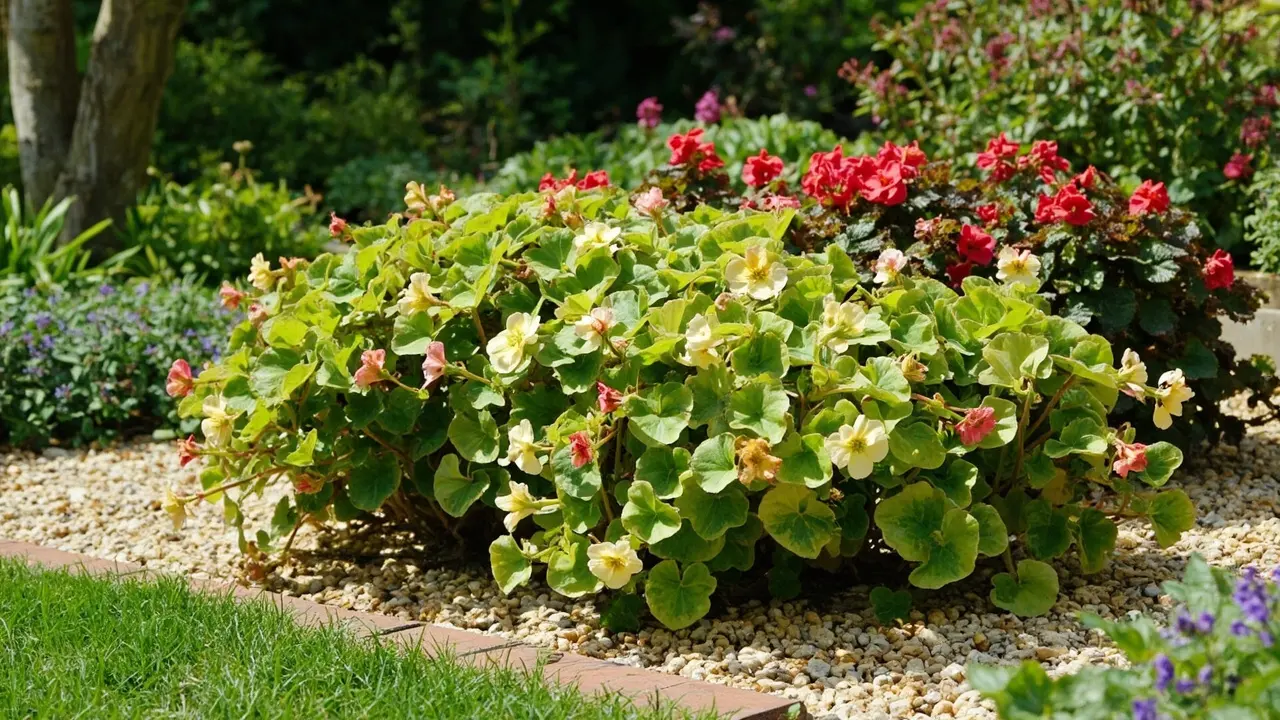
Garden campanulas differ too much for one cultivation method to suit every kind. Low, mat-forming species creep through rock-garden crevices, spill over troughs and soften path edges. Taller clump-forming species bring upright stems and clear colour to cottage-garden borders, while spreading bellflowers can provide ground cover where their growth can be contained. Most commonly grown perennial kinds are well suited to UK gardens when their drainage and moisture requirements are matched to the site.
Flowering commonly begins between May and July. Deadheading can prolong the display into August or September in responsive kinds. The flowers are useful to visiting insects, and the taller stems can also be cut for indoor arrangements. Growth habit and persistence vary: some plants remain neat cushions, some form slowly widening clumps and others travel assertively by rhizomes, stolons or self-seeding. Checking the eventual habit before planting prevents a vigorous species from overwhelming smaller neighbours.
Appearance
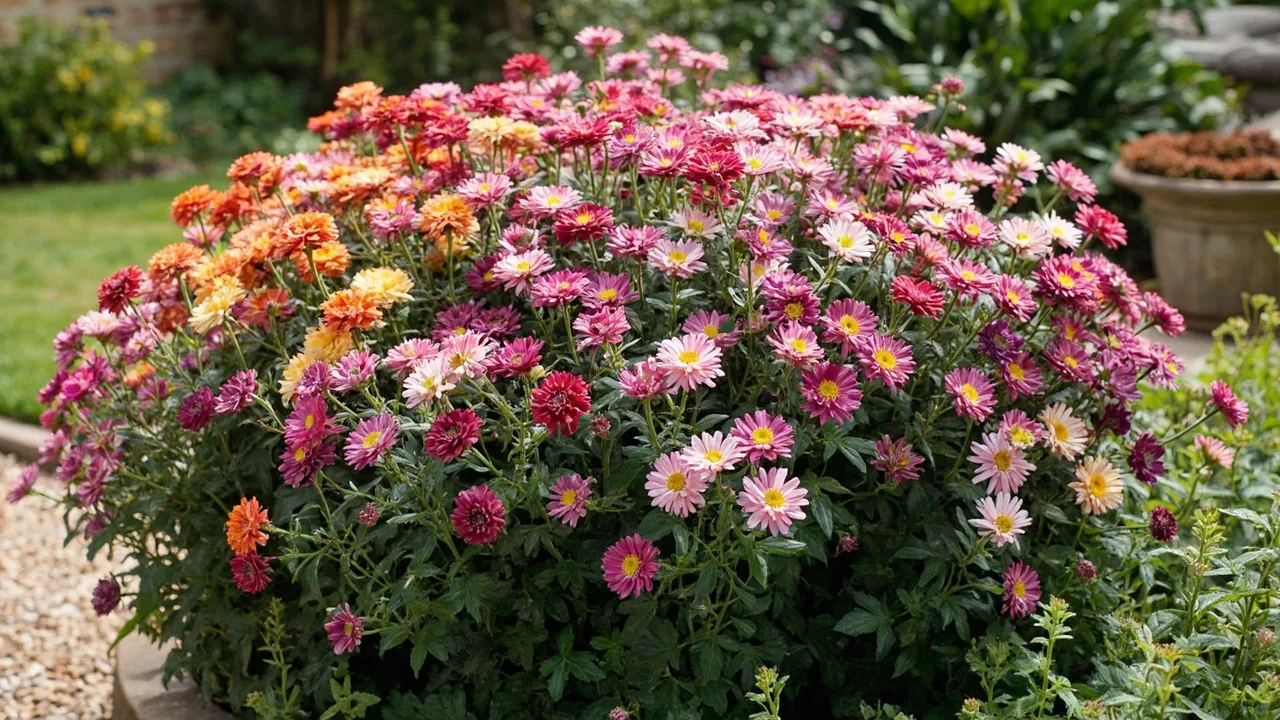
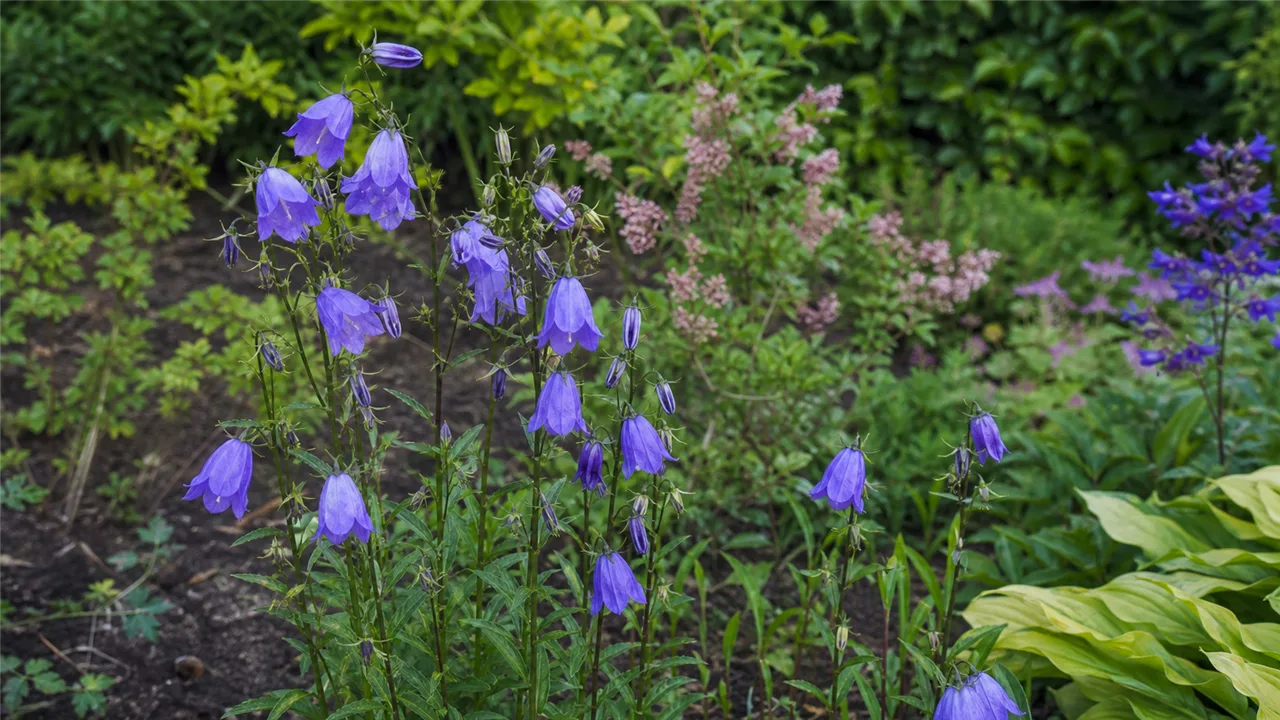
The defining flowers usually have five fused petals, forming bells, cups or broad stars. They may hang from slender stalks, face upwards or cluster densely around an upright stem. Blue and violet-blue are characteristic, but purple, mauve, white and pink forms are widely grown. The flower surface may be smooth or softly hairy, and some species have conspicuous dark spotting inside the corolla.
Foliage is generally green and simple, but its shape is highly variable. A single plant may carry broad, stalked basal leaves and narrower, almost stalkless leaves farther up the stem. Alpine plants often make compact rosettes or low cushions with small leaves that reduce exposure on rocky sites. Trailing species develop a loose network of stems, while border bellflowers form leafy clumps before sending up their flowering shoots.
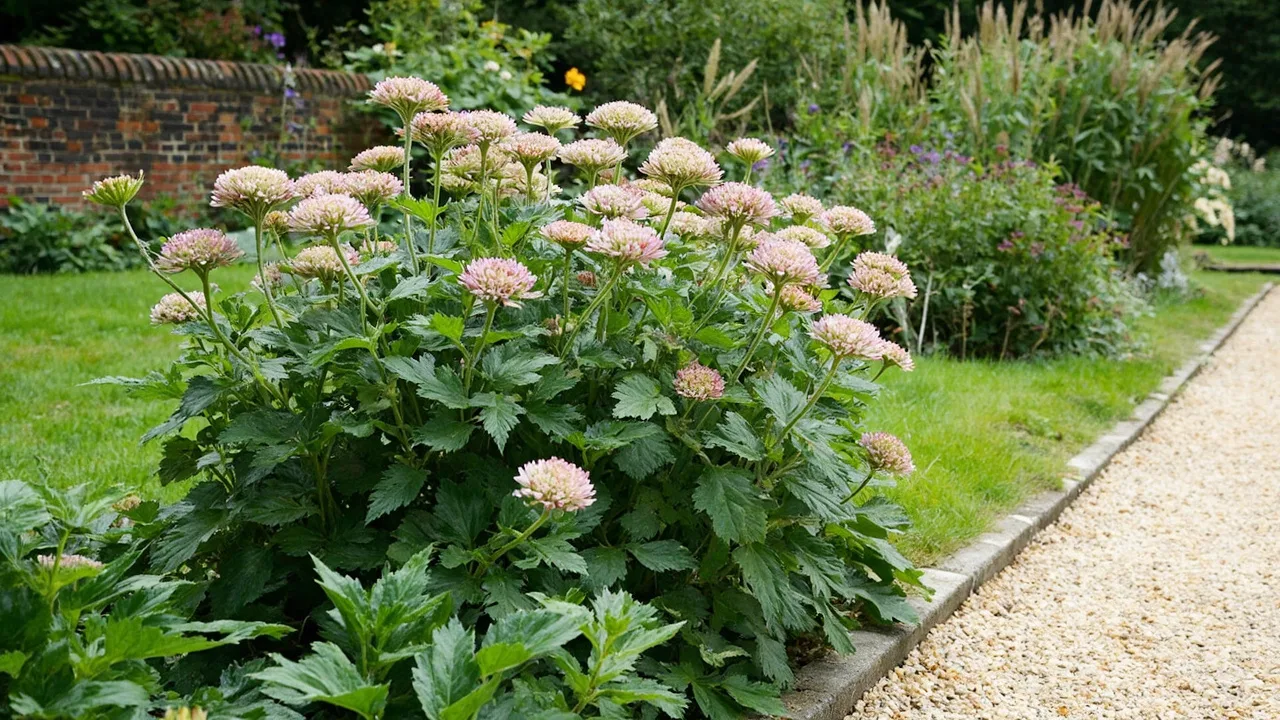
Height is equally diverse. The smallest alpines may rise only a few centimetres, whereas vigorous border species can approach or exceed a metre. Tall, slender stems can lean after heavy rain or in exposed gardens, so discreet supports placed around the clump in April or May are less conspicuous than emergency staking after stems have fallen. After flowering, perennial top growth usually declines and is cut back, leaving the crown to rest before new shoots emerge in spring.
Growing Conditions
Most campanulas flower most freely in full sun, but many tolerate light partial shade, particularly where they receive several hours of direct light. In hot, dry positions, a little afternoon shade can reduce stress on moisture-loving border species. Deep shade usually produces weaker growth and fewer flowers. Tall stems are best placed away from strong winds or supported early.
Border campanulas prefer fertile soil that holds useful moisture without remaining saturated. Loam improved with well-rotted garden compost is suitable, provided water drains freely. On very sandy ground, organic matter improves moisture retention; on heavy clay, planting on a slight mound and improving the wider bed structure helps water move away from the crown. Avoid creating a small, compost-filled planting pocket in compacted clay, as this can act like a sump in wet weather.
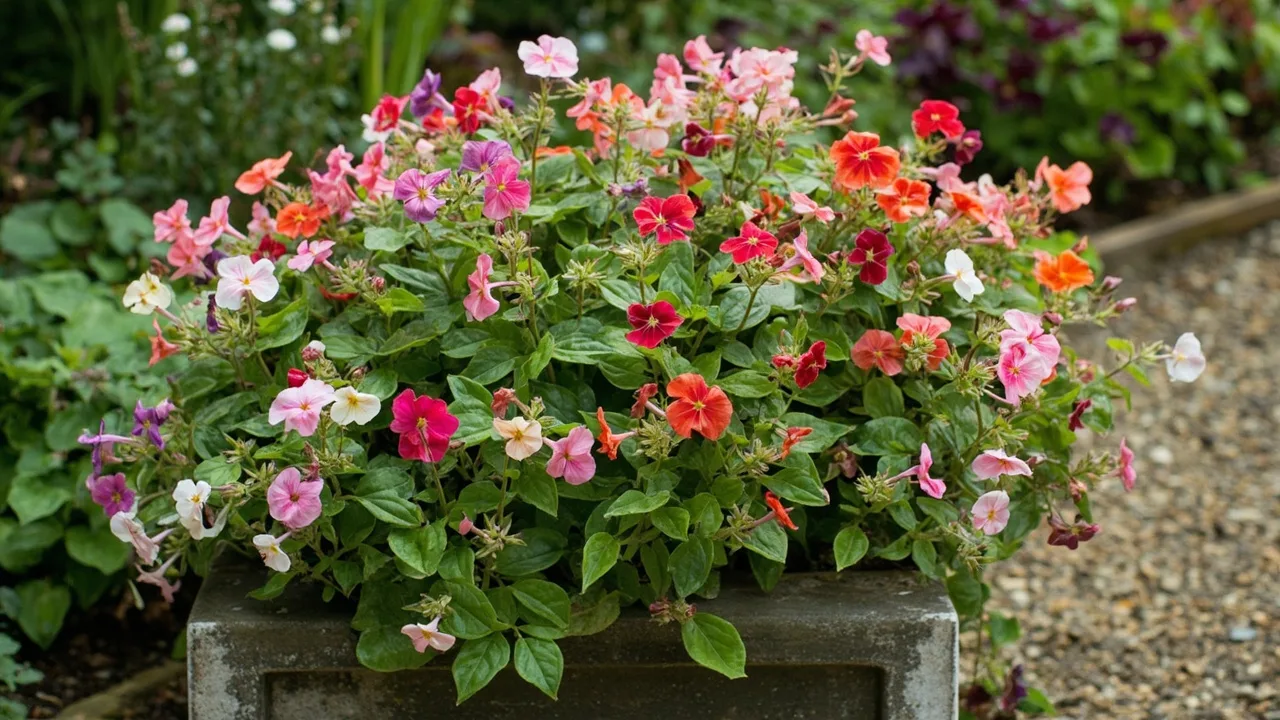
Alpine and wall species need a different balance. They favour sharply drained, gritty soil in a rock garden, raised bed, trough or crevice. A mineral mulch of grit around the crown keeps damp compost away from vulnerable shoots and reduces winter wet. Containers must have open drainage holes and a free-draining compost; pots should never stand in water-filled saucers during prolonged rain.
Spring and early autumn provide the most dependable UK planting conditions. Soil is usually workable and naturally moist, allowing roots to establish before summer drought or winter saturation. Plants set out in autumn need sufficiently free-draining soil, while alpines on heavy or exposed sites are often safer planted in spring. Space plants according to the chosen species rather than the genus as a whole: compact cushions can sit closely in a trough, but a tall or spreading bellflower needs room for air movement and expansion.
Planting and Care
Water a potted campanula before planting and prepare a hole as deep as the root ball but wider than it. Tease out tightly circling roots, position the crown at the same level as it grew in the pot, backfill and firm gently. Water thoroughly to settle the soil. Keep a new plant evenly moist through its first growing season, particularly from April to September, but let excess water drain away.
Established border species usually need additional water only during prolonged dry periods. A generous, occasional soak encourages deeper rooting more effectively than frequent surface sprinkling. Containers dry much faster and should be checked regularly in summer; water when the upper layer of compost begins to dry. Alpine kinds dislike constant wetness, so judge moisture by the species and compost rather than following a fixed schedule.
Apply a light mulch of garden compost around border plants in March or April, keeping it clear of the crown. On reasonably fertile soil this may be all the feeding required. Plants in poor ground can receive a modest application of balanced fertiliser in spring. Container plants benefit from a balanced liquid feed during active growth, used at the label rate; excessive nitrogen encourages soft, leafy stems at the expense of flowers.
Routine pruning is minimal. Remove faded flowers regularly if a longer display is wanted, cutting back to a leaf or side shoot rather than leaving bare stalks. Once herbaceous growth has finished in autumn, cut old stems down near ground level and clear diseased debris. Alternatively, sound stems can remain briefly for winter structure before being removed ahead of new spring growth. Spreading shoots should be trimmed away from paths and delicate neighbours as soon as they exceed their allotted space.
Perennial clumps are easily propagated by division in March or April, or in early autumn where drainage is good. Lift the clump, separate healthy outer pieces with roots and shoots, discard an exhausted centre if necessary, and replant promptly at the original depth. Basal cuttings taken from young spring shoots can also root in a free-draining medium. Seed is appropriate for species but may not reproduce a named cultivar accurately; division or cuttings preserve its characteristics. Biennial Canterbury bells are normally renewed from seed, unlike the perennial border and alpine kinds that dominate general garden planting.
Seasonally, check emerging shoots for grazing in March and April, install supports before tall stems lengthen, and mulch while the soil is moist. Water and deadhead through summer, divide congested clumps in spring or early autumn, and remove finished top growth after the display. In winter, prioritise drainage: clear wet leaf litter from alpine crowns and raise vulnerable containers on pot feet.
Common Problems
Slugs and snails can severely graze tender emerging shoots, sometimes before the plant becomes obvious above ground. Inspect around crowns on damp evenings, reduce hiding places and use barriers or other suitable controls where damage is persistent. Aphids may gather on soft shoot tips and flower stems. Small colonies can often be dislodged with water or removed by hand; natural predators usually help once the garden is active.
Vine-weevil larvae are a particular concern in containers. Unexplained wilting despite moist compost, combined with damaged roots or a loosened crown, warrants inspection of the root ball. Replace badly infested compost and use an appropriate biological control at the recommended season. Adult feeding notches on leaf edges are less serious than larval root damage.
Rust produces orange or brown pustules, while powdery mildew forms a pale coating on leaves, especially where plants are crowded, dry at the roots or poorly ventilated. Remove heavily affected material, water at soil level and improve spacing. Avoid forcing lush growth with excess fertiliser.
Crown and root rots cause yellowing, collapse and soft, discoloured tissue. They are most likely in waterlogged soil or where alpine crowns remain wet through winter. There is no reliable way to restore a badly rotted crown, so remove affected plants and correct the drainage before replanting. Failure to flower is more often linked to deep shade, overfeeding, drought or an unsuitable site than to disease.
Popular Varieties
- Campanula carpatica 'Blaue Clips' is a compact, mound-forming Carpathian bellflower with blue, upward-facing cups. It suits path edges, rock gardens and containers.
- Campanula persicifolia 'Telham Beauty' is a tall, clump-forming border plant bearing large blue bells on upright summer stems. It may need support in exposed positions.
- Campanula glomerata 'Superba' produces dense clusters of deep violet-purple flowers. It is effective in borders but can spread, so allow room and control unwanted growth.
- Campanula lactiflora 'Prichard's Variety' forms a substantial border clump with branching sprays of violet-blue flowers. Its height makes it useful towards the middle or back of a mixed border.
- Campanula poscharskyana 'Stella' is a low, trailing form with violet-blue starry flowers. It works well over walls, along steps and at the front of a sunny or lightly shaded border.
These plants illustrate the genus's range rather than interchangeable versions of one bellflower. Mature size, spread and soil preference should be checked for the selected name before purchase, especially where space is restricted or sharp alpine drainage is required.
Cultivars and Varieties
| Cultivar | Height | Flower | Notes | AGM |
|---|---|---|---|---|
| 'Kent Belle' | — | — | RHS AGM (H7) | ✓ |
| 'Misty Dawn' | — | — | RHS AGM (H7) | ✓ |
Pests and Diseases
| Problem | Symptoms | Management |
|---|---|---|
| Slugs and snails | Irregular holes chewed in leaves and flowers, often accompanied by silky trails. | Use physical barriers like copper tape or apply iron phosphate-based pellets around the base. |
| Powdery mildew | White, dusty fungal growth on leaves and stems, potentially causing distortion. | Improve air circulation and spray with a fungicide or bicarbonate solution at first sign. |
| Rust | Orange or brown pustules on the undersides of leaves, leading to yellowing and drop. | Remove affected foliage immediately and avoid wetting leaves when watering. |
| Leaf spot | Distinct circular spots on leaves that may turn brown or black and cause tissue death. | Clear fallen debris to reduce spores and ensure good airflow around plants. |
| Root rot | Wilting, yellowing foliage despite moist soil, often due to waterlogged conditions in winter. | Ensure soil is free-draining and avoid planting in areas prone to winter wet. |
For step-by-step help, read Dealing with Slugs and Snails and Treating Powdery Mildew. Or browse the full plant problem solver to diagnose an issue by symptom.
Recommended Products
GardenWizz earns a commission from qualifying purchases made through affiliate links on this page (including links within the article) — as an Amazon Associate, and from Thompson & Morgan via the Awin network. This does not affect the price you pay. See our disclaimer for details.