Hance's Rhododendron
Rhododendron hanceanum
The Gardening Year
Best months in UK gardens · full planting calendar →
🖨 Printable care card (PDF)At a Glance
| Botanical name | Rhododendron hanceanum |
|---|---|
| Common name(s) | Hance's Rhododendron |
| Family | Ericaceae |
| Plant type | shrub (Evergreen) |
| Height × Spread | 10–50 cm × 10–50 cm |
| Position | Partial shade |
| Soil | moist but well-drained, acid soil |
| Flowering | March–May |
| Toxicity | Harmful if eaten. Wear gloves and other protective equipment when handling. |
| Native range | south-central China |
A compact, evergreen flowering shrub from the heather family, Rhododendron hanceanum is prized in UK gardens for its prolific spring display of funnel-shaped blooms and its tidy, low-growing habit. Native to the mountainous regions of south-central China, it was introduced to Western horticulture in the early twentieth century and has since earned a Royal Horticultural Society Award of Garden Merit. It is a reliable choice for smaller gardens, peat beds, and container planting where space is at a premium.
Overview
Rhododendron hanceanum belongs to the large genus Rhododendron within the family Ericaceae, a group that also includes heathers, blueberries, and pieris. It is a dwarf, evergreen shrub that forms a dense, low mound over time, generally reaching around 30 to 90 cm in height with a spread that can exceed 1.5 m in older, well-sited specimens. Its natural home is the cool, misty uplands of Sichuan and Yunnan, and it carries that preference for moisture and dappled shade into cultivation. In British conditions it performs reliably across most of the UK, making it a good choice for the milder and wetter west and north, while gardeners in colder inland areas may need to give it a sheltered spot.
The plant is most often grown for its display of small white or cream flowers in mid- to late spring. It is unfussy, long-lived, and, given suitable acid soil, very easy to please. Like other rhododendrons, all parts of the plant are harmful if eaten, and the foliage can irritate sensitive skin, so it is worth wearing gloves when handling or pruning.
Appearance
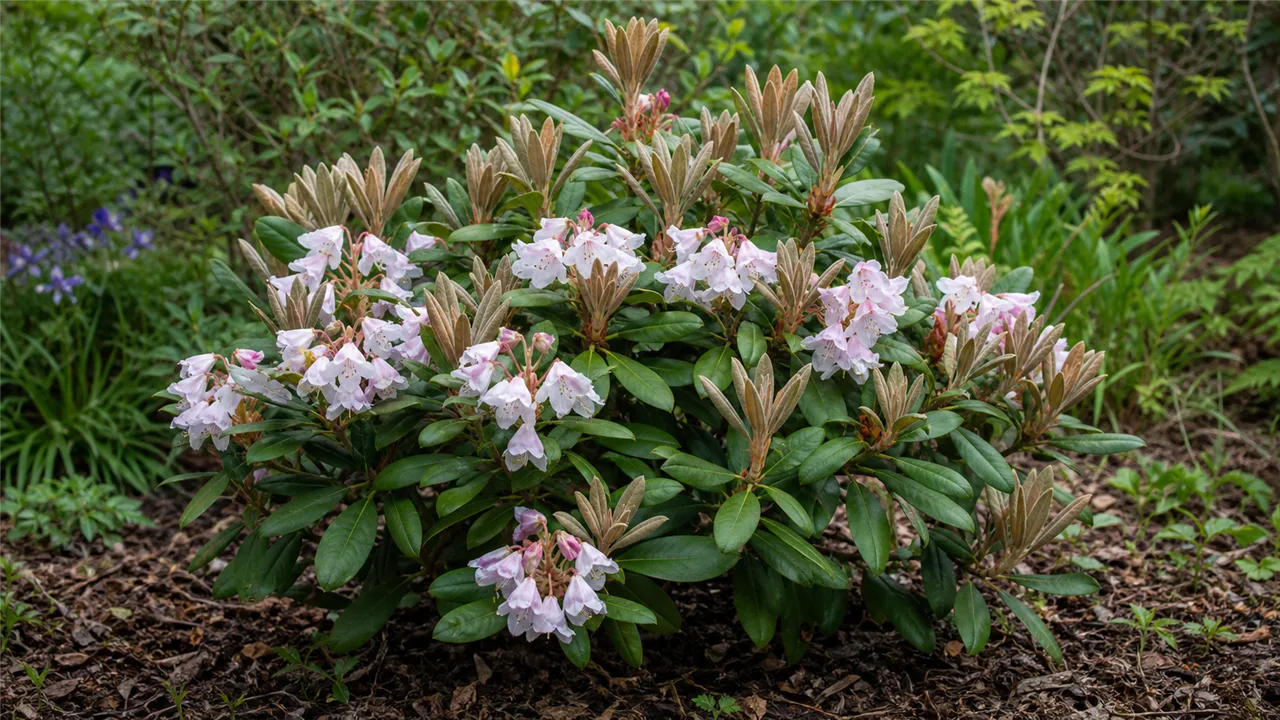
This is a small, slow-growing shrub with a spreading, dome-like habit. The leaves are leathery, dark green above, and oval to lanceolate in shape, typically 2 to 5 cm long. They often persist for several years, giving the plant its dense, evergreen character. In exposed positions or during severe winters the foliage may take on a bronze tint, but it generally recovers well in spring.
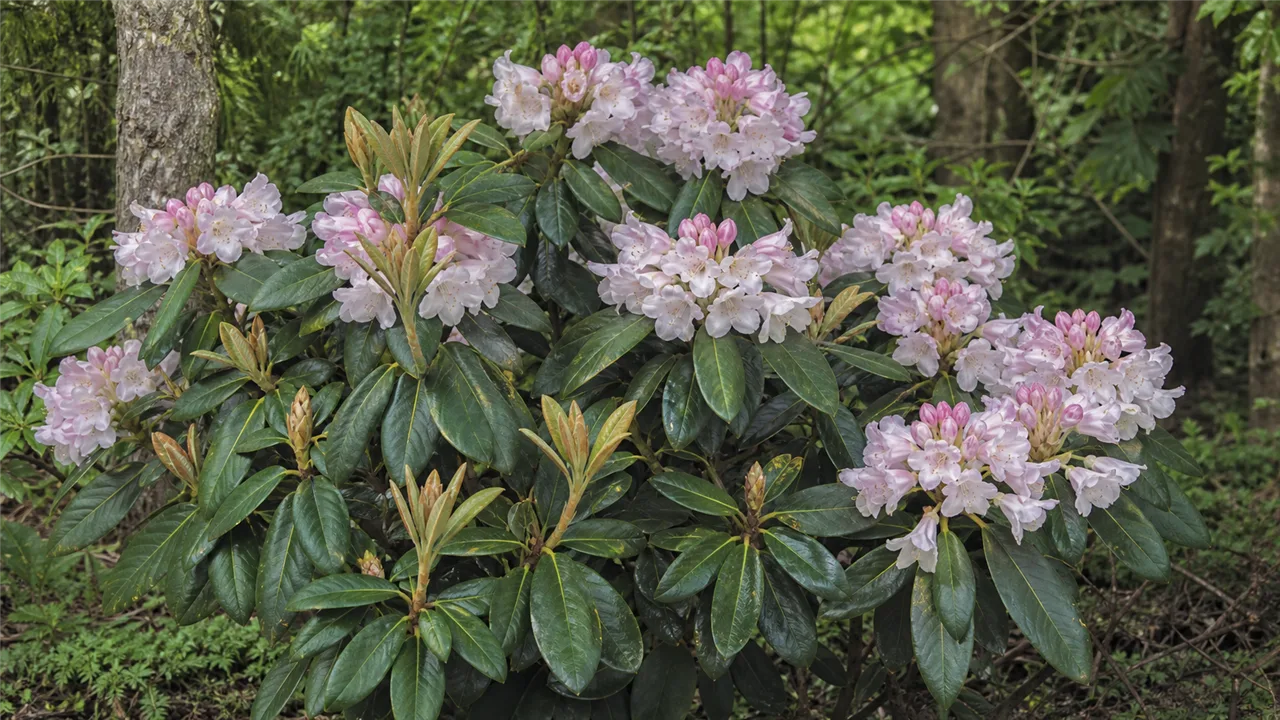
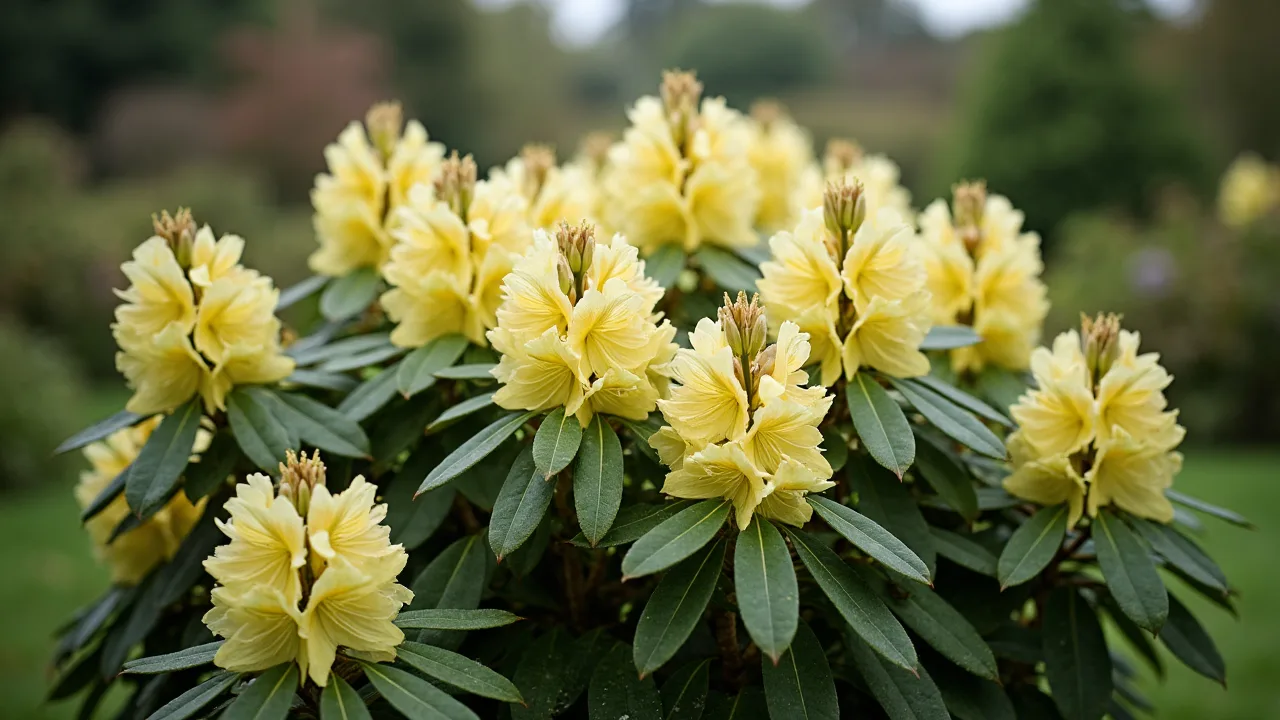
The flowers are borne in loose terminal trusses from mid-spring, usually opening from March through May depending on local conditions. Individual blooms are funnel-shaped, 1.5 to 2.5 cm across, and a clear, clean white, sometimes faintly flushed with pink on opening. The display is prolific on a well-established plant, covering the mound in a sheet of blossom. Seed capsules may follow in hot summers, but the plant is grown primarily for its flowers and tidy form rather than for any autumn show.
Growing Conditions
Rhododendron hanceanum shares the same core requirements as most other ericaceous shrubs. Soil acidity is the single most important factor: it must be lime-free, ideally with a pH between 4.5 and 6.0. On neutral or alkaline ground, the plant develops chlorosis — yellowing foliage with green veins — and will eventually decline. Where soil is unsuitable, growing in a container with ericaceous compost is the simplest solution.
The ideal site is in dappled or partial shade, sheltered from cold, drying winds and from the strongest midday sun. Woodland edges, the north or east side of a building, and the back of a border all work well. The soil should be moist but sharply drained, rich in organic matter. Generous incorporation of leaf mould, well-rotted bark, or composted bracken at planting time will set the plant up for many years of healthy growth. In containers, use a proprietary ericaceous mix and top-dress annually with fresh compost and a slow-release ericaceous feed.
Planting and Care
Plant in autumn or spring, ideally in March, April, September, or October when the soil is warm and moist. Dig a hole considerably wider than the rootball but no deeper, and tease out any pot-bound roots before settling the plant in. Backfill with a mix of the existing soil and ericaceous compost or leaf mould, and water thoroughly. A mulch of bark or leaf mould applied after planting will help conserve moisture and keep root-run cool.
Water regularly through the first two or three summers, particularly during any prolonged dry spells, and use rainwater rather than hard tap water where possible. Once established, the plant is reasonably drought-tolerant, but it never truly enjoys dry conditions. An annual spring application of an ericaceous fertiliser, or a top-dressing of well-rotted bark, will keep growth healthy and flowering reliable. Chlorotic foliage responds to sequestered iron or a foliar feed, but the underlying cause is usually soil pH, which is better corrected with sulphur or by switching to a container.
Pruning is minimal. The plant has a naturally tidy habit and does not respond well to hard cutting back into old wood. After flowering, deadhead spent trusses by snapping them off carefully at the base — this improves the following year's display and keeps the shrub looking fresh. Any necessary shaping or removal of damaged or crossing stems is best done immediately after flowering.
Propagation is straightforward by semi-hardwood cuttings taken in late summer, or by layering low branches in the following spring. Both methods produce plants true to the parent.
Common Problems
The most damaging disorder is phytophthora root rot, which causes wilting, dull bronzing of the foliage, and eventual collapse. It is almost always linked to poor drainage or waterlogged soil, and the only reliable cure is prevention: site the plant carefully and avoid planting in heavy clay without significant improvement.
Rhododendron bud blast is a familiar problem on many ericaceous shrubs, causing flower buds to turn brown and fail to open. The cause is usually a combination of late spring frost damage and the rhododendron bud blast bug, and the best response is to remove and destroy affected buds promptly and to site the plant in a sheltered position.
Vine weevil is a particular nuisance in container-grown specimens, where the soil-dwelling grubs chew through roots and the adults notch leaf margins. Inspect pots regularly and treat with biological nematode applications in autumn.
Powdery mildew may appear in dry summers or on plants under stress, leaving a white bloom on the leaf surface. Improving air movement and avoiding overhead watering is usually sufficient, though a fungicide can be used in severe cases.
Lacebugs are a minor but increasingly common pest, causing fine pale stippling on the upper leaf surface with dark tar-spot excrement beneath. A strong jet of water or an insecticidal soap will keep them in check.
In all cases, a healthy, well-sited plant in suitable acid soil is the first line of defence and will rarely suffer serious problems.
Popular Varieties
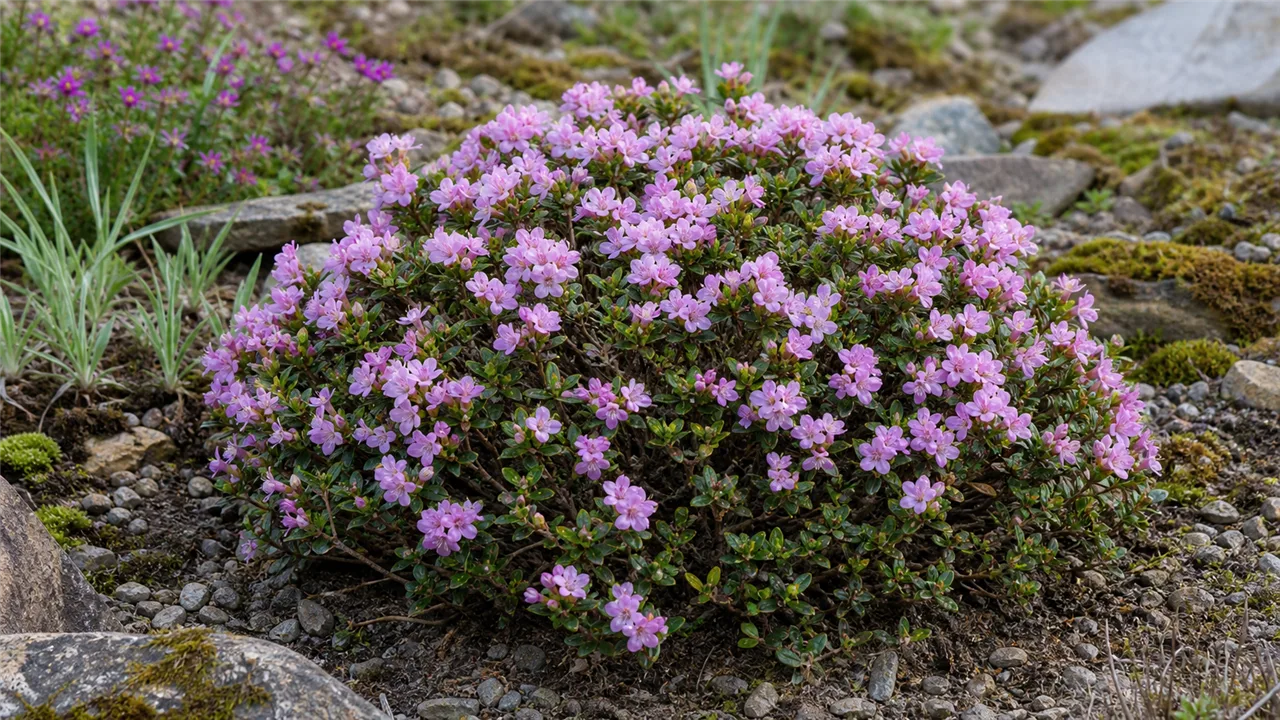
The species itself is more often grown than any named clone, but a handful of forms are well established in UK horticulture. The most familiar is the Nanum Group, a particularly compact selection prized for its very low, dense habit and abundant flowering — ideal for troughs, the smallest rock gardens, and patio containers. Plants sold simply as Rhododendron hanceanum in garden centres are usually representative of the type, with the typical mounded habit and pure white flowers. Because named cultivars beyond the Nanum Group are relatively scarce in general cultivation, gardeners seeking the most compact growth habit should look specifically for the Nanum Group when buying.
Pests and Diseases
| Problem | Symptoms | Management |
|---|---|---|
| Powdery mildew | A white, powdery fungal growth appears on the surface of leaves, buds, and shoots. | Improve air circulation and avoid overhead watering; tolerate mild infections or apply a fungicide if severe. |
| Rhododendron bud blast | Flower buds turn brown, shrivel, and fail to open, often caused by late spring frost damage. | Remove and destroy infected buds promptly; site plants in sheltered locations away from frost pockets. |
| Vine weevil | Irregular notches appear on leaf margins, while larvae feed on roots causing wilting and stunted growth. | Use nematode treatments in autumn or apply biological controls to soil; inspect potted plants regularly. |
| Silver leaf | Leaves develop a silvery sheen on the underside, and white fungal fruiting bodies may appear at the stem base. | Prune out and burn affected branches well below the infection site; avoid planting near infected trees. |
| Phytophthora root rot | The plant wilts, leaves turn dull green or bronze, and growth becomes stunted due to waterlogged soil. | Ensure well-drained, acidic soil; avoid overwatering and do not plant in heavy clay without improvement. |
| Lacebugs | Small white spots or stippling appear on the upper leaf surface, with black tar-like excrement underneath. | Spray affected areas with water to dislodge pests; use insecticidal soap or horticultural oil if infestations persist. |
For step-by-step help, read Treating Powdery Mildew. Or browse the full plant problem solver to diagnose an issue by symptom.
Recommended Products
GardenWizz earns a commission from qualifying purchases made through affiliate links on this page (including links within the article) — as an Amazon Associate, and from Thompson & Morgan via the Awin network. This does not affect the price you pay. See our disclaimer for details.