Two-Flowered Tulip
Tulipa bifloriformis
The Gardening Year
Best months in UK gardens · full planting calendar →
🖨 Printable care card (PDF)At a Glance
| Botanical name | Tulipa bifloriformis |
|---|---|
| Common name(s) | Two-flowered tulip |
| Family | Liliaceae |
| Plant type | bulb (perennial herbaceous bulbiferous geophytes that bloom in spring and die back after flowering to an underground storage bulb) |
| Height × Spread | 5–20 cm × — |
| Position | Full sun |
| Soil | stony or clay slops |
| Flowering | March–May |
| Toxicity | Tulipanin A and B are toxic to horses, cats and dogs. Tulipalin A induces dermatitis. |
| Native range | Central Asia |
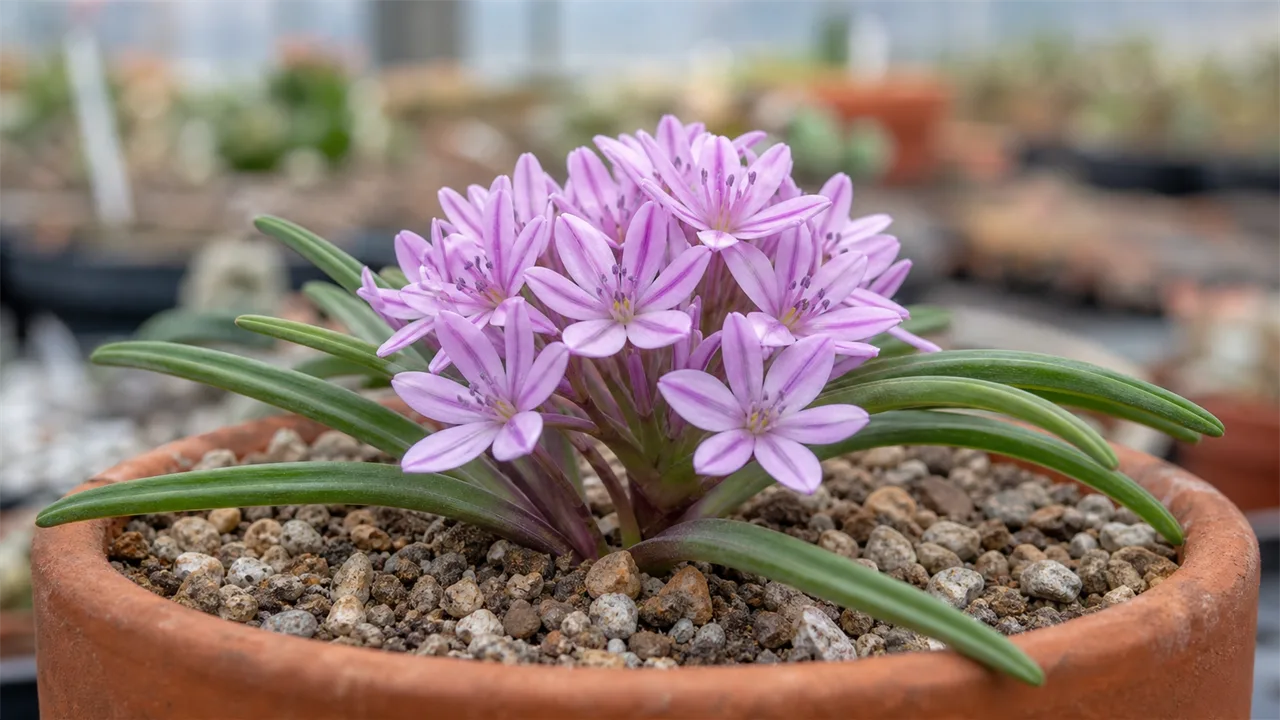
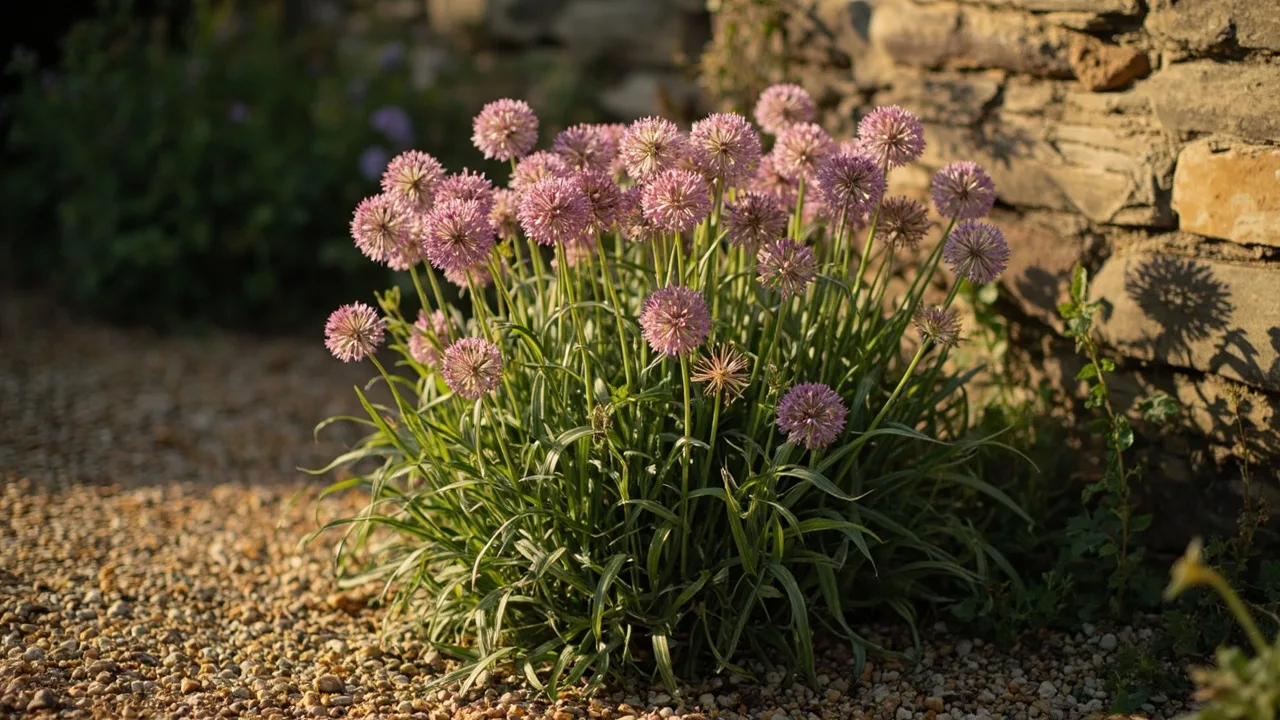
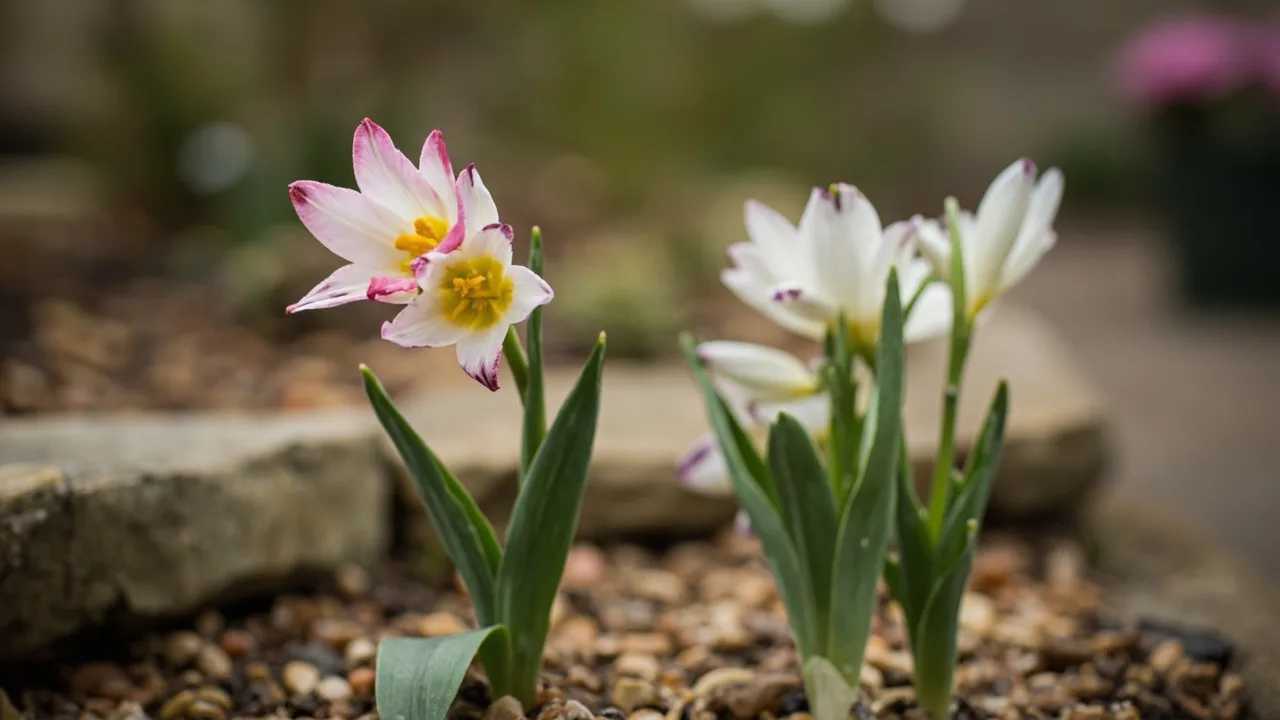
A scatter of creamy, star-shaped flowers opening close to sun-warmed gravel is the characteristic spring display of Tulipa bifloriformis. This diminutive Central Asian species tulip suits sunny rock gardens, raised beds and containers in the UK, provided its bulbs never sit in waterlogged soil.
Overview
Tulipa bifloriformis is a small member of the lily family, Liliaceae, native to Central Asia, including Kazakhstan, Kyrgyzstan, Tajikistan and Uzbekistan. Unlike the tall hybrid tulips used for formal bedding, it keeps the compact scale and perennial habit associated with many botanical or species tulips. A settled clump can return each spring and increase slowly where summers are relatively dry and winter drainage is sharp.
Its restrained size makes it most effective where the flowers can be seen at close quarters. Suitable positions include the front of a sunny border, a gravel garden, an alpine bed, a raised trough, the top of a dry wall or a deep terracotta pot. Several bulbs planted together create a clearer display than isolated specimens. The flowers also combine naturally with small narcissi, aubrietia and alpine forget-me-nots, although neighbouring plants should not shade the leaves during their short growing season.
The species is not native to Britain or Ireland, but it is suitable for much of the UK. Its principal limitation is not winter cold but persistent wet around the dormant bulb. Heavy clay, poorly drained pots and sites irrigated throughout summer can shorten its life. Where the soil is unsuitable, container culture offers much better control of drainage and allows the tiny flowers to be raised nearer eye level.
Appearance
This is a neat, low-growing tulip, usually reaching about 10-15 cm in flower. Narrow, grassy leaves emerge in early spring and may appear slightly grey-green. The foliage forms a modest basal tuft rather than the broad, substantial leaves of many garden tulips, so emerging shoots can be overlooked among gravel or low ground cover.
Slender stems carry one or more flowers. Each bloom has six pointed tepals which spread widely in sunshine, transforming the flower from a small cup into a crisp star. The inner surface is creamy white to pale yellow, with a stronger yellow zone at the base. On the outside, the tepals may be flushed pinkish red or marked with green, producing the two-coloured effect reflected in its common name. Dark anthers provide a fine contrast near the centre.
Flowers generally appear in mid-spring, often during March or April depending on district, altitude and the season's weather. They respond visibly to conditions: in cool or dull weather they remain more tightly cupped, while direct sun encourages them to open flat. This movement is one reason to place the bulbs where they receive uninterrupted spring sunshine.
After flowering, the seed capsule may develop if spent blooms are retained. The leaves remain essential even when the floral display has finished. They continue photosynthesising and replenish the underground bulb before yellowing and disappearing in late spring or early summer. During dormancy there may be no visible sign of the plant above ground, so a discreet label helps prevent accidental disturbance.
Growing Conditions
Full sun is the first requirement. A south-, east- or west-facing position is appropriate if it receives several hours of direct light and is not shaded by shrubs as spring advances. Shelter from strong wind protects the short stems and prevents pots from drying erratically, but an enclosed, stagnant position is undesirable because good air circulation helps foliage dry after rain.
The ideal soil is moderately fertile and very free draining. Chalk, sandy soil and open loam are all suitable, and the species tolerates acid, neutral or alkaline conditions. On ordinary garden loam, incorporating coarse grit into the planting zone can improve pore space. Grit is not a cure for an impermeable clay subsoil, however: on heavy ground, use a raised bed, a sloping rock garden pocket or a container rather than creating a water-holding planting hole.
In a pot, choose a deep container with generous drainage holes. A peat-free loam-based compost opened with horticultural grit is more dependable than a water-retentive multipurpose compost used alone. Stand the pot where winter rain can drain freely, without leaving it in a saucer. Terracotta is useful because it is stable, porous and well suited to the dry summer rest preferred by species tulips.
The plant's structured hardiness rating indicates that winter cold is tolerated in most UK gardens. Nevertheless, bulbs in small pots experience faster temperature and moisture changes than bulbs in open ground. In colder or wetter northern and western districts, place containers beside a sunny wall or in an unheated cold frame during prolonged saturated weather. Protection should exclude excess rain, not warmth: bringing dormant pots into a heated house disrupts their natural seasonal cycle.
Summer conditions matter as much as spring conditions. Once the foliage has died down, reduce watering and allow the compost or soil to become comparatively dry. Avoid planting among thirsty summer bedding that demands frequent irrigation. A gravel mulch keeps the crown area clean, discourages splashing and marks the planting place, but it must sit over a genuinely permeable root zone.
Planting and Care
Plant firm, healthy bulbs in October or November, after the soil has cooled. Position them with the pointed end uppermost, generally at about three times the bulb's height; for these small bulbs, a depth around 10-15 cm is practical in well-drained soil. Cambridge University Botanic Garden recommends planting species tulips at least 20 cm deep as one measure that may reduce tulip fire, so deeper planting can be considered where the soil remains open and drains freely. Space bulbs about 8-10 cm apart and use groups of ten or more for a coherent display.
Water once after planting if the soil or compost is dry, then let autumn and winter rain do most of the work. During active growth, water containers when the surface begins to dry, soaking thoroughly and allowing all surplus water to escape. Established bulbs in the ground seldom need routine watering in a normal British spring. Neither permanently dry growth nor saturation is desirable; the aim is moist but aerated soil while leaves are green, followed by a drier dormancy.
Feeding should be restrained. On poor soil or in long-term containers, apply a balanced bulb fertiliser as shoots emerge, following the product rate, or use a high-potash liquid feed after flowering while leaves remain green. Excess nitrogen encourages soft foliage without necessarily strengthening the bulb. Refresh the upper layer of container compost in autumn if the bulbs are left in place.
No pruning is required. Deadhead faded flowers if seed is not wanted, but leave every green leaf intact. Do not knot, braid or cut the foliage; wait until it has turned yellow and separates readily. This may take six weeks or longer after flowering. Remove dead foliage gently and keep the dormant site relatively dry through summer.
Propagation is most reliable by offsets. Lift a congested clump after the foliage has died back in early summer, separate sound daughter bulbs and replant immediately or store them dry and airy until autumn. Small offsets may need several seasons to reach flowering size. Seed propagation is possible but slow and variable: sow ripe seed in a free-draining seed compost, expose it to natural winter cold and expect seedlings to require a number of years before flowering.
Undisturbed clumps usually perform better than bulbs lifted annually. Divide only when flowering declines through overcrowding or when the site needs alteration. Mark the dormant patch, control competing weeds by hand and avoid driving a fork through the bulbs. Container-grown plants can be inspected during dormancy; discard bulbs that are soft, mouldy or badly damaged before repotting in fresh, clean compost.
Common Problems
Tulip fire, caused by Botrytis tulipae, is the most distinctive disease. Emerging shoots may look twisted, scorched or stunted, while leaves and flowers develop pale spots that enlarge in damp weather; grey fungal growth and small black resting bodies can follow. Remove affected plants and fallen debris promptly rather than composting them. Improve air circulation, avoid wetting foliage and do not replant tulips in an affected site for at least three years. Clean containers and use fresh compost before replacing diseased bulbs.
Bulb rots, including Fusarium basal rot and grey bulb rot, are favoured by damaged bulbs, contaminated material and cold, wet ground. Symptoms include weak or absent shoots, premature yellowing and bulbs that are soft, discoloured or foul-smelling. There is no useful rescue for a badly rotted bulb. Dispose of it, correct the drainage and buy replacement bulbs from a reputable supplier. Handle bulbs carefully because wounds provide infection sites.
Slugs and snails can graze new leaves and flowers, particularly in damp, sheltered positions. Inspect around pots and stones after dark, remove hiding places and use an appropriate integrated control if damage is persistent. Aphids may cluster on soft spring growth; small colonies can be rubbed off or dislodged with water while protecting the flower stems. The RHS also lists stem and bulb eelworm as a possible tulip pest, making clean planting stock and prompt disposal of suspicious distorted plants important.
Squirrels and mice may dig up newly planted bulbs, while deer can browse emerging growth and flowers. Firm the soil after planting and cover valuable container plantings with secured wire mesh until shoots emerge. In open gardens with regular deer pressure, physical exclusion is more reliable than scent deterrents. A deeper planting depth may make bulbs less accessible to rodents, provided drainage remains adequate.
Failure to flower is commonly cultural rather than pathological. Bulbs may be too shaded, planted too shallowly, cut back while leaves were green, overwatered during dormancy or crowded by vigorous neighbours. Move dormant bulbs to a sunnier, freer-draining position, allow a complete foliage cycle and feed lightly after the next flowering period. Newly divided offsets may simply be immature and need time to build sufficient reserves.
Popular Varieties
Named diversity within Tulipa bifloriformis is limited, and it would be misleading to present unrelated species tulips as cultivars of this species. The following three names are documented by the RHS, but specialist bulb availability can vary from one autumn season to the next.
- The species, Tulipa bifloriformis is the standard botanical form, generally up to about 15 cm tall, with pale starry flowers backed pinkish red. It is the appropriate choice for a natural-looking drift in gravel or a rock garden.
- 'Starlight' is a particularly dwarf selection that flowers close to the ground. Its yellow inner colouring extends farther along the tepals to produce a pronounced central star, and the RHS lists it as an Award of Garden Merit plant. It is especially effective in troughs and raised containers where the detail can be seen.
- 'Maxima' is an RHS-listed named form of T. bifloriformis. Reliable descriptive and retail information is comparatively sparse, so buyers should check the current specialist supplier's description and confirm the botanical name rather than assuming a particular size or flower count.
Stocks of small botanical tulips are more intermittent than those of mainstream hybrid tulips. Order during the late-summer or early-autumn bulb season, compare the supplier's label with the accepted species name, and keep it with the planting record. Where only the species or 'Starlight' can be sourced confidently, planting a larger group of one verified form is preferable to filling the list with uncertain names.
Sources consulted (accessed 22 July 2026):
- RHS: Tulipa bifloriformis/details)
- RHS: Tulipa bifloriformis 'Starlight'/details)
- RHS: Tulipa bifloriformis 'Maxima'/details)
- RHS: tulip fire
- Royal Botanic Gardens, Kew: Plants of the World Online
- Cambridge University Botanic Garden: species tulips
Pests and Diseases
| Problem | Symptoms | Management |
|---|---|---|
| Slugs and snails | Irregular holes in leaves and petals, with silvery slime trails visible on foliage. | Use iron phosphate pellets or beer traps around the planting area during damp weather. |
| Bulb rot (Fusarium) | Bulbs become soft, mushy, and discoloured with a foul smell, often failing to emerge. | Plant in well-drained soil and avoid waterlogging; remove infected bulbs immediately. |
| Vine weevil | Notched edges on leaves above ground and larvae feeding on roots underground. | Apply nematode treatments to the soil in autumn or use insecticidal drenches. |
| Powdery mildew | White, powdery fungal growth appears on leaves and stems, potentially stunting growth. | Ensure good air circulation and spray with a fungicide if infection is severe. |
For step-by-step help, read Dealing with Slugs and Snails and Treating Powdery Mildew. Or browse the full plant problem solver to diagnose an issue by symptom.
Recommended Products
GardenWizz earns a commission from qualifying purchases made through affiliate links on this page (including links within the article) — as an Amazon Associate, and from Thompson & Morgan via the Awin network. This does not affect the price you pay. See our disclaimer for details.