
Growing Vegetables from Seed
Sowing your own vegetables from seed is the single cheapest way to fill a plot with productive plants, and it opens up dozens of varieties the garden centre never stocks. A single £3 packet of tomato…
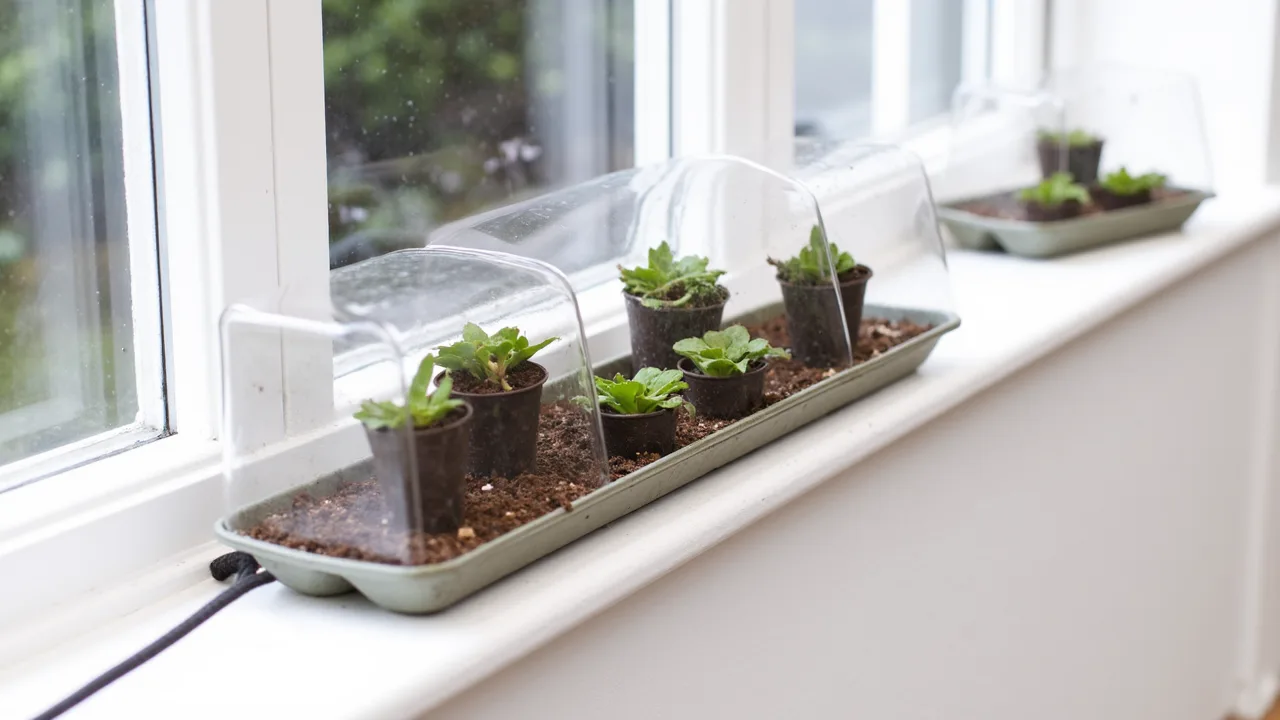
Sowing your own vegetables from seed is the single cheapest way to fill a plot with productive plants, and it opens up dozens of varieties the garden centre never stocks. A single £3 packet of tomato seed can produce 30–50 plants; the same number as established plugs would cost £60 or more. The trade-off is timing and a little kit — get either wrong and germination is patchy, leggy, or non-existent. This guide walks through the whole process the way UK growers actually do it: windowsill, greenhouse, and direct outdoors.
Why sow from seed, and when to start
Starting from seed gives you varieties suited to the British climate — 'Ailsa Craig' onions, 'Crimson Crush' tomatoes, 'Marketmore' cucumbers — rather than the generic six the local shop stocks. It also lets you synchronise planting with your local frost date, which in most of England runs from late April to mid-May, a week or two later in the North, and into June at altitude in Scotland and Wales.
The calendar matters more than any other variable. Sow too early and seedlings grow weak and leggy under low light; sow too late and the cropping season shrinks. As a rough rule:
- January–February: chillies, aubergines, sweet peppers on a heated propagator
- March: tomatoes, early brassicas, celery, broad beans in pots
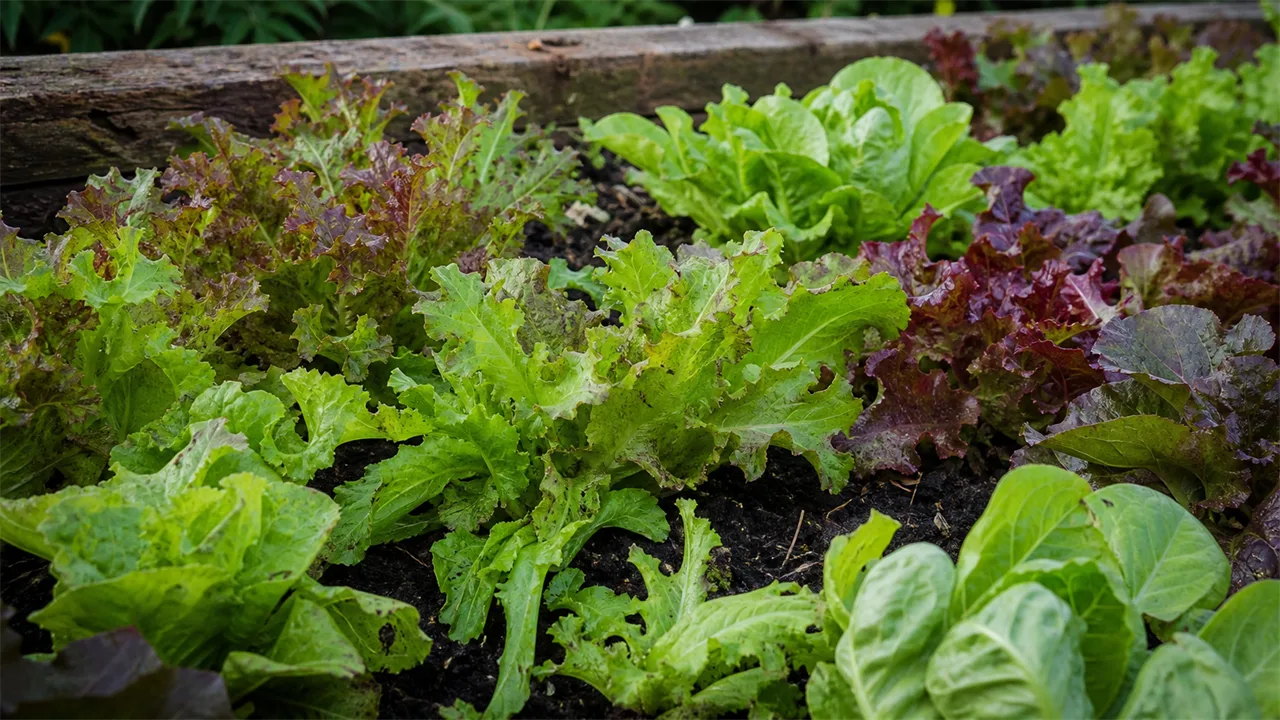
- April–May: outdoor sowing of peas, carrots, beetroot, lettuces, French beans, sweetcorn, courgettes, pumpkins, brassicas
- June–July: successional sowings of salads, carrots, French beans, spring cabbage, pak choi, kohlrabi, oriental leaves
- August: overwintering onions, spring cabbage, land cress, corn salad, winter lettuces
What you'll need
You do not need much to start, and most items last for years.
- Seed trays, half-trays, or 9 cm pots — anything with drainage holes works. A standard half-size seed tray is about 22 × 16 × 5 cm and holds roughly 20–30 large seeds or 50+ small ones.
- Good seed compost. Use a dedicated seed or cutting compost (sieved, low-nutrient, fine texture) rather than multi-purpose. John Innes Seed is the most widely available UK brand; peat-free options from Westland, Dalefoot, and SylvaGrow perform well.
- Vermiculite or fine perlite for covering small seeds and reducing surface moss.
- A propagator with a vented lid, or a clear plastic bag held off the soil with a cane.
- Bottom heat for warm-season crops — a heated propagator set to 21–24 °C lifts germination of tomatoes, peppers, and aubergines from hit-and-miss to near-universal.
- Labels and a pencil. Pencil doesn't fade in sunlight; most pens do.
- A watering can with a fine rose, or a spray bottle, to avoid disturbing seeds.
- A dibber or pencil for pricking out, and 7–9 cm pots for the next stage.
Step-by-step: sowing indoors
- Fill the tray. Loosely fill with moist seed compost and firm gently to about 5 mm below the rim. The surface should be level, not compacted.
- Sow thinly. Space large seeds (courgette, bean, sweetcorn) 2–3 cm apart; sprinkle fine seeds (tomato, brassica, lettuce) as thinly as you can. Overcrowding is the root cause of most damping-off losses — seedlings in airless clumps rot at the base and fall over.
- Cover to the right depth. A reliable rule is to cover a seed with its own depth of compost. Tiny seeds like celery and lettuce need only a dusting; beans and peas sit 2–3 cm down. Sieve compost or vermiculite over the top for a fine, even cover.
- Water in. Stand the tray in a few centimetres of water until the surface darkens with moisture, then drain. Top-watering with a rose often washes seeds into clumps.
- Label immediately. Variety, date, source. Future-you will not remember.
- Cover and place in warmth. Put the lid on, or slip the pot into a labelled bag. Most seeds germinate fastest at 18–22 °C; warmth-loving crops want 21–24 °C from below.
- Check daily. As soon as the first seedlings break surface, remove the lid and move into the brightest light you have — a south-facing windowsill or, better, a greenhouse. Cooler conditions (15–18 °C) once germinated keep seedlings stocky.
Step-by-step: pricking out and growing on
When seedlings have their first set of true leaves (the second pair, the ones that look like the adult plant), they need more space.
- Water the tray an hour before to loosen the compost.
- Lift each seedling by a leaf — never the stem — using a dibber to lever the root out from below.
- Make a hole in fresh multi-purpose compost in a 7–9 cm pot, lower the roots in, and firm the compost around them. Seedlings can be buried up to the seed leaves (cotyledons), which lets leggy tomatoes and brassicas recover.
- Water, label, and return to the bright, cool spot for 5–7 days to recover.
- After 3–4 weeks, pot on again into 12–15 cm pots, or harden off for planting outside.
Hardening off is non-negotiable for indoor-raised plants. Over 7–10 days, put trays outside by day and bring in at night, gradually leaving them out for longer and avoiding bright midday sun. Cold frames can be propped open an extra few centimetres each day.
Direct sowing outdoors
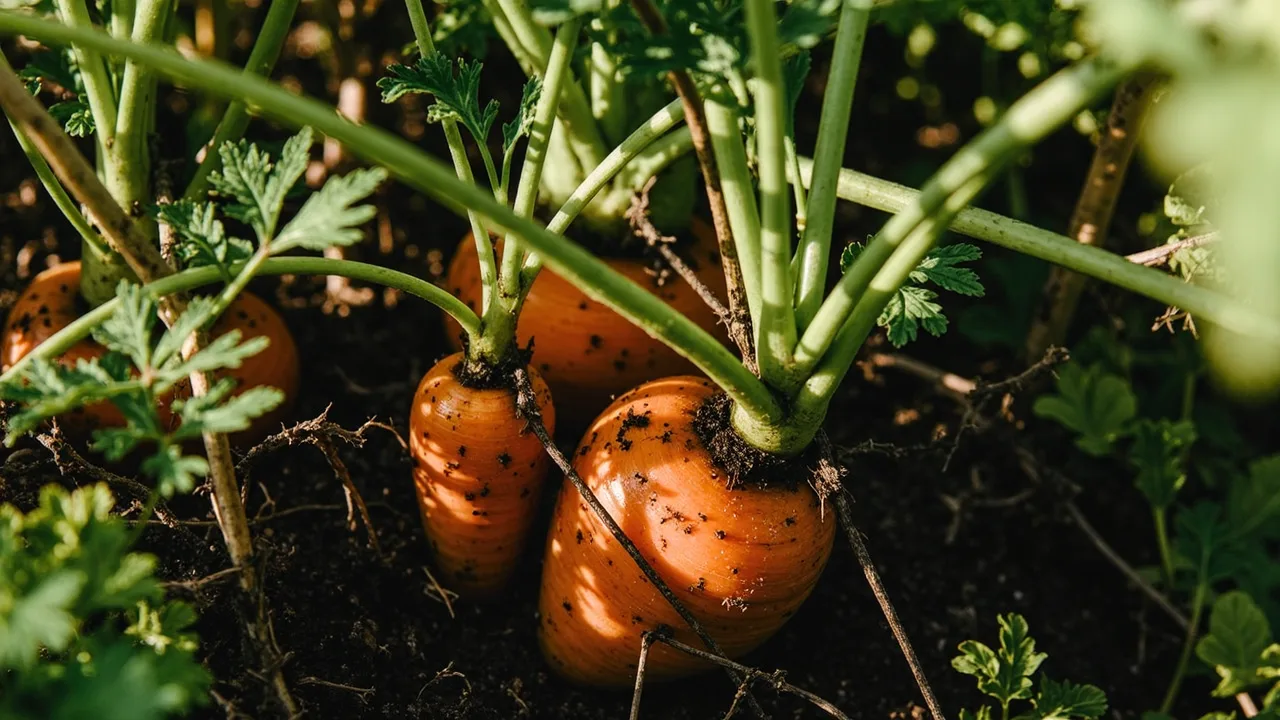
Root crops — carrots, parsnips, beetroot — and quick salads almost always do better sown in situ. Their taproots resent transplanting.
- Prepare a fine, stone-free tilth in a sunny, weed-free bed. Rake until the surface looks like coarse breadcrumbs.
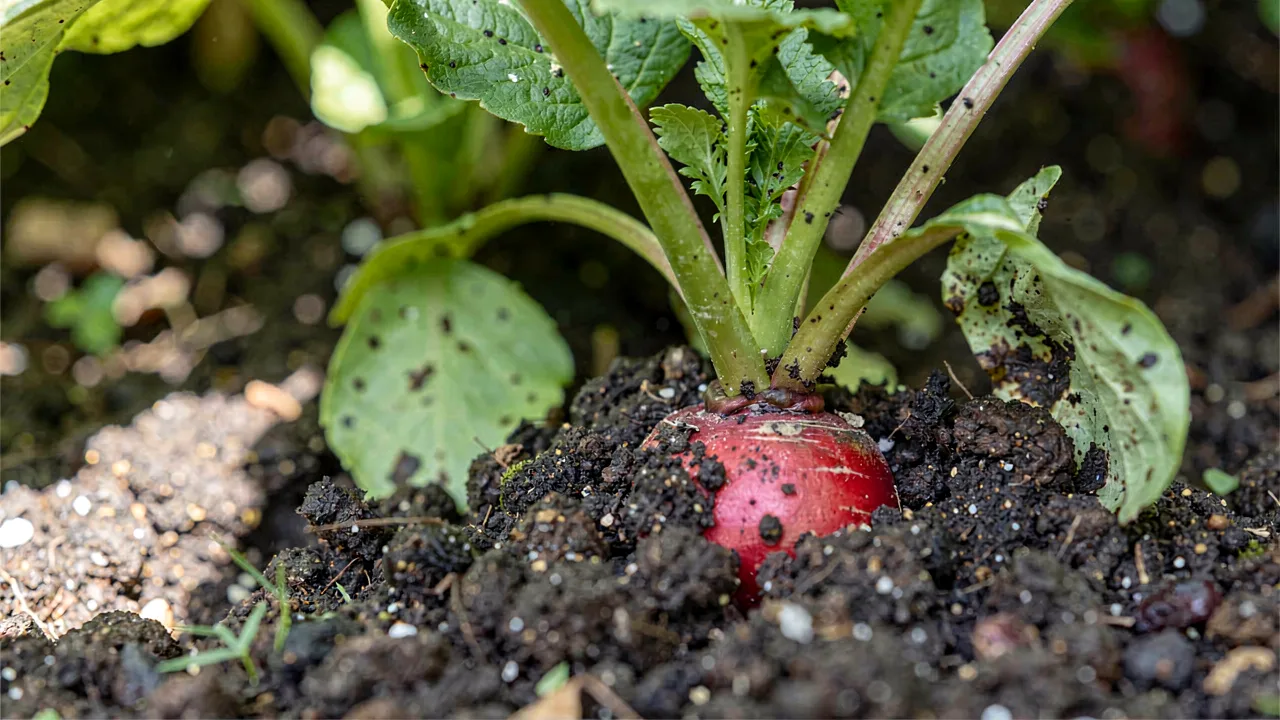
- Make a shallow drill 1–2 cm deep with the edge of a hoe or a cane. Wider drills (10–15 cm across) are excellent for salads, radish, and baby leaf.
- Water the drill before sowing in dry weather, not after. Watering after sowing can cap the surface.
- Sow thinly along the row, cover lightly with dry soil, and firm with the back of a rake.
- Label, and cover with horticultural fleece for the first 2–3 weeks to hold warmth and beat the birds.
- Thin seedlings in stages: first to 2–3 cm apart, then to the final spacing once they have a couple of true leaves. Final spacings: carrots 5–8 cm, beetroot 10 cm, parsnips 15 cm, lettuces 20–25 cm, rocket 10 cm.
Common mistakes to avoid
- Sowing too early. Late January tomatoes in an unheated windowsill stretch to pale straws and rarely catch up with March-sown plants grown in better light.
- Deep sowing. Most failures blamed on old seed are actually seeds sown too deep and exhausted before reaching the light.
- Cold, wet compost. A north-facing windowsill in February is 8–10 °C — too cold for tomatoes. A heated mat solves it.
- Skipping pricking out. Seedlings left crowded collapse with damping-off, a fungal disease that thrives in stagnant, damp air.
- No hardening off. Plants moved straight from a heated propagator to an April garden can be set back weeks or killed outright by one cold night.
- Forgetting to label. Every gardener eventually sows a tray of mystery seedlings. Always label.
Troubleshooting
- White fluffy mould on compost or seedlings. This is usually harmless saprophytic fungus, not damping-off. Improve airflow, scrape off the fluff, and reduce watering.
- Seedlings collapsing at the base. Damping-off. Remove affected trays, improve ventilation, water from below, and avoid re-using that compost.
- No germination after 2–3 weeks. Likely too cold, too dry, or old seed. Test viability by sprinkling 10 seeds on a damp kitchen towel in a sealed bag kept somewhere warm — if fewer than 6 sprout, buy fresh.
- Leggy seedlings. Insufficient light or too much heat. Move to the brightest, coolest spot that still keeps them growing.
A final tip
Sow a small batch every fortnight during the main season rather than a single large sowing in April. Successional sowing is the difference between a glut of lettuce for two weeks and a steady harvest from May to October. It is also the simplest way to dodge the worst of the pests — a later sowing often escapes cabbage root fly or carrot fly that found the earlier row.
Recommended Products
GardenWizz earns a commission from qualifying purchases made through affiliate links on this page (including links within the article) — as an Amazon Associate, and from Thompson & Morgan via the Awin network. This does not affect the price you pay. See our disclaimer for details.
Related Articles
More → Growing Guide
How to grow ornamental grasses in pots
5 August 2026Grow ornamental grasses successfully in containers with advice on pot size, compost, watering, feeding, winter care and long-term maintenance.
 Growing Guide
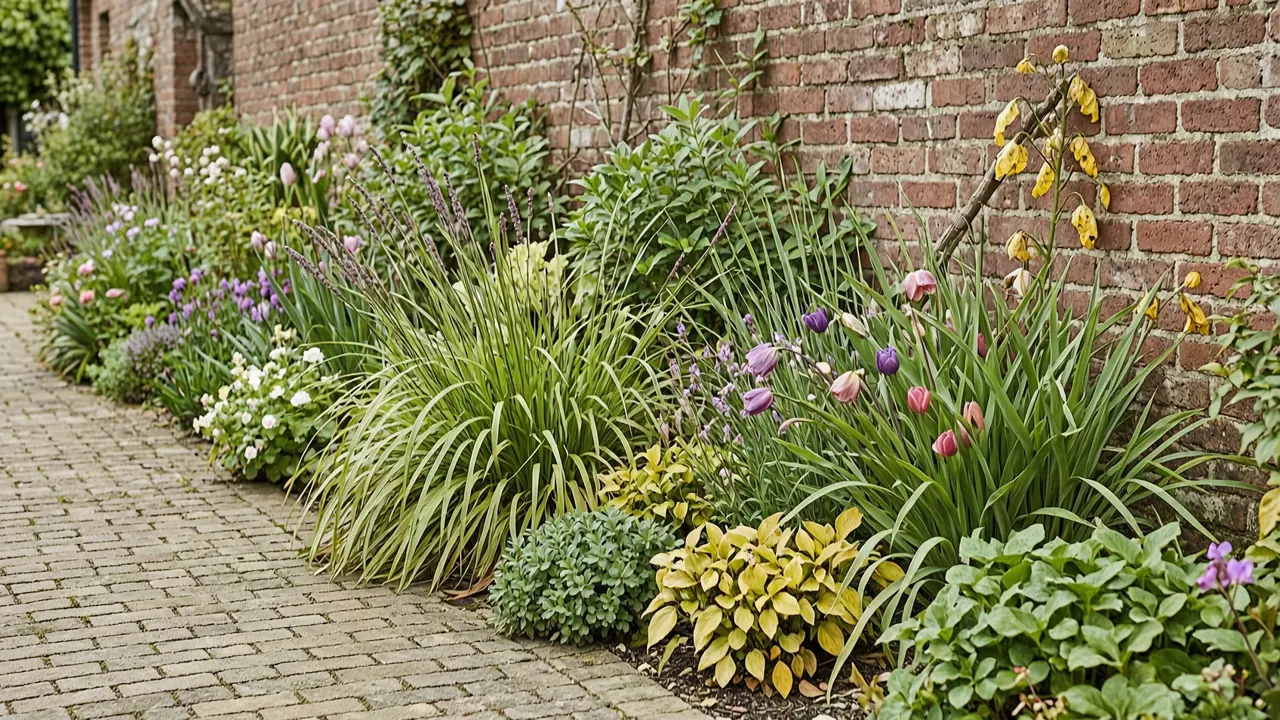
How to plan a perennial border
5 August 2026Plan a balanced perennial border with practical guidance on position, colour, height, spacing, flowering succession and year-round structure.
 Growing Guide
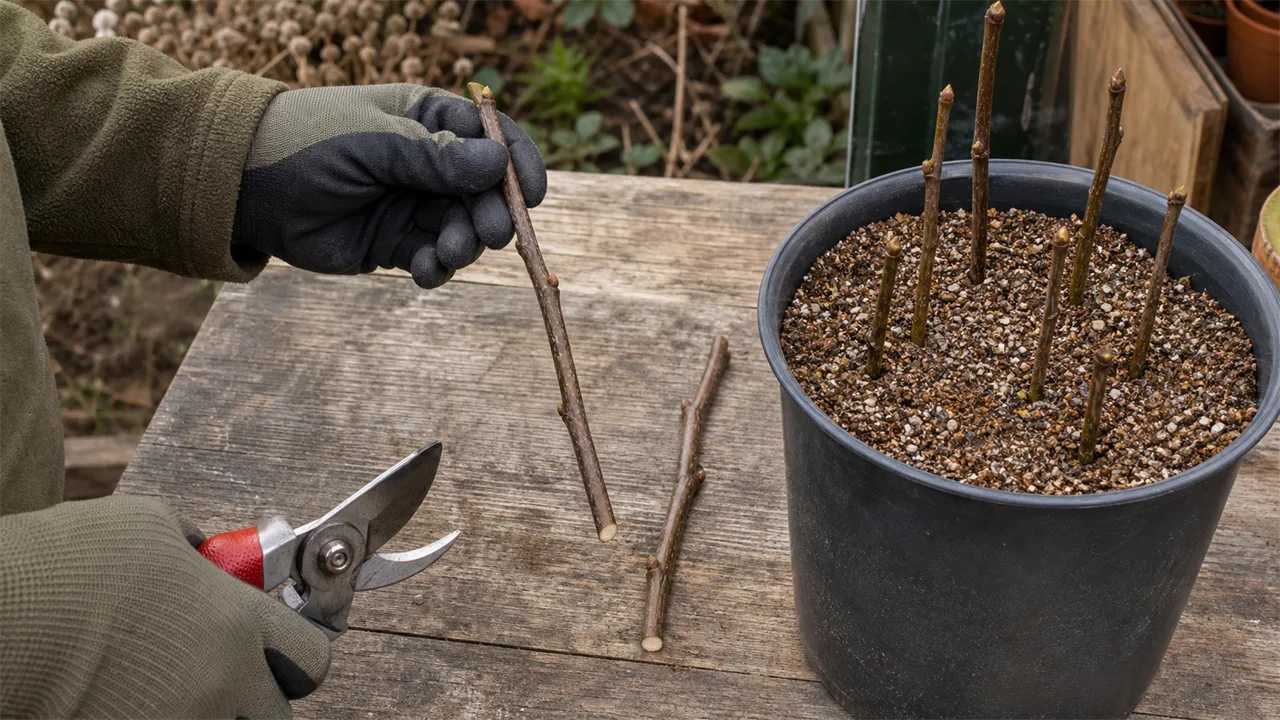
How to take hardwood cuttings
29 July 2026Take hardwood cuttings from suitable dormant shrubs and climbers with this step-by-step guide to timing, preparation, rooting and aftercare.