
Small Garden Design Ideas
A small UK garden is not a problem to be hidden, it is a brief to be designed well. With the right plant choices and a clear layered structure, a border of just 4 metres by 5 metres can deliver…
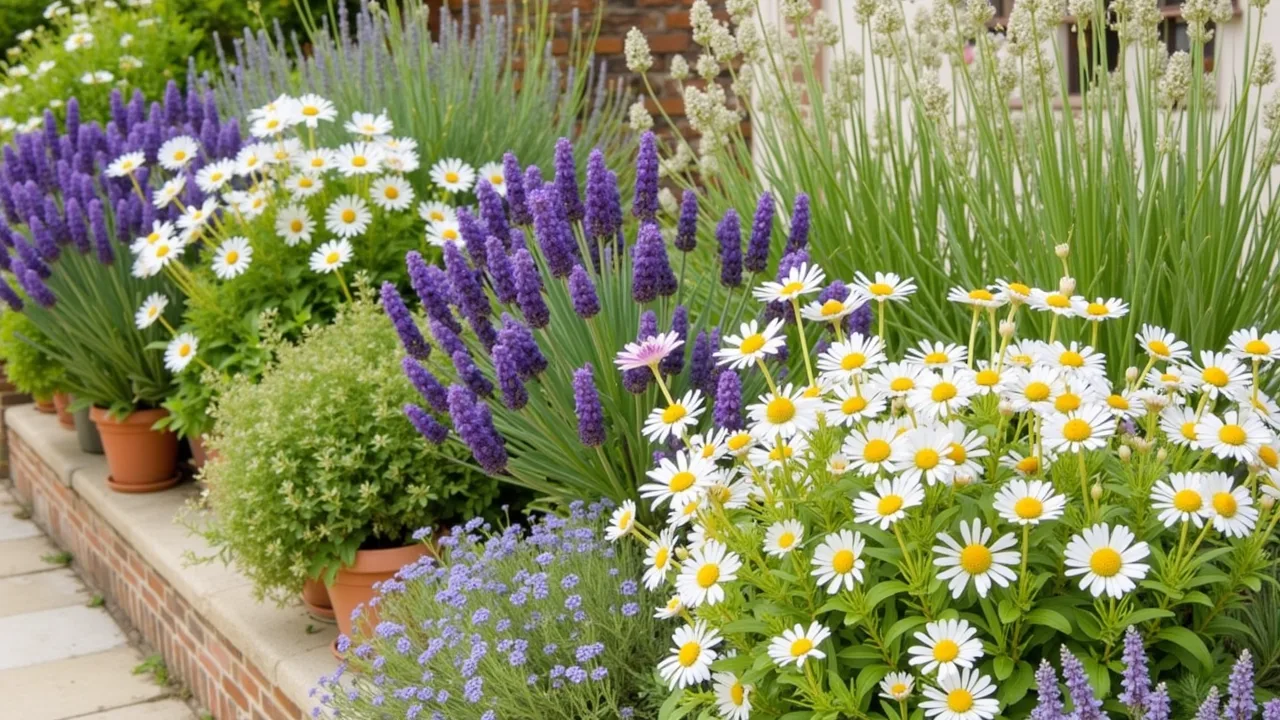
A small UK garden is not a problem to be hidden, it is a brief to be designed well. With the right plant choices and a clear layered structure, a border of just 4 metres by 5 metres can deliver flowers from February through to November, evergreen backbone through the winter, pollinator value across three seasons, and a year of changing colour, all without ever feeling crowded. This guide gives you one complete, plantable design that suits most south-, east- or west-facing small back gardens on reasonably well-drained soil.
Who this design suits
This is a sunny, free-draining, mostly low-maintenance design. It will work for you if:
- Your garden is roughly 3 to 6 metres in either direction and exposed to sun for at least half the day (south, west or east aspect).
- Your soil is loam, sandy loam or improved clay that does not stay waterlogged in winter. Heavy clay is workable if you add 5 to 8 cm of grit across the planting area.
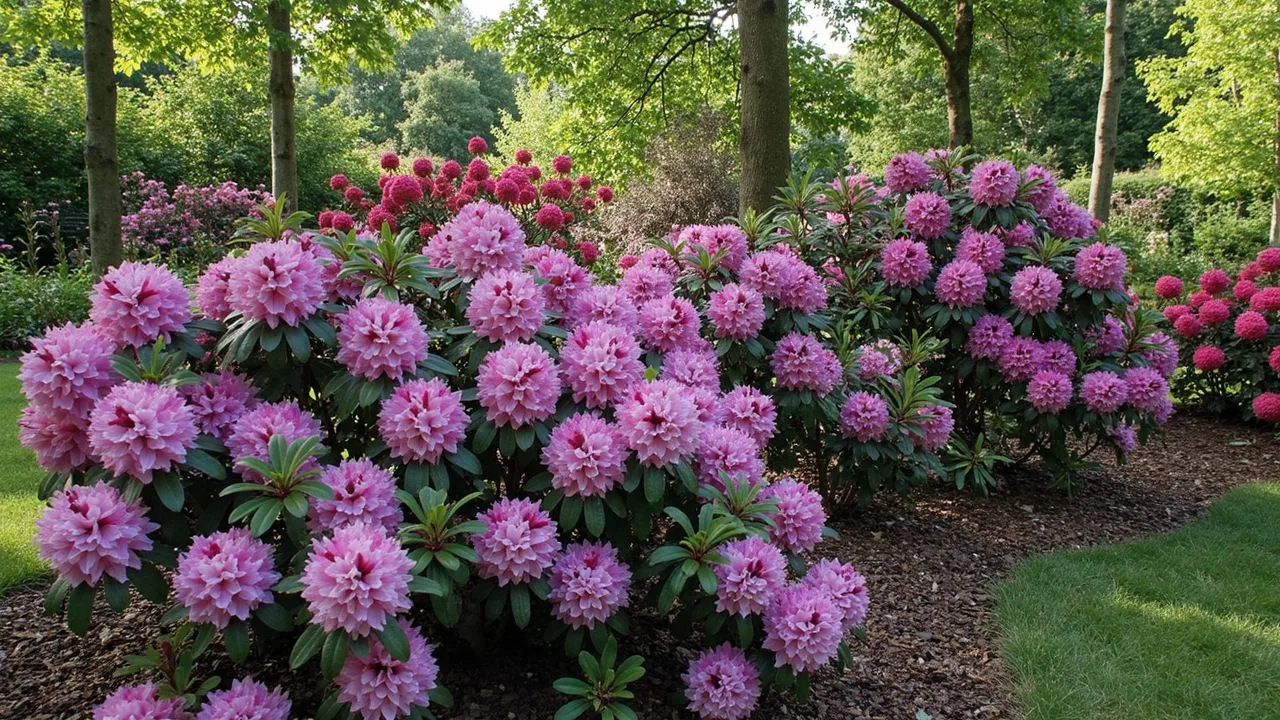
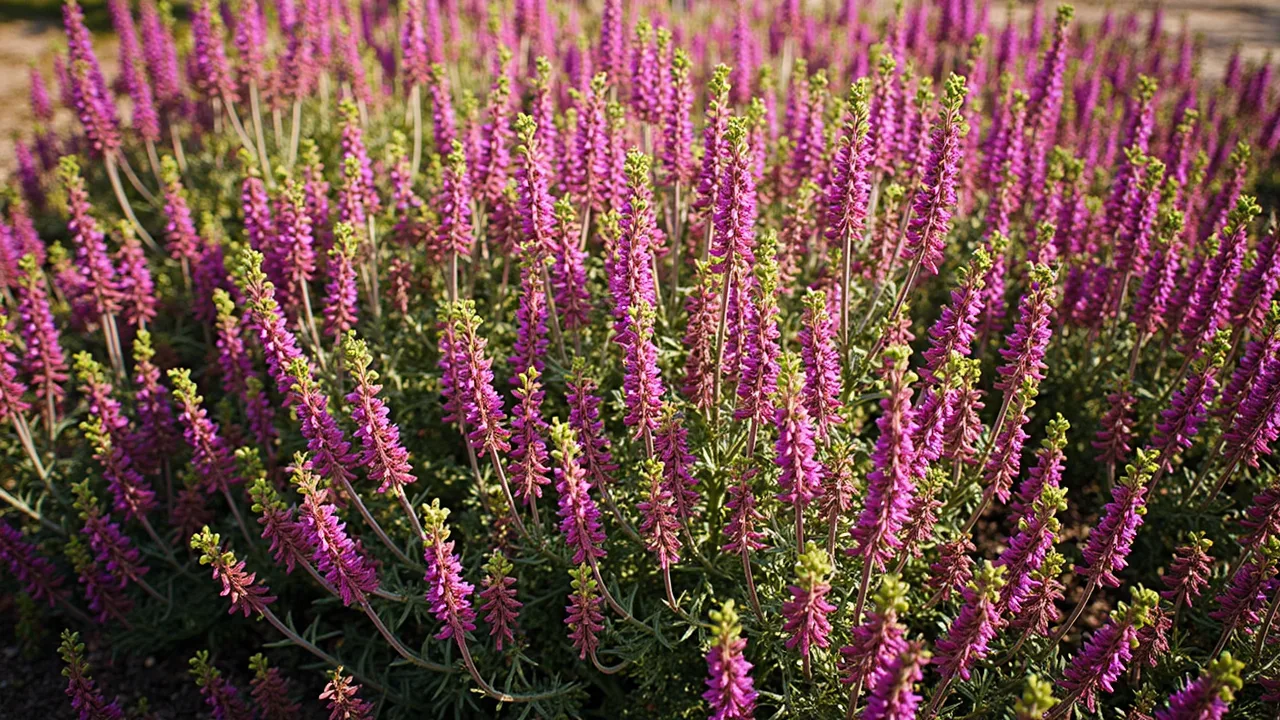
- Your soil pH is roughly neutral to slightly alkaline (pH 6.5 to 8). For acidic soil below pH 6, swap the lavender and thyme for Rhododendron and Heather — the rest of the plan is unchanged.
- You want colour for most of the year but do not want to spend every weekend staking, feeding and deadheading.
If your garden is mostly shaded, this plan is not for you — choose a shade-tolerant planting instead.
The design in one paragraph
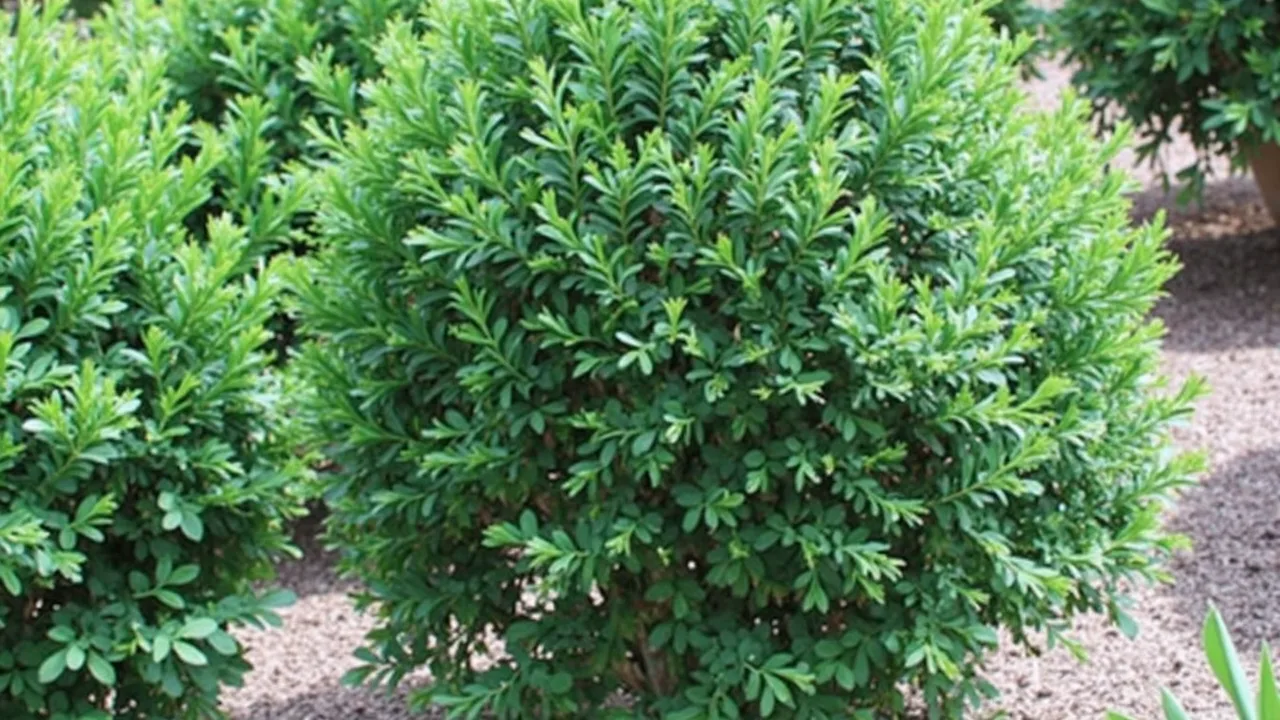
A low evergreen hedge of Boxwood along the back gives winter structure and a deep green backdrop. In front of it, a repeating framework of three compact shrubs — English lavender, rosemary and Dog Rose — anchors the border through the year. A mid-layer of Hardy Geranium, Avens, Coneflower, Daylily and Catmint carries the main June to September flowering display. A front edge of Stonecrop, common thyme and tulip bulbs finishes the picture and keeps the front tidy. A single self-clinging Wisteria 'Prolific' on the back fence or wall adds the vertical lift that small gardens need.
Planting plan by layer
Spacing below is centre-to-centre, and heights come straight from the catalogue so you can place taller plants behind shorter ones without guesswork.
| Plant | Layer | Height | Spacing | Quantity for 20 m² |
|---|---|---|---|---|
| Boxwood | Structure / back hedge | up to 9 m (clip at 60–80 cm) | 40 cm | 12 plants (single row) |
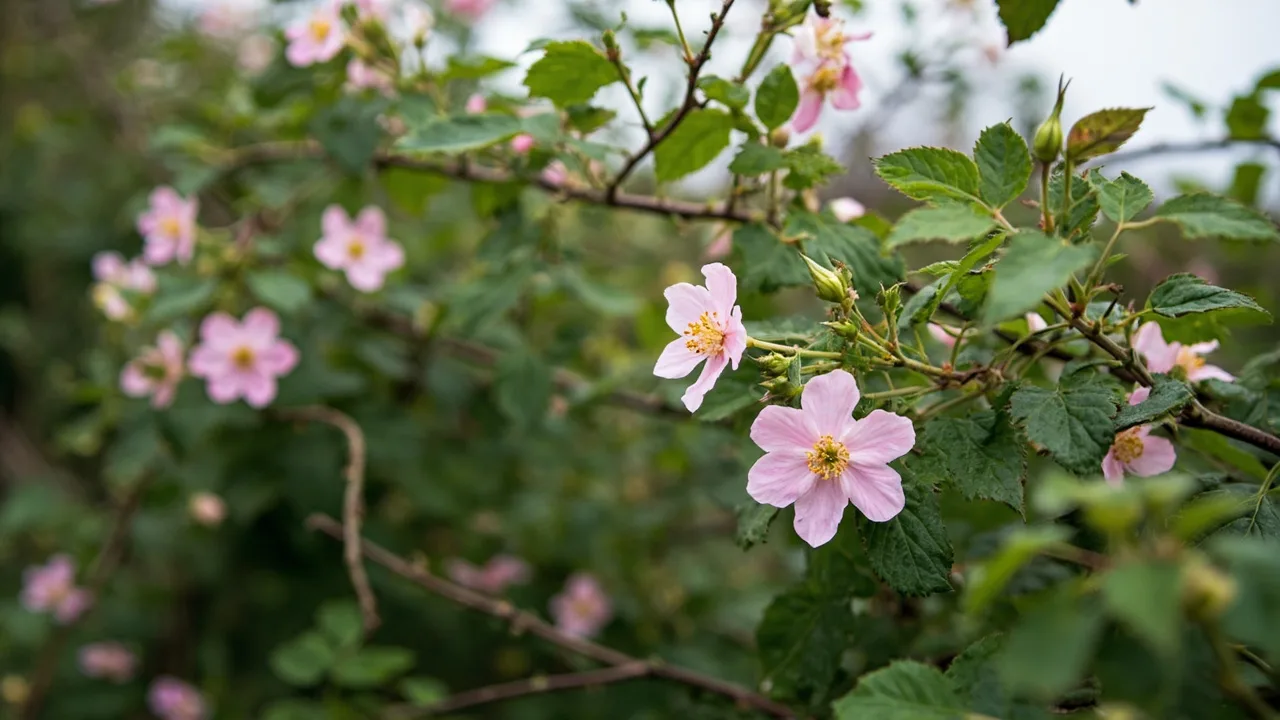
| Dog Rose | Structure / back | 1.5 m | 1.0 m | 3 plants |
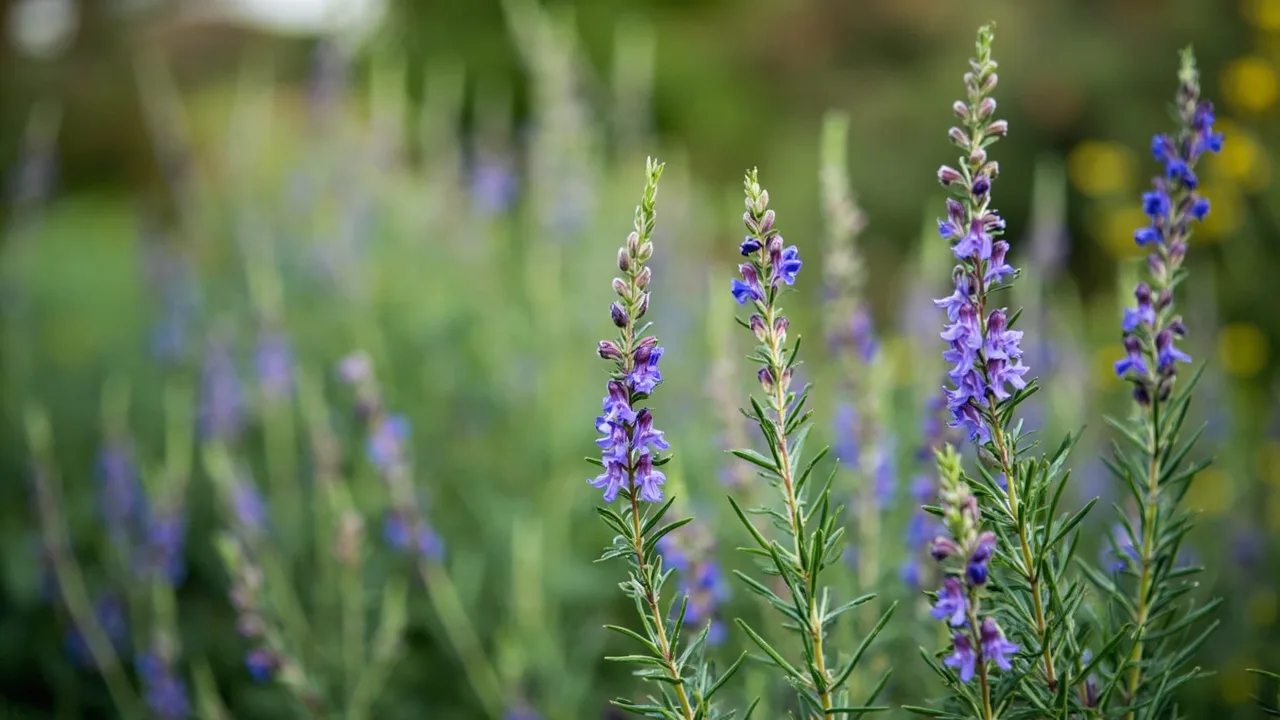
| rosemary | Structure / mid-back | 1.8 m | 80 cm | 3 plants |
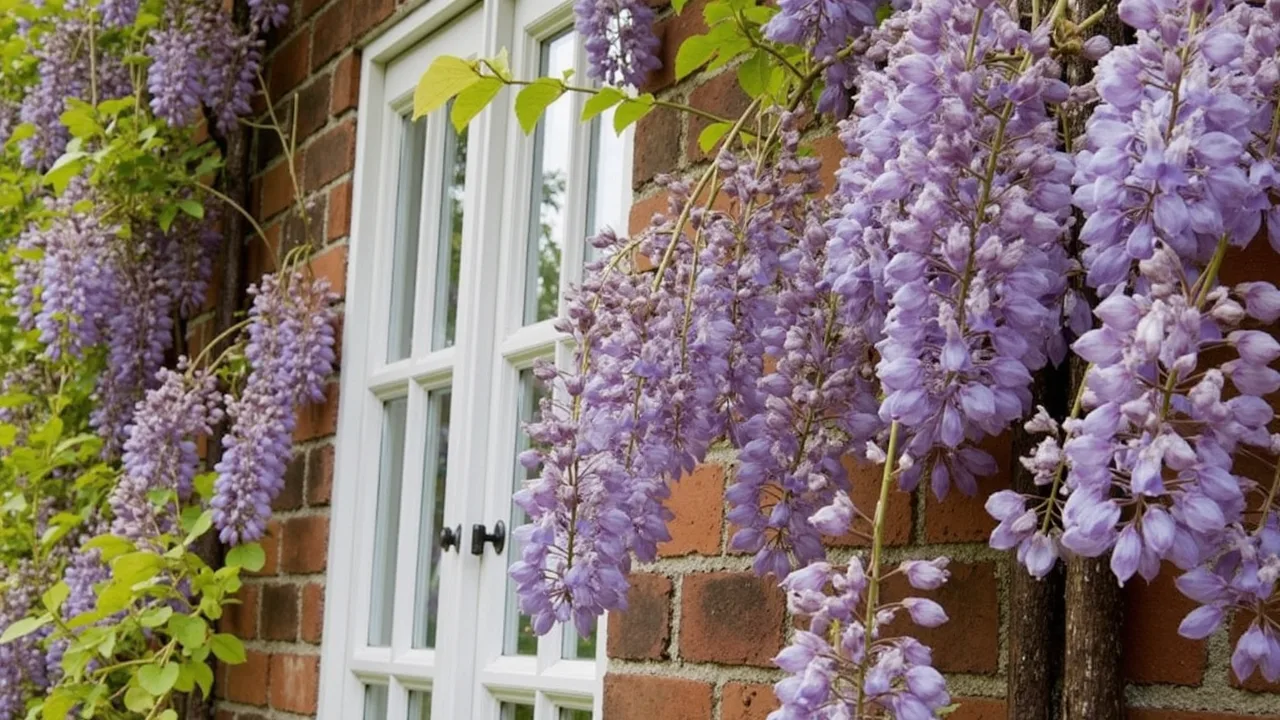
| Wisteria 'Prolific' | Climber / back wall | up to 12 m (train to 3 m) | 1 plant | 1 plant |
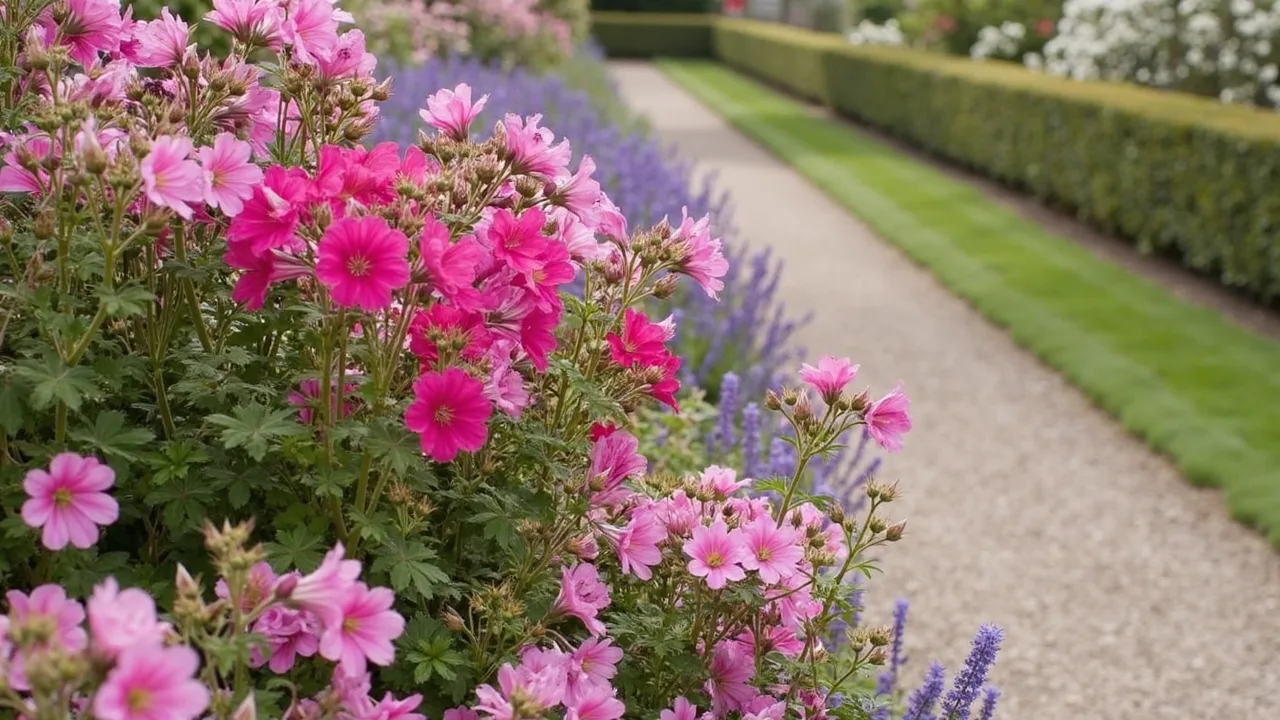
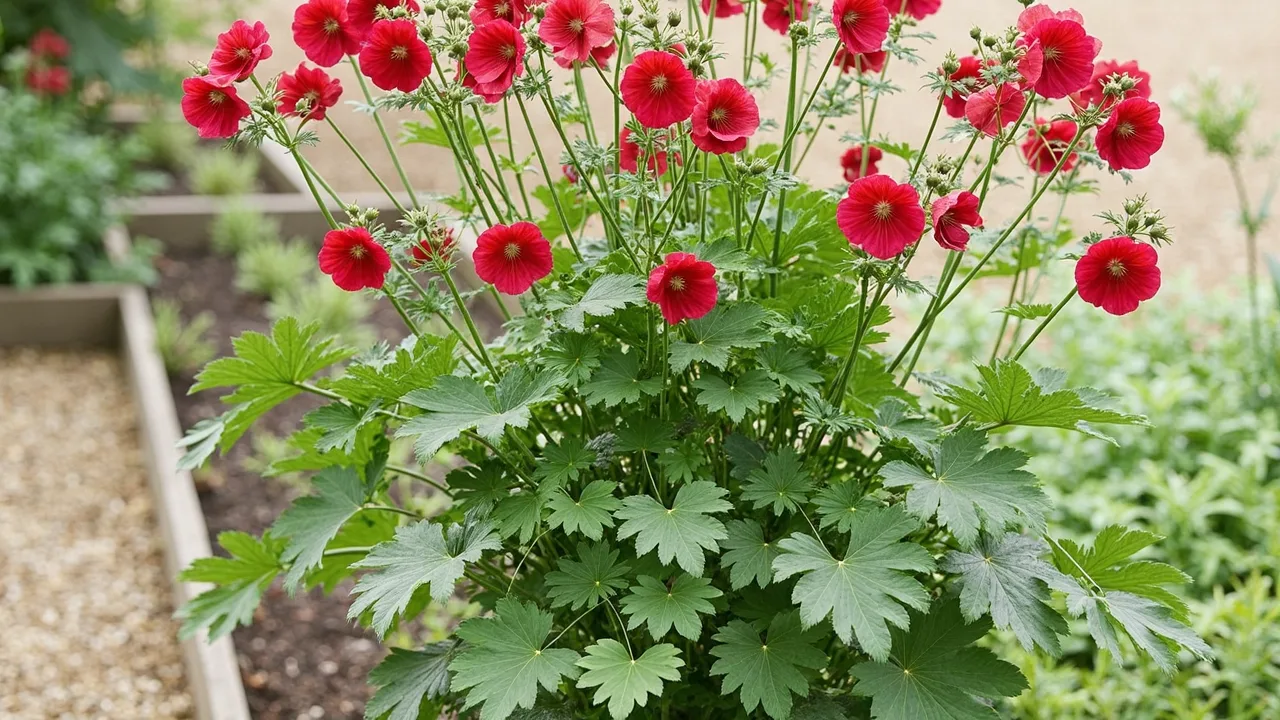
| Hardy Geranium | Mid | 50 cm | 50 cm | 6 plants |
| Avens | Mid | 1.2 m | 45 cm | 5 plants |
| Coneflower | Mid | 1.2 m | 50 cm | 4 plants |
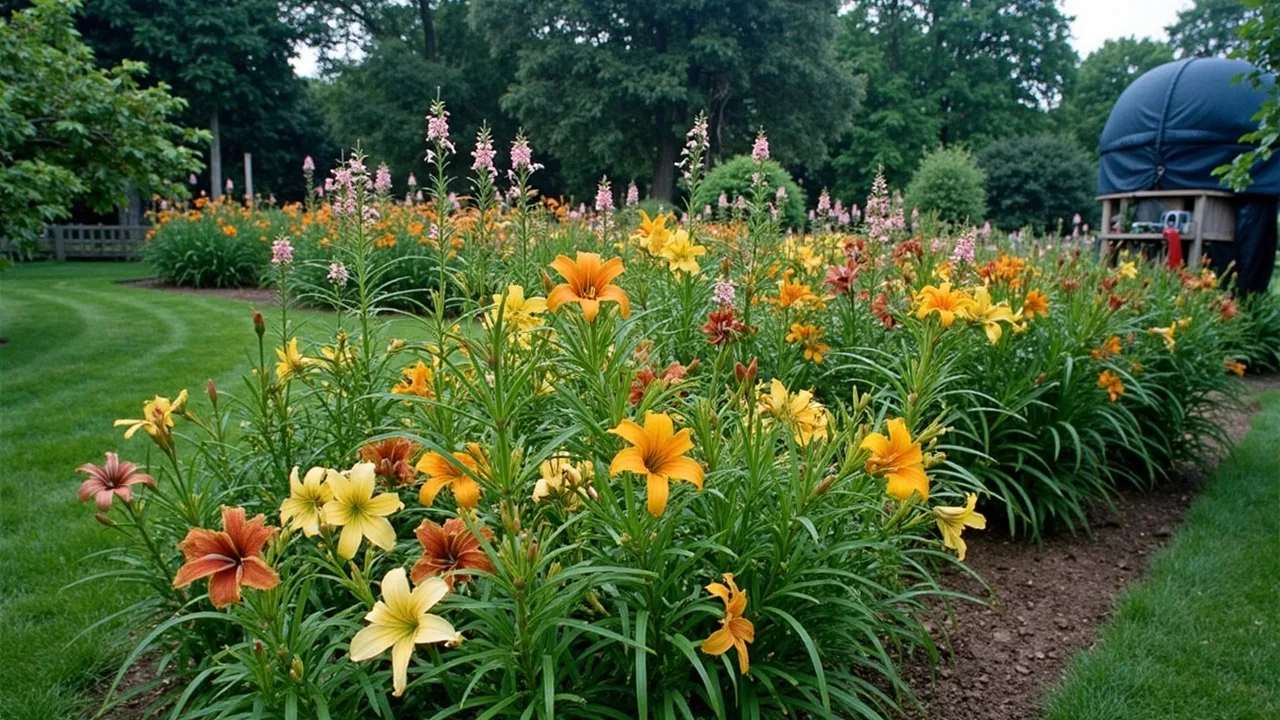
| Daylily | Mid | 1.2 m | 1.0 m | 3 plants |
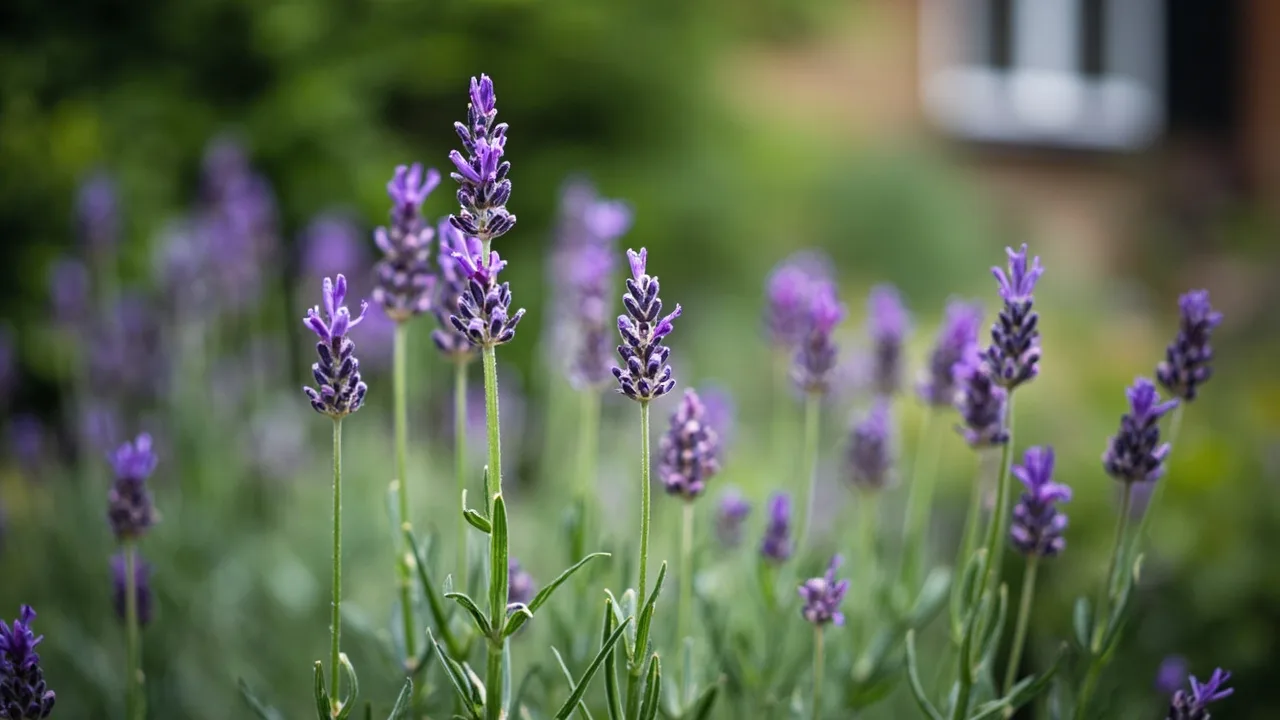
| English lavender | Mid-front | 90 cm | 90 cm | 6 plants |
| Catmint | Front-mid | 40 cm | 40 cm | 6 plants |
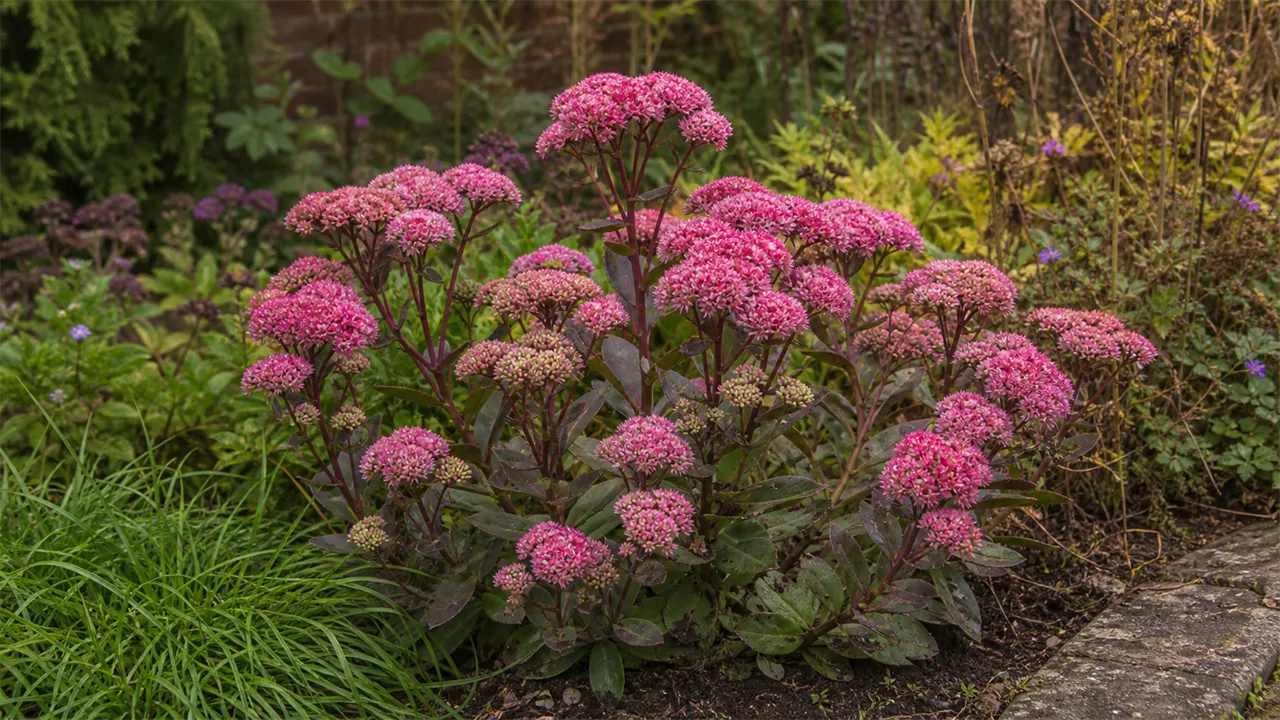
| Stonecrop | Front / edging | 60 cm | 50 cm | 6 plants |
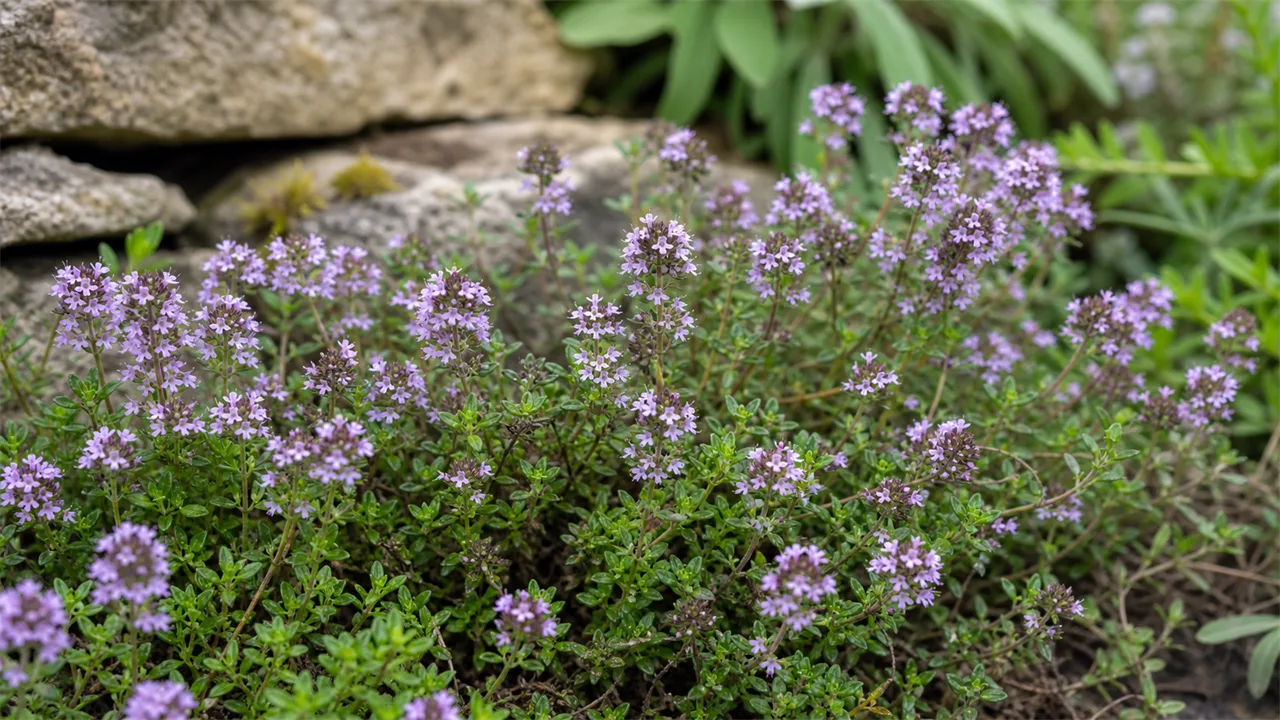
| common thyme | Front / edging | 30 cm | 40 cm | 6 plants |
| tulip | Bulb / front | 65 cm | 15 cm | 40 bulbs |
Total: 59 plants and 40 bulbs for a 20 m² border. A planting diagram would simply show: fence or wall at the back, Boxwood hedge 60 cm in front of it, Dog Rose and rosemary staggered behind the lavender line, the mid-layer perennials filling the centre, then thyme and Stonecrop as a 30 cm deep front strip with tulip bulbs threaded through it in autumn.
Year-round interest
Small gardens cannot afford an empty season, so each season has a clear carrier:
- Spring (March to May): tulip bulbs open the show from late March, followed by Geum from May. Rosemary is in full blue flower by late April and gives bees their first reliable forage. The first flush of hardy geranium foliage covers the soil.
- Summer (June to August): English lavender hits its stride in July and is the anchor of the border. Catmint carries a softer blue through June and will flower again in August if cut back by half after the first flush. Daylily flowers June through August with a new bud opening every day. Dog Rose throws simple, fragrant single roses in June and July, followed by large orange-red hips from August.
- Autumn (September to November): Coneflower is the autumn star, flowering from July into October. Leave the spent Stonecrop heads on the plant — they turn a rich brick red in October and feed late pollinators. Wisteria 'Prolific' often gives a smaller second flush of flower in late summer on a warm year. Rose hips deepen to scarlet and persist.
- Winter (December to February): This is where the Boxwood earns its place. Clipped at 60 to 80 cm it forms a solid dark green hedge that holds the border together when everything else has died back. Rosemary and lavender keep their silver-green foliage all winter. The architectural seedheads of Coneflower and Stonecrop catch frost and low winter sun. Dog rose hips stay on the bush into January.
Companion and pollinator notes
This design is built so that something is in flower for pollinators from March to October with no gap. Pairings worth knowing:
- rosemary and tulip flower together in April and May and are reliable early forage for bumblebee queens and solitary bees.
- English lavender and Catmint sit next to each other at the front of the border and share the same soil and aspect — plant them in a single sweep for a long blue-mauve band that lasts from late May to early August.
- Hardy Geranium and Avens interlock well because geranium sprawls over the front of geum clumps and hides any flopping geum stems.
- Wisteria 'Prolific' and Dog Rose should not be planted on the same wall — they compete for the same height of light. Put wisteria on the back fence and the rose in the border in front of it.
- Stonecrop is the single best late-season plant in the plan for butterflies, particularly peacocks and small tortoiseshells that feed on its flat flower heads in September.
Practical setup: soil, aspect and maintenance
Soil preparation. Clear the area of perennial weeds, especially bindweed and couch grass. Spread 5 cm of well-rotted garden compost or manure across the surface and fork it into the top 15 cm of soil. On heavy clay, also spread 2 cm of sharp grit and work it in. Two weeks before planting, lightly rake in a general-purpose fertiliser at 50 g per square metre.
Aspect. This border is designed for full sun (six hours or more in midsummer). It will tolerate light dappled shade for part of the day, but lavender, thyme, wisteria and coneflower will all flower poorly in deep shade.
Planting sequence. Plant the Boxwood hedge first, in a single straight row 60 cm in front of the fence. Water each plant in well with 5 litres. Then plant the roses and rosemary at the back. Then the mid-layer perennials in odd-numbered groups of three or five. Finish with the thyme and Stonecrop edge. Plant tulip bulbs in November, 15 cm apart and 15 cm deep, threading them through the front of the border.
Watering. Water thoroughly every three to four days for the first six weeks. After that, water only in extended dry spells. Lavender and thyme will fail in over-watered soil, so err on the dry side once established.
Feeding. Mulch with 3 cm of compost every spring. Apply a single handful of slow-release fertiliser around the roses and wisteria in March and again in June. Do not feed lavender or thyme — they flower poorly on rich soil.
Seasonal maintenance.
- March: cut back any remaining coneflower and sedum stems. Tip-prune rosemary. Start boxwood trimming plan — light trim in late May and main trim in late August.
- June: deadhead roses after flowering to encourage repeat bloom. Cut catmint back by half after its first flush for a second show in August.
- July: trim lavender lightly as flowers fade — never cut into old wood. Plant tulip bulbs in November, not July — this is the only job that is genuinely calendar-fixed.
- November: plant tulip bulbs, then leave the border alone. The seedheads and hips are doing winter work for you.
Budget and quantities
Working from typical 2025–2026 UK garden-centre prices for 2-litre potted shrubs and 9 cm perennials, expect roughly the following:
- Boxwood hedging (12 plants at about £18 each): £216
- Two roses, three rosemary, one wisteria: £130
- Lavender (6), thyme (6), sedum (6): £90
- Mid-layer perennials (24 plants across geranium, geum, coneflower, daylily, catmint): £170
- 40 tulip bulbs at about 40p each: £16
- Compost (two 70-litre bags) and grit (one 25 kg bag): £45
- Slow-release fertiliser: £12
Total materials for a complete 20 m² border: roughly £680. Reducing to one rose, fewer lavender and a smaller bulb order brings it closer to £500. Skip the boxwood and replace it with a row of thrift or a low lavender hedge for a cheaper but slower-growing alternative.
Common mistakes to avoid
- Planting lavender or thyme in heavy, un-improved clay — they will rot in their first wet winter.
- Letting the wisteria run away untrained. Cut the long whippy growth back to five buds in July and to two buds in January for the first three years. Flowers form on the short spurs that result.
- Squeezing more plants in. The spacing above assumes mature width. Planting closer gives an instant effect but creates mildew and die-back within three years.
- Cutting coneflower and sedum to the ground in November because the border looks untidy. Their winter skeletons are part of the design.
A 4 m × 5 m border with this planting will not look finished in its first year. Expect strong structure and good foliage in year one, a respectable flower show in year two, and the full design — hedge clipped, roses clumping, lavender at full width — by year three.
Plants in this guide



Recommended Products
GardenWizz earns a commission from qualifying purchases made through affiliate links on this page (including links within the article) — as an Amazon Associate, and from Thompson & Morgan via the Awin network. This does not affect the price you pay. See our disclaimer for details.
Related Articles
More →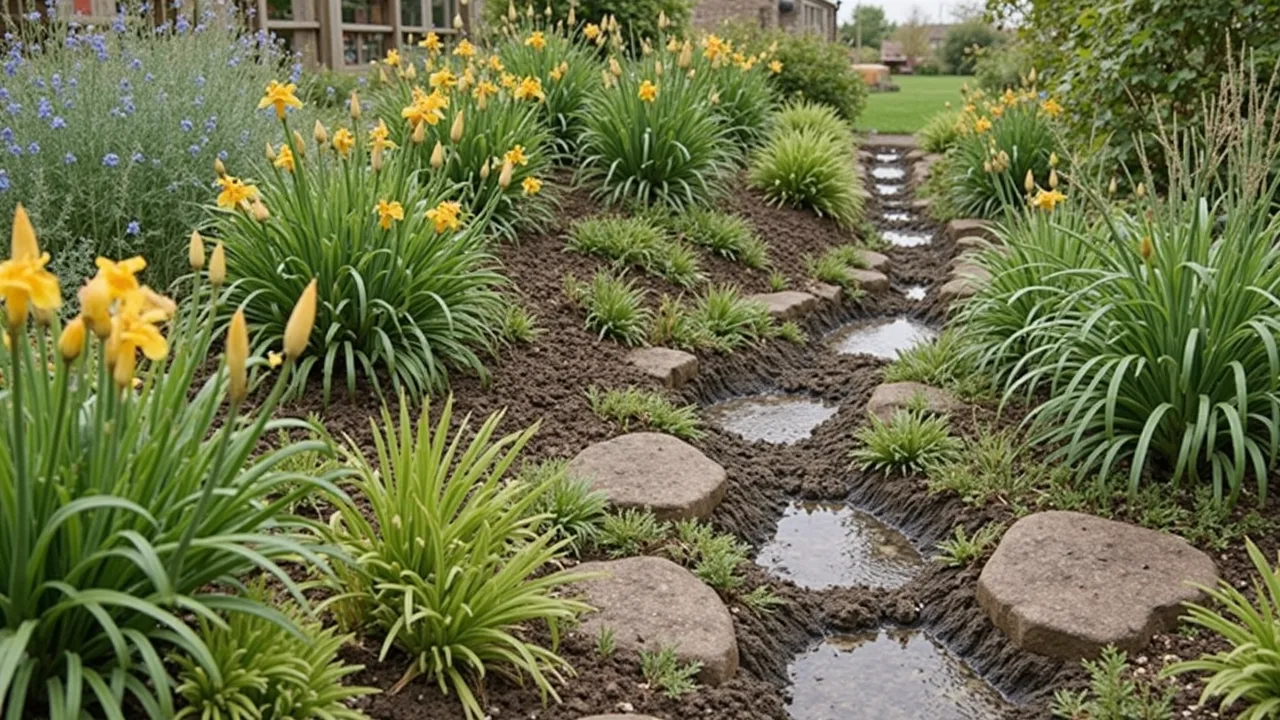 Garden Design
Creating a Rain Garden
12 June 2026A rain garden is a shallow, planted dip in the lawn or border that catches roof and paving runoff, lets it soak into the ground, and filters it through plant roots on the way down. In a UK garden it…
 Garden Design
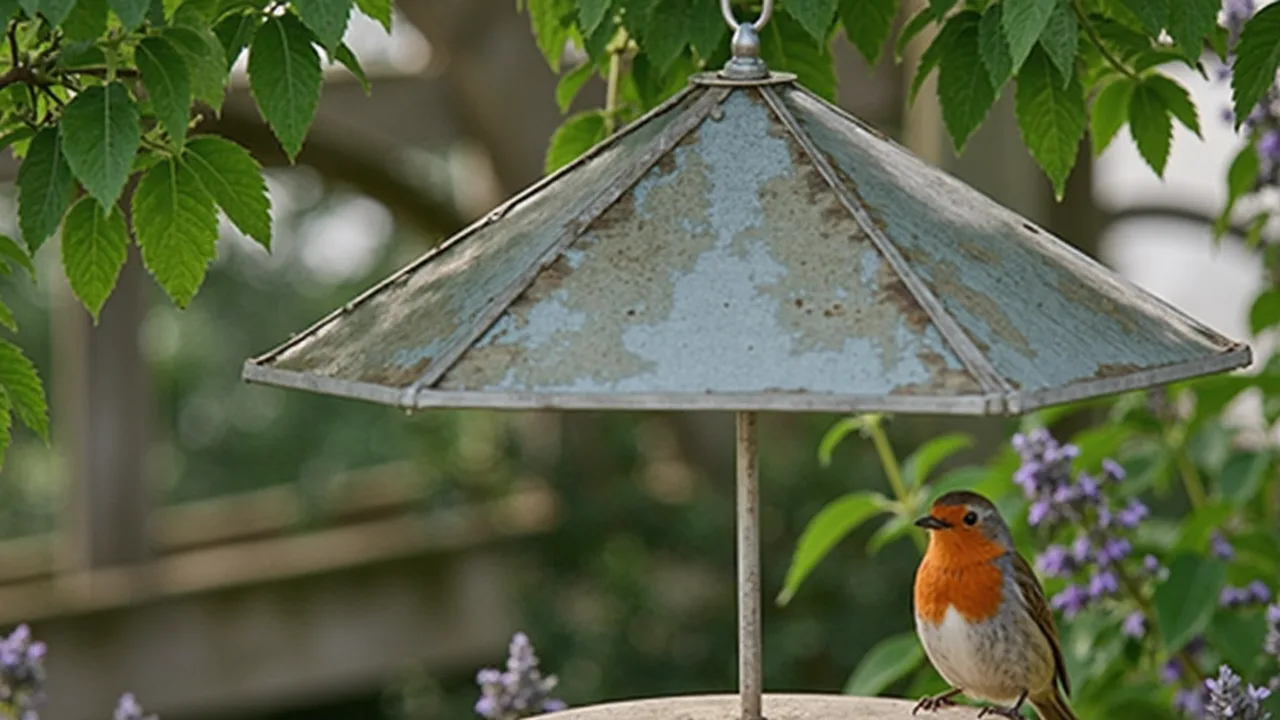
How to Attract Birds to Your Garden
12 June 2026A garden with birds is a working garden. They eat aphids, caterpillars, slugs and snails; they pollinate as they forage; and they tell you, quickly, when something in your patch is out of balance.…
 Garden Design
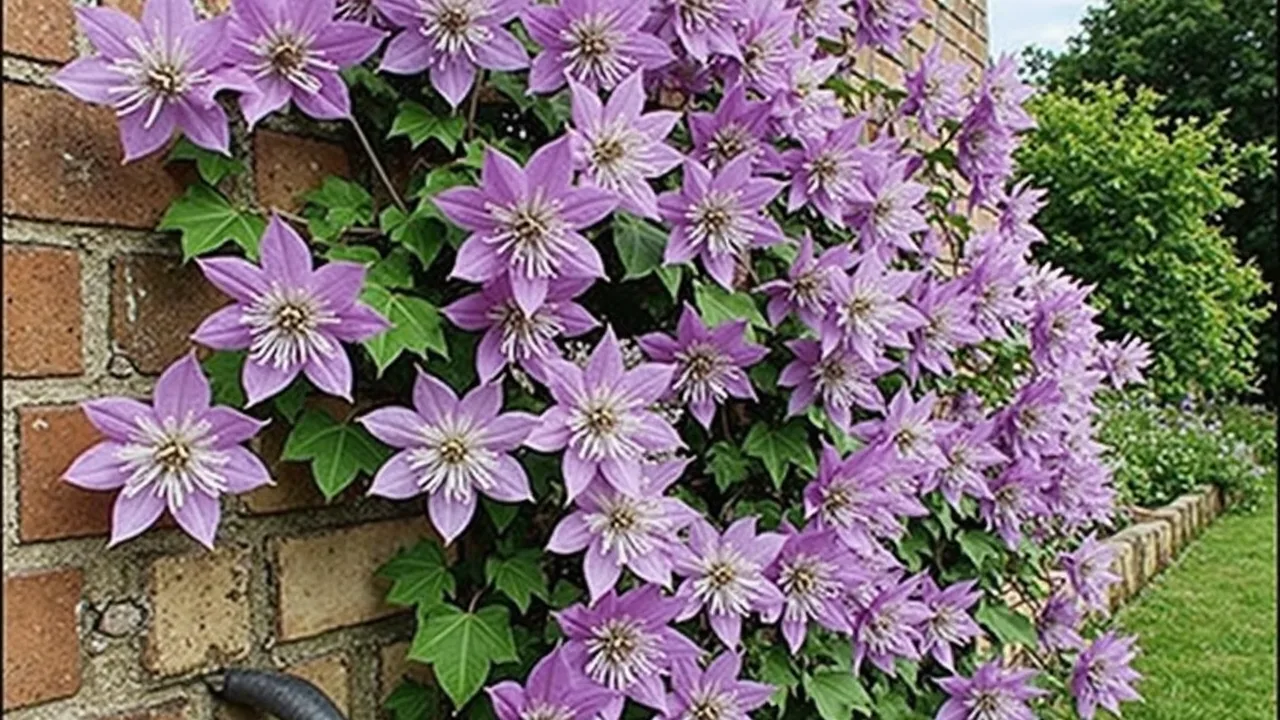
Best Climbing Plants for UK Walls and Fences
12 June 2026A bare fence or blank wall is wasted growing space. Choose the right climber and that same square metre of garden becomes flowers from May to October, shelter for nesting birds, a windbreak for the…