Dogwood
Cornus
The Gardening Year
Best months in UK gardens · full planting calendar →
🖨 Printable care card (PDF)At a Glance
| Botanical name | Cornus |
|---|---|
| Common name(s) | Dogwood |
| Family | Cornaceae |
| Plant type | shrub (Most are deciduous trees or shrubs, but a few species are nearly herbaceous perennial subshrubs, and some species are evergreen.) |
| Height × Spread | 1.2–8 m × 1.5–8 m |
| Position | Full sun, Partial shade |
| Soil | moisture-retentive soil; moist but well-drained soil; neutral to acidic soil for C. kousa |
| Flowering | May–June |
| Toxicity | Fruits of species in subgenus Swida are mildly toxic to people; fruits of subgenus Cornus are edible. |
| Native range | temperate and boreal Eurasia and North America, with China, Japan, and the southeastern United States being particularly rich in native species. Also known from South America. |
The dogwoods are a varied, mostly hardy genus of shrubs and small trees grown for four quite different reasons: large-bracted spring flowers, layered summer foliage, brilliant autumn leaf colour, and the bright crimson, orange or yellow young stems that catch low winter sun. With more than 50 species spread across the temperate Northern Hemisphere, Cornus offers a useful plant for almost any UK garden, from a courtyard specimen to a damp woodland edge.
Overview
Cornus is the sole genus of the family Cornaceae in most modern treatments, with around 50-60 species of shrubs, small trees and a few low, near-herbaceous perennials. The genus is native across the temperate Northern Hemisphere, with centres of diversity in China, Japan and the eastern United States, and smaller native ranges in Europe and western Asia. Two Afrotropical species are sometimes separated as Afrocrania, but for ordinary garden purposes the genus is treated in the broad sense used here. The American flowering dogwoods and the European / Asian species all share the same characteristic opposite leaves with curved, arcuate veins.
In UK gardens, dogwoods earn their place for a wider range of effects than almost any other hardy shrub. The flowering species — chiefly Cornus florida from eastern North America and Cornus kousa from East Asia — produce large, white or pink bracts in late spring and early summer. Winter-stem dogwoods, the cultivars of Cornus alba, Cornus sanguinea and Cornus sericea, are cut back hard each spring to throw vivid new shoots in shades of red, orange, yellow or lime. The native Cornus sanguinea is a useful wildlife shrub for hedgerows and the back of a mixed border, and Cornus mas — the cornelian cherry — earns its place with a shower of small yellow flowers on bare wood in late winter.
Most cultivated dogwoods are dependable once established, and several carry the RHS Award of Garden Merit. Note that the native Cornus sanguinea is classed as an invasive non-native in parts of the UK, so garden planting and disposal of prunings should follow current guidance.
Appearance
The genus is unusually varied in habit, so mature size must be checked for the species you intend to grow. Cornus mas forms a medium shrub or small tree up to 5-8 m with a rounded crown and fibrous, reddish-brown bark. The flowering dogwoods C. florida and C. kousa usually reach 4-7 m as small, layered trees with horizontal branches held in distinct tiers. The winter-stem dogwoods are suckering shrubs 2-3 m tall when left to grow freely, but most gardeners cut them back to a low framework each spring, which keeps them around 1-1.5 m of coloured new growth. Cornus canadensis is a low creeping perennial of damp woodland, typically 10-20 cm tall with a rhizome that spreads steadily through leaf litter.
Leaves are simple, opposite (with the notable exception of C. alternifolia and C. controversa), and oval to elliptic, with curved, parallel veins that point to the tip — a defining field character of the genus. Foliage is usually mid- to dark green above, paler beneath, and turns shades of red, purple or orange in autumn on most species, with Cornus kousa and Cornus florida especially prized for their autumn display.
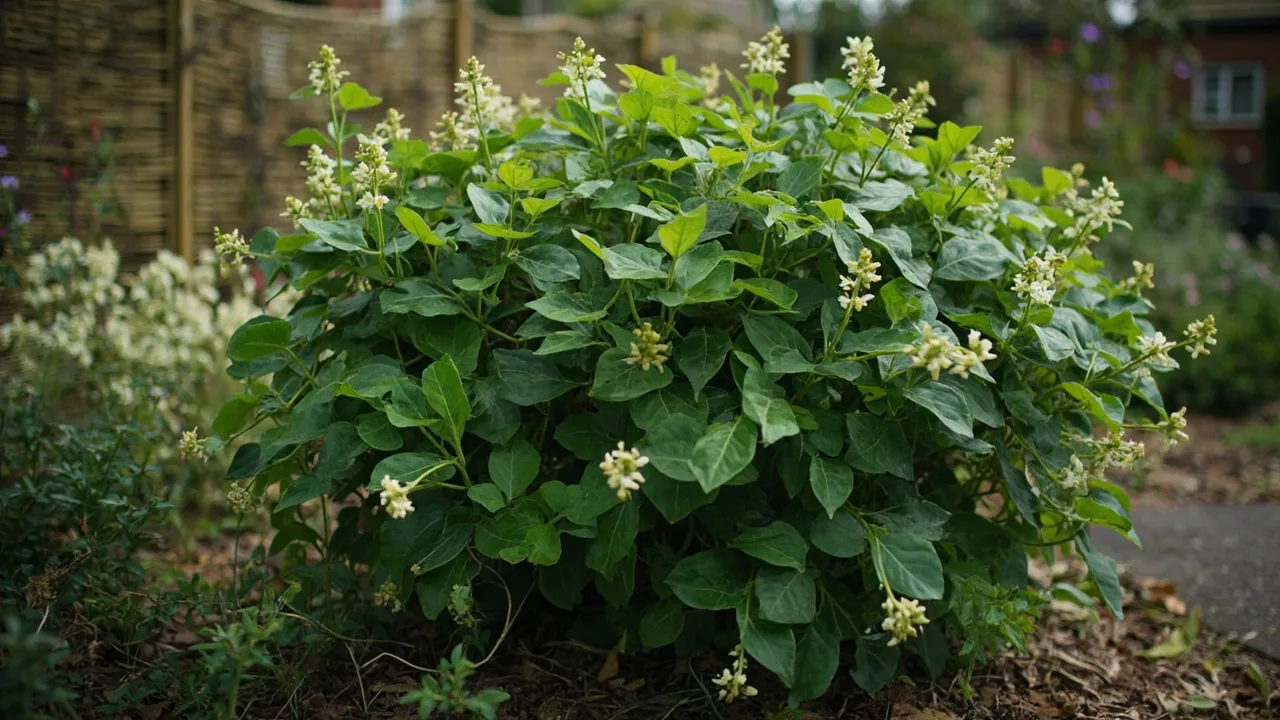
The showy "flowers" of the flowering dogwoods are actually four to six large bracts surrounding a dense cluster of small true flowers; these bracts are white or pink and look like a single huge flower. Cornus kousa flowers a few weeks later than C. florida, with pointed bracts that taper inwards as the small true flowers open; C. florida has rounded, notched bracts that often overlap. Cornus mas flowers directly on bare twigs in February or March, a froth of small yellow umbels before the leaves emerge. The winter-stem species carry flat, creamy-white cymes of true flowers in May and June, modest on their own but useful for pollinators.
Fruits are fleshy, usually with a single stone, and vary in size and shape. Cornus kousa carries a strawberry-like compound fruit, 2-3 cm across, ripens from green to pinkish-red in late summer and is edible when fully soft. The drupes of Cornus mas are oblong, glossy red and edible, traditionally used in syrups and pickles in parts of eastern Europe. The smaller drupes of Cornus sanguinea and Cornus alba are bluish-black to white, depending on cultivar, and are generally considered mildly toxic to humans rather than edible.
Growing Conditions
Most dogwoods grow well in sun or partial shade. The flowering types flower most generously in full sun, but they appreciate light shade at the roots; in the south of England a position with morning sun and afternoon shade is often ideal. The winter-stem dogwoods colour most strongly in full sun, because the bright pigment develops in response to bright light on new growth. Deep shade produces lanky, dull-stemmed plants and few flowers.
Soil is more important than position. Flowering dogwoods prefer a fertile, humus-rich, moisture-retentive but well-drained soil, ideally neutral to slightly acidic. Cornus kousa is notably intolerant of shallow chalk, which can induce chlorosis and slow growth; on alkaline ground, plant in a generous pocket of loam-based compost and top-dress with leaf mould each year. The winter-stem species and the native Cornus sanguinea are far more tolerant of heavy clay and mildly alkaline conditions, and they are excellent choices for damp ground at the edge of a pond or stream.
Avoid drought-prone sites for flowering forms. A tree that goes short of water in July will drop its bracts prematurely and set poor autumn colour. Equally, avoid planting in a hollow where water sits in winter, because waterlogged roots quickly rot. The classic compromise is a sloping border with moisture-retentive loam, or a flat border improved across a wide area with organic matter before planting.
Shelter matters for the large-bracted flowering dogwoods, which can scorch in cold drying winds. A position beside a wall, in a courtyard, or at the edge of a woodland where taller trees filter the wind is ideal. In cold inland and northern gardens, opt for Cornus kousa over C. florida, because C. kousa flowers later and escapes most spring frosts.
Hardiness varies across the genus and must be taken from the structured hardiness field for the specific record; no genus-wide H rating should be inferred. Consult the profile's hardiness badge for the verified rating for the species or cultivar you intend to grow.
Planting and Care
Plant container-grown dogwoods at any time between autumn and spring when soil is workable and not frozen or waterlogged. Autumn planting generally gives the best results in the UK, because roots settle in mild, moist soil and the plant is ready to grow away strongly the following spring. Set the root ball at the same depth it grew in the pot, backfill with the surrounding soil, firm gently, water thoroughly and mulch with a 5-7 cm layer of leaf mould or well-rotted garden compost kept clear of the stems. Water through any dry spells in the first growing season.
Routine pruning depends on why you grow the plant. Flowering trees and shrubs need only the removal of dead, damaged, diseased or crossing growth, carried out in late winter or immediately after flowering. Hard pruning reduces flowering and is rarely justified. Winter-stem dogwoods are treated differently: in early spring, before buds break, cut all the previous season's stems back to within 5-7.5 cm of the ground, or to a low permanent framework. This forces a flush of straight, brightly coloured new shoots that carry the winter display. Young plants are usually allowed to establish for two or three seasons before this annual coppicing begins.
Feeding is undemanding. A single application of a balanced, slow-release fertiliser in spring, or a thin annual mulch of organic matter, is enough on most soils. Over-rich ground produces soft, leafy growth that is more vulnerable to disease and that colours poorly in winter.
Propagation methods vary by species. Winter-stem dogwoods are easy from hardwood cuttings 20-30 cm long, taken in autumn and pushed two-thirds of their length into a slit trench of free-draining soil outdoors. Flowering dogwoods are usually grafted or layered, because cuttings of named cultivars do not come true. Cornus mas and Cornus kousa can be raised from seed, but seed needs a warm-then-cold stratification period and can take 18 months to germinate.
Pest and disease pressure is generally low in well-sited plants. Watch for horse chestnut scale on stems and treat with a winter wash if infestations build. Honey fungus can attack older or stressed specimens on damp, compacted sites. The most serious disease is Cornus anthracnose, addressed in the next section.
Common Problems
Cornus anthracnose
Caused by the fungus Discula destructiva, anthracnose arrived in the UK from North America in the late 1990s and remains the most serious disease of dogwoods grown here. Wet spring weather favours infection. Symptoms begin as small leaf spots with purple margins, then enlarge as the leaves scorch and fall early; on susceptible species, the fungus spreads into young shoots and can cause dieback and cankers. Cornus florida is the most susceptible of the commonly grown species; Cornus kousa and the European dogwoods are notably more resistant. Manage established infections by raking up and destroying fallen leaves, pruning out cankered shoots into clean wood, maintaining airflow through the canopy, mulching to keep roots evenly moist, and watering in dry spells rather than letting the plant stress. Site choice is the most useful long-term defence: a well-drained, sheltered but airy position reduces the conditions in which the fungus thrives.
Powdery mildew
A white, dusty fungal coating on the leaves in late summer, often accompanied by leaf distortion and early fall. It tends to be worst on plants in dry soil at the base with humid air around the foliage. Improve airflow by thinning congested growth, water at the base rather than over the leaves, and avoid repeated drought stress. The condition is seldom fatal but does spoil the autumn display.
Horse chestnut scale
A small, sticky, yellow-brown scale insect that colonises the bark of stems and trunks, often accompanied by sooty mould on the honeydew below. Light infestations are tolerated by healthy plants; heavier colonies weaken younger specimens. Remove by hand, encourage natural predators such as ladybirds and hoverflies, or apply a winter wash to dormant wood in late winter.
Vine weevil
A particular problem for container-grown dogwoods. Adult beetles notch the leaf edges, but the grubs in the compost do the real damage by eating roots through autumn and winter. Use a nematode-based biological control (Steinernema kraussei) in late summer, or apply a suitable drench to the compost. Carry container plants on pot feet and check roots of any new plant before it goes near valuable specimens.
Stem and root rots
Poorly drained sites, planting holes that hold water, and winter wet combined with compacted soil can lead to root rots, especially of Cornus florida. Plants wilt unexpectedly in summer, foliage yellows, and the whole crown may collapse. Prevention is far better than cure: improve drainage across a wide area before planting, and avoid the hollows where excess water collects.
Popular Varieties
Because Cornus is a genus rather than a single species, popular varieties below are grouped by garden use. Cultivar names are well-established in UK nursery trade.
Flowering dogwoods (bracted spring display)
- Cornus kousa 'China Girl' — large, creamy-white bracts and excellent autumn colour; one of the most reliable flowering dogwoods.
- Cornus kousa 'Miss Satomi' — pink-bracted form, with consistently good autumn leaf colour.
- Cornus florida 'Cherokee Princess' — heavy-flowering white form, best in the milder parts of the UK where the earlier flowers can avoid late spring frosts.
- Cornus × rutgersensis 'Stellar Pink' — a hybrid between C. florida and C. kousa, combining pink bracts with later flowering and better disease resistance than C. florida alone.
Winter-stem dogwoods (cut back each spring)
- Cornus alba 'Sibirica' — the classic bright crimson-stemmed dogwood, vigorous for damp ground.
- Cornus alba 'Kesselringii' — dark purple-black stems, useful for contrast in a winter planting.
- Cornus sanguinea 'Midwinter Fire' — yellow-orange-red flame-coloured stems, best in moist but not boggy soil.
- Cornus sericea 'Flaviramea' — yellow- to olive-green winter stems, useful for a dark winter corner.
Other useful forms
- Cornus mas — cornelian cherry; small yellow flowers on bare wood in February and March, edible red fruits, mature size 5-8 m.
- Cornus canadensis — bunchberry; a creeping perennial for damp, acidic woodland soil, useful as ground cover beneath established shrubs.
Sources & Further Reading
- Royal Horticultural Society — Cornus flowering dogwoods: https://www.rhs.org.uk/plants/cornus/flowering, accessed 2026-07-23
- Royal Horticultural Society — Cornus anthracnose: https://www.rhs.org.uk/disease/cornus-anthracnose, accessed 2026-07-23
- Royal Horticultural Society — Cornus kousa plant profile: https://www.rhs.org.uk/plants/4391/cornus-kousa/details, accessed 2026-07-23
- Royal Horticultural Society — National Plant Collections: Cornus: https://www.rhs.org.uk/plants/horticulture-hub/national-plant-collections/cornus, accessed 2026-07-23
- Plants of the World Online (Royal Botanic Gardens Kew) — Cornus L.: https://powo.science.kew.org/taxon/urn:lsid:ipni.org:names:330228-2, accessed 2026-07-23
- Trees and Shrubs Online — Cornus sanguinea: https://www.treesandshrubsonline.org/articles/cornus/cornus-sanguinea/, accessed 2026-07-23
- BBC Gardeners' World — How to grow Cornus: https://www.gardenersworld.com/how-to/grow-plants/how-to-grow-cornus/, accessed 2026-07-23
Pests and Diseases
| Problem | Symptoms | Management |
|---|---|---|
| Cornus anthracnose | Yellowish leaf spots that expand and cause premature defoliation, primarily on susceptible species like C. florida. | Rake up and destroy fallen leaves to reduce inoculum and choose resistant European species where possible. |
| Powdery mildew | White, dusty fungal growth appears on leaves and young shoots, potentially causing distortion. | Ensure good air circulation by pruning and water at the base to keep foliage dry during humid weather. |
| Slugs and snails | Irregular holes chewed in leaves and silvery slime trails visible on stems or surrounding soil. | Use physical barriers like copper tape or apply iron phosphate-based pellets around the base of the plant. |
| Aphids | Clusters of small soft-bodied insects on new growth, often accompanied by sticky honeydew. | Encourage natural predators like ladybirds or blast off infestations with a strong jet of water. |
| Vine weevil | Notched edges on leaves above ground and root damage below, leading to wilting in potted specimens. | Apply systemic insecticide granules to the compost or use biological controls like nematodes. |
For step-by-step help, read Controlling Aphids Naturally, Dealing with Slugs and Snails and Treating Powdery Mildew. Or browse the full plant problem solver to diagnose an issue by symptom.
Recommended Products
GardenWizz earns a commission from qualifying purchases made through affiliate links on this page (including links within the article) — as an Amazon Associate, and from Thompson & Morgan via the Awin network. This does not affect the price you pay. See our disclaimer for details.