St John's Wort
Hypericum beanii
The Gardening Year
Best months in UK gardens · full planting calendar →
🖨 Printable care card (PDF)At a Glance
| Botanical name | Hypericum beanii |
|---|---|
| Common name(s) | St John's wort |
| Family | Hypericaceae |
| Plant type | shrub |
| Height × Spread | 1–2 m × 1–2 m |
| Position | — |
| Soil | moisture-retentive, well-drained |
| Flowering | June–August |
| Toxicity | — |
| Native range | China |
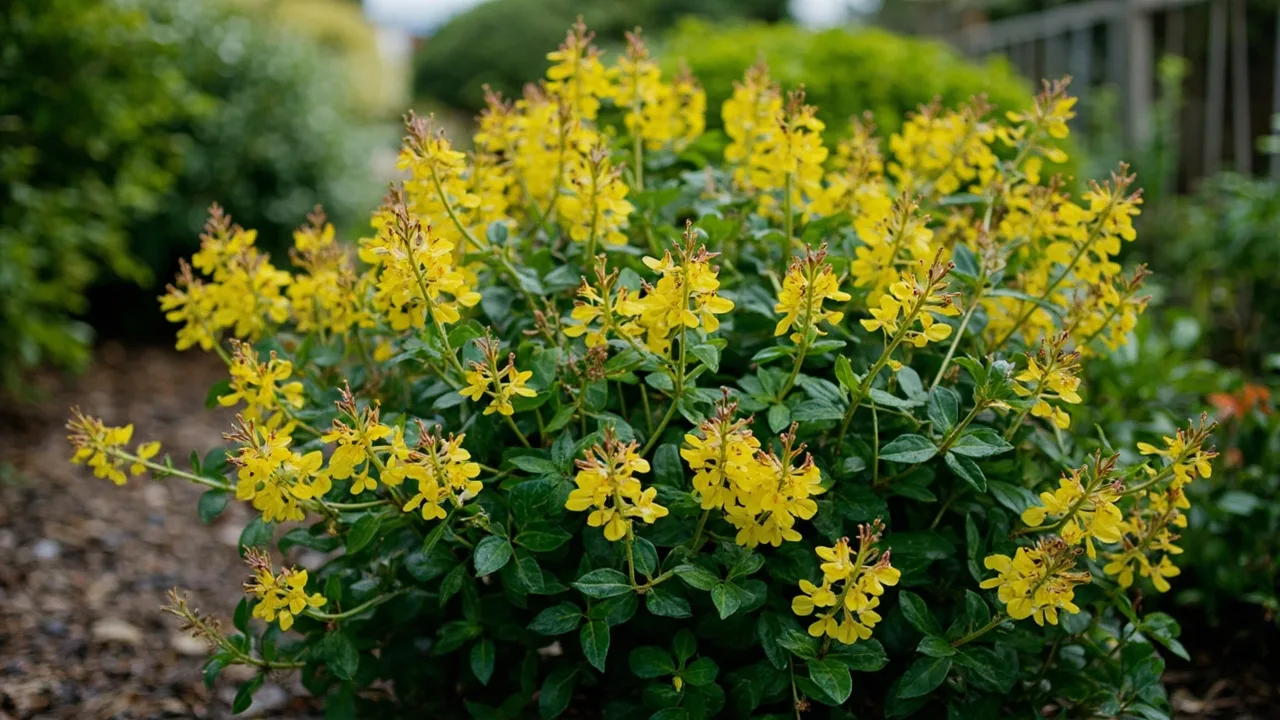
Hypericum beanii is a compact, summer-flowering shrub native to central China, long cultivated in British gardens as one of the hardier ornamental St John's worts. Its combination of clean golden-yellow flowers, neat bushy habit and tolerance of ordinary garden soils has given it a quiet, persistent place in UK planting since its introduction in the early twentieth century.
Overview
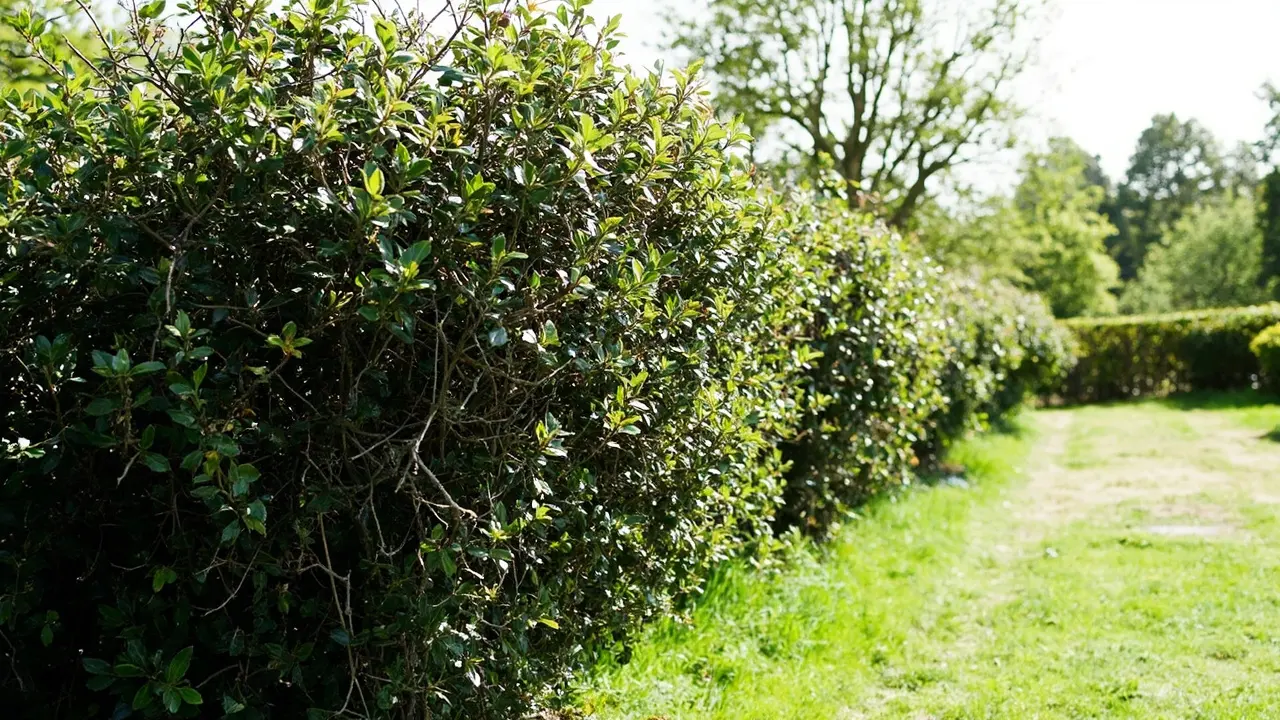
Hypericum beanii belongs to the family Hypericaceae and forms a rounded, bushy shrub typically reaching 1–1.5 m in both height and spread once established. It carries the genus's characteristic five-petalled flowers over a long summer display and, in the milder parts of the UK, holds much of its narrow green foliage through winter. Gardeners value it for its adaptability, its pollinator-friendly blooms and its ability to perform in mixed borders without demanding specialist care. It is generally unfussy about pH, provided drainage is reliable, and it accepts both heavier loams and lighter, sandier soils once they have been improved with organic matter. The species is suited to gardens across most of lowland and coastal Britain, with a few caveats for cold inland districts that are addressed under Growing Conditions.
Appearance
The shrub develops a network of slender, arching to upright stems clothed in opposite, narrow to elliptic green leaves. Leaves are typically 3–6 cm long, smooth-edged and arranged in tidy pairs along the shoot, giving the plant a fine, slightly arching silhouette rather than the dense, rounded dome seen in some other Hypericum species. The young stems have a soft green colour when new and ripen to a paler brown with age.
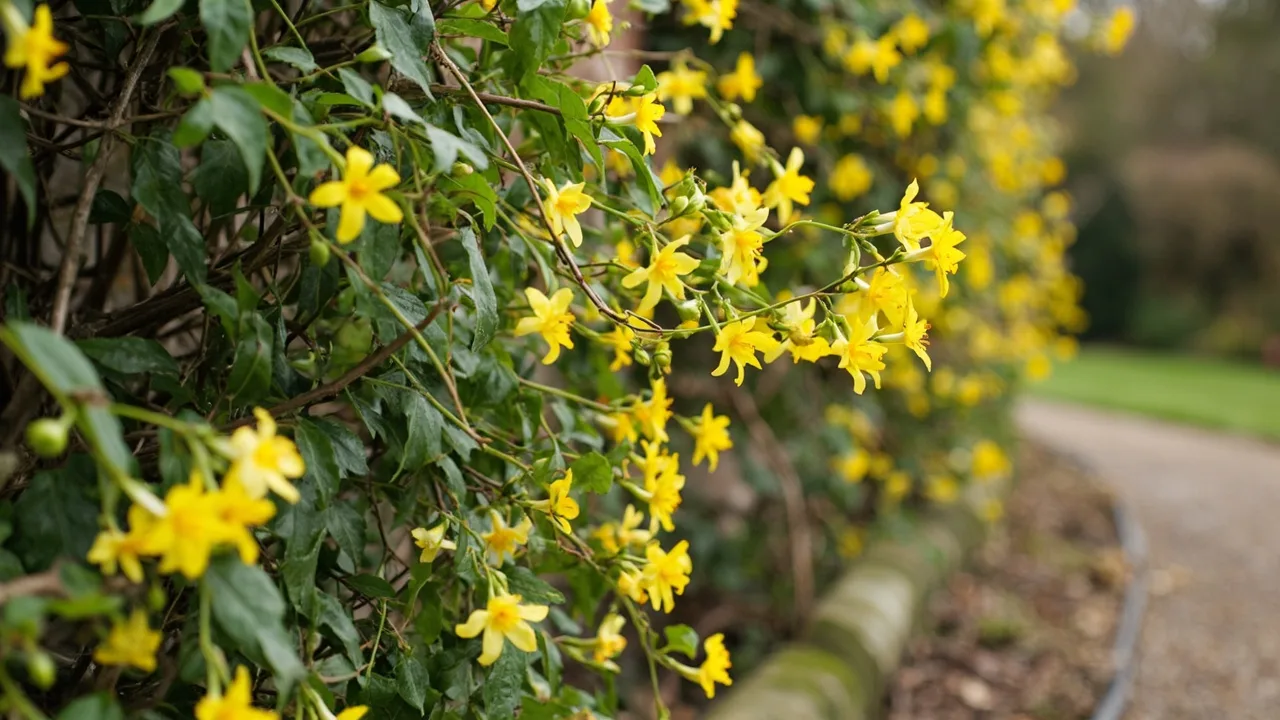
From midsummer into early autumn the plant covers itself in clear golden-yellow flowers, each around 3–5 cm across, with five broad, rounded petals arranged around a dense central boss of yellow stamens. The flowers are usually borne singly or in small clusters at the tips of the current season's shoots, and the display is generous enough to last several weeks from the first opening buds. In warm, sunny summers a lighter second flush may appear later in the season on wood produced after the first wave of flowering. The flowers are notably attractive to bees, hoverflies and other pollinating insects, which forage the open blooms for pollen.
After flowering, small rounded seed capsules can develop on the older flower clusters, gradually turning from green to a soft brown as they ripen. These are not particularly ornamental but are harmless to leave in place. In mild winters, particularly in southern and western counties and along the coast, much of the foliage persists; in colder or more exposed inland sites leaves may drop or take on a bronzed tint before being replaced by new growth in spring.
Growing Conditions
Hypericum beanii performs best in full sun, where flowering is most prolific, though it tolerates light partial shade, particularly in hotter southern gardens where a little midday shelter can help preserve flower colour. The soil should be moderately fertile, humus-rich and, above all, well drained; the plant will grow in loam, in clay-based soils that have been improved with organic matter, and in sandy soils, but it dislikes ground that sits wet through winter. A sheltered site helps protect the evergreen foliage and young growth from cold drying winds, especially in northern and upland areas of the UK, where harsh exposure can scorch leaves and reduce flower production. Once established the plant shows moderate drought tolerance, although extended dry spells in midsummer can curtail flowering, so supplementary watering is worthwhile in prolonged droughts. The species holds a UK hardiness rating, which renders automatically on the plant profile page; gardeners in colder inland or northern districts should still aim for a sheltered position, avoid frost pockets, and accept that some foliage browning after a hard winter is normal and will be replaced in spring.
Planting and Care
Planting. Plant container-grown specimens in autumn or spring while the soil is workable and moisture levels are reliable. Dig a hole roughly twice the width of the rootball and the same depth, fork organic matter such as well-rotted garden compost into the base of the planting hole on poor soils, and position the shrub so the top of the rootball sits level with the surrounding soil. Backfill, firm gently with the heel, and water thoroughly to settle the soil around the roots. On heavy clay, work in plenty of grit and organic matter over a wider area rather than only at the base of the planting hole, so that roots are encouraged to move out into the surrounding soil rather than sitting in a damp pocket.
Watering. Water newly planted shrubs regularly through their first growing season, particularly during dry spells, to encourage a deep root system. Once established, water only during prolonged drought; routine summer watering is unnecessary in average UK conditions and may in fact reduce the plant's drought tolerance if overdone.
Feeding. Apply a balanced general fertiliser, such as Growmore or blood, fish and bone, in early spring where growth is weak or the soil is poor. On reasonable garden soils additional feeding is rarely needed, and overfeeding tends to produce soft leafy growth at the expense of flowers.
Mulching. In spring spread a 5–7 cm mulch of garden compost or well-rotted bark over the root area, keeping it clear of the stem bases to prevent rot. Mulch helps conserve moisture, suppress weeds and insulate roots, and is especially valuable on lighter soils that dry out quickly in summer.
Pruning. Prune in early to mid-spring, just as new growth begins. Remove any dead, damaged or crossing stems at the base, and shorten a proportion of the flowered shoots to maintain a compact, well-branched framework. Light annual pruning of this kind keeps the shrub tidy and encourages strong flowering wood. Overgrown or neglected plants can be renovated gradually, cutting back up to a third of the oldest stems to ground level each spring over three years; Hypericum generally responds well to cutting back into older wood from a dormant bud.
Propagation. Propagate from softwood cuttings taken in early summer, or from semi-ripe cuttings in mid to late summer. Cuttings of around 8–10 cm, trimmed just below a leaf node and inserted into a 50:50 mix of compost and perlite, root readily under a propagator lid or a clear plastic bag kept out of direct sun. Pot on individually once rooted and overwinter in a cold frame before planting out the following spring.
Seasonal care. In autumn leave the spent flower heads in place if seed is desired, or trim them off for a tidier winter outline. In colder regions protect the crown with an extra mulch of bracken or straw after the first hard frosts, removing it in early spring before growth resumes.
Common Problems
Hypericum rust. The most specific disease of the genus, producing small orange-brown pustules on the undersides of leaves, followed by yellowing and premature leaf drop. Remove and bin (do not compost) affected fallen leaves, improve air circulation around the plant by thinning congested stems, and avoid overhead watering that wets the foliage. Persistent cases can be treated with a suitable fungicide labelled for rust on ornamental shrubs, but good hygiene and airflow remain the mainstay of control.
Leaf spot. Round brown or black spots can appear on the foliage in damp, crowded conditions, especially during prolonged wet summers. Remove affected leaves where practical and improve airflow by selective pruning; rake up and dispose of fallen material in autumn to reduce carry-over of the infection.
Aphids. Greenfly and blackfly may colonise soft young shoots in late spring and early summer, causing distorted leaves and a coating of sticky honeydew on the foliage below. Light infestations are usually kept in check by ladybirds, lacewings and hoverflies; if necessary, wash colonies off with a strong jet of water or treat with insecticidal soap approved for use on ornamental shrubs.
Scale insects. Small brown or grey scales can settle on stems and leaf undersides, weakening growth in severe attacks. Light infestations can be wiped off by hand with a damp cloth; heavier populations can be controlled with a winter wash applied when the plant is fully dormant and the temperature is above freezing.
Root problems in wet soils. Waterlogged ground causes root decline, dieback and eventual loss of the plant. Prevention is the cure: site Hypericum beanii in well-drained soil, or improve heavy clay with grit and organic matter before planting. Raised beds are a good option where the natural soil is slow to drain, and it is better to forgo this species altogether than to plant into ground that lies wet through winter.
Popular Varieties
Hypericum beanii itself is most often sold simply under its species name, and named cultivars of this particular species are limited in general UK nursery listings. The following points are worth noting when choosing plants and reading trade lists:
- Hypericum beanii (species form). The most widely available plant, with the typical golden-yellow flowers and bushy habit described above. A reliable, hardy choice for general garden use and the form on which most published UK advice is based.
- Hypericum × inodorum selections. Often sold alongside H. beanii in garden centres, these related hybrids produce showy coloured berries after flowering and are sometimes offered as companion plants. They share similar cultural needs and are grown in much the same way, but are not cultivars of H. beanii itself.
- Hypericum 'Hidcote' and Hypericum calycinum. These are sometimes confused with H. beanii in trade lists. 'Hidcote' is a larger, more vigorous hybrid better suited to wall-side borders and bigger mixed plantings, while H. calycinum is a lower, ground-cover species with bigger individual flowers. Neither is a cultivar of H. beanii, but they are useful points of comparison when selecting plants for different garden roles.
Where cultivar names do appear in nursery catalogues, gardeners should verify they refer to H. beanii specifically and not to one of the related species or hybrids, as the cultural requirements, ultimate sizes and fruiting characteristics can differ.
Pests and Diseases
| Problem | Symptoms | Management |
|---|---|---|
| Powdery mildew | White, dusty fungal growth appears on leaves and stems, potentially causing distortion. | Improve air circulation and apply a suitable fungicide if infection is severe. |
| Slugs and snails | Irregular holes in foliage and silky trails left on leaves and stems. | Use physical barriers, iron phosphate pellets, or hand-pick at night. |
| Aphids | Clusters of small soft-bodied insects on new growth, often accompanied by sticky honeydew. | Spray off with water or treat with insecticidal soap or natural predators like ladybirds. |
| Root rot | Wilting and yellowing leaves despite moist soil, often due to poor drainage. | Ensure well-draining soil and avoid overwatering; remove affected plants if severe. |
For step-by-step help, read Controlling Aphids Naturally, Dealing with Slugs and Snails and Treating Powdery Mildew. Or browse the full plant problem solver to diagnose an issue by symptom.
Recommended Products
GardenWizz earns a commission from qualifying purchases made through affiliate links on this page (including links within the article) — as an Amazon Associate, and from Thompson & Morgan via the Awin network. This does not affect the price you pay. See our disclaimer for details.