Poppy
Papaver
The Gardening Year
Best months in UK gardens · full planting calendar →
🖨 Printable care card (PDF)At a Glance
| Botanical name | Papaver |
|---|---|
| Common name(s) | Poppy |
| Family | Pap/a |
| Plant type | — (frost-tolerant annuals, biennials, and perennials) |
| Height × Spread | 15–75 cm × 30 cm |
| Position | Full sun, Partial shade |
| Soil | well-drained / dry |
| Flowering | June–August |
| Toxicity | The stems contain a milky latex that may cause skin irritation |
| Native range | temperate and cold regions of Eurasia, Africa and North America |
Overview
Poppies (genus Papaver) are herbaceous flowering plants in the family Papaveraceae, comprising around 70–100 species distributed across temperate and cold regions of Europe, Asia and North America. In the UK, poppies are grown as annuals, biennials or short-lived perennials in borders, cottage gardens, wildflower meadows and gravel plantings. The common field poppy (Papaver rhoeas) is also a culturally significant wildflower, famously associated with remembrance in Britain since the First World War. Ornamental poppies are valued for their large, often tissue-paper flowers in shades of red, orange, pink, white, purple and near-black, and for their architectural seed pods which are useful in dried arrangements.
The genus includes both true annual species and tap-rooted perennials. The two most widely grown groups in British gardens are the annual Papaver rhoeas types (including the Shirley poppies developed by the Reverend William Wilks at Shirley in Surrey in the 1880s) and the oriental poppies (Papaver orientale), which are clump-forming perennials. The opium poppy (Papaver somniferum) and its ornamental forms are also widely grown in UK gardens as decorative annuals, though the cultivation of this species has legal restrictions under the Misuse of Drugs Act 1971.
Appearance
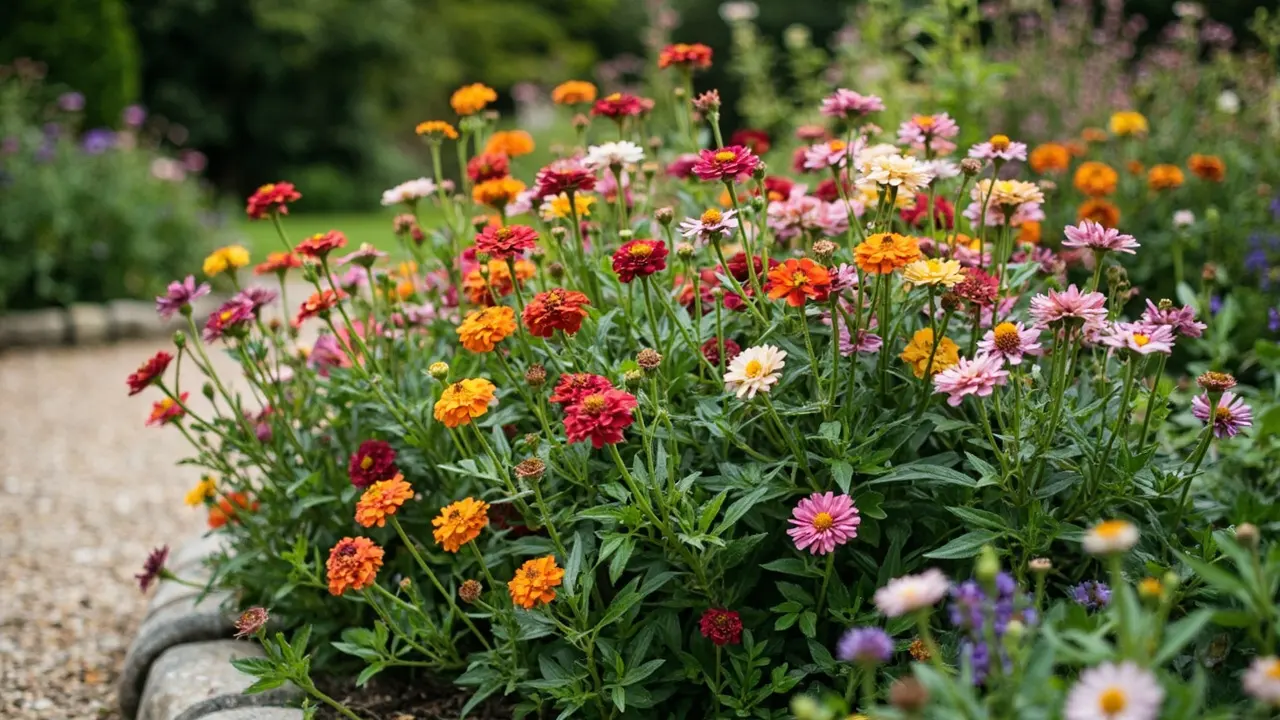
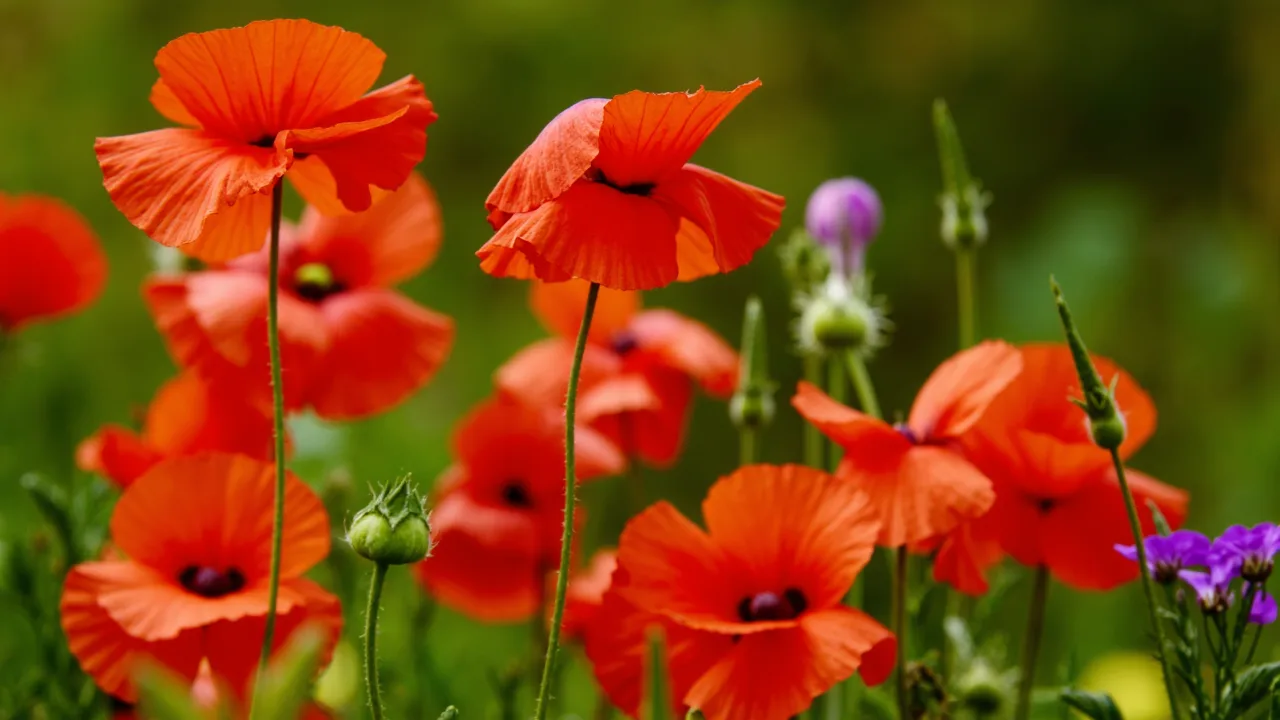
Poppies are characterised by solitary flowers carried on slender, often hairy stems rising above a basal rosette of foliage. The flowers are typically four- to six-petalled (some cultivated forms have semi-double or fully double blooms), with petals that are thin, crinkled and crepe-like in texture. At the centre of each flower sits a prominent rounded or domed seed capsule surrounded by a ring of dark stamens; in many species the anthers are conspicuous and add to the display.
The leaves of most ornamental poppies are pinnately lobed or deeply cut, covered in fine bristly hairs, and tend to be bluish-green or grey-green. The basal foliage of P. orientale dies back in late summer after flowering, which can leave a gap in the border that is usually masked by surrounding later-flowering perennials.
Seed pods are a defining feature. After the petals drop, the ovary swells into a smooth, rounded or elongated capsule, often glaucous and crowned with a distinctive stigmatic disc. The pods of Papaver somniferum are the largest and most ornamental, retaining their form well when dried.
Growing Conditions
Poppies grow well throughout the UK, from southern lowland gardens to more exposed northern and Scottish sites, provided drainage is reasonable. They prefer an open position in full sun, although P. rhoeas will tolerate very light dappled shade. The plants dislike waterlogged ground, particularly in winter, and perennial oriental poppies are notably tolerant of dry, stony or impoverished soils once established.
Soil pH is not critical; a neutral to slightly alkaline soil suits the widest range of species, though P. rhoeas tolerates mildly acidic conditions. Improving very heavy clay with grit and organic matter is beneficial, as is avoiding freshly manured ground for oriental poppies, which can produce lush foliage at the expense of flowers. Perennial species are hardy across most of the UK, generally corresponding to RHS hardiness ratings of H5 to H7, though individual ratings depend on the species and cultivar. UK seasonal interest peaks in late spring and early summer.
Planting and Care
Sowing and planting. Annual poppies (P. rhoeas, P. somniferum and their cultivars) are best sown direct in autumn or early spring where they are to flower, as they dislike root disturbance. Scatter seed thinly onto raked, weed-free soil and rake lightly to cover. Perennial oriental poppies are best planted as young container-grown specimens in autumn or spring, set at the same depth as the pot, and watered in well until established.
Watering. Once established, poppies are remarkably drought-tolerant and need only minimal supplementary watering in dry summers. Overwatering, especially on heavy soils, is a more common cause of failure than drought. Seedlings and newly planted perennials should be kept moist until they are growing away strongly.
Feeding. Poppies perform well in moderately fertile soil and do not require heavy feeding. A light top-dressing of well-rotted compost in spring is usually sufficient for perennials. Excess nitrogen produces leafy growth and fewer flowers, particularly in oriental poppies.
Pruning and deadheading. Removing spent flowers on annual poppies will prolong the display and, in some cases, encourage a secondary flush in early autumn. On perennial oriental poppies, cutting the flowering stems back to the basal foliage after blooming keeps the plant tidy; the foliage often regrows later in the season. Leave a few seed pods on annual poppies if self-seeding is desired, or for use in dried arrangements.
Propagation. Annuals are raised from seed each year. Perennials can be propagated by root cuttings taken in late autumn or early winter, or by division of established clumps in late summer when the plant is dormant. Oriental poppies also self-seed, though seedlings may not come true to the parent if more than one cultivar is grown nearby.
Seasonal care. Cut back and tidy perennial clumps in autumn once foliage has died back. Mulch lightly with compost, avoiding the crown. In colder districts, the crown of newly planted oriental poppies benefits from a dry mulch of bracken or bark in their first winter.
Common Problems
Poppies are generally healthy garden plants with few serious pest or disease issues, but the following can occur.
Powdery mildew can affect oriental poppies in dry summers, coating the foliage in a white fungal growth. Improving air circulation, avoiding overhead watering, and removing affected leaves usually controls it; severe cases can be treated with a suitable fungicide.
Downy mildew is a more serious problem on P. rhoeas and some other annual species, causing yellowing and distortion of foliage in cool, damp conditions. Destroying affected plants and avoiding overcrowded sowing are the main practical controls.
Aphids may colonise flower buds of oriental poppies in late spring, but rarely cause lasting damage and are usually controlled by natural predators.
Root rot can occur on poorly drained soils, particularly over winter. The main prevention is improved drainage and avoiding heavy or compacted ground.
Toxicity of ornamental poppies is often claimed in popular sources but the factual position is uncertain; gardeners are advised to handle plants normally and keep all poppies away from pets and children who might ingest any part of the plant.
Popular Varieties
A number of well-established cultivars are widely available from UK nurseries and seed suppliers.
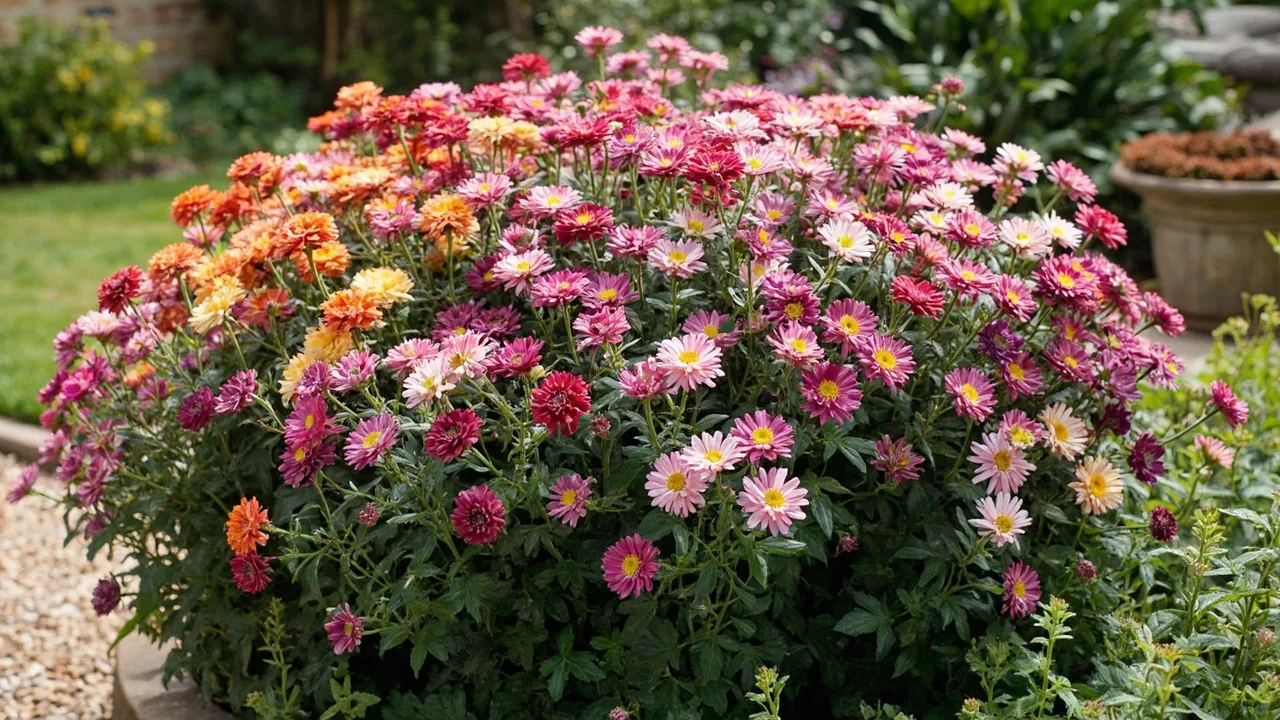
Papaver rhoeas 'Shirley Double Mixed'. A strain developed from the original Shirley poppies, with semi-double to fully double flowers in a range of soft pinks, whites, salmons and reds, each petal often edged in a contrasting pale shade.
Papaver somniferum 'Lauren's Grape'. A popular ornamental form of the opium poppy, bred in the United States and widely available in the UK, distinguished by its large, single, deep purple flowers and glaucous foliage. Note that cultivation of this species is regulated in the UK.
Papaver orientale 'Brilliant'. A long-established oriental poppy cultivar with vivid scarlet flowers, each petal marked with a bold black blotch at the base, flowering in late spring and early summer.
Papaver orientale 'Patty's Plum'. A distinctive cultivar with smoky plum-purple flowers, introduced in the 1990s and now a fixture of late-spring borders.
Papaver orientale 'Royal Wedding'. A widely sold white-flowered form with a dark centre, valued for cutting and for brightening mixed plantings.
Papaver nudicaule (Iceland poppy). Strictly a short-lived perennial or biennial grown as an annual, available in mixed colours and commonly used by UK cut-flower growers for its long, wiry stems.
Cultivars and Varieties
| Cultivar | Height | Flower | Notes | AGM |
|---|---|---|---|---|
| 'Black and White' | — | — | RHS AGM (H7) | ✓ |
| 'Cedric Morris' | — | — | RHS AGM (H7) | ✓ |
| 'Karine' | — | — | RHS AGM (H7) | ✓ |
| 'Matador' | — | — | RHS AGM (H6) | ✓ |
Pests and Diseases
| Problem | Symptoms | Management |
|---|---|---|
| Aphids | Clusters of small soft-bodied insects on new growth causing leaf curling and sticky honeydew. | Squash by hand or spray with a strong jet of water; use insecticidal soap if infestations are severe. |
| Powdery mildew | White powdery fungal growth on leaves and stems, potentially causing distortion and reduced vigor. | Improve air circulation and avoid overhead watering; treat with a fungicide if necessary. |
| Downy mildew | Yellowing patches on upper leaf surfaces with fuzzy grey-purple growth underneath in damp conditions. | Remove affected foliage immediately and ensure good drainage to reduce humidity around the plant base. |
| Verticillium wilt | Sudden wilting, yellowing, and browning of leaves on one side of the plant despite adequate moisture. | Remove and destroy infected plants; avoid replanting poppies or related species in the same soil. |
| Slugs and snails | Irregular holes chewed in leaves and silvery slime trails on foliage and stems, especially after rain. | Use physical barriers like copper tape or eggshells, or apply iron phosphate-based slug pellets. |
| Vine weevil | Notched edges on leaves above ground and root damage below, leading to plant collapse. | Check roots when planting and use nematode treatments in the soil during warm months. |
For step-by-step help, read Controlling Aphids Naturally, Dealing with Slugs and Snails and Treating Powdery Mildew. Or browse the full plant problem solver to diagnose an issue by symptom.
Poppy in our guides
Recommended Products
GardenWizz earns a commission from qualifying purchases made through affiliate links on this page (including links within the article) — as an Amazon Associate, and from Thompson & Morgan via the Awin network. This does not affect the price you pay. See our disclaimer for details.