Common Primrose
Primula husky
The Gardening Year
Best months in UK gardens · full planting calendar →
🖨 Printable care card (PDF)At a Glance
| Botanical name | Primula husky |
|---|---|
| Common name(s) | Common primrose |
| Family | Primulaceae |
| Plant type | perennial (Semi-evergreen; can be grown as biennial container plants in greenhouses or indoors.) |
| Height × Spread | 10–50 cm × 10–50 cm |
| Position | Full sun, Partial shade |
| Soil | Fertile, moist but well-drained; neutral or acid pH; loam or sand. |
| Flowering | January–April |
| Toxicity | — |
| Native range | Temperate Northern Hemisphere, south into tropical mountains in Ethiopia, Indonesia, and New Guinea, and in temperate southern South America. |
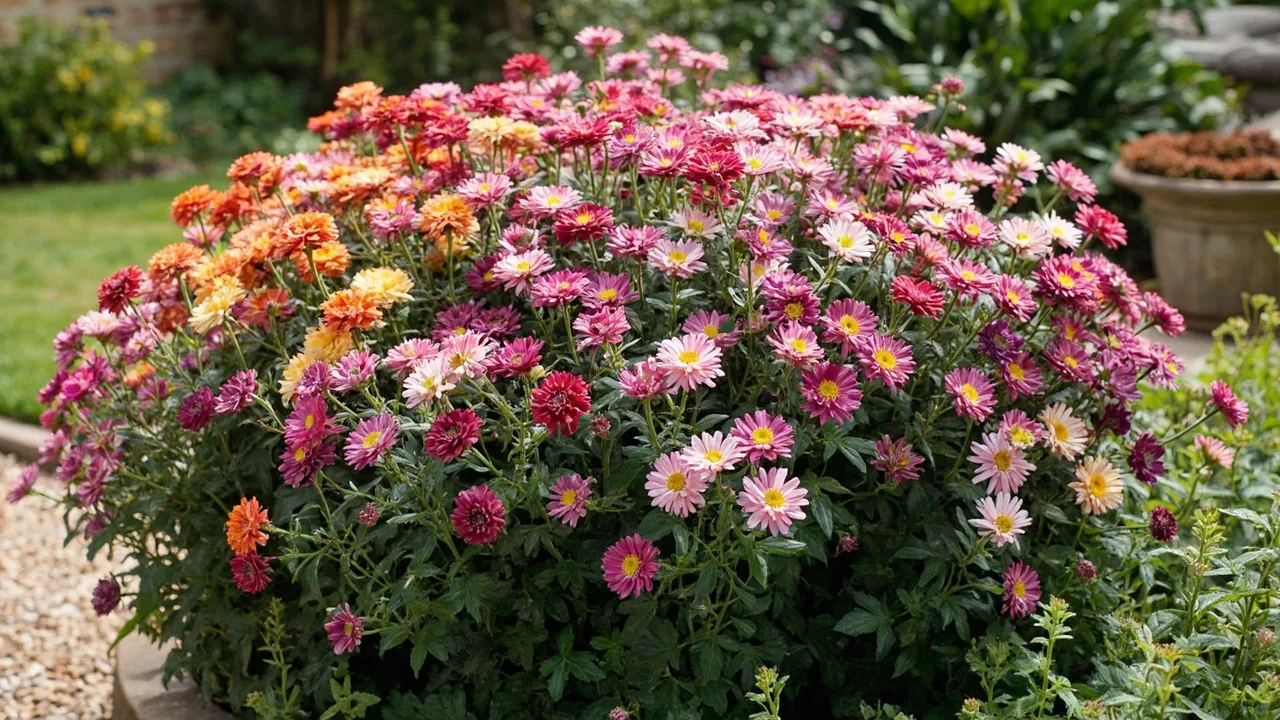
Primula husky is a compact, vividly coloured polyanthus-type primula sold for late-winter and spring displays. Its neat rosettes and flowers held clearly above the foliage make it useful in pots, window boxes and the front of UK borders.
Overview
Primula husky belongs to the primrose family, Primulaceae, and is associated with modern Polyanthus breeding lines. It is a low, rosette-forming plant selected for generous flower heads, strong colours and reliable performance during the cool part of the gardening year. Plants are widely offered by UK garden centres as spring bedding, sometimes in mixed trays and sometimes grouped by colour.
Although perennial by nature, Primula husky is commonly used as an annual or short-lived perennial. A plant bought in bud during winter can brighten a doorstep, patio or window box for several months, then be moved into a border after flowering. Whether it persists for future seasons depends chiefly on drainage, summer moisture, local climate and the condition of the individual plant. It should not be assumed that every bedding specimen will establish permanently.
The plant is particularly valuable where space is limited. It fits readily between spring bulbs, along path edges and at the front of raised beds. In containers, its low height allows it to sit in front of taller plants without obscuring them. The flowers can also provide an early nectar source for insects active during mild spells, although visits vary with weather and the form of the flowers.
Appearance
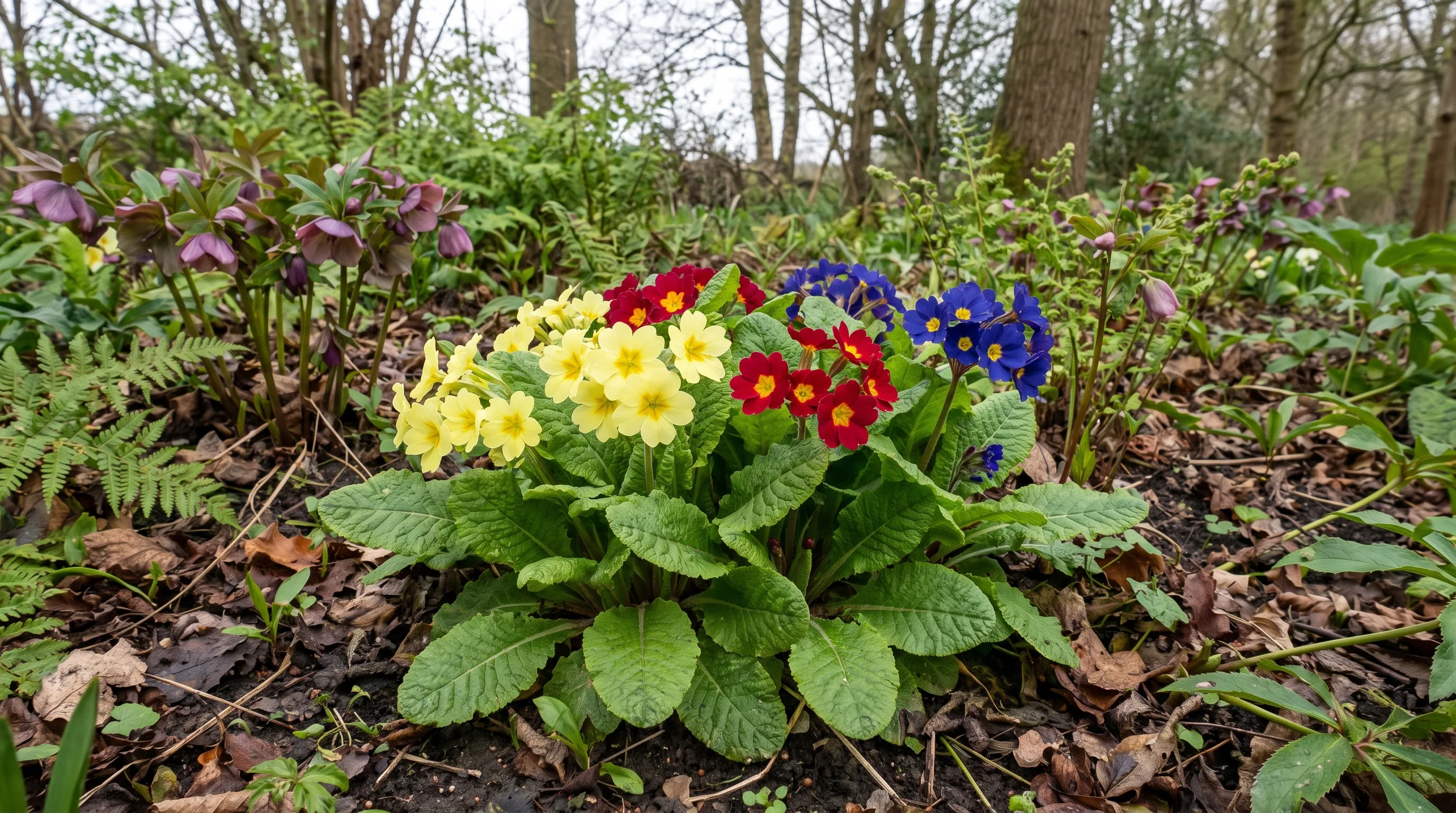
The foliage forms a compact basal rosette. Individual leaves are bright green, oblong and conspicuously wrinkled, with a softly textured surface and gently toothed or scalloped margins. The leaves remain close to ground level, creating a fresh green foundation beneath the flower stems. A mature clump is usually around 15–25 cm high and approximately as wide, though growing conditions and the size at sale affect its final dimensions.
Stout stems rise from the crown and carry rounded clusters of flowers above the leaves. This raised presentation distinguishes the polyanthus habit from primroses whose individual flowers sit on shorter stems close to the rosette. The clustered arrangement creates a dense block of colour that remains visible even when plants are packed closely in a pot or bedding scheme.
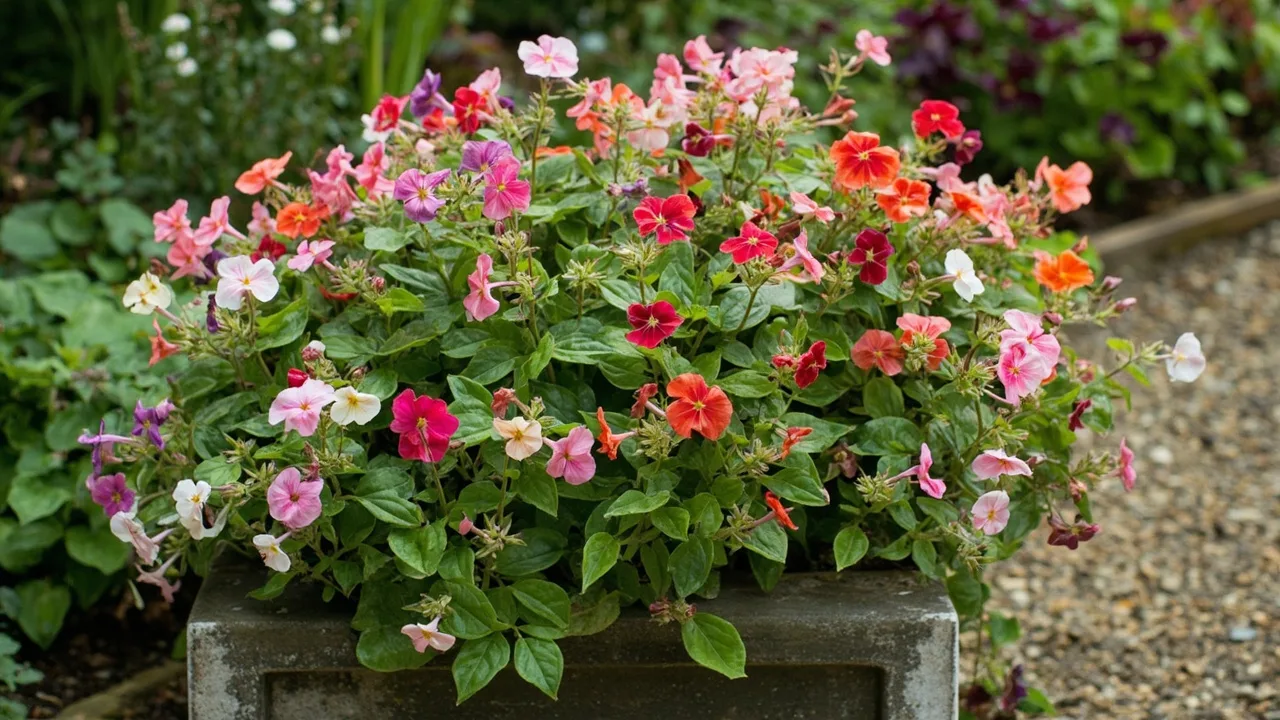
Husky plants are most often encountered as colour mixes. Reported colours include scarlet, crimson, pink, yellow, white and blue, alongside bicoloured flowers. Many have a contrasting yellow eye. Exact colours and markings depend on the batch, so a plant labelled simply as a Husky mix should not be expected to match a particular photograph. Flowering typically begins in late winter and continues through spring, broadly from February to May in the UK. Cool conditions and regular deadheading can prolong the display, while warm, dry weather brings it to an earlier close.
Growing Conditions
Partial shade is the most dependable position. A site with morning sun and shelter from strong afternoon heat helps the roots remain cool while providing enough light for abundant flowering. Full sun can be successful in northern and western districts, or anywhere moisture is consistent and temperatures remain moderate. Deep shade tends to reduce flowering, while exposed sun combined with dry soil causes wilting and shortens the display.
The ideal soil is humus-rich, moisture-retentive and well-drained. Incorporating garden compost or leaf mould improves both moisture retention and structure. Slightly acidic to neutral soil is preferred, but the plant tolerates a reasonably broad range where nutrients and drainage are satisfactory. Heavy clay should be opened with organic matter and planted slightly proud if winter wet is a concern. Very sandy soil benefits from generous compost and a surface mulch.
Even moisture is important from active growth through flowering. Primula husky dislikes both prolonged saturation and complete drying. Waterlogging deprives roots of oxygen and encourages decay, whereas repeated drought damages leaves, buds and shallow roots. In containers, use a peat-free multipurpose compost with adequate drainage holes. Raise pots just above the paving if water cannot escape freely.
Choose a sheltered position where cold winds will not scorch flowers or overturn containers. The plant has a recognised hardiness rating, but open blooms may still be marked by frost and severe exposure. Moving small pots beside a wall during harsh weather can protect the display without bringing the plant into a heated room. Warm indoor conditions generally cause faster drying and a shorter flowering period.
Planting and Care
Plant in autumn or early spring, provided the ground is workable and not waterlogged or frozen. Weed the site thoroughly and incorporate well-rotted organic matter into the upper soil. Set the crown at soil level: planting too deeply encourages crown rot, while leaving the root ball exposed makes it dry rapidly. Space plants about 20 cm apart, firm gently and water thoroughly. In containers, position plants closely enough for immediate effect without burying their rosettes against one another.
Check moisture regularly, especially from March onwards and during dry, windy weather. Water at the base so that the root ball is wetted fully, then allow surplus water to drain. Container plants may need frequent attention because their leafy crowns can deflect light rain away from the compost. Avoid leaving pots standing permanently in water. Established border plants require less intervention, but they should still be watered during prolonged dry spells.
Feed container displays every two weeks while actively growing and flowering, using a balanced liquid fertiliser at the recommended dilution. Border plants in reasonably fertile soil usually need only an annual mulch or a light general feed in spring. Excessive nitrogen encourages soft foliage at the expense of flowers and can make growth more susceptible to pests and grey mould.
Remove faded flowers by tracing each spent stem to its base and snapping or cutting it out cleanly. This prevents decaying material lodging in the crown and directs energy away from seed production. Remove yellow or damaged leaves at the same time. This is deadheading and tidying rather than woody pruning; do not shear the whole rosette while healthy foliage remains.
Propagation is most practical by division after flowering. Lift an established clump, tease or cut it into sections with healthy roots and at least one sound crown, then replant promptly in prepared soil. Water divisions until they establish. Named selections are not reliably reproduced from seed, and plants sold as a mixture may produce variable seedlings. Division is therefore the appropriate method where the aim is to retain the characteristics of a particular plant.
After flowering in May, move container plants to a cool, lightly shaded position or plant them into the border. Continue watering during dry summer periods. Divide congested clumps after flowering where necessary. In autumn, clear dead foliage and apply a light mulch around, rather than over, the crown. Plants growing in exposed or colder gardens benefit from shelter, but heavy winter covering can trap moisture and promote rot.
Common Problems
Vine weevil is a significant risk in containers. Adults cut irregular notches from leaf margins, but the pale larvae cause greater damage by feeding on roots and the crown. A plant that wilts despite moist compost or detaches easily should be inspected. Remove larvae, discard badly damaged material and replace infested compost; biological controls can be used when temperatures suit the chosen product.
Aphids gather on young leaves, buds and flower stems in spring. Small colonies can be rubbed off or removed with a firm jet of water while protecting the flowers. Encouraging hoverflies, ladybirds and other predators helps prevent recurrence. Check plants before combining them in a container, as crowded displays allow pests to spread quickly.
Slugs and snails chew leaves and flowers, leaving ragged holes and slime trails. Reduce hiding places beneath pots, inspect plants after dark and use barriers or other controls suited to the garden. Damage is often greatest in damp, sheltered sites, which otherwise provide the moisture primulas prefer.
Grey mould, caused by Botrytis, appears as soft brown decay followed by grey, fuzzy growth. It thrives where fading flowers and leaves remain wet in cool, crowded conditions. Remove affected tissue promptly, improve spacing and ventilation, and water the compost rather than the foliage. Never leave fallen petals packed into the crown.
Root and crown rots are associated with saturated, compacted soil or blocked container drainage. Symptoms include yellowing, collapse and dark, soft tissue at the crown. Prevention is more effective than cure: maintain the crown at soil level, ensure free drainage and empty saucers after heavy rain. Wilting should not automatically trigger more watering; test the compost first because drought and root damage can look similar.
Leaf yellowing may also reflect exhausted compost, overfeeding or natural ageing after flowering. Review drainage, moisture and feeding before applying a treatment. A plant declining after its spring display may simply be behaving as a short-lived bedding plant rather than suffering from a specific disease.
Popular Varieties
Husky is principally encountered as a mixed-colour seed or bedding strain rather than as a well-documented collection of stable, individually named cultivars. Reliable cultivar-level information is limited, so attaching invented names to colour forms would be misleading. Retail labels may identify plants only as Primula Husky, Husky Mixed or by a plain colour description.
Real, named polyanthus cultivars from other series can provide alternatives with a similar compact spring-bedding role, but they should not be represented as Husky cultivars. Examples include ‘Crescendo Bright Red’, ‘Crescendo Blue Shades’ and ‘Crescendo Golden’. Availability varies between nurseries and seasons, and labels should be checked for the precise cultivar name.
When selecting an unnamed Husky plant, choose a colour by inspecting open flowers rather than relying solely on the label. Look for a firm crown, fresh central leaves, a balanced rosette and several unopened buds. Avoid specimens with grey mould, collapsed stems or roots standing in saturated compost. Where uniformity matters, buy all plants from the same labelled batch; a Husky mix is intentionally variable and is better suited to informal, multicoloured displays.
Pests and Diseases
| Problem | Symptoms | Management |
|---|---|---|
| Primula rust (Puccinia primulae) | Clusters of tiny, cup-like orange or brown spore structures appear on the undersides of leaves. | Remove and destroy infected leaves immediately to prevent spread; avoid overhead watering. |
| Yellow leaf spot | Yellow spots with brown centers develop on foliage, which may drop out leaving holes in the leaves. | Improve air circulation and remove affected leaves; ensure soil is well-drained to reduce humidity. |
| Slugs and snails | Irregular holes chewed into leaves and flowers, often accompanied by silky trails and slime. | Use physical barriers like copper tape or crushed eggshells, and hand-pick pests at night. |
| Powdery mildew | A white, dusty fungal growth covers the surface of leaves and stems, potentially causing distortion. | Ensure good air circulation and avoid wetting foliage; remove severely affected parts. |
| Root rot | Leaves turn yellow or brown and wilt despite moist soil, often due to waterlogged conditions. | Plant in well-drained soil and avoid overwatering, especially during winter months. |
For step-by-step help, read Dealing with Slugs and Snails and Treating Powdery Mildew. Or browse the full plant problem solver to diagnose an issue by symptom.
Recommended Products
GardenWizz earns a commission from qualifying purchases made through affiliate links on this page (including links within the article) — as an Amazon Associate, and from Thompson & Morgan via the Awin network. This does not affect the price you pay. See our disclaimer for details.