Primrose-Flowered Rhododendron
Rhododendron primuliflorum
The Gardening Year
Best months in UK gardens · full planting calendar →
🖨 Printable care card (PDF)At a Glance
| Botanical name | Rhododendron primuliflorum |
|---|---|
| Common name(s) | Primrose-flowered Rhododendron |
| Family | Ericaceae |
| Plant type | shrub |
| Height × Spread | 50–100 cm × 50–100 cm |
| Position | Partial shade |
| Soil | moist but well-drained, leafy, humus-rich acid soil |
| Flowering | April–May |
| Toxicity | Harmful if eaten. Wear gloves and other protective equipment when handling. |
| Native range | central China |
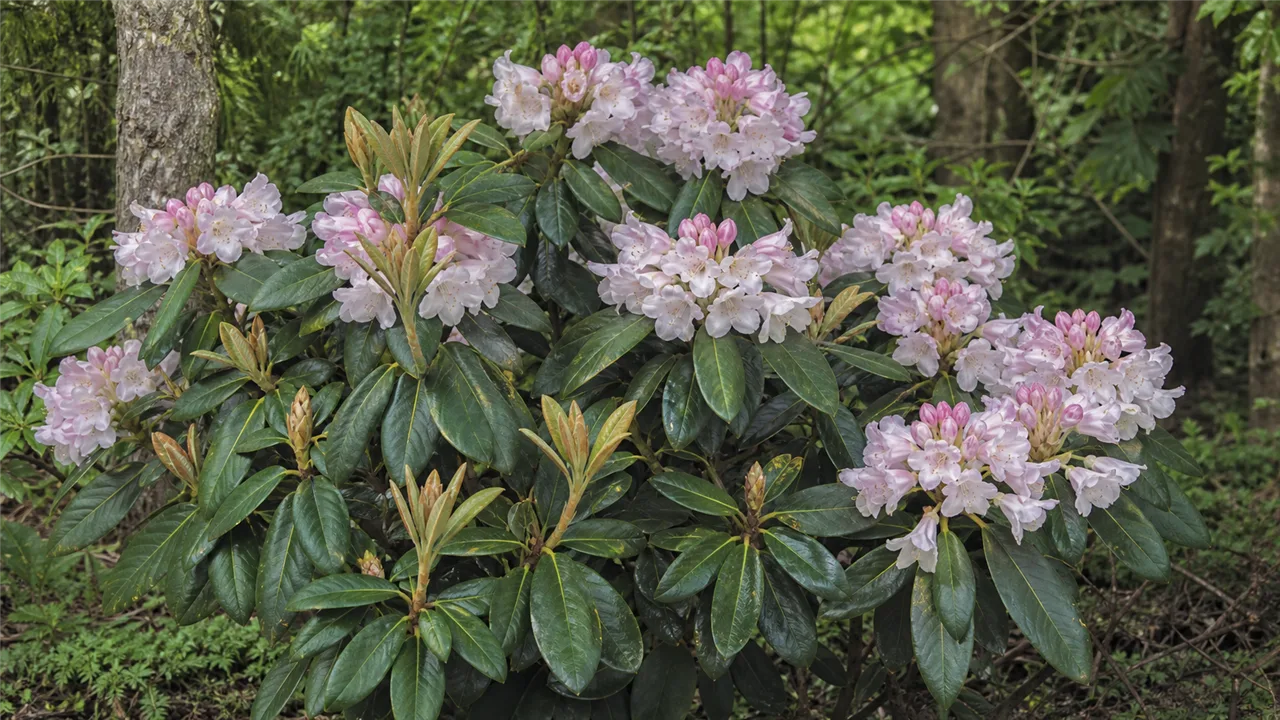
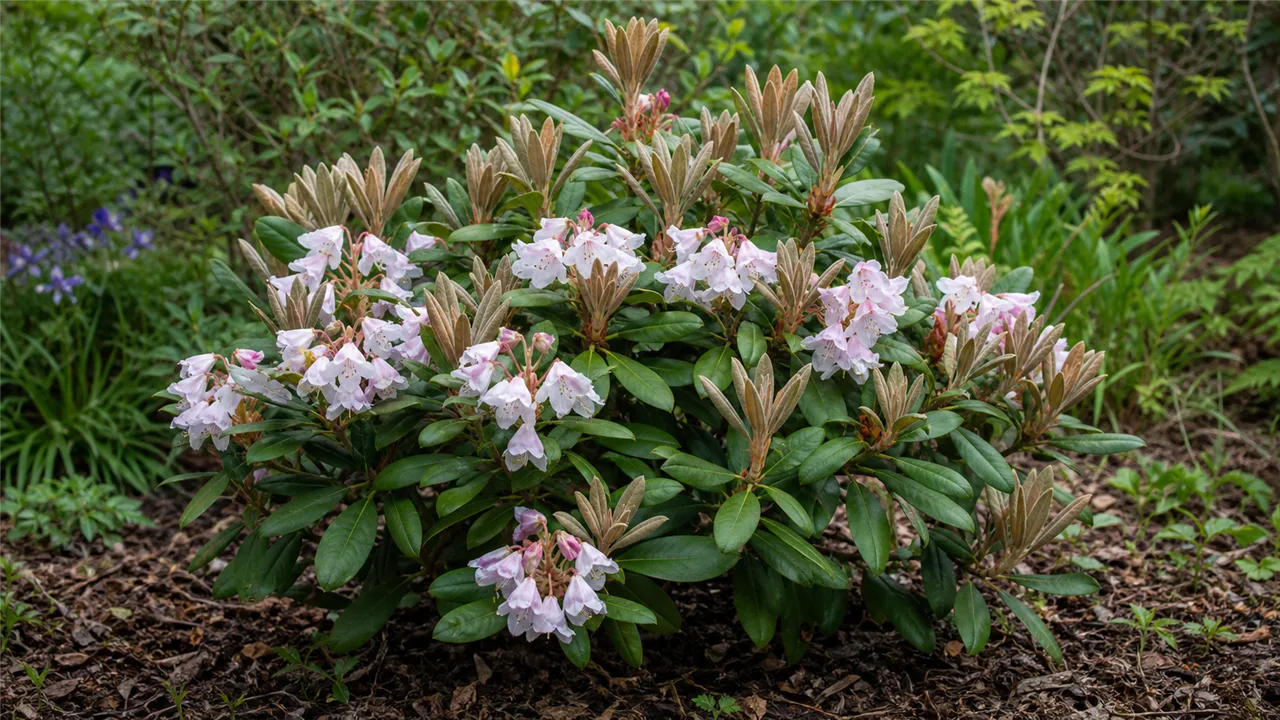
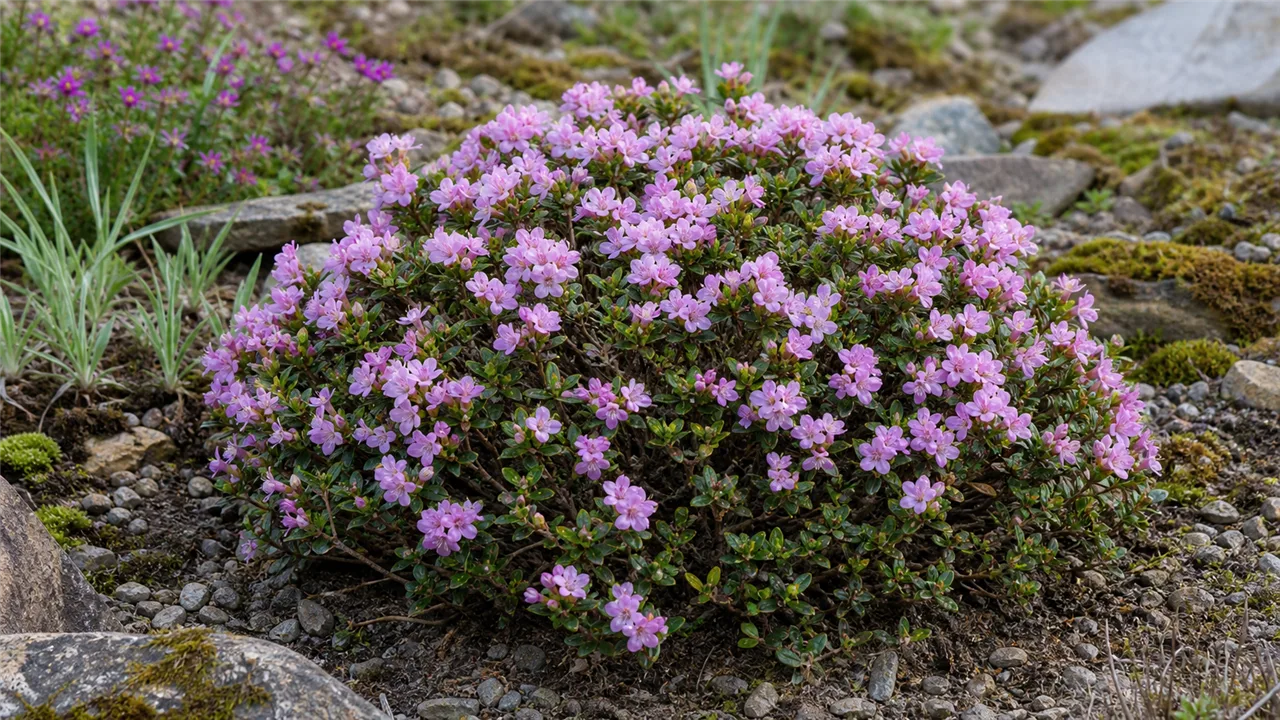
Rhododendron primuliflorum is a compact evergreen shrub valued for its soft primrose-yellow spring flowers and neat, leathery foliage. This Himalayan species suits sheltered, acidic gardens in the UK, where it can form a refined specimen in a woodland border or grow in a large container filled with ericaceous compost.
Overview
Rhododendron primuliflorum belongs to the heath family, Ericaceae. It is native to parts of the eastern Himalayas and south-western China, including Bhutan, Tibet, Sichuan and Yunnan, where it occurs in cool upland habitats. In cultivation it is grown chiefly for its pale yellow to creamy flowers, which provide a restrained alternative to the stronger pinks, reds and purples associated with many garden rhododendrons.
The species develops slowly into a compact shrub, usually reaching about 1–2 m in height and 1–1.5 m across. Its evergreen framework gives it a year-round presence without making it too large for a modest woodland garden. It works well as a specimen, as part of an ericaceous border or beneath the light canopy of established trees, provided their roots do not leave the soil excessively dry.
In the UK, the best results are generally obtained in sheltered gardens with naturally acidic soil, reliable moisture and protection from drying winds. Conditions in southern and mild western areas may be particularly favourable, although local soil, exposure and drainage matter more than region alone. Gardeners with alkaline ground can grow the shrub in a substantial container instead of trying to alter the pH of an entire border.
The plant is best treated as a choice species rhododendron rather than a robust, mass-planted landscape shrub. A position with dappled shade lets its subtle flowers be seen at close range, while companion plants such as ferns, pieris, kalmia and camellia can extend the season of interest.
Appearance
The shrub has a compact, branching habit and retains its foliage through the year. Mature plants may develop dark brown bark that becomes fissured with age, although the leaves and flowers remain the principal ornamental features. Growth is relatively measured, making the plant easier to place than vigorous rhododendrons that can overwhelm paths or nearby shrubs.
Leaves are leathery and elliptic, generally 3–8 cm long. Their upper surfaces are dark green, while the undersides are paler and may appear fawn, brownish or silvery. This contrast is most noticeable when wind or rain turns the leaves. The foliage provides a dense backdrop for the spring display and contributes structure after flowering has finished.
Flowers usually open during April and May in UK gardens. They are bell-shaped, about 1.5–2.5 cm long, and held in trusses containing roughly three to eight blooms. The prevailing colour is pale yellow to cream, sometimes accompanied by faint reddish spotting within the flower. The effect is delicate rather than showy, and it is especially effective against dark evergreen foliage or a shaded background.
Flowering time can shift slightly with locality and the course of spring. A sheltered plant may open earlier than one in a cool garden, while late cold weather can delay development. Avoid placing it in an exposed frost pocket where emerging flowers are more vulnerable. The shrub's mature dimensions also depend on growing conditions and age; plants in containers usually remain smaller and require more attentive watering than those established in suitable open ground.
Growing Conditions
Acid soil is fundamental. Aim for a pH of approximately 4.5–6.0, with plenty of organic matter and a texture that retains moisture without becoming stagnant. Chalky or limy soil is unsuitable because it restricts the availability of nutrients, particularly iron and manganese. The resulting chlorosis causes leaves to turn yellow while their veins may remain greener.
A woodland-like soil can be created by incorporating well-rotted leaf mould or suitable ericaceous organic matter over a broad area. Do not rely on a small pocket of ericaceous compost dug into alkaline ground: surrounding soil and irrigation water will gradually influence the root zone. Where the garden is naturally alkaline, container culture is usually the more dependable option.
Choose partial shade or dappled light. Gentle morning or late-afternoon sun can be beneficial, but strong midday sun may scorch foliage and increase moisture loss. Deep, gloomy shade can reduce flowering and produce sparse growth. Shelter from cold, drying winds is also important because evergreen leaves continue to lose water in winter, particularly when the soil is cold or dry.
The ideal moisture regime is even and dependable. The root system is relatively shallow, so prolonged summer drought can quickly affect the plant. Equally, waterlogged soil excludes air from the roots and encourages root rot. A raised bed may help on heavy ground, but only if it drains freely rather than forming a basin above compacted clay.
For container growing, use a frost-resistant pot at least 50 cm deep, with generous drainage holes and an ericaceous growing medium. Stand it where the root ball will not bake in afternoon sun. Rainwater is preferable in hard-water districts because repeated use of alkaline tap water can raise the compost pH. Re-pot or replace part of the medium when it becomes compacted, and never allow a container to stand permanently in water.
Planting and Care
Plant in early autumn while the soil retains warmth, or in early spring before vigorous new growth begins. Avoid planting into frozen, saturated or drought-hardened ground. Water the shrub thoroughly before planting, then prepare a hole wider than the root ball but no deeper. Rhododendrons are shallow-rooted and should not be buried below their previous soil level; deep planting increases the risk of poor establishment and root disease.
Tease out tightly circling surface roots gently, set the plant at the correct depth and backfill with the excavated acidic soil improved with leaf mould where needed. Firm without compacting, water thoroughly and apply a loose mulch of leaf compost, composted pine bark or another acidic organic material. Keep mulch away from direct contact with the stems. An annual spring mulch conserves moisture, limits weeds and adds organic matter as it breaks down.
Water regularly during the first growing seasons and whenever established plants experience prolonged dry weather. The aim is consistently moist soil, not saturation. Pay particular attention from spring through flower development and during warm summer spells, when next year's buds and new shoots are forming. Container plants may need frequent checks because their compost can dry rapidly even when nearby borders remain moist.
Feed sparingly with a fertiliser formulated for ericaceous plants. A monthly liquid feed during active growth can support a container specimen, while plants in fertile open soil often need less. Follow the product rate and stop feeding later in the season so growth can mature. Excess fertiliser can damage fine roots, and inappropriate, phosphorus-heavy products may worsen nutrient availability. Chlorosis should prompt a check of soil pH and drainage rather than repeated indiscriminate feeding; a suitable chelated iron treatment can provide short-term correction while the underlying conditions are addressed.
Routine woody pruning is unnecessary. After flowering, spent trusses may be snapped off carefully at their base, taking care not to damage the new buds immediately below. Remove dead, damaged or diseased twigs when found, using clean tools. Hard renovation may leave an uneven shrub and is best avoided through careful initial siting.
Propagation is possible from semi-ripe cuttings taken in late summer, rooted in an acidic, free-draining medium under humid conditions. Layering is slower but often simpler: in autumn, bend a low flexible shoot to the ground, lightly wound its underside, peg it into acidic soil and leave the tip exposed. Separate the layer only after a sound root system has formed. Seed-raised plants may vary and take considerably longer to reach flowering size.
In autumn, replenish mulch if necessary and ensure the soil is moist before prolonged cold or windy weather. In spring, inspect flower buds and remove winter-damaged material. Through summer, maintain moisture and watch for pests. Containers need year-round attention, including watering during dry winter spells when the compost is not frozen.
Common Problems
Yellow leaves are commonly caused by chlorosis in soil or compost that is insufficiently acidic. Check pH, review the water source and correct the root environment. Chelated iron may improve symptoms, but it will not make an unsuitable alkaline site permanently appropriate. Similar yellowing accompanied by wilting or dieback can indicate root damage, so inspect drainage before applying feed.
Phytophthora root rot is associated with poorly drained, waterlogged conditions and may cause dull foliage, wilting, yellowing and branch dieback. Prevention is more reliable than cure: plant shallowly, improve drainage and avoid leaving containers in water. Severely affected plants may not recover, and replanting a susceptible rhododendron in contaminated, badly drained soil should be avoided.
Rhododendron petal blight begins as spots on flowers and can progress rapidly to brown, collapsed petals, especially in damp weather. Remove affected flowers promptly and clear fallen petals from beneath the plant rather than composting them. Improve air circulation without exposing the shrub to harsh wind. Where the disease recurs, obtain current advice before considering an approved fungicide, because product availability and permitted uses change.
Bud blast produces brown, bristly buds that fail to open. Pick off affected buds and dispose of them, maintain good air movement and avoid crowding. Regular inspection in late winter and early spring prevents old diseased buds from remaining unnoticed among healthy ones.
Vine weevil adults leave characteristic notches around leaf edges, but their cream-coloured larvae cause more serious damage by feeding on roots. Container plants are particularly vulnerable and may wilt or become loose in the compost. Inspect roots when symptoms appear. Biological nematode controls can be effective when compost temperatures suit the chosen product; approved alternatives should be used strictly according to their labels.
Leaf scorch or browning at the margins can result from strong sun, dry wind, drought or excessive fertiliser. Review the position and watering pattern before assuming disease. Keep roots cool with mulch, water deeply in dry periods and avoid splashing small amounts only onto the surface. Healthy plants in the right soil and position are much less prone to stress-related disorders.
Popular Varieties
Named cultivars of Rhododendron primuliflorum are not widely documented in mainstream UK horticultural references. To avoid mislabelling plants or inventing cultivar names, this species is best sought and described under its accepted botanical name, Rhododendron primuliflorum. Specialist rhododendron nurseries or plant societies are the most likely sources of accurately identified material.
Plants offered simply as the species may still show modest natural variation in flower shade, spotting, leaf indumentum and mature habit, particularly if raised from seed. This variation does not justify assigning an unsupported cultivar name. Buyers seeking the characteristic primrose-yellow display should confirm the plant's provenance, inspect nursery photographs where available and retain the original label.
Related yellow-flowered rhododendrons may be suggested by nurseries as alternatives, but they are separate species or hybrids rather than varieties of R. primuliflorum. Their ultimate size, flowering time and requirements should therefore be checked independently. For a collection focused on botanical species, purchasing from a reputable specialist is more important than choosing from a long list of supposed varieties.
Pests and Diseases
| Problem | Symptoms | Management |
|---|---|---|
| Vine weevil | Irregular notches on leaf margins and wilting or collapse of the plant due to root damage. | Apply nematodes in autumn or use a systemic insecticide drench for potted plants. |
| Silver leaf | A silvery sheen on the underside of leaves and distorted, stunted new growth. | Prune out infected branches well below the visible symptoms and burn them. |
| Powdery mildew | White, dusty fungal growth on leaves and shoots, often causing distortion. | Improve air circulation and apply a fungicide if infection is severe. |
| Rhododendron bud blast | Flower buds turn brown, shrivel, and fail to open before flowering. | Ensure good drainage and avoid waterlogging; remove affected buds. |
| Pieris lacebug | Small white speckling on the upper leaf surface and black tar-like spots underneath. | Spray with a suitable insecticide or use horticultural oil in early spring. |
For step-by-step help, read Treating Powdery Mildew. Or browse the full plant problem solver to diagnose an issue by symptom.
Recommended Products
GardenWizz earns a commission from qualifying purchases made through affiliate links on this page (including links within the article) — as an Amazon Associate, and from Thompson & Morgan via the Awin network. This does not affect the price you pay. See our disclaimer for details.