
Summer Garden Care
June, July and August are when the garden rewards every hour you put in during spring — and punishes every hour you didn't. The right jobs done in the right order in summer keep flowering going into…
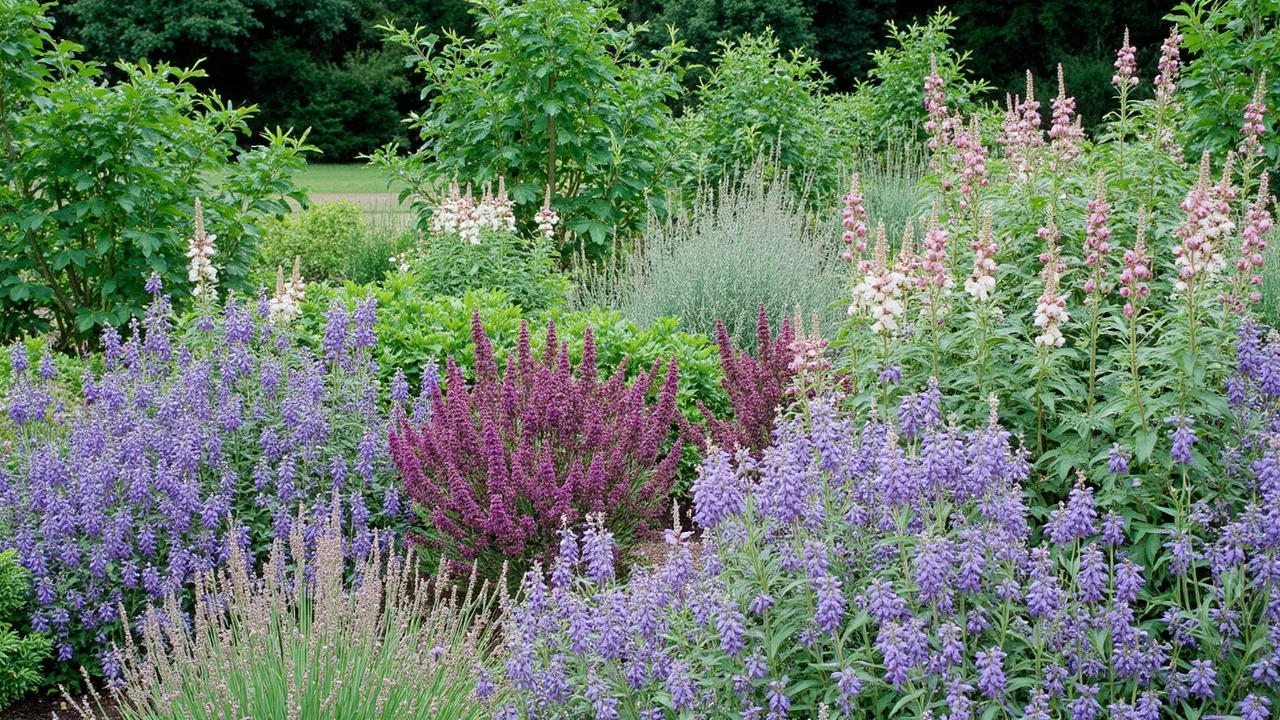
June, July and August are when the garden rewards every hour you put in during spring — and punishes every hour you didn't. The right jobs done in the right order in summer keep flowering going into September, stop plants bolting in heatwaves, and prevent the small problems (aphids, blight, drought stress) from becoming the big ones. This guide covers the work that genuinely matters in a UK summer, in the order it tends to matter.
Why it matters (and when in the UK to do it)
Summer in Britain is a sprint, not a marathon. Long days and warm soil mean everything grows fast — including the weeds, the pests and the lawn. A typical British summer is also unpredictable: a fortnight of hose-pipe weather in late June, then a washout August. The job is to keep plants growing through both.
The core window is early June to late August. South-facing gardens and urban heat islands can be a zone ahead; exposed northern or coastal gardens a zone behind. If you only have a few hours a week, prioritise watering, deadheading and pest checks in that order — they pay back the fastest.
What you'll need
- Hosepipe with a trigger nozzle and a water butt (at least 200 litres) positioned under a downpipe. A second butt is better.
- Mulch: about one 70-litre bag per square metre of bed. Composted bark, garden compost, or well-rotted manure all work.
- Liquid feed (seaweed or a balanced tomato feed such as a 4-3-8) — about 5 ml per litre in a 10-litre watering can.
- Sharp secateurs, a dutch hoe, gardening gloves, a knee pad, and a lawn mower with the blade set to 4–5 cm for summer.
- Slug pellets (ferric phosphate only), soft soap for aphids, and a bottle of Bordeaux mixture in case blight hits the potatoes.
- A soil moisture meter is helpful but not essential — a trowel and a finger work fine.
The weekly routine (roughly 2–3 hours)
1. Water deeply, not often
Light daily sprinkling trains roots to stay near the surface, where they cook in the first heatwave. Instead, soak beds once or twice a week, delivering about 20–25 litres per square metre in dry spells — roughly a full 10-litre can per square metre, twice in the week. Water in the morning so leaves dry before night and fungus has less chance. Pots and hanging baskets are the exception: they may need a drink every day in July.
Prioritise: anything planted in the last 12 months, container plants, tomatoes from trusses onwards, soft fruit near harvest, and any lawn you actually want to keep green.
2. Hoe the weeds while they're seedlings
A dutch hoe on a dry morning slices annual weed seedlings just below the surface; the sun then desiccates them. Go over beds every 7–10 days in June and July, and the job shrinks dramatically by August. Hoeing beats pulling in summer because pulling disturbs moist soil and brings fresh weed seeds to the surface.
3. Deadhead for a second flush
Many UK favourites — roses, cosmos, dahlias, sweet peas, hardy geraniums, penstemons — will flower again if you remove the spent blooms. Cut just above the first strong set of five leaves on roses, and back to a side shoot on dahlias. Sweet peas want picking every other day; the more you cut, the more they flower.
4. Feed the hungry
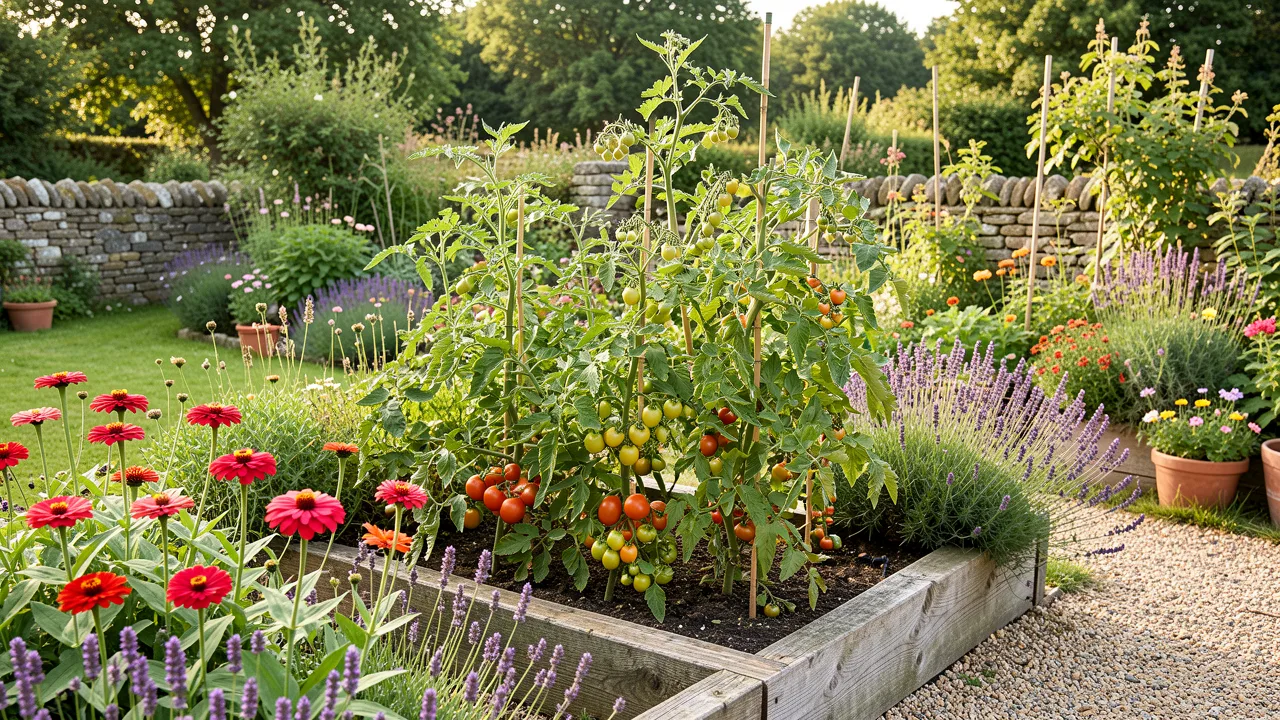
Tomatoes in grow-bags or pots want a weekly liquid feed once the first truss has set. The same goes for dahlias, container annuals, and any veg that is cropping heavily (courgettes, cucumbers, aubergines). Lawns benefit from a light summer feed in June only — none in July/August or you force soft growth that scorches.
Monthly jobs
June: tie in, thin out, and watch for aphids
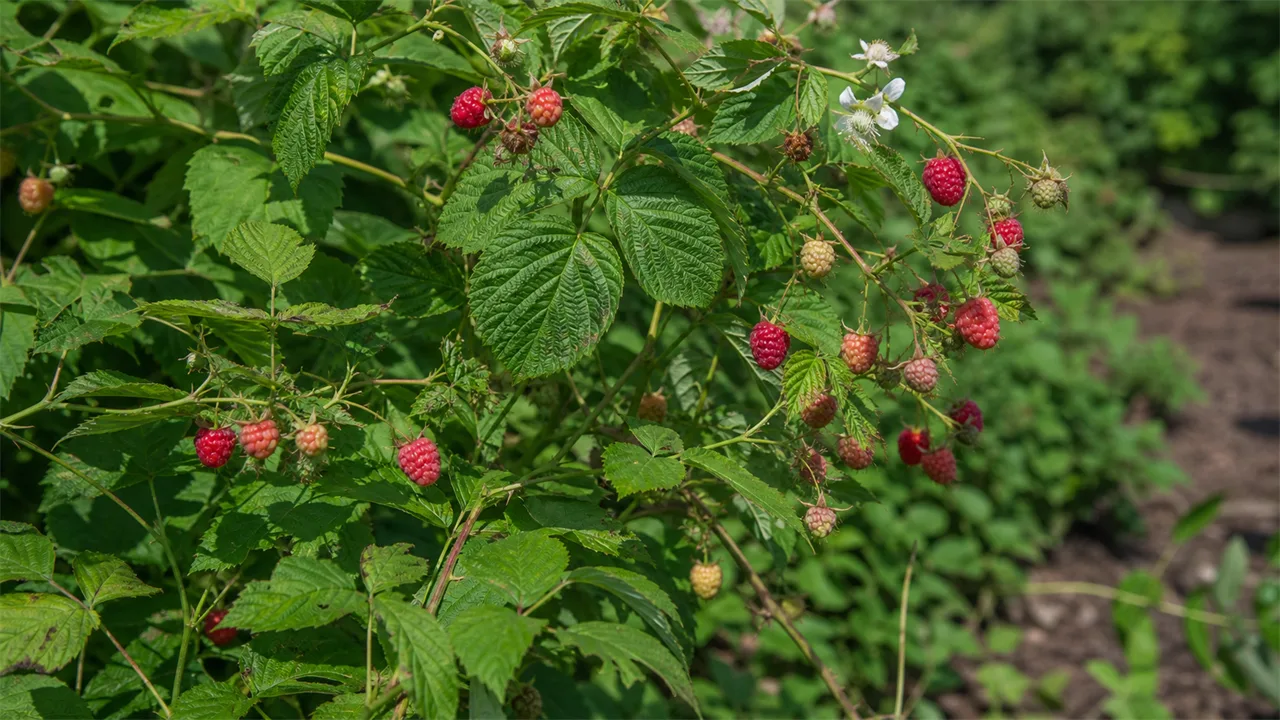
- Tie in climbing roses, sweet peas, runner beans and new raspberry canes. Summer growth is soft and snaps in wind.
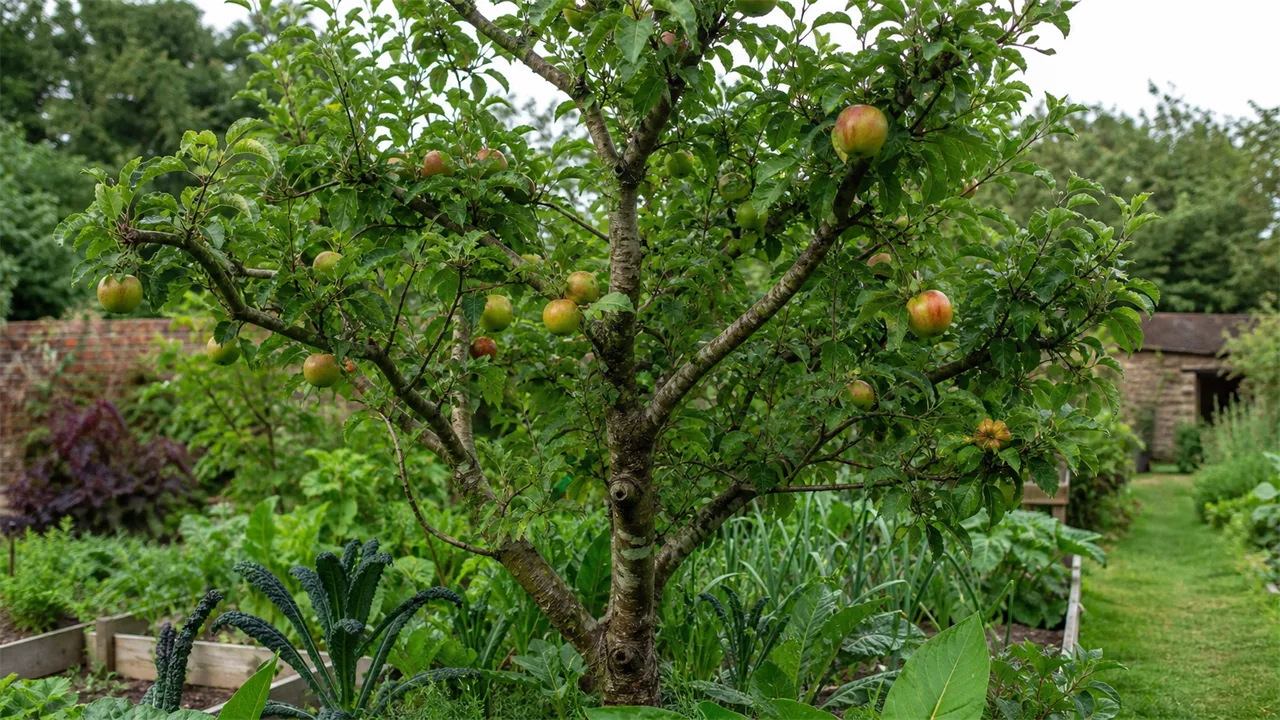
- Thin apple and pear fruitlets to one per cluster, spaced 10–15 cm apart — what you lose in count you gain in size and taste.
- Check roses and beans for aphids every few days. Squish by hand on small infestations; spray with soft soap at dusk if numbers build.
July: mulch, and stop the blight
- Mulch beds 5–7 cm deep after a heavy watering. This locks moisture in and drops the watering workload by roughly a third within a fortnight.
- Watch tomatoes and potatoes for blight — brown patches with a pale halo on the leaves, especially in warm, humid spells. The Tom Blight alert (via the AHDB/Fera website) is the early-warning system UK growers rely on. If it strikes, cut haulms down to the soil immediately, do not compost them, and bag them for bin collection.
- Prune stone fruit (cherry, plum, greengage) only in July when silver-leaf fungal spores are inactive. Aim for an open goblet shape.
August: sow, save, and plan ahead
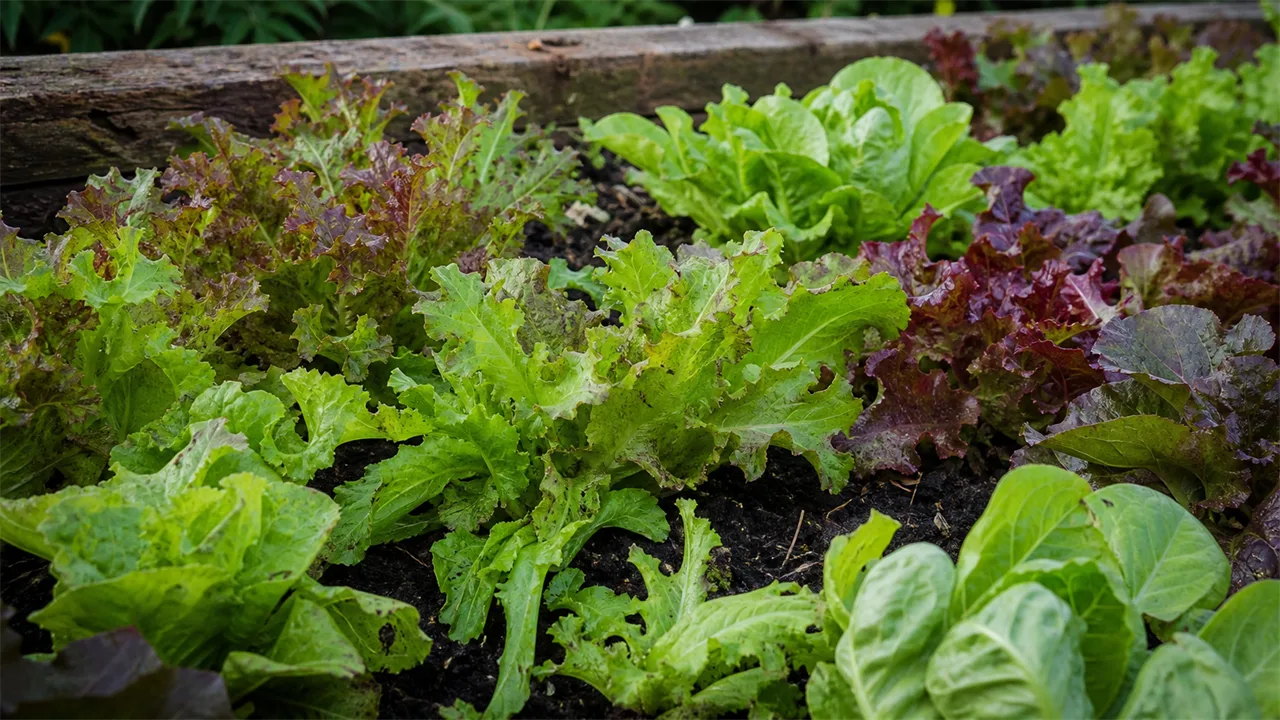
- Sow autumn crops: winter lettuce, rocket, spring cabbage, and hardy spring onions. A short row in a cleared bed is enough.
- Save seed from open-pollinated tomatoes, beans and single flowers such as cosmos and calendula. Label everything.
- Stop feeding roses and shrubs by mid-August; soft late growth is the first to be damaged by autumn frosts.
Common mistakes
- Watering at midday. Most of it evaporates; the droplets can also act as tiny lenses and scorch leaves. Morning is best.
- Cutting the lawn too short. A 2–3 cm sward in summer browns fast. Keep summer cuts at 4–5 cm; the extra leaf shades roots and suppresses weeds.
- Overfeeding in a heatwave. Plants under drought stress can't use the nutrients and the salts scorch roots. Feed only when soil is moist.
- Leaving fallen fruit on the ground. It attracts wasps, and brown rot in apples and plums overwinters on mummified fruit. Pick up and bin (don't compost) any windfalls.
- Pruning evergreen hedges after mid-August. New growth won't harden before winter and frost damage follows.
Troubleshooting
- Yellowing lower leaves on tomatoes — usually magnesium lockout, common in pots. A diluted Epsom salts spray (1 teaspoon per litre, fortnightly) fixes it within three weeks.
- Hoses dripping only at the start — airlock. Lay the hose flat in sun for an hour, then run. Persistent low flow means a kinked section or a clogged nozzle.
- Lawn going brown — most UK grass is rye/fescue mix and will go dormant, not dead, in a drought. Stop mowing, leave clippings for moisture, and it greens up within 10 days of rain. Watering a large lawn is rarely worth it.
- Holes in brassica leaves — cabbage white caterpillars. Pick off by hand; if it's a serious outbreak, fine insect mesh (1.35 mm or smaller) draped over the frame keeps the butterflies out without chemicals.
- Powdery white coating on leaves — powdery mildew, common in dry summers on cucumbers, phlox and courgettes. Improve airflow by thinning, and water at the base, not over the foliage.
A short note on water and the law
A temporary hosepipe ban is most likely in late July or August in southern and eastern England. If restrictions come in, you can still use grey water from the bath or washing-up bowl on ornamentals (avoid the veg). Mulched beds hold restrictions off for longer because the soil stays moist deeper down.
A simple summer checklist
- [ ] Watering: morning soak, 1–2× a week, not a daily sprinkle
- [ ] Hoe: dry mornings, every 7–10 days
- [ ] Deadhead: weekly, into September
- [ ] Feed: weekly for pots and cropping veg; nothing for lawn after June
- [ ] Mulch: 5–7 cm in July on every bed
- [ ] Pest watch: blight, aphids, caterpillars, wasps
- [ ] Stop cutting hedges by mid-August
Sticking to this rhythm is what separates a tired August garden from one that sails into autumn with colour, crops, and no crisis. The work is repetitive on purpose — the repetition is what keeps problems small.
Recommended Products
GardenWizz earns a commission from qualifying purchases made through affiliate links on this page (including links within the article) — as an Amazon Associate, and from Thompson & Morgan via the Awin network. This does not affect the price you pay. See our disclaimer for details.
Related Articles
More → Seasonal Care
Gardening Jobs for September
21 July 2026This month demands focused action to ensure your garden thrives through the seasons, capitalising on the UK’s lingering autumnal conditions.
 Seasonal Care
Gardening Jobs for August
21 July 2026This guide gives you the precise tasks to keep your garden thriving through the dog days, grounded in established RHS and UK horticultural practice.
 Seasonal Care
Gardening Jobs for December in the UK
19 June 2026December in the UK brings shorter days, crisp air, and the quiet rhythm of the dormant season. While the garden may seem asleep, there’s vital work to do to protect your plants, prepare for spring,…