
Summer Vegetable Garden: What to Grow and When
A productive summer vegetable plot in the UK isn't built in July — it's planned in late winter and steadily planted from March through June. This guide walks through the vegetables that actually earn…
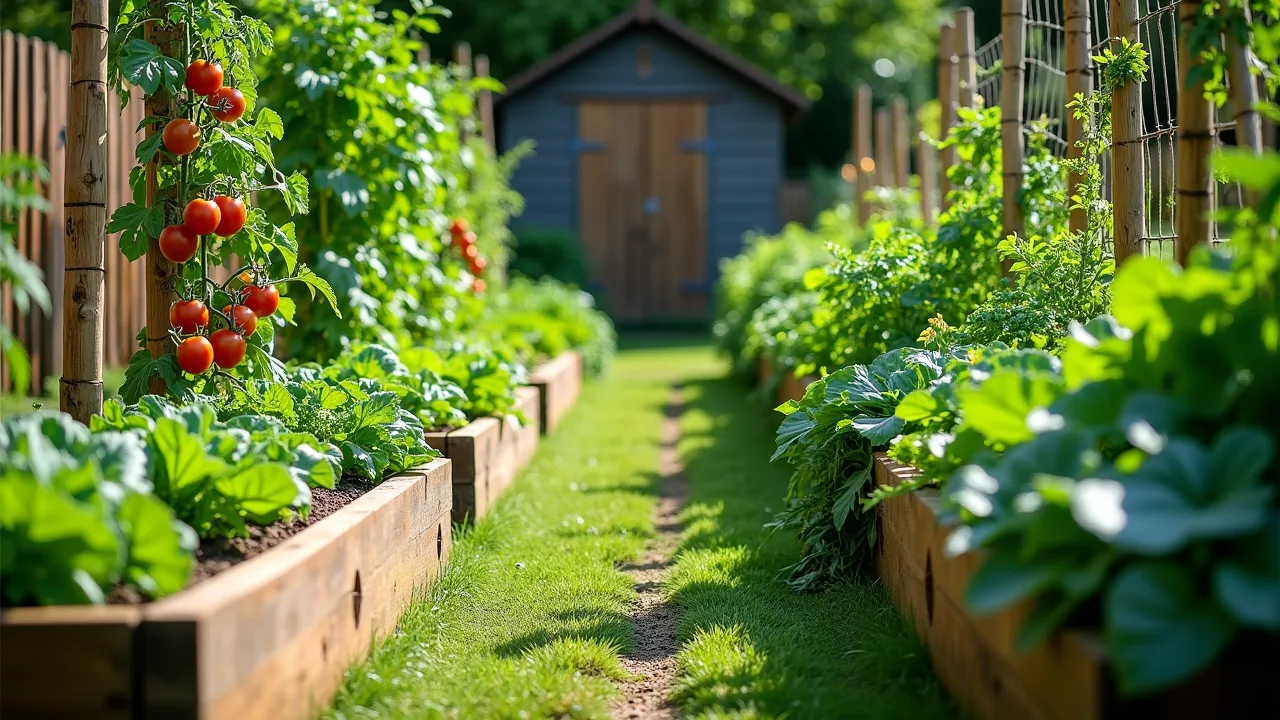
A productive summer vegetable plot in the UK isn't built in July — it's planned in late winter and steadily planted from March through June. This guide walks through the vegetables that actually earn their space in a British summer garden, the months to sow and transplant them, and the small jobs that make the difference between a glut and a disappointment.
Why timing matters (and when to start)
British summers are short, cool, and inconsistent. The difference between a tomato harvest in August and a wash of blight in the same month usually comes down to whether plants were out early enough to fruit before disease pressure peaks. The core rule: get cool-season crops in the ground as soon as the soil is workable (usually March–April in the south, late April further north), and hold warm-season crops (tomatoes, peppers, courgettes, sweetcorn, beans) until the last frost has passed — typically mid-May in the south, late May to early June in Scotland and the north.
Use the soil temperature, not the calendar, for warm-season sowings. Courgettes and French beans sulk below 13 °C; sweetcorn refuses to germinate under 12 °C. A cheap soil thermometer takes the guesswork out.
What you'll need
- A sunny spot — at least 6 hours of direct sun between April and September. South or west-facing is ideal.
- A bed or border with drainage. A 1 m × 3 m strip is enough for a starter summer veg patch.
- Two bags (roughly 40 litres each) of peat-free multi-purpose compost for containers and seed-sowing.
- One 50-litre bag of well-rotted manure or garden compost per square metre of bed, forked into the top 20 cm.
- A simple seed-sowing kit: modular trays, labels, a watering can with a fine rose, and a fleece or cloche for late frosts.
- For tomatoes, peppers, and aubergines: a greenhouse, polytunnel, or a sunny sheltered wall — outdoor tomatoes are a gamble north of Manchester.
- A notebook or phone reminder: a fortnightly sowing calendar stops you from missing succession sowings.
The crops and when to start them
March to early April — the first outdoor sowings
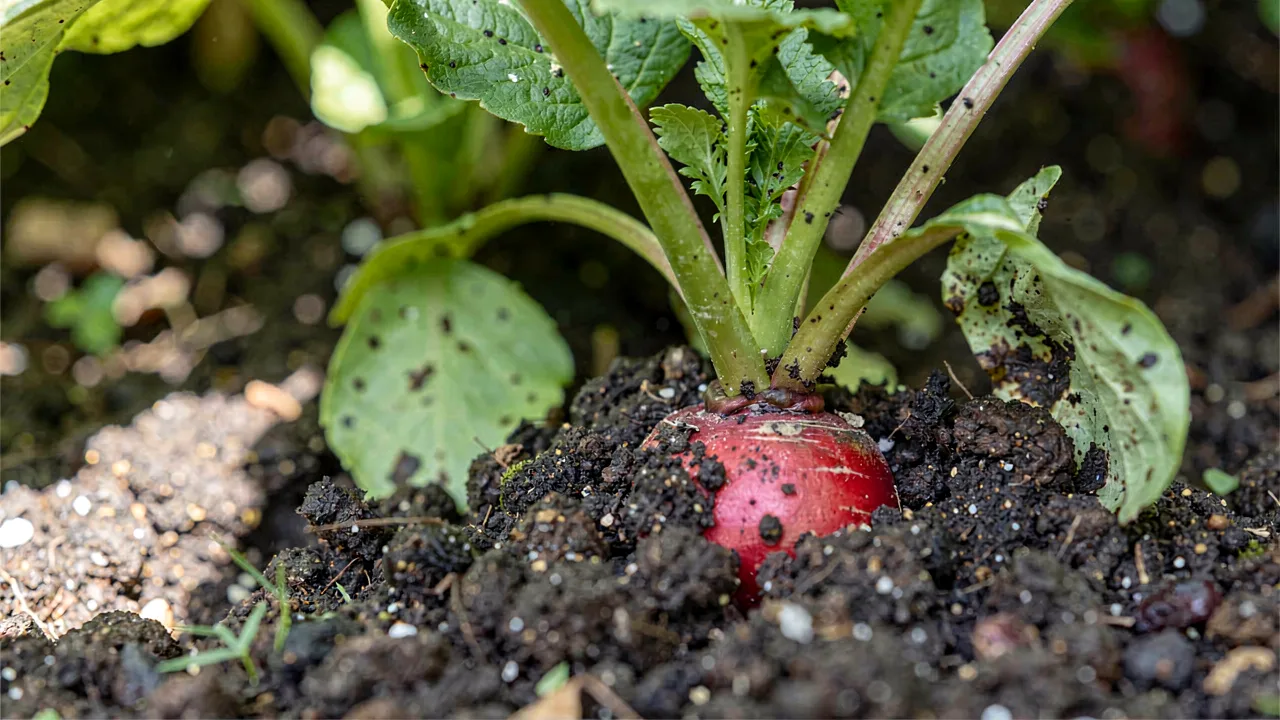
Sow direct once the soil is workable and not waterlogged: broad beans, early peas, spinach, radish, spring onions, and the first carrots and beetroot. These cool-season crops germinate at 7–10 °C and tolerate a light frost.
- Broad beans: sow 5 cm deep, 20 cm apart in double rows 30 cm apart. Pinch out the growing tips once the first pods set to deter blackfly.
- Peas: sow in a flat-bottomed drill 5 cm deep, 5 cm apart, with a cane or twiggy support 1.2 m tall for taller varieties.
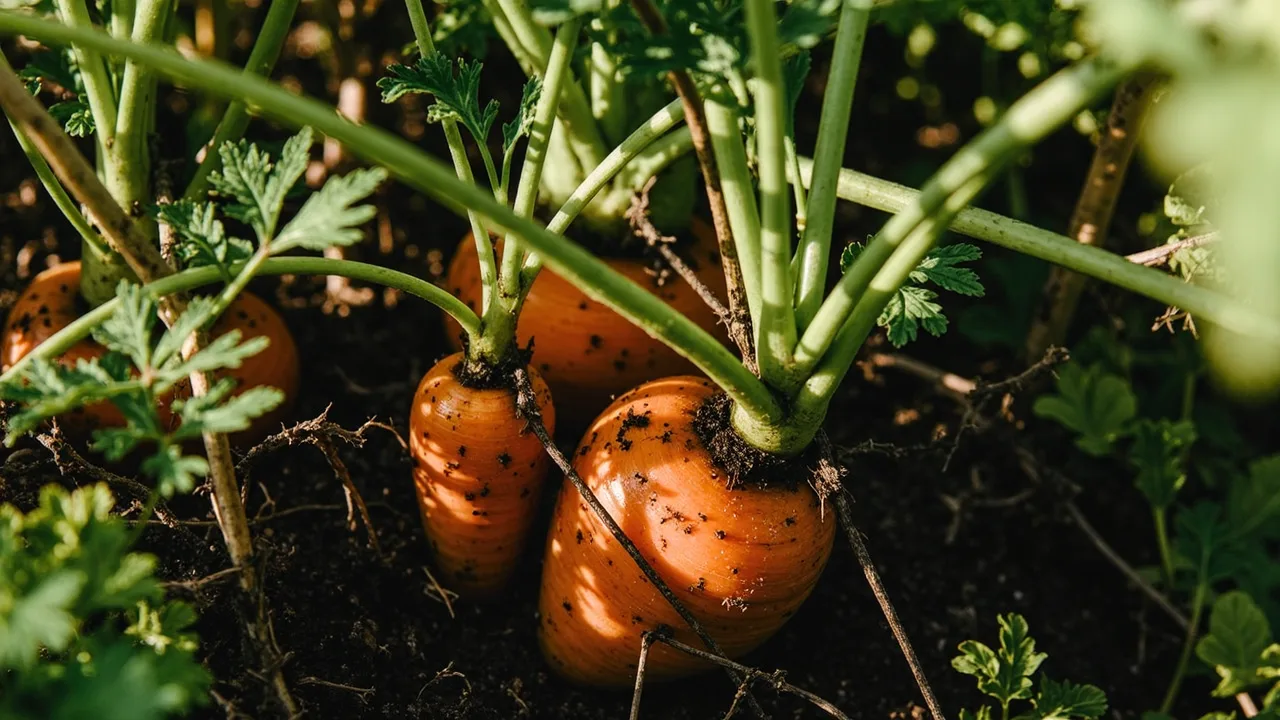
- Carrots and beetroot: thin to 5–8 cm apart. Carrot fly is active from late May — cover with fleece or 60 cm-high mesh barriers from sowing if you've had trouble before.
April — get ahead indoors
Sow tomatoes, chillies, peppers, and aubergines indoors at 18–21 °C in modules or 9 cm pots. Prick out into individual pots once the first true leaves appear. Harden off for 7–10 days before planting out: a cold frame or a sunny doorstep with fleece is ideal.
Sow courgettes, marrows, pumpkins, and sweetcorn indoors in mid-April in 7 cm pots, one seed per pot, on their side to prevent rot.
May — the big planting window
After the last frost (mid-May in the south, late May in the north), plant out:
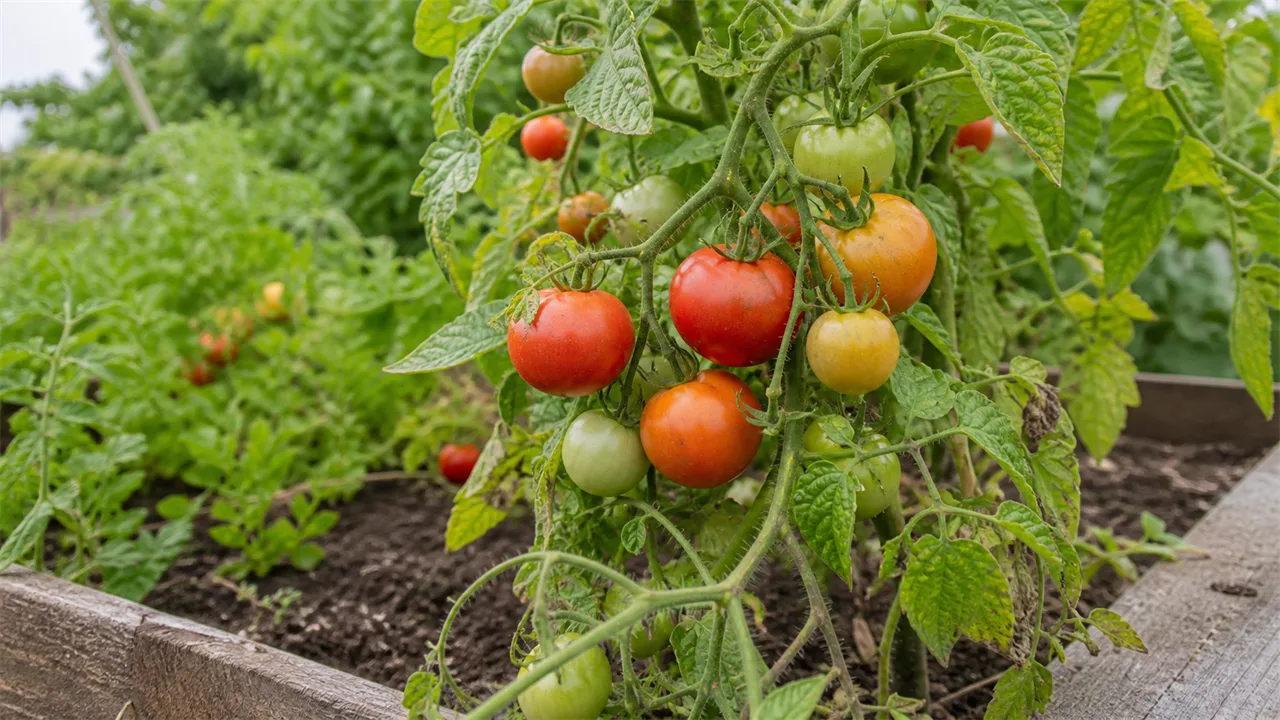
- Tomatoes 50–60 cm apart, with a 1.5 m cane for cordon varieties. Pinch out side-shoots weekly.
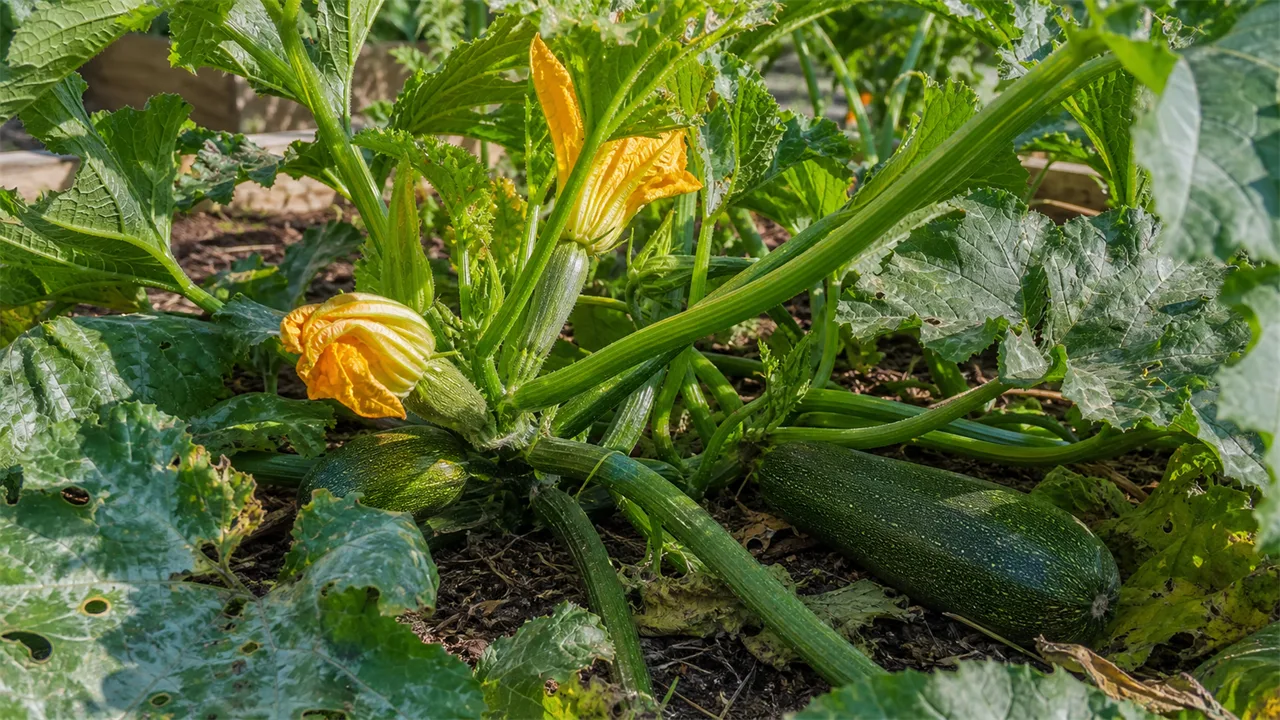
- Courgettes 90 cm apart in soil enriched with compost. One plant feeds a family of four; two plants will swamp you.
- Sweetcorn in blocks, not rows, 45 cm apart each way. Wind-pollinates badly in single rows — you need at least a 3 × 3 grid for proper cobs.
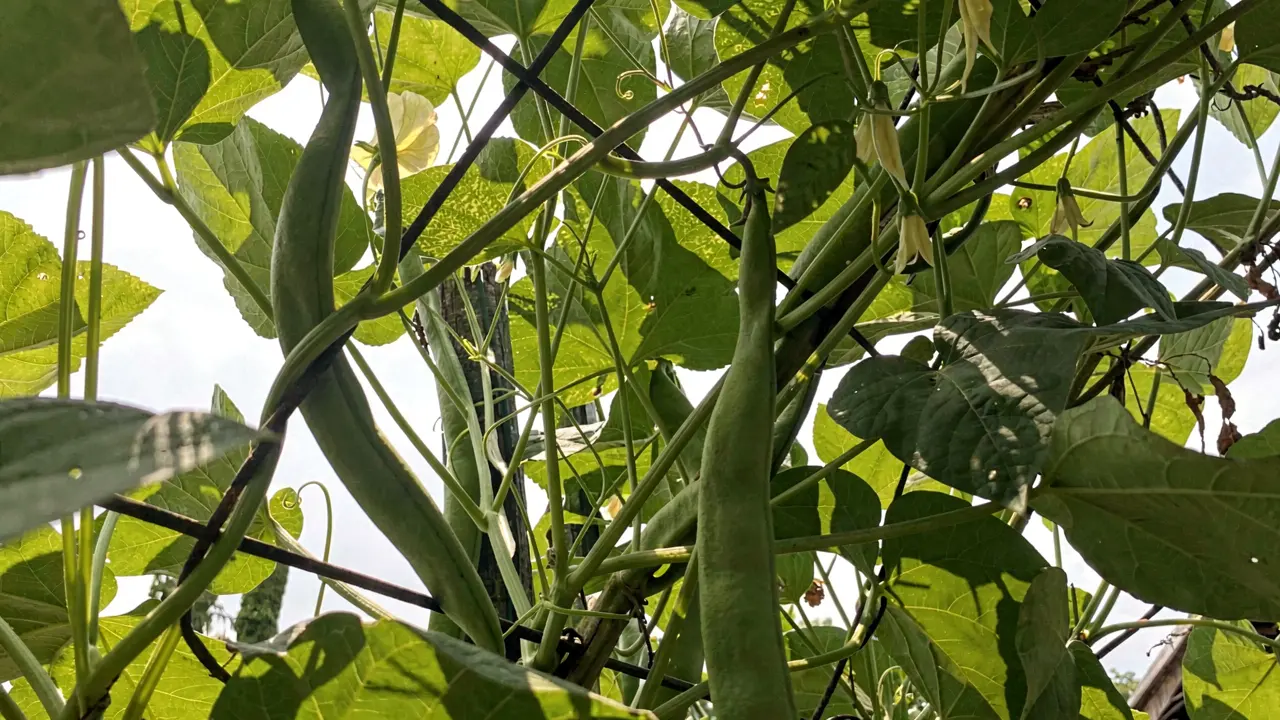
- French and runner beans once the soil is 13 °C. French beans 15 cm apart in rows 45 cm apart; runner beans need a 2 m wigwam or cane row.
- Brassicas for autumn (calabrese, kale, purple sprouting, winter cabbage) — transplant 45–60 cm apart into firm ground. Net against pigeons and cabbage white butterflies the moment you plant.
June and July — successions and warmth-lovers
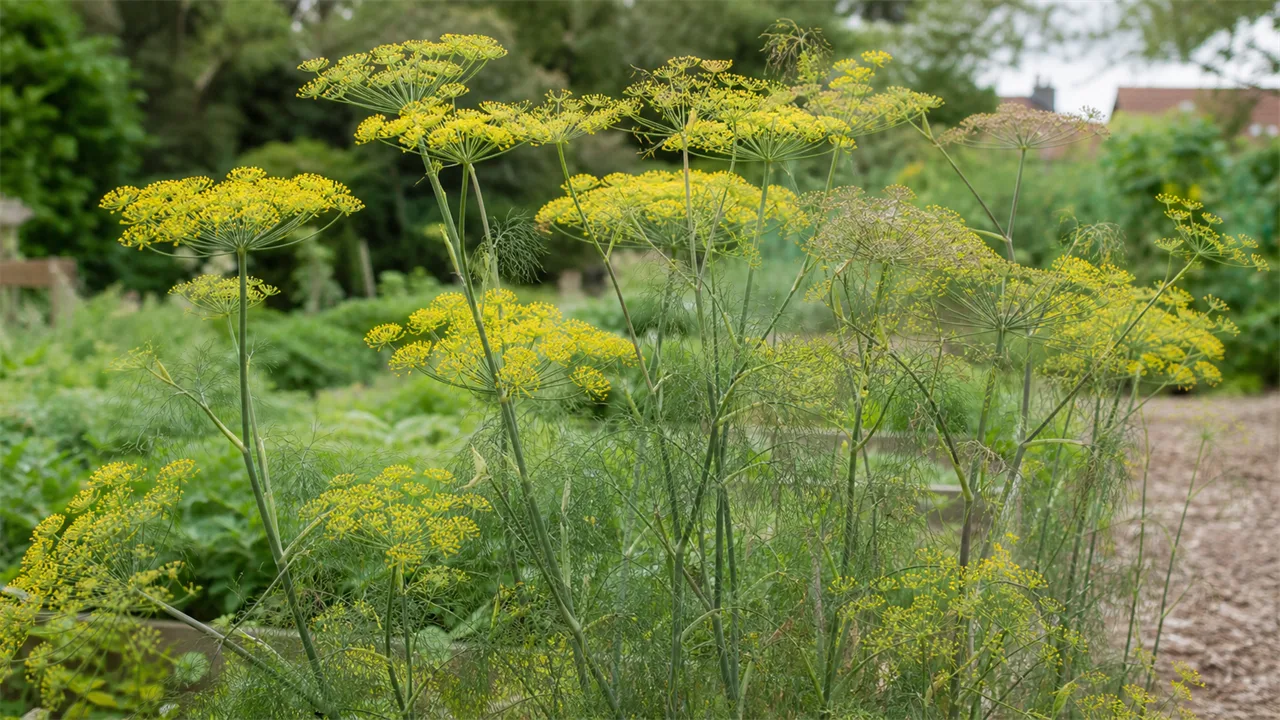
Sow a second batch of French beans, salad leaves, radish, and carrots in June for an August–September harvest. Direct-sow Florence fennel, spring cabbage, and overwintering onions in July for next year's store-cupboard.
Sow pak choi, mizuna, and other oriental leaves in late July for autumn salads — they bolt if sown earlier.
Common mistakes to avoid
- Planting out too early. Courgettes and tomatoes killed by a single May night frost undo weeks of indoor work. Watch the forecast, keep fleece handy.
- Skipping the hardening-off week. Plants raised at 20 °C and dumped into 12 °C winds stop growing for two weeks. Build up outdoor time gradually.
- Crowding sweetcorn and courgettes. Both need airflow to pollinate well and resist mildew. The spacings in the lists above are minimums, not suggestions.
- Forgetting to feed. Courgettes, tomatoes, and sweetcorn are hungry. A liquid tomato feed (high in potash) every 10–14 days once flowers appear makes a visible difference.
- Ignoring the first signs of blight. Brown patches on tomato leaves in damp July/August weather should trigger immediate removal of affected leaves and a 14-day spray of Bordeaux mixture if the forecast stays wet. If it spreads, lift the plants to save the rest of the plot.
- Letting brassicas go unprotected. A pigeon can strip a row of brassicas in an hour. Net the moment you plant — not when you see the damage.
Troubleshooting quick reference
- Tomato flowers dropping without setting — usually night temperatures below 12 °C or above 24 °C, or dry compost. Mist the flowers in the morning and water more consistently.
- Courgettes rotting at the tip — inconsistent watering or poor pollination. Water deeply twice a week rather than daily, and plant a second courgette nearby to improve pollination.
- Carrot seedlings vanishing — slugs or carrot fly. Use fleece from sowing and water in the morning so the foliage is dry by evening.
- Yellowing brassica leaves with whitefly clouds — yellow sticky traps and a forceful weekly hose-down. For heavy infestations, a spray of insecticidal soap at dusk.
- Sweetcorn cobs with missing kernels — poor pollination. You needed a block, not a row. Next year, plant in a 4 × 4 square.
A simple summer plan
For a 10 m² bed worked by one person, plan it like this:
- March: broad beans down one side, peas down the other, spinach and radish in the middle.
- Late May: replace spent broad beans with French beans, replace spinach with courgettes, plant tomatoes against a south wall.
- June: sow a second row of French beans and a late batch of carrots between the tomatoes.
- July: underplant the tomatoes with a single basil each, and sow pak choi where the early peas finished.
By late August you should be cropping tomatoes, courgettes, French beans, carrots, and beetroot; by October, the last French beans, pumpkins, and autumn calabrese. That single bed delivers roughly 80–100 kg of vegetables across the season if you keep on top of the sowings.
Final tips
- Mulch with straw or grass clippings in June to lock in moisture during July heatwaves — a 5 cm layer cuts watering by half.
- Water in the morning, not the evening, to reduce slug and disease pressure.
- Save seed from one open-pollinated variety each year (a French bean is easiest). It's free, and over four years you'll have a strain adapted to your plot.
- Keep a sowing diary. Next January you'll thank yourself when you can see exactly when last year's tomatoes went in and how they cropped.
Plants in this guide
Recommended Products
GardenWizz earns a commission from qualifying purchases made through affiliate links on this page (including links within the article) — as an Amazon Associate, and from Thompson & Morgan via the Awin network. This does not affect the price you pay. See our disclaimer for details.
Related Articles
More → Seasonal Care
Gardening Jobs for September
21 July 2026This month demands focused action to ensure your garden thrives through the seasons, capitalising on the UK’s lingering autumnal conditions.
 Seasonal Care
Gardening Jobs for August
21 July 2026This guide gives you the precise tasks to keep your garden thriving through the dog days, grounded in established RHS and UK horticultural practice.
 Seasonal Care
Gardening Jobs for December in the UK
19 June 2026December in the UK brings shorter days, crisp air, and the quiet rhythm of the dormant season. While the garden may seem asleep, there’s vital work to do to protect your plants, prepare for spring,…