Bosnian Pine
Pinus heldreichii
The Gardening Year
Best months in UK gardens · full planting calendar →
🖨 Printable care card (PDF)At a Glance
| Botanical name | Pinus heldreichii |
|---|---|
| Common name(s) | Bosnian pine |
| Family | Pinaceae |
| Plant type | tree (evergreen) |
| Height × Spread | 25–35 m × — |
| Position | Full sun |
| Soil | any well-drained soil |
| Flowering | May–June |
| Toxicity | — |
| Native range | mountainous regions of Southeast Europe and, to lesser extent, mountainous southern Italian Peninsula |
Quick Answer
Pinus heldreichii, commonly called Bosnian pine, is a long-lived evergreen tree for a sunny, well-drained site in the UK. Plant it in autumn or early spring, keep the root zone watered while it establishes, and allow room for its eventual height.
Overview
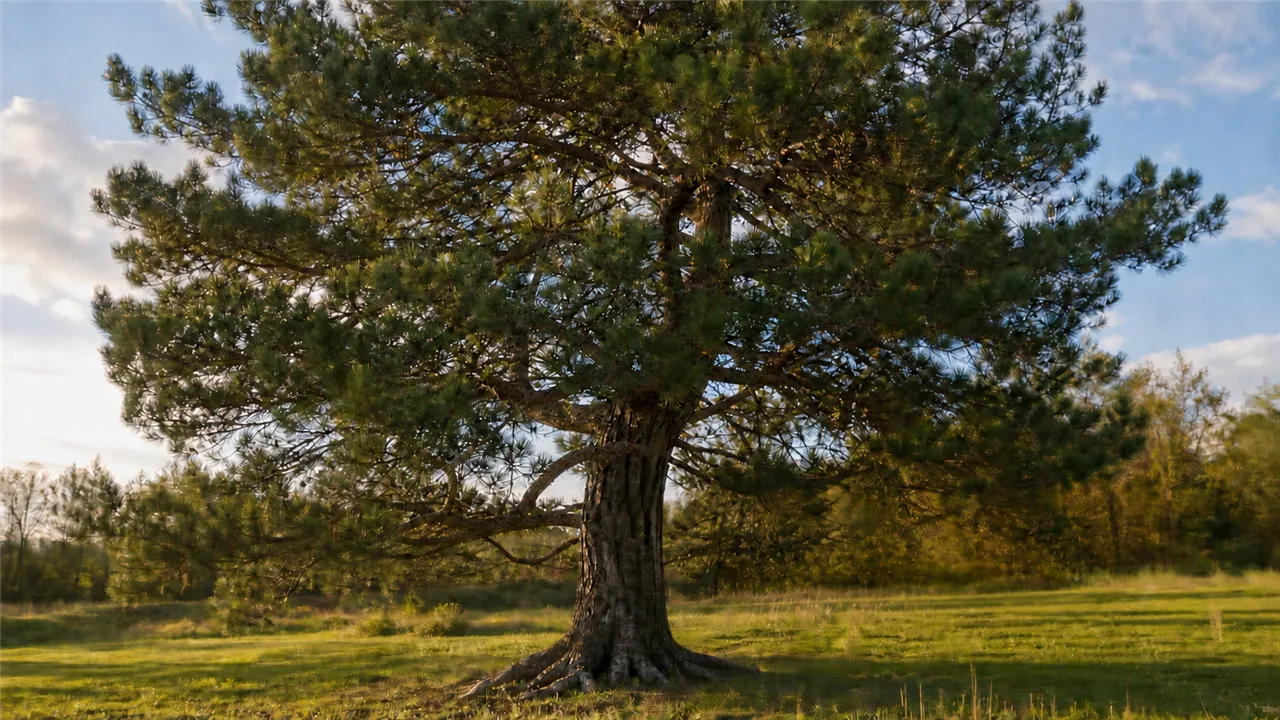
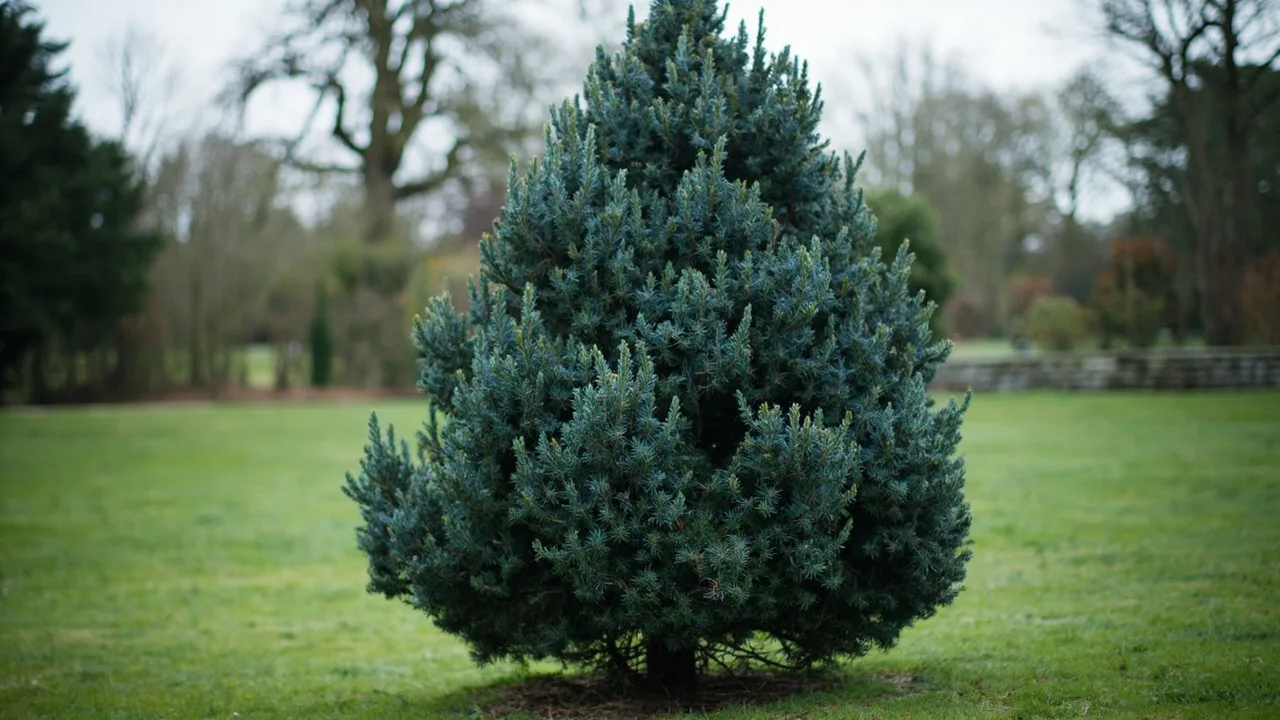
Pinus heldreichii is a slow-growing pine from the mountains of south-eastern Europe, where it grows on exposed limestone and other well-drained soils. Its accepted name is recorded by the Royal Botanic Gardens, Kew, while the RHS describes it as a narrowly conical evergreen with dense, deep green needles. In a UK garden it makes a dependable specimen tree, but its eventual size means that choosing the position is more important than frequent maintenance.
Many gardeners choose Bosnian pine for its strong outline and year-round foliage rather than for a quick display. It suits a large lawn, parkland-style border or exposed coastal garden, and can cope with dry conditions once established provided drainage is good. Avoid planting it where winter wet lies around the roots or where buildings and overhead wires will restrict the crown.
For related advice, see the GardenWizz plant profile, how to improve garden soil, the UK gardening calendar, and how to plant a tree.
Appearance
A mature tree develops a narrow, pyramidal to oval crown, with branches clothed in pairs of stiff, dark green needles. The needles remain attractive through every season and create a dense texture that distinguishes this species from the more open look of some other landscape pines. Young plants are usually conical; older specimens can broaden and develop a rugged trunk and irregular outline.
The cones are oval. The RHS records them as blue in their first year before they ripen to pale brown, giving the tree seasonal interest without relying on showy flowers. Spring also brings yellow pollen cones, although these are a minor feature compared with the evergreen canopy.
A useful trick is to view the tree from the house before planting: the dark foliage reads as a bold vertical accent in winter, but the same solidity can cast considerable shade as the tree enlarges. Check the mature spread as well as the height, and keep a clear route for future tree inspection.
Growing Conditions
Full sun produces the best shape and densest foliage. Pinus heldreichii tolerates wind better than many ornamental conifers, but a newly planted tree still needs staking where the site is exposed. A position with good air movement is preferable to a cramped corner surrounded by walls and other trees.
Drainage is the critical soil requirement. The species is associated with dry, rocky limestone habitats, so heavy clay should be improved with organic matter and, where necessary, structural drainage before planting. Do not create a small pocket of rich compost in otherwise compacted ground: roots should be able to move into the surrounding soil rather than remaining in a wet planting hole.
It grows in neutral to alkaline conditions and is not dependent on an acid soil. A soil test is useful if the ground is unusually chalky or very acidic, but routine liming is unnecessary. Mulch with composted bark or garden compost, keeping it away from the trunk, and renew the mulch each spring.
Most gardeners find that an established tree needs little irrigation except during prolonged summer drought. Watering is still important in the first two growing seasons, especially on sandy soil, near paving, or where rainfall is sheltered by buildings. See choosing the right tree for your garden before ordering a plant for a restricted plot.
Planting and Care
Plant container-grown trees from October to November or in March and April, avoiding frozen or waterlogged ground. Bare-root availability is more limited and planting should follow the nursery's lifting season. A concrete number matters here: leave enough room for the eventual tree, not merely the size shown on the label at purchase.
- Remove grass and weeds from a planting circle at least 1 m across.
- Dig a hole no deeper than the rootball and at least twice its width.
- Loosen the sides and base without turning the hole into a sump.
- Position the tree with the top of the rootball level with the surrounding soil.
- Backfill with the excavated soil, breaking up large clods as you work.
- Firm the soil gently around the roots and water slowly to settle air pockets.
- Add a 5-8 cm mulch layer, leaving a clear gap around the stem.
- Stake only where movement or wind-rock threatens establishment, using a flexible tie.
Watering is most important from planting until the tree has made a reliable root system. During dry spells, soak the root zone thoroughly rather than applying a little water every day. Check beneath the mulch before watering: the surface can look dry while the soil below remains damp. Remove the stake after establishment so the trunk can develop natural strength.
Feeding is modest. If growth is weak in poor ground, apply a balanced, slow-release fertiliser in spring according to the label. Do not push soft, lush growth with heavy nitrogen feeding, and do not feed a drought-stressed tree until the soil has been rehydrated. A mulch is usually more useful than repeated fertiliser applications.
Pruning is rarely required. Remove dead, damaged or crossing branches in late autumn or winter, cutting back to a suitable branch junction and avoiding flush cuts against the trunk. Pines do not reliably produce new shoots from old, bare wood, so hard cutting into brown, needleless branches can leave permanent gaps. Never shorten the central leader to control height; choose a smaller cultivar instead.
Propagation is normally by seed for the species, while named cultivars are propagated by specialist nurseries, commonly by grafting. Seed-grown plants may vary in habit and are not a reliable way to reproduce a named selection. Gardeners should buy a healthy, correctly labelled plant rather than attempting amateur grafting.
Seasonal care is straightforward. In winter, inspect ties and stakes after gales and remove snow from vulnerable young branches without shaking the tree. In spring, renew mulch and check for competing weeds. In summer, water during extended dry weather. In autumn, remove fallen debris if it is diseased and keep access around the tree clear for inspection.
Common Problems
One common mistake is to treat every brown pine needle as a disease. Older inner needles naturally yellow and fall, particularly in late summer and autumn, while widespread browning, resin flow or dead shoot tips needs closer attention.
Dothistroma needle blight
Dothistroma needle blight produces reddish bands and dead sections on needles, followed by thinning and browning. Forest Research identifies it as an important disease of conifers, particularly pines. Improve airflow, avoid overhead watering, remove badly affected fallen material where practical, and seek current UK plant-health advice before using any fungicide.
Pine sawfly and caterpillar damage
Pine sawfly larvae and moth caterpillars can strip clusters of needles, leaving ragged shoots or bare patches. Inspect foliage from spring onwards and remove small, accessible infestations by hand. Encourage birds and other predators, and identify the pest accurately before considering a treatment; products and approvals change, so follow the current label.
Aphids, scale insects and honeydew
Sap-feeding insects may cluster on young shoots and produce sticky honeydew, sometimes followed by black sooty mould. Check new growth regularly, especially on stressed container plants or trees in sheltered urban gardens. A strong jet of water can dislodge light infestations, while conserving beneficial insects is preferable to routine broad-spectrum spraying.
Root problems from wet soil
Poor drainage causes weak growth, yellowing foliage and dieback that can resemble a needle disease. Digging deeper or watering more often will not solve a saturated root zone. Improve drainage before planting, keep mulch away from the trunk, and obtain an arboricultural assessment if a mature tree is declining or leaning.
Wind-rock and structural damage
A recently planted pine can rock in high winds, breaking new roots before they establish. Check the rootball after autumn and winter storms, retie a flexible stake if needed, and firm the soil without compacting it heavily. Mature trees should be inspected by a qualified arborist after major limb failure or if cracks appear at branch unions.
Popular Varieties
Three named selections commonly associated with this species are worth checking with specialist UK nurseries, although stock and naming can change:
- Pinus heldreichii 'Compact Gem': a compact, dense selection suited to smaller gardens than the species, while still requiring room for its long-term spread. UK nursery listings describe it as rounded to conical and slow growing.
- Pinus heldreichii 'Smidtii': a compact selection listed in specialist conifer references. Confirm the final size and grafting details with the nursery before purchase.
- Pinus heldreichii var. leucodermis: a botanical variety name still encountered in nursery and horticultural catalogues. Taxonomic treatment and labelling can vary, so check whether the seller is offering the variety or a named cultivar.
A simple trick is to buy by the full botanical name, including quotation marks around a cultivar, and retain the nursery label. Do not assume that a plant sold as a dwarf pine will remain small: ask for a ten-year size and an expected mature size, and check whether the quoted measurements refer to a grafted specimen.
For a small garden, compare the plant with other compact conifers and read our guide to planting trees. For established specimens, the tree-care problem solver can help distinguish normal seasonal needle drop from decline.
Sources & Further Reading
- Royal Horticultural Society, “Pinus heldreichii | Bosnian pine”, https://www.rhs.org.uk/plants/133029/pinus-heldreichii/details, accessed 2026-07-21.
- Royal Botanic Gardens, Kew, Plants of the World Online, “Pinus heldreichii Christ”, https://powo.science.kew.org/taxon/urn:lsid:ipni.org:names:262987-1, accessed 2026-07-21.
- Forest Research, “Dothistroma needle blight (Dothistroma septosporum)”, https://www.forestresearch.gov.uk/tools-and-resources/fthr/pest-and-disease-resources/dothistroma-needle-blight-dothistroma-septosporum/, accessed 2026-07-21.
- Plantura UK, “Bosnian pine: profile, care & varieties”, https://plantura.garden/uk/trees-shrubs/pine-trees/bosnian-pine, accessed 2026-07-21.
- Frank P. Matthews, “Pinus heldreichii”, https://www.frankpmatthews.com/catalogue/ornamental-trees/pinus/pinus-heldreichii/, accessed 2026-07-21.
Pests and Diseases
| Problem | Symptoms | Management |
|---|---|---|
| Root rot (Phytophthora) | Foliage turns brown and needles drop prematurely, often accompanied by a general decline in vigor. | Ensure excellent drainage and avoid overwatering; do not plant in heavy clay or waterlogged soil. |
| Winter desiccation | Needles turn brown or reddish, particularly on the windward side of the tree during dry, windy winters. | Water deeply before the ground freezes and use windbreaks to protect young trees from drying winds. |
| Spider mites | Fine webbing on needles with stippled or yellowing foliage, worsening in hot, dry conditions. | Spray affected areas with a strong jet of water to dislodge mites and maintain adequate humidity. |
| Pine sawfly larvae | Green caterpillar-like larvae feed on new shoots, causing defoliation and stunted growth. | Hand-pick larvae or apply insecticidal soap; biological controls like parasitic wasps are also effective. |
| Snow damage | Branches bend or break under the weight of heavy snow, leading to structural damage. | Gently brush snow off branches using a broom; avoid shaking trees as this can cause more damage. |
Or browse the full plant problem solver to diagnose an issue by symptom.
Recommended Products
GardenWizz earns a commission from qualifying purchases made through affiliate links on this page (including links within the article) — as an Amazon Associate, and from Thompson & Morgan via the Awin network. This does not affect the price you pay. See our disclaimer for details.