Edgeworth's Rhododendron
Rhododendron edgeworthii
The Gardening Year
Best months in UK gardens · full planting calendar →
🖨 Printable care card (PDF)At a Glance
| Botanical name | Rhododendron edgeworthii |
|---|---|
| Common name(s) | Edgeworth's Rhododendron |
| Family | Ericaceae |
| Plant type | shrub |
| Height × Spread | 1.5–2.5 m × — |
| Position | Partial shade |
| Pet safety | Toxic to cats, dogs and horses. |
| Soil | Acidic, well-drained loam or sand |
| Flowering | April–May |
| Toxicity | All parts are harmful if eaten (grayanotoxins); also toxic to pets and livestock, and honey from the flowers can be toxic. (RHS: harmful if eaten.) |
| Native range | — |
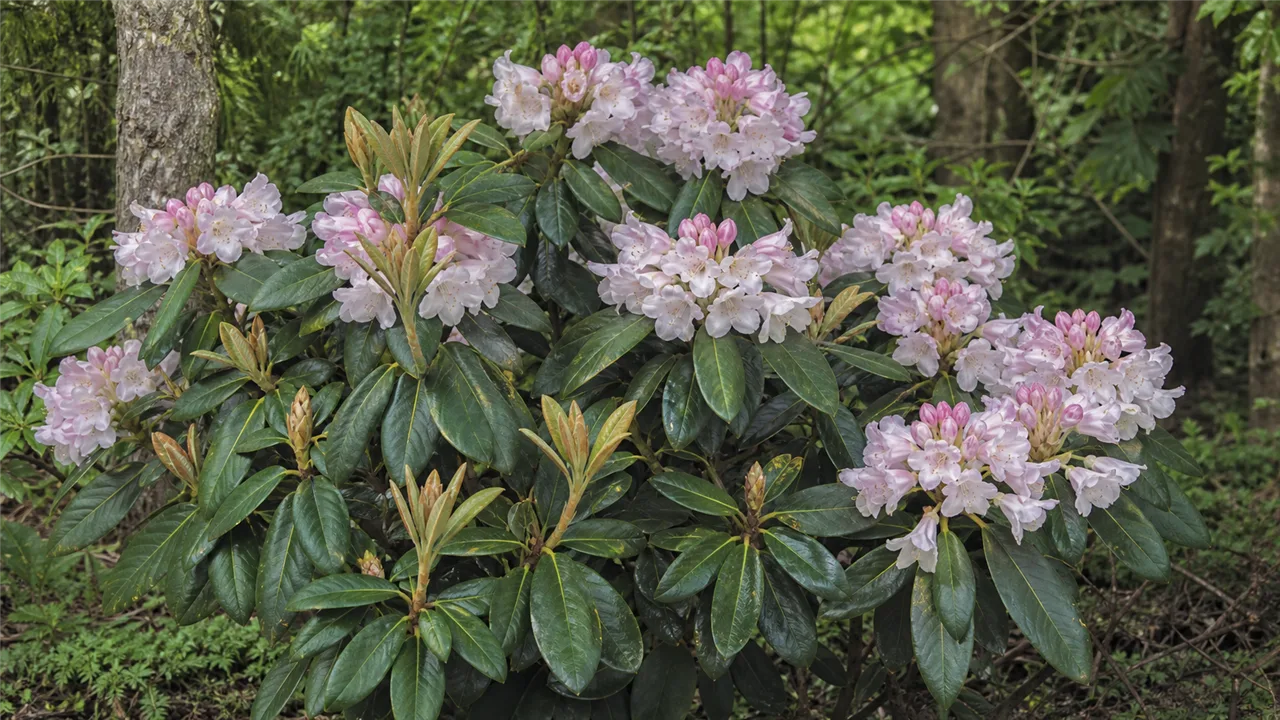
Edgeworth's rhododendron (Rhododendron edgeworthii) is a compact, evergreen flowering shrub prized for two qualities that are unusual among rhododendrons: intensely fragrant flowers and a dense, colourful indumentum on the undersides of its leaves. Native to the eastern Himalayas and introduced to British cultivation in the mid-nineteenth century, it remains a connoisseur's plant, less widely planted than the showy hybrid rhododendrons but well worth seeking out for acid-soil gardens, woodland edges, and large containers.
Overview
Rhododendron edgeworthii belongs to the family Ericaceae and the genus Rhododendron. It was described by Joseph Dalton Hooker in 1851 and named in honour of Michael Pakenham Edgeworth, an Irish botanist who collected plants in northern India. In the wild it occurs across the eastern Himalayas — Bhutan, Nepal, Sikkim, Tibet (Xizang) and adjacent parts of Myanmar — generally growing at elevations between 2,500 and 4,500 m on rocky slopes and in mixed scrub.
In UK gardens it is grown as a specimen shrub for its scented flowers, its attractive evergreen foliage, and its modest size. The Royal Horticultural Society has not widely trialed this species, so an Award of Garden Merit is not currently recorded for the straight species. As a general guide, it tolerates UK conditions similar to those accepted by the parent genus: it is reliably hardy across most of the British Isles given a sheltered site, and it performs best in acidic, humus-rich soil in dappled shade.
Quick-Care Table
Appearance
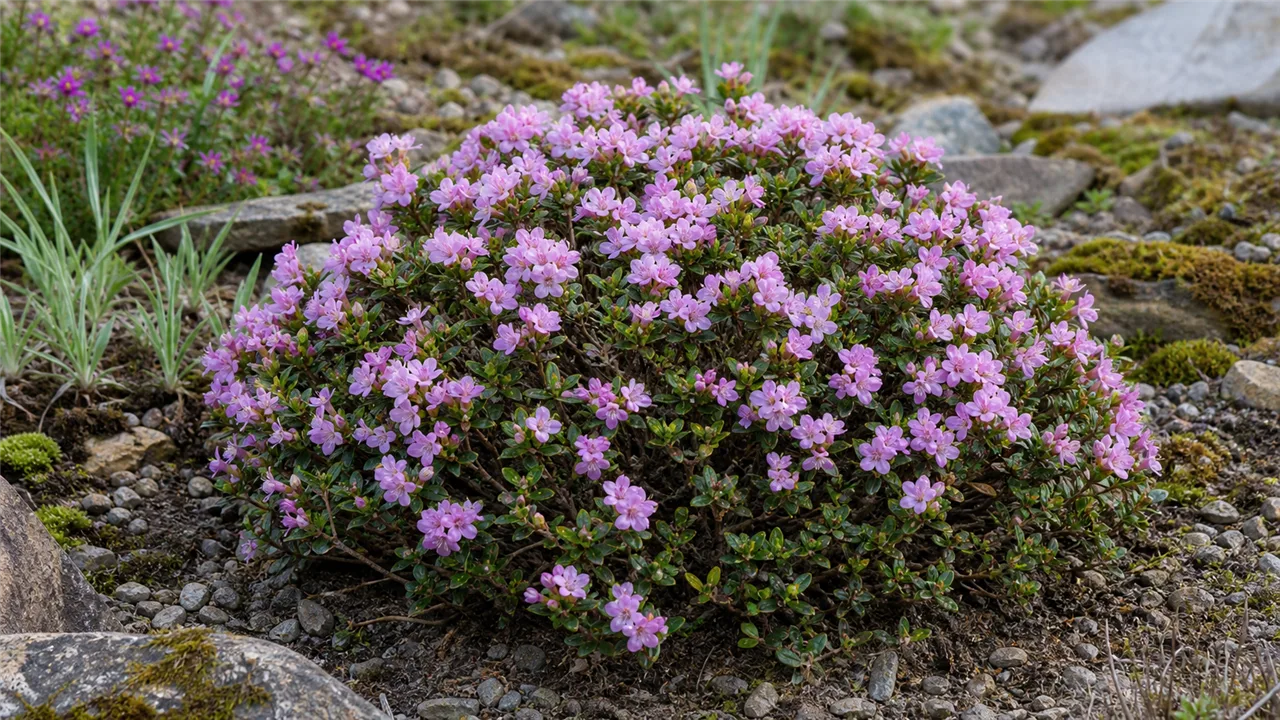
R. edgeworthii forms a compact, densely branched shrub that, in British cultivation, typically reaches 0.3–1.5 m in height with a comparable spread after many years. The overall habit is mounded to slightly spreading, with the branches held close to the ground in exposed sites and more openly in sheltered woodland. Growth is moderate rather than vigorous.
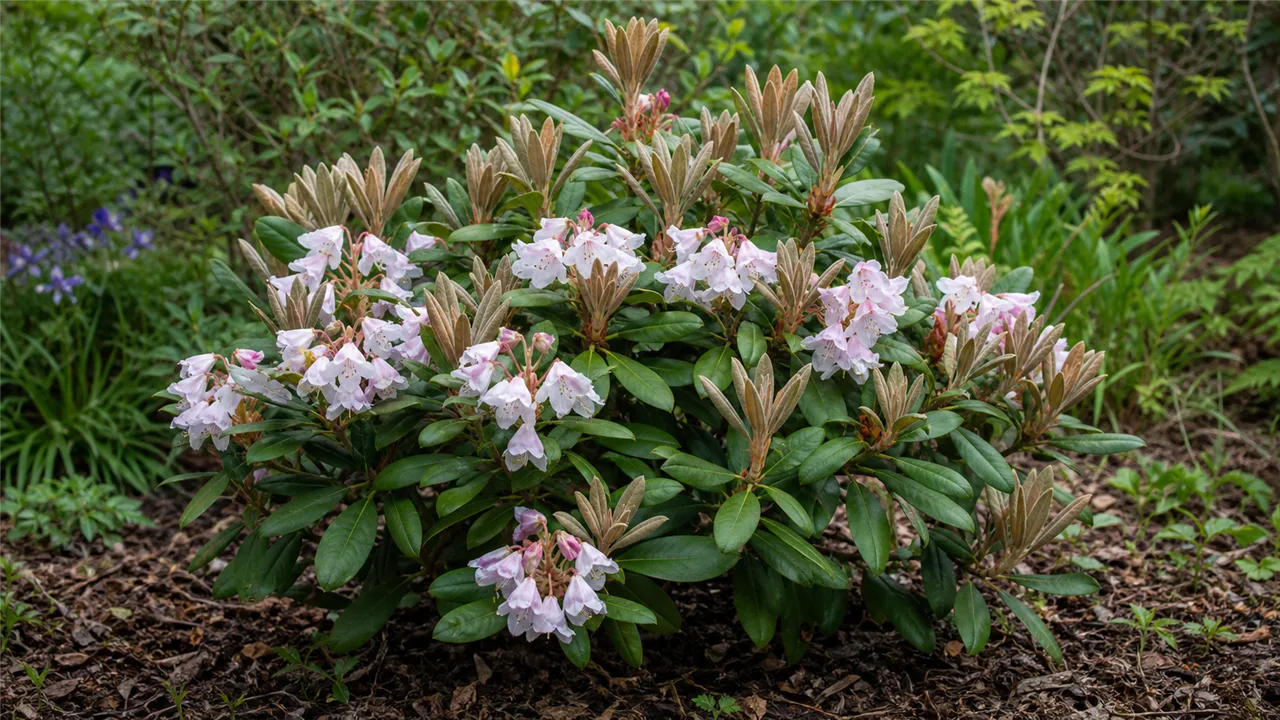
The most striking vegetative feature is the indumentum — a felt-like covering of hairs — on the young stems and the undersides of the leaves. This indumentum is a dense, rusty-brown to amber colour and contrasts strongly with the dark green, slightly glossy upper leaf surface. The leaves themselves are leathery, elliptic to oblong in outline, and 4–12 cm long. When crushed or rubbed, the foliage releases a noticeably aromatic scent, an unusual and welcome trait among rhododendrons.
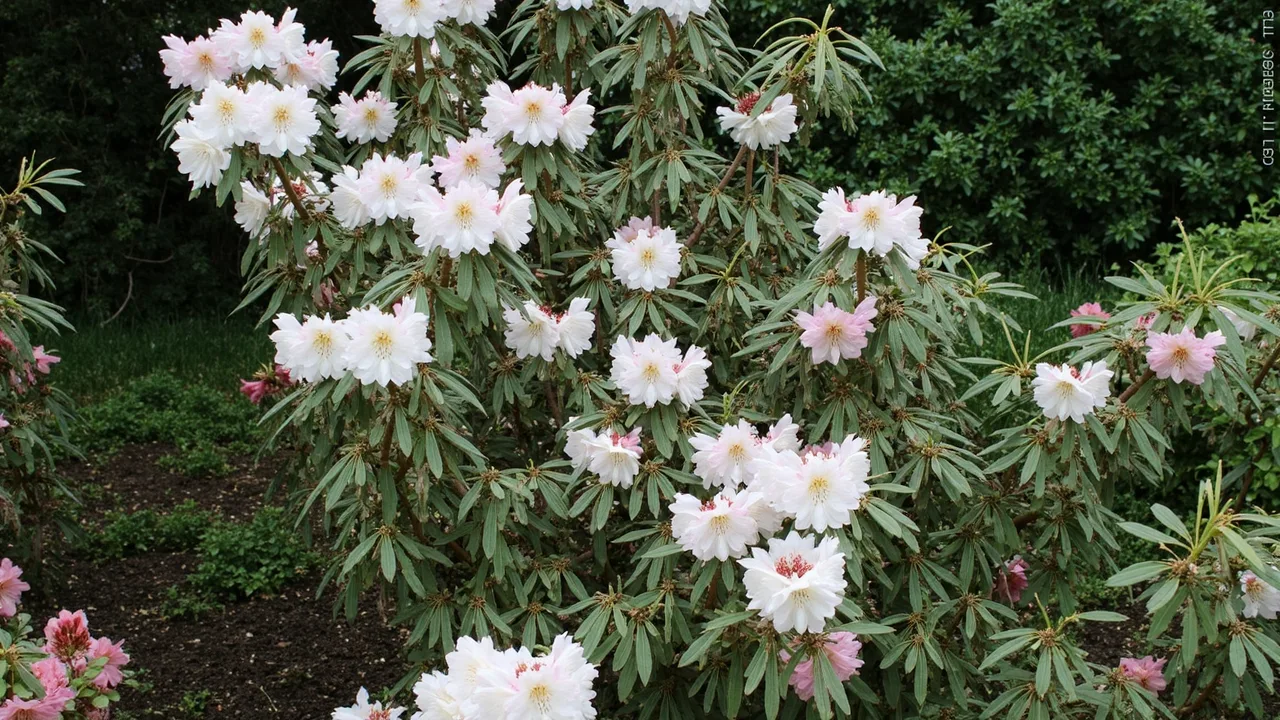
The flowers appear from terminal buds in late spring to early summer, generally between May and July in UK gardens. Each inflorescence carries one to three funnel-shaped flowers, each 3–5 cm long. Colour ranges from white through cream to pale pink, with the outside of the tube often flushed a deeper pink or rose. As with the leaves, the flowers are strongly and sweetly scented — among the most fragrant of any rhododendron in cultivation. The fruit is a small, dry, woody capsule that ripens in autumn and is of little ornamental interest.
Growing Conditions
R. edgeworthii requires acid soil, ideally in the pH range 4.5–6.0. It will not tolerate chalky or limy ground, and planting on alkaline soil leads rapidly to chlorosis and decline. Where garden soil is neutral to alkaline, the plant should be grown in a container filled with ericaceous (lime-free) compost, or in a raised bed constructed with imported acidic loam. The soil should be humus-rich and moisture-retentive but sharply drained; rhododendrons dislike waterlogged conditions, particularly in winter, when roots are inactive.
The ideal site provides dappled shade or partial shade, mimicking the conditions found at the woodland edge or under a light deciduous canopy. Heavy, direct sun can scorch the foliage and bleach the indumentum, while deep, dense shade reduces flowering. A sheltered position out of cold, drying east winds is important, especially in northern and upland parts of the UK. Late spring frosts can damage opening buds and freshly expanded growth, so a site with some overhead protection from trees or buildings is preferable.
In its native range, R. edgeworthii grows at high altitude, between roughly 2,500 and 4,500 m, on rocky, well-drained slopes. In cultivation its RHS hardiness rating is H3, indicating tolerance of winter temperatures between approximately −5 °C and 1 °C. Grow it in a sheltered position and protect young plants and container specimens during severe spells; in colder, exposed northern and upland gardens, container cultivation under cover is safer.
Planting and Care
When to plant: Autumn or early spring is ideal, when the soil is moist and warm enough to allow root establishment. Avoid planting in frozen, waterlogged, or parched ground.
Preparation: Soak the rootball thoroughly in a bucket of water before planting. Dig a hole no deeper than the rootball but two to three times as wide, loosening the surrounding soil to encourage roots to spread outwards. Backfill with a mix of the excavated soil and well-rotted ericaceous compost, leaf mould, or composted bark. Plant at the same depth the shrub was growing in its pot — rhododendrons are shallow-rooted and should never be buried deeply.
Watering: Consistent moisture is essential, particularly during the first two to three years after planting and during extended dry spells. Where possible, use collected rainwater; in hard-water areas, tap water gradually raises soil pH and over time produces the symptoms of chlorosis. Mulch annually with bark chips, pine needles, or acidic leaf mould to conserve moisture and suppress weeds.
Feeding: Apply a specialist rhododendron or ericaceous fertiliser in spring as new growth begins, following the manufacturer's recommended rate. Avoid formulations high in phosphate and do not apply lime or general-purpose fertilisers containing calcium.
Pruning: Little routine pruning is required. Deadhead spent flowers promptly by carefully snapping or twisting them off at the base of the truss — take care not to damage the developing buds immediately below. Remove any dead, damaged, or crossing wood in mid- to late summer, immediately after flowering. Older, leggy plants can be rejuvenated by harder pruning, although recovery is slow and flowering will be interrupted for one or two seasons.
Propagation: Increase from semi-ripe cuttings taken in mid- to late summer, using heeled shoots 8–10 cm long, wounded at the base and rooted under mist in a free-draining ericaceous propagation mix. Layering of low-growing branches in autumn is also reliable. Seed can be sown in autumn on the surface of a moist, lime-free seed compost, but named cultivars will not come true from seed.
Seasonal care: In late autumn, top up the mulch and check that container-grown plants are not sitting in saucers of water. In spring, remove any frost-damaged growth once the danger of further hard frosts has passed. In summer, watch for vine weevil damage on container-grown plants — the adult notching of leaves and the more serious root feeding by grubs are both signs that biological or chemical control is needed.
Common Problems
Chlorosis (yellowing leaves with green veins): Almost always a sign of alkaline soil or hard-water irrigation. Treat with chelated iron (iron sequestrene) and switch to rainwater. In containers, repot into fresh ericaceous compost.
Bud blast: Flower buds turn brown and remain attached to the plant rather than opening. The cause is usually the fungus Phyllosticta (and possibly a virus complex), sometimes exacerbated by stressed plants or sharp frosts. Remove and destroy affected buds; improve growing conditions; consider a suitable fungicide where the problem persists.
Powdery mildew: A white fungal coating on leaves in warm, humid summers. Improve air circulation by thinning surrounding vegetation, avoid overhead watering, and apply a suitable fungicide if the attack is severe.
Phytophthora root rot: A serious disease of poorly drained or waterlogged soils, causing wilting, dieback, and eventual death. There is no reliable chemical cure. Improve drainage, avoid deep planting, and remove and destroy severely affected plants; do not replant susceptible species in the same spot.
Aphids: Soft-bodied insects cluster on new growth in spring, excreting sticky honeydew. They rarely kill established plants but can distort growth and transmit viruses; treat with insecticidal soap or encourage natural predators.
Vine weevil: A particular problem for container-grown rhododendrons. Adult beetles notch the leaf margins in summer, while their soil-dwelling grubs feed on roots over winter and can quickly kill plants. Use biological control nematodes (Steinernema kraussei) in late summer or autumn, or treat container compost with a suitable drench.
Wind scorch: Cold, drying winds brown and tatter the foliage. Provide a windbreak or relocate container-grown plants to a more sheltered site before the worst of the winter weather.
Popular Varieties
In practice, named cultivars of Rhododendron edgeworthii are few and uncommon in general cultivation; the species itself is what is usually grown.
Rhododendron edgeworthii is most often grown as the straight species, but several recognised selections and hybrids are worth seeking out from specialist rhododendron nurseries.
R. edgeworthii 'Pink Drift': A selected form with particularly clear pink flowers and a slightly more spreading habit than the type. Reported as hardy in UK conditions but, as with the species, prefers woodland-edge cultivation.
R. edgeworthii 'Reuthe's Purple': A relatively recent selection from Reuthe's nursery in Kent, notable for a stronger pinkish-purple flush on the outside of the flowers and an exceptionally heavy indumentum on the leaf undersides.
R. × edgeworthianum (crosses with R. veitchianum or R. ciliaticum): Hybrid seedlings involving R. edgeworthii are sometimes offered under this informal name, typically with larger flowers and a similar scent. Cultivar names within this group are not stable and should be checked with the supplier at the time of purchase.
Where named cultivars of R. edgeworthii itself are offered, it is sensible to verify with the supplier which are true clonal selections and which are seedling-raised forms sold under a group name; the species varies somewhat from seed, and availability in the UK is limited to a handful of specialist nurseries at any given time.
Pests and Diseases
| Problem | Symptoms | Management |
|---|---|---|
| Chlorosis | Yellowing leaves with green veins, typically caused by alkaline soil or hard tap water over time. | Switch to rainwater, treat with chelated iron, and repot container plants into fresh ericaceous compost; mulch with acidic organic matter. |
| Bud blast | Flower buds turn brown and remain attached without opening; caused by the fungus Phyllosticta and stress. | Remove and destroy affected buds; improve growing conditions; consider a suitable fungicide if the problem persists. |
| Powdery mildew | White fungal coating on leaves in warm, humid summers. | Improve air circulation, avoid overhead watering, and apply a suitable fungicide if the attack is severe. |
| Phytophthora root rot | Wilting, dieback, and death in poorly drained or waterlogged soils; no reliable cure. | Improve drainage, avoid deep planting, and remove and destroy severely affected plants; do not replant susceptible species in the same spot. |
| Aphids | Soft-bodied insects clustered on new spring growth, excreting sticky honeydew. | Encourage natural predators; treat with insecticidal soap if needed; rarely kills established plants. |
| Vine weevil | Adult beetles notch leaf margins in summer; soil-dwelling grubs feed on roots over winter and can kill container-grown plants. | Use biological control nematodes (Steinernema kraussei) in late summer or autumn, or treat container compost with a suitable drench. |
| Wind scorch | Cold, drying winds brown and tatter the foliage. | Provide a windbreak or relocate container plants to a more sheltered site before the worst of the winter weather. |
For step-by-step help, read Controlling Aphids Naturally and Treating Powdery Mildew. Or browse the full plant problem solver to diagnose an issue by symptom.
Recommended Products
GardenWizz earns a commission from qualifying purchases made through affiliate links on this page (including links within the article) — as an Amazon Associate, and from Thompson & Morgan via the Awin network. This does not affect the price you pay. See our disclaimer for details.