
June in the Garden
June is the pivot point of the gardening year. The long days (around 16–17 hours of daylight at the solstice on the 21st) and reliably warmer soil — usually holding 15–18°C in the south by mid-month…
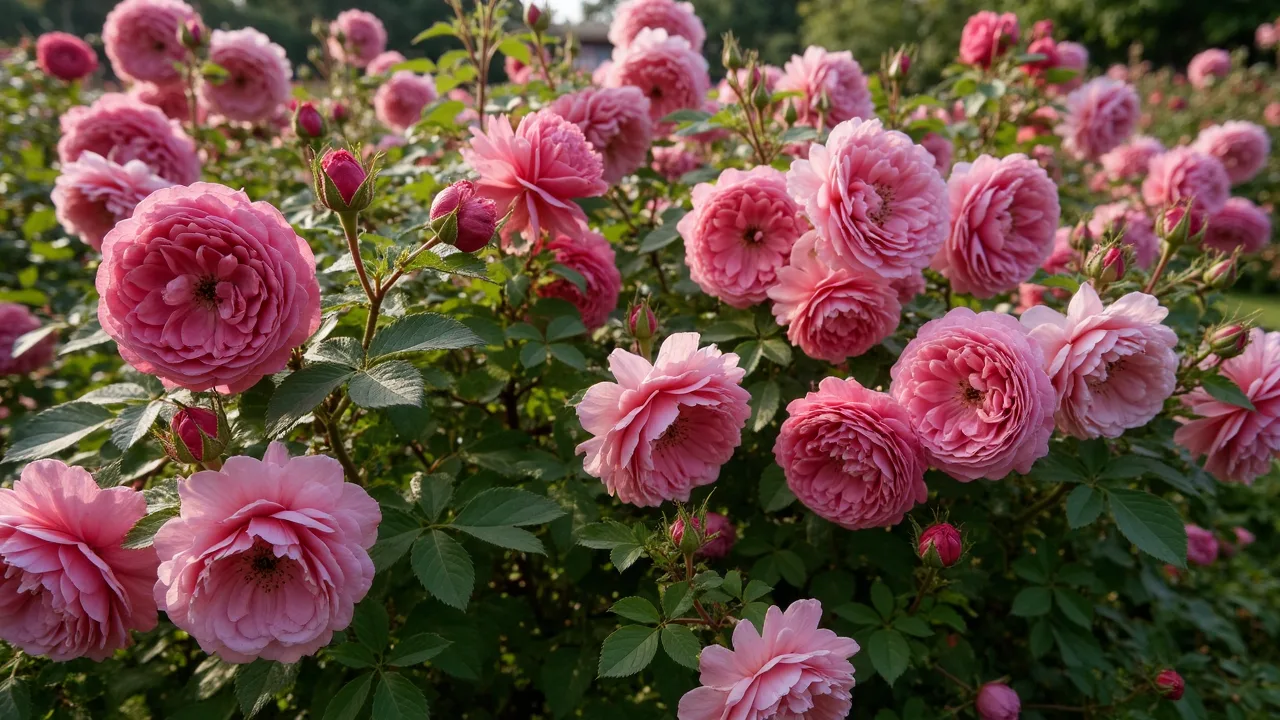
Why June matters in the UK garden
June is the pivot point of the gardening year. The long days (around 16–17 hours of daylight at the solstice on the 21st) and reliably warmer soil — usually holding 15–18°C in the south by mid-month — turn May's tentative growth into a flush that needs directing. The RHS classifies June as high-priority for sowing, pruning, feeding and pest control: miss the window and you lose weeks of flowering, fruiting or structural growth. Northern and upland gardens run two to three weeks behind, so the dates below assume a typical lowland UK site (roughly south of Manchester / north of the Midlands); Scottish, Welsh upland and north-east gardeners should add 10–14 days to each task.
What you'll need in June
- Sharp secateurs, a pair of loppers for woody cuts, and a clean bypass pruner for roses
- A 5–10 L pressurised sprayer or a 2 L hand sprayer for liquid feed and pest treatments
- Tomato fertiliser (a balanced high-potash feed such as Tomorite), fish, blood and bone, and a slow-release rose fertiliser
- Twine, soft plant ties, and 1.2 m bamboo canes
- A 60 L bag of peat-free multipurpose compost and a 40 L bag of loam-based (John Innes No. 2 or No. 3) for containers
- A soil thermometer (cheap dial type) and a watering can with a fine rose
- Mulch — 60–80 L of well-rotted bark or garden compost per square metre of bed
- Netting or horticultural fleece to cover brassicas and soft fruit
Key jobs, step by step
1. Feed fruiting and flowering crops weekly
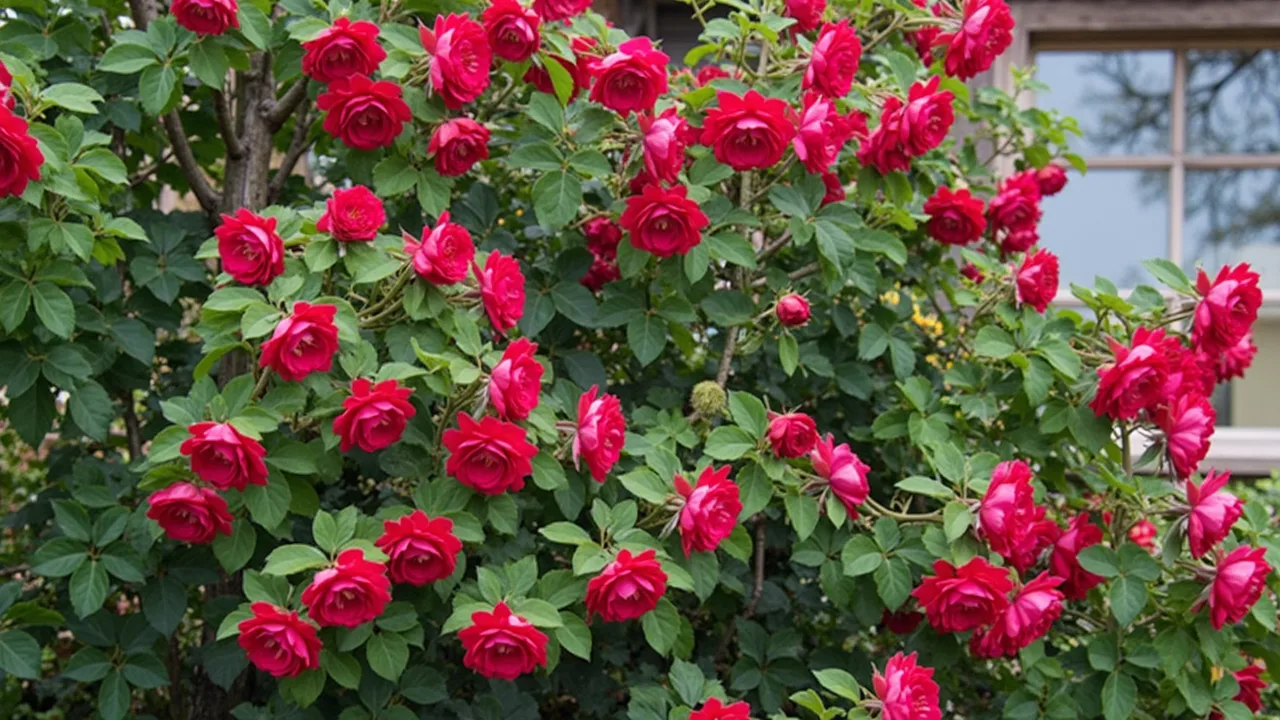
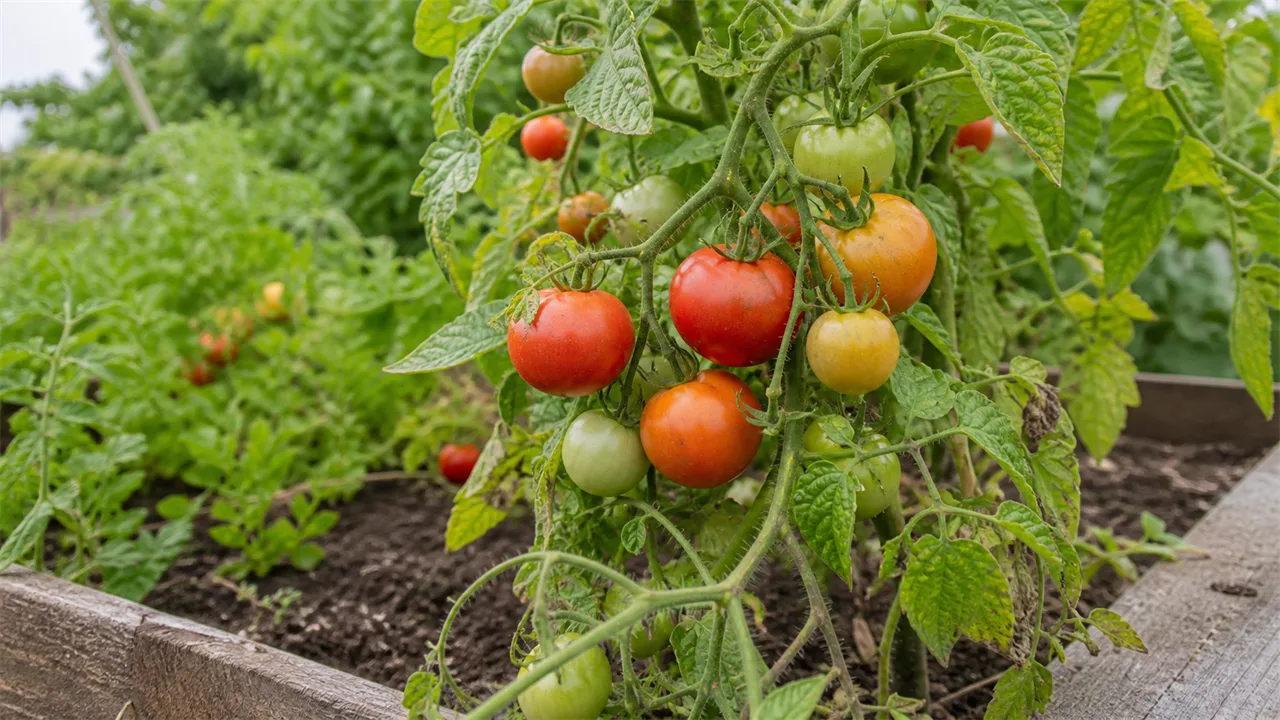
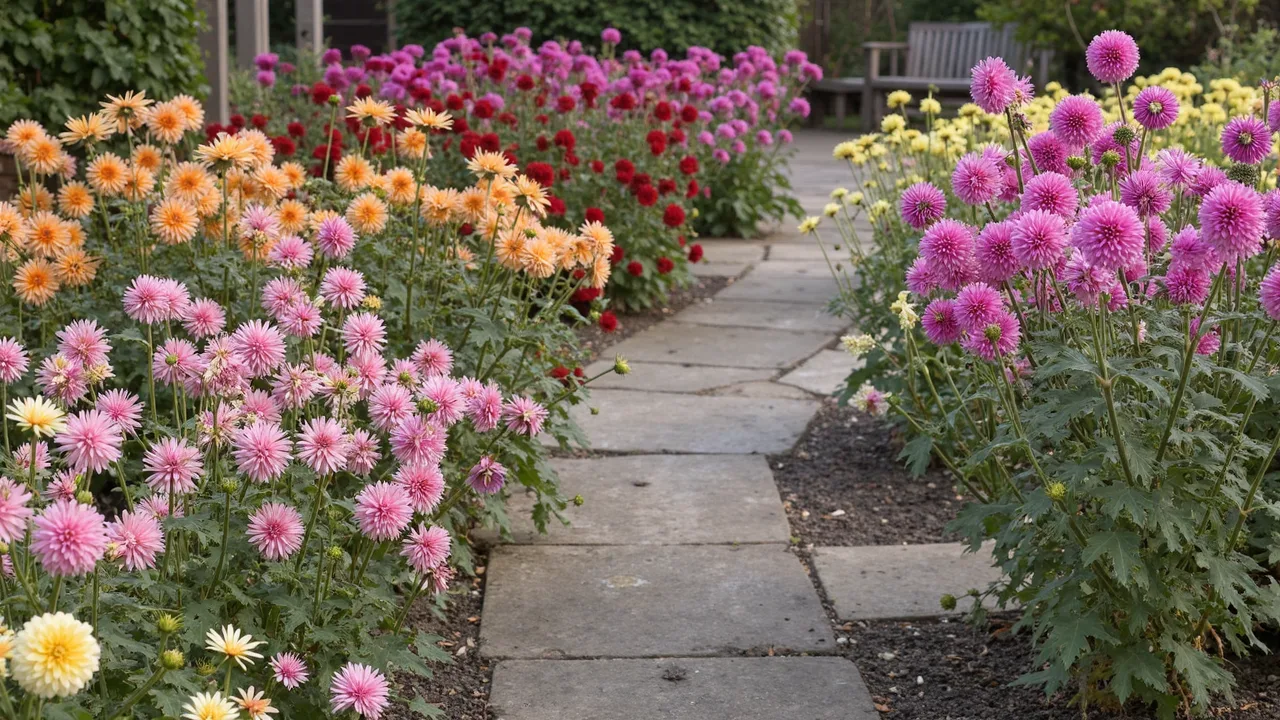
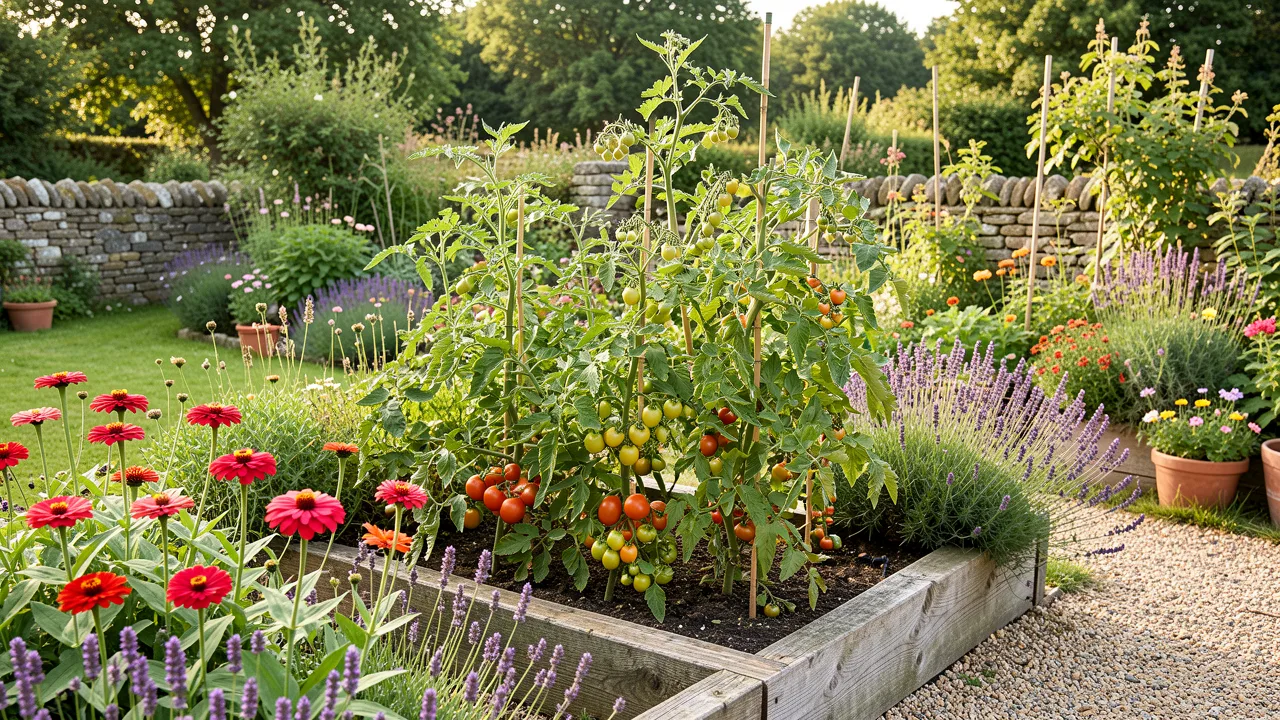
Switch tomatoes, peppers, cucumbers, aubergines, hanging baskets, and pot-grown dahlias from a balanced feed to a high-potash liquid (Tomorite diluted per the cap, roughly 20 ml per 4.5 L) once the first fruits set. Feed every 7–10 days, watering first if the compost is dry. Roses get a second granular feed at the start of June — 35 g per m² of rose fertiliser scattered to the dripline and lightly hoed in. Lawns benefit from a summer feed low in nitrogen but higher in iron and potassium if growth has slowed.
2. Pinch out, train and tie
Pinch out the growing tips of indeterminate tomatoes once they reach the top of the support or after the fourth truss has set; bush varieties are left alone. Cut the tops out of broad beans once the bottom pods are 5–7 cm long — this diverts energy to the pods and reduces blackfly. Tie in climbing roses, sweet peas, and dahlias to their supports every 7–10 days using a figure-of-eight tie that sits between the stem and the cane to prevent rubbing. Train cordon-trained apple and pear shoots to horizontal wires at 35–45° to encourage fruiting spurs.
3. Prune spring-flowering shrubs
Once the last flowers fade on forsythia, ribes (flowering currant), deutzia, and philadelphus, prune out up to one-third of the oldest stems at the base. This keeps the shrub productive: new shoots that grow this summer carry next year's flowers. Cut back choisya (Mexican orange) by one-third and feed with fish, blood and bone at 70 g per m² to encourage a second flush. Deadhead rhododendrons by snapping out the spent truss just above the new growth bud — do not use secateurs, as you risk cutting the latent bud.
4. Sow and plant for continuity
Direct-sow successional rows of lettuce, radish, spring onions, carrots (Nantes and Amsterdam types), beetroot, French beans and runner beans every 10–14 days until the end of June. Plant out brassicas (calabrese, kale, winter cabbages, purple sprouting) started in modules in April, spacing 45–60 cm apart in firm ground, and cover with fine mesh to keep cabbage white butterflies off. Plant out leeks raised in pots: trim the roots to 2 cm, the leaves to 15 cm, drop into 15 cm deep holes made with a dibber, and water in. Do not backfill — the holes fill naturally.
5. Water, mulch and weed
Water deeply but infrequently: 10–15 L per m² on beds, 2–3 L per standard tomato pot, applied in the morning so foliage dries before nightfall. Mulch moist, weeded beds with 5–7 cm of compost or bark — this cuts evaporation by around 70% in trials and suppresses annual weeds. Container-grown plants in full sun may need watering twice daily in a heatwave. Hoe annual weeds on a dry day so the cut tops wilt and die rather than re-rooting.
6. Stake and support before it's needed
Stake taller perennials — delphiniums, hollyhocks, asters, peonies — before they reach 60 cm, using link stakes or a frame of canes and twine. Push supports in 10–15 cm from the crown to avoid root damage. Net strawberries, currants and cherries against birds the moment the fruit starts to colour; the four days between green and ripe is roughly the window birds have to find it.
Common mistakes
- Overfeeding tomatoes with nitrogen. Lush growth, no fruit, dark green leaves — switch to a high-potash feed immediately.
- Pruning plums, cherries or other Prunus species in June is fine, but pruning in winter invites silver leaf disease; always prune in dry summer weather.
- Watering in full midday sun is wasteful (up to 30% evaporates) rather than harmful — the "leaf scorch" myth is largely false — but morning or evening is more efficient.
- Mulching dry soil. Always water the bed first; a mulch on dry ground locks dryness in.
- Leaving the main stem of tomatoes unpinched on cordons produces a tangled plant with small late fruits; pinch the tip once four to five trusses have set.
- Planting out tender bedding before the last frost. In most of the UK, the safe date is after 1st June in the south and after 7th June further north, but check the 7-day forecast — late frosts hit in 2023 and 2024.
Troubleshooting and quick fixes
- Tomato blossom end rot (black sunken base on fruit): usually irregular watering, not calcium deficiency. Even out moisture with consistent watering and a 5 cm mulch.
- Powdery mildew on roses, courgettes or aquilegias in dry spells: spray with a 9:1 water:milk mix every 5–7 days, prune out congested growth to improve airflow, and water at the base.
- Blackfly on broad beans and nasturtiums: pinch out soft tips, then spray with soft soap at 10 ml per litre; encourage ladybirds by leaving a patch of nettles nearby.
- Rose aphids on buds: squashing by hand is effective for a few plants; for large infestations, use a fatty-acid spray in the evening when bees have finished foraging.
- Leatherjackets (cranefly larvae) eating lawn roots: water the lawn in June, then cover with black plastic overnight; the grubs come to the surface by morning and can be collected.
- Clematis wilt: cut affected stems to healthy growth, water well, and apply a mulch — the plant usually regrows from below ground.
UK-specific timing and climate notes
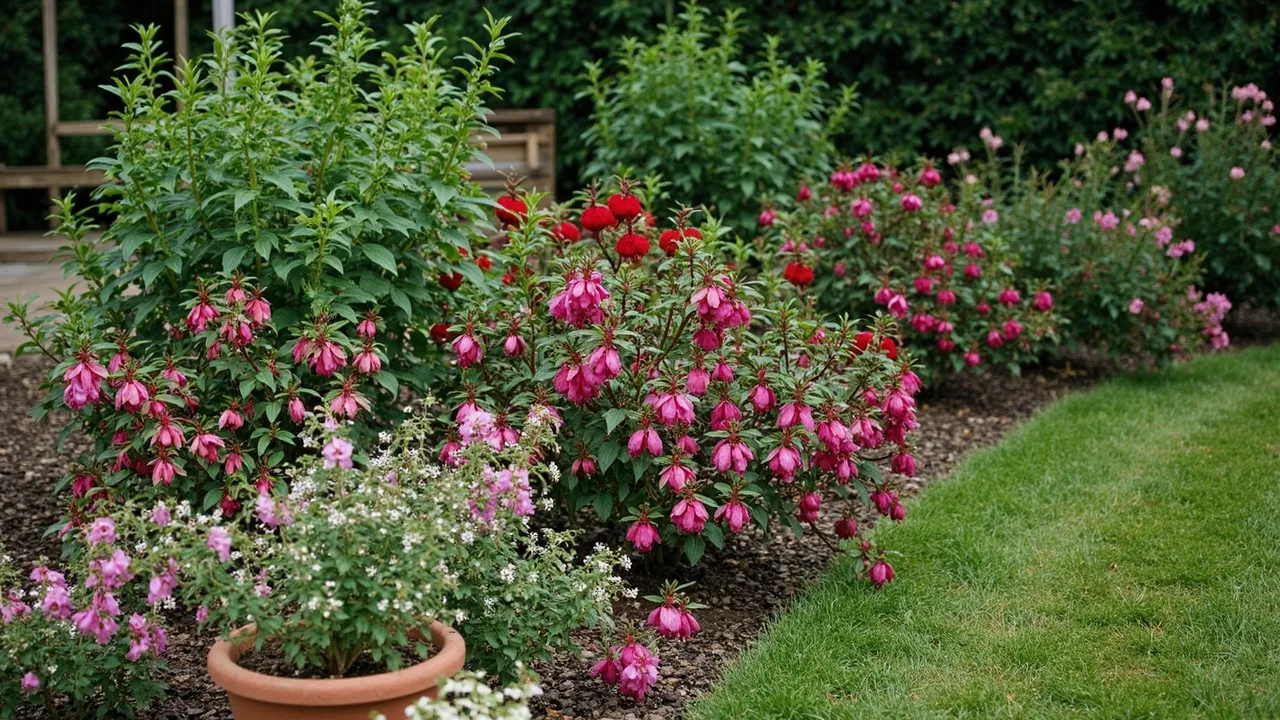
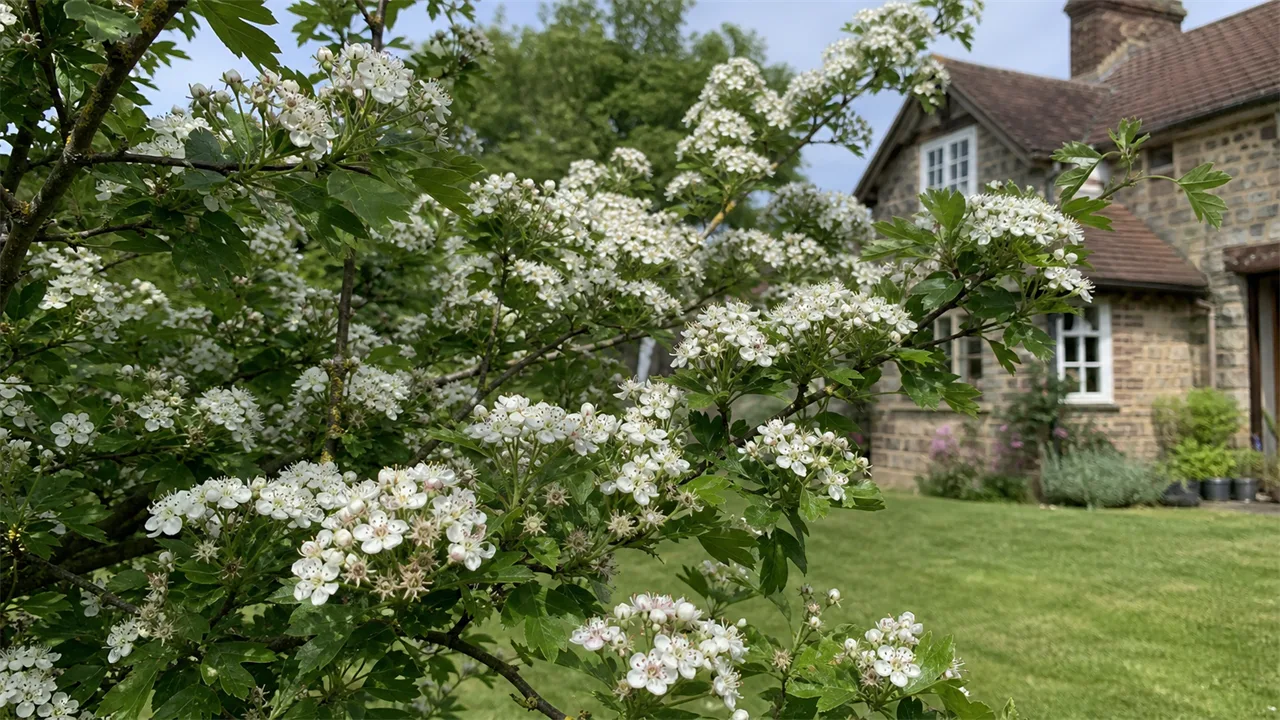
June rainfall averages 55–75 mm in southern England, 70–90 mm in the north and west; an unusually dry June (under 30 mm) — as in 2025 — means the watering routine above is non-negotiable. Pollinator-friendly planting reaches its peak: leaving dandelion, clover and lavender to flower supports bees, hoverflies and moths. The longest day (21st June) is the cue to start "the Chelsea chop" in reverse — finish summer-flowering perennial staking — and to take softwood cuttings of fuchsias, pelargoniums and penstemons for next year. Pond maintenance is easiest now: thin blanket weed by hand, remove blanket-weed build-up, and top up water lost to evaporation with tap water left to stand for 24 hours. Finally, check nesting birds before any major hedge cut; the RSPB advises waiting until late July to trim hawthorn and privet.
Plants in this guide
Recommended Products
GardenWizz earns a commission from qualifying purchases made through affiliate links on this page (including links within the article) — as an Amazon Associate, and from Thompson & Morgan via the Awin network. This does not affect the price you pay. See our disclaimer for details.
Related Articles
More → Seasonal Care
Gardening Jobs for September
21 July 2026This month demands focused action to ensure your garden thrives through the seasons, capitalising on the UK’s lingering autumnal conditions.
 Seasonal Care
Gardening Jobs for August
21 July 2026This guide gives you the precise tasks to keep your garden thriving through the dog days, grounded in established RHS and UK horticultural practice.
 Seasonal Care
Gardening Jobs for December in the UK
19 June 2026December in the UK brings shorter days, crisp air, and the quiet rhythm of the dormant season. While the garden may seem asleep, there’s vital work to do to protect your plants, prepare for spring,…