Polyanthus Primrose
Primula danova
The Gardening Year
Best months in UK gardens · full planting calendar →
🖨 Printable care card (PDF)At a Glance
| Botanical name | Primula danova |
|---|---|
| Common name(s) | Polyanthus primrose |
| Family | Primulaceae |
| Plant type | perennial (Semi evergreen) |
| Height × Spread | 10–50 cm × 10–50 cm |
| Position | Full sun, Partial shade |
| Soil | fertile, humus-rich, moist but well-drained soil |
| Flowering | March–May |
| Toxicity | — |
| Native range | temperate Northern Hemisphere, south into tropical mountains in Ethiopia, Indonesia, and New Guinea, and in temperate southern South America |
Primula danova is a compact spring-flowering perennial valued for its vivid, closely held blooms and neat rosettes of foliage. It suits containers, shaded borders, woodland edges and informal naturalising in gardens across the UK, provided the soil remains reliably moist without becoming waterlogged.
Overview
Primula danova belongs to the Primulaceae and is grown as a low, clump-forming herbaceous perennial. The name is used for the Danova group, in which selected clones can offer a broad range of saturated flower colours. Plants are particularly useful where early colour is needed at ground level, including the front of a border, a shaded patio container or the edge of a woodland-style planting.
This primula is well suited to British conditions. It appreciates the cool, damp growing season typical of spring and performs best where summer soil does not dry out completely. In exposed gardens, its low habit gives it some protection from wind, while partial shade helps flowers and leaves avoid the stress of strong midday sun. It can also be naturalised in short grass, though competition from vigorous grass and nearby perennials should be monitored.
The structured plant record carries the plant's hardiness rating; the value is best checked there when choosing a site. In practical UK gardening terms, a sheltered, well-drained position and protection from prolonged waterlogging are more important than attempting to create unusually warm conditions. Autumn and early spring are the main planting windows. Flowering is generally a spring event, followed by a period of leaf growth that helps the plant build strength for the next season.
Appearance
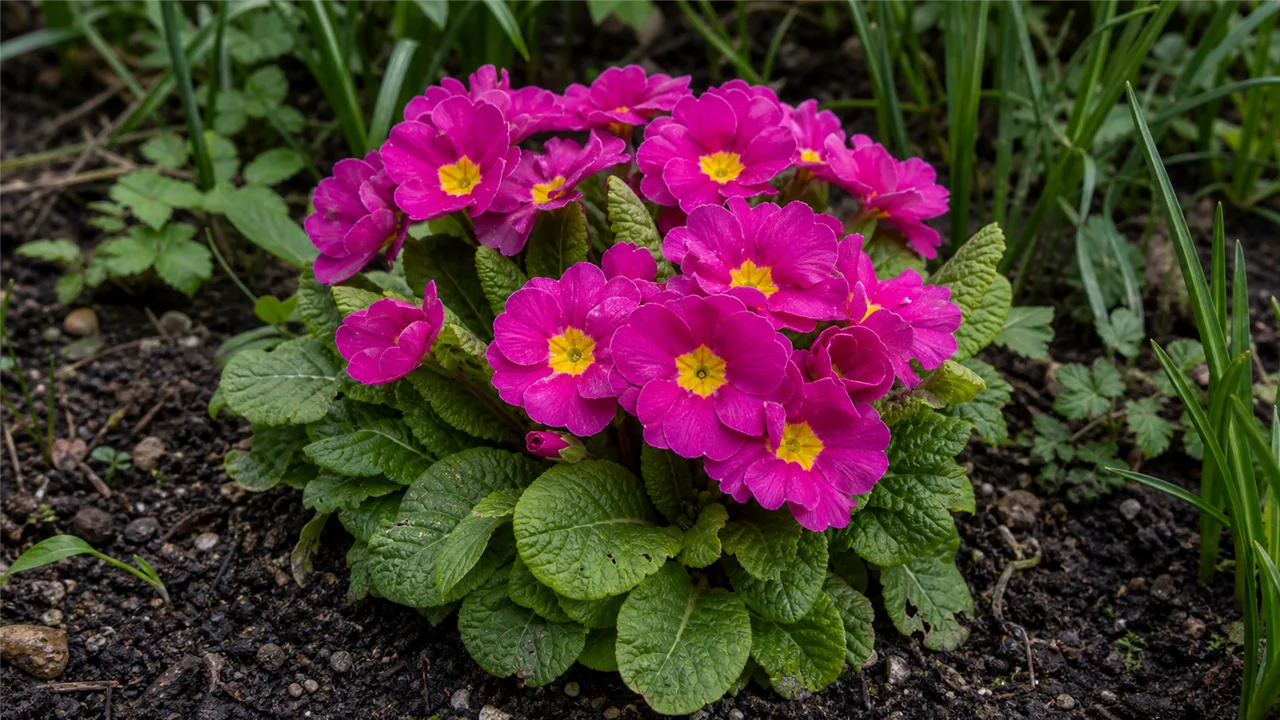
Primula danova forms a low rosette of oval to oblong leaves. The foliage is usually mid- to dark green, slightly fleshy and scalloped or serrated along the margins. Leaves remain close to the ground, creating a tidy base that works well beside paths or beneath taller spring plants. Their texture also provides contrast with fine grasses, ferns and the softer leaves of woodland perennials.
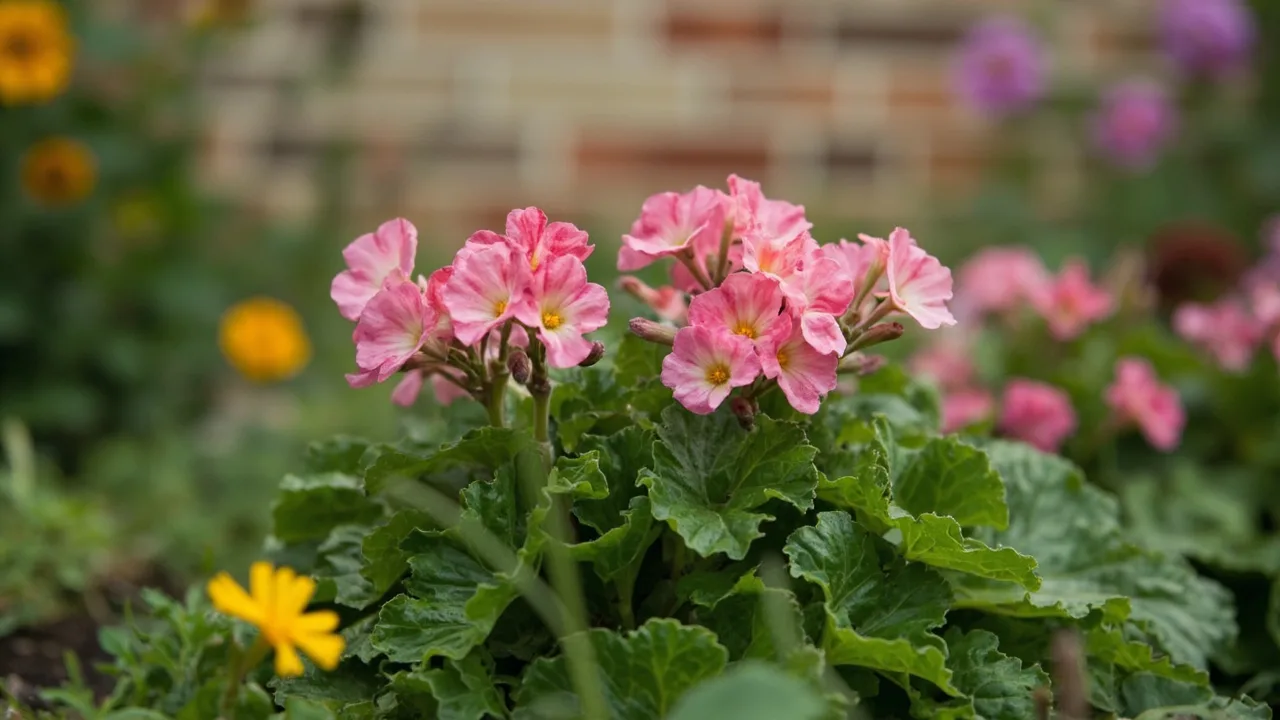
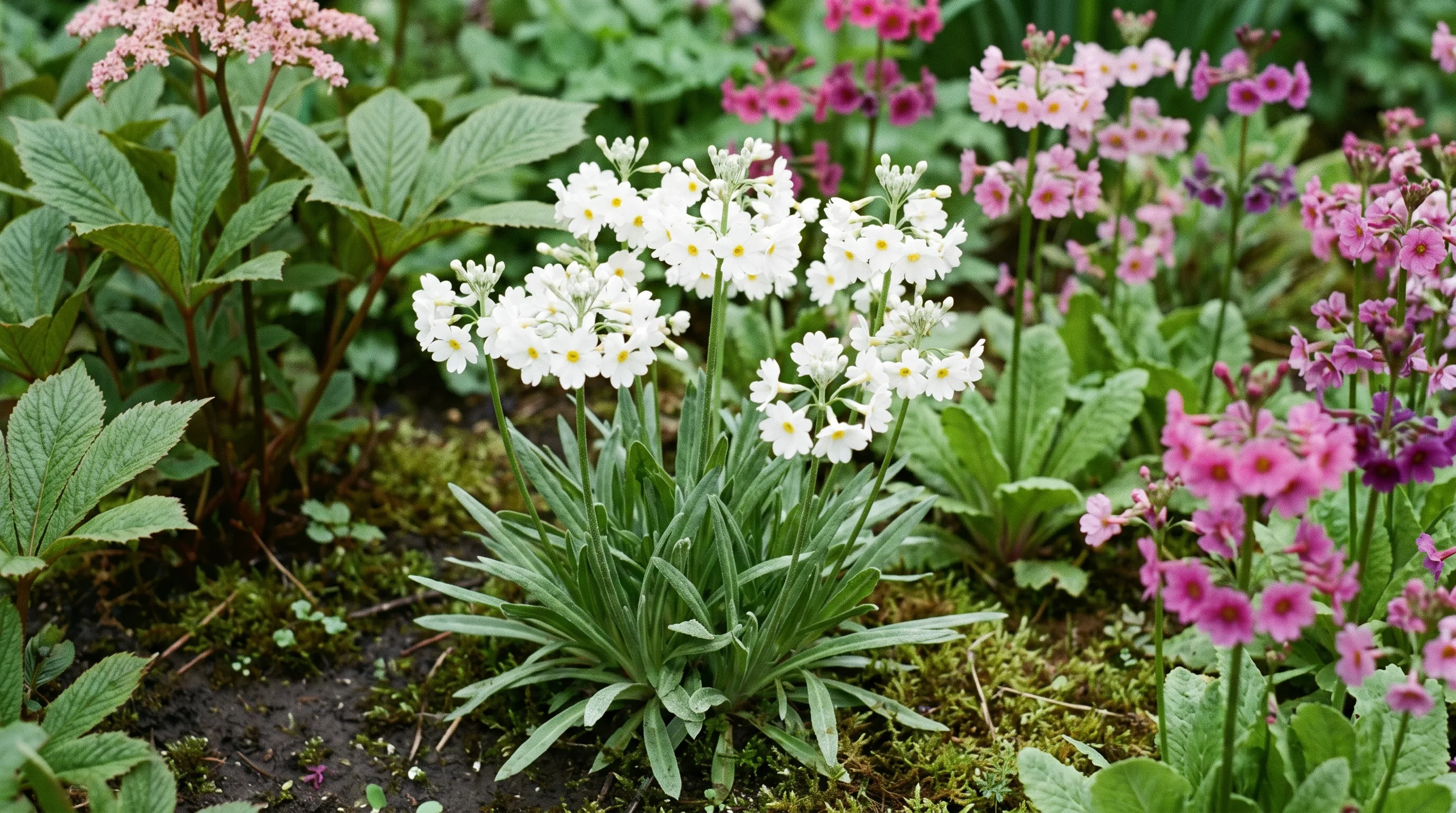
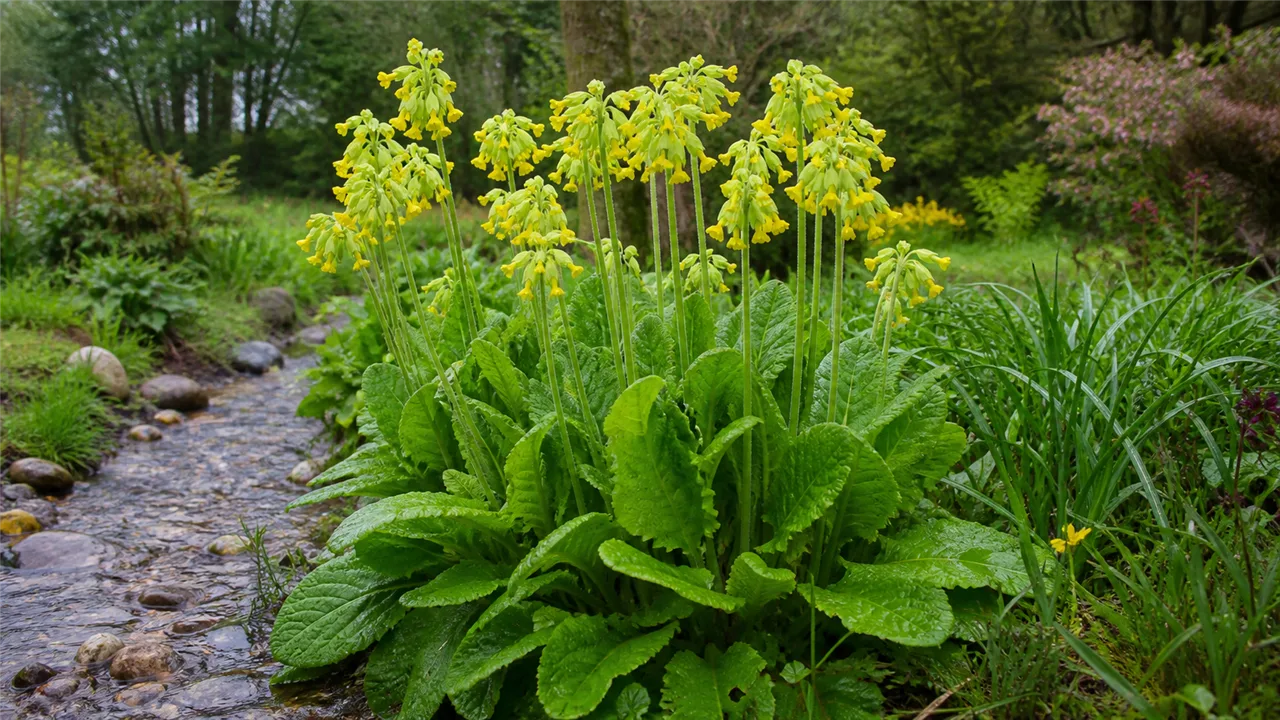
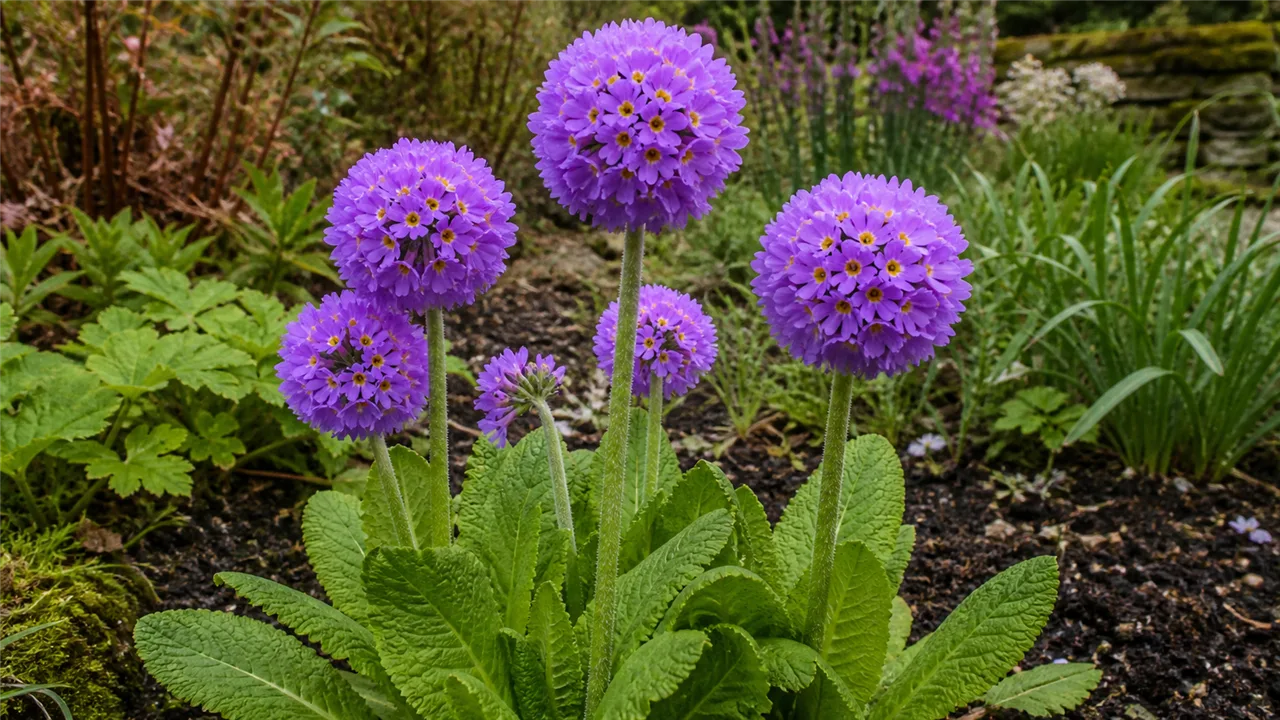
Short flower stems rise from the centre of the rosette, carrying compact clusters or umbels of flowers. The Danova group is not limited to one flower colour: available selections may show rich yellows, reds, pinks and bicoloured combinations. This variation makes it important to identify a named plant from its nursery label rather than assuming every plant sold under the group name will look identical.
At full bloom, plants typically reach about 15–25 cm in height. Their modest scale makes them effective when planted in groups, repeated along a border edge or combined in a container display. A mass of flowers can provide a strong block of colour without overwhelming nearby plants. Spent blooms can be removed for a tidier display, while selected stems may be left if naturalising or self-seeding is wanted.
The flowers are most conspicuous in spring, when the low foliage and bright clusters are easy to see from a path or patio. In a mixed planting, pair the plant with other moisture-loving shade plants that will not smother the rosettes. Avoid placing it behind dense, broad-leaved plants that hide the short stems once they come into bloom.
Growing Conditions
Light shade is the safest position. Primula danova prefers partial shade and tolerates dappled shade, such as the shifting light beneath deciduous trees or at the edge of a shrub border. It may cope with brighter conditions if the soil stays moist, but strong midday sun can scorch foliage, shorten the display and increase the risk of drought stress. In containers, morning sun with afternoon shade is a useful arrangement.
The soil should be moisture-retentive, rich in humus and well drained. Incorporate leaf mould or well-rotted organic matter before planting to improve structure and help the ground hold water between rainfalls. Although the plant needs consistent moisture, its roots should not sit in stagnant water. On heavy clay, improve drainage with organic matter and plant slightly proud of the surrounding soil if winter wet is a concern. On very light soil, regular organic mulching is especially valuable.
A neutral to slightly acidic soil is generally suitable. A simple soil test can help distinguish a pH problem from poor moisture management, but routine liming is not appropriate unless a soil test indicates a genuine need. Keep competing roots from thirsty trees and large shrubs at a distance where possible; they can remove moisture from the shallow root zone during summer.
Good air movement is helpful, particularly where plants are grown closely or in damp weather. Do not pack rosettes so tightly that foliage remains wet for long periods. A position protected from drying winds reduces watering demands and helps the short flower stems remain presentable. In the UK, the natural spring rainfall often supplies much of the plant's needs, but newly planted specimens still require attention during dry spells.
Planting and Care
Plant Primula danova in autumn or early spring, when the soil is workable and naturally moist. Dig a hole wider than the rootball, loosen the surrounding soil and set the plant at the same depth as it was in its pot. Firm gently, water thoroughly and apply a light mulch of leaf mould or well-rotted organic matter, keeping it clear of the crown. This prevents the central growing point from staying excessively wet.
Water newly planted specimens regularly during their first growing season, particularly in dry spring weather and through summer. Once established, plants are more resilient, but they should not be allowed to dry out repeatedly. Check containers frequently because compost dries faster than border soil. Water at the base rather than over the foliage when possible, and ensure pots have adequate drainage holes.
A yearly mulch is usually more useful than heavy feeding. Spread organic matter around, but not over, the rosette in autumn or early spring. If growth is weak in a poor soil, apply a balanced fertiliser in spring according to the product label. Avoid excessive nitrogen, which can encourage soft foliage at the expense of a balanced plant and may make dense growth more vulnerable to fungal problems.
Deadhead after flowering if a neat appearance is required or if the plant is being grown in a formal container. Remove the flower stem cleanly once the blooms have faded. Leave some stems in place if naturalising or seed production is desired, although offspring may not reproduce the exact colour or form of the parent. Remove yellowing or diseased leaves promptly, taking care not to injure the crown.
Divide established clumps every two to three years, preferably after flowering. Lift the plant carefully, tease apart or cut the crown into healthy sections, and make sure each division has roots and growing points. Replant divisions immediately at the original depth and water them in. Division both produces new plants and helps prevent an old clump from becoming congested. It is generally more reliable than attempting to preserve a particular named selection from seed.
Seasonal care is straightforward. In autumn, clear tired debris, check drainage and renew the organic mulch. During winter, avoid walking on wet soil around the crowns and move containers away from places where they can stand in saturated water. In spring, water newly planted plants, watch for slugs and snails as growth emerges, and deadhead through the flowering period. During summer, maintain moisture during drought and keep surrounding vegetation from encroaching on the rosettes.
Common Problems
Slugs and snails are among the most frequent problems, particularly when fresh leaves emerge in cool, wet weather. Inspect plants regularly, remove pests by hand where practical and keep the immediate area free from hiding places. If control is needed, use a currently approved product exactly as its label directs, or consider an appropriate biological method.
Aphids may gather on young leaves, flower stems and developing buds. Small infestations can often be dislodged with a strong jet of water. Encourage natural predators such as hoverfly larvae and ladybirds, and avoid broad-spectrum insecticides where they are unnecessary. Persistent infestations on container plants may need closer inspection of new growth and improved general growing conditions.
Powdery mildew is more likely when plants experience dry roots combined with stagnant air. The foliage can develop a pale, dusty coating. Improve spacing and air circulation, water the soil during dry periods and remove badly affected leaves. Avoid wetting foliage late in the day. Repeated disease can indicate that the plant is too crowded or growing in a position that is simultaneously dry at the roots and humid around the leaves.
Grey mould, or Botrytis, can develop during prolonged wet weather, especially in crowded plantings or where dead flower material remains against healthy tissue. Remove affected flowers and leaves promptly and dispose of them rather than adding diseased material to home compost. Better spacing, good drainage and careful watering reduce the risk.
Vine weevil is a particular concern in containers. Adult beetles notch leaf edges, while the larvae feed on roots and can cause sudden wilting. Inspect the compost when repotting and use an appropriate nematode treatment during the conditions specified on its label. Keep plants vigorous and avoid allowing pots to become chronically waterlogged, which can compound root damage.
Popular Varieties
The Danova group contains selected clones rather than one uniform flower form, so flower colour and markings can vary. Plants should be bought under a named nursery label when a particular colour is required. The research brief does not identify verified named cultivars for this entry, so no cultivar names are listed here rather than risking invented names or attributing unsupported RHS information.
In practice, colour selection is the main choice offered to gardeners: yellow, red, pink and bicoloured flowers are reported within the group. Choose plants that have compact, healthy rosettes, clean leaves and several firm flower stems. A mixed tray can create a lively spring display, while repeated plants of one labelled selection give a calmer, more coordinated effect.
Whatever the selection, check that the plant is genuinely labelled Primula danova or as a Danova-group primrose, and retain the label for future reference. Flower colour alone is not a dependable way to identify a clone. For the best result, combine selected plants with compatible shade-tolerant perennials and maintain even moisture through establishment and summer drought.
Pests and Diseases
| Problem | Symptoms | Management |
|---|---|---|
| Slugs and snails | Irregular holes chewed in leaves and flowers, often accompanied by slimy trails. | Use physical barriers like copper tape or hand-pick at night; avoid chemical pellets where possible. |
| Vine weevil | Notched leaf margins on seedlings and root damage causing wilting in potted plants. | Apply biological nematodes to the soil in autumn or use resistant pots; inspect roots regularly. |
| Leaf spot | Circular brown or black spots on leaves, sometimes with yellow halos, leading to leaf drop. | Improve air circulation and remove infected leaves immediately to prevent spread. |
| Primula rust | Clusters of tiny, cup-like orange or brown spore structures on the undersides of leaves. | Remove affected foliage promptly and ensure good ventilation around the plant base. |
| Aphids | Small green or black insects clustering on new growth, causing distorted leaves and sticky residue. | Encourage natural predators like ladybirds or blast off with a strong jet of water. |
For step-by-step help, read Controlling Aphids Naturally, Dealing with Slugs and Snails and Tackling Black Spot on Roses. Or browse the full plant problem solver to diagnose an issue by symptom.
Recommended Products
GardenWizz earns a commission from qualifying purchases made through affiliate links on this page (including links within the article) — as an Amazon Associate, and from Thompson & Morgan via the Awin network. This does not affect the price you pay. See our disclaimer for details.