Autumn Sage
Salvia greggii
The Gardening Year
Best months in UK gardens · full planting calendar →
🖨 Printable care card (PDF)At a Glance
| Botanical name | Salvia greggii |
|---|---|
| Common name(s) | Autumn sage |
| Family | Lamiaceae |
| Plant type | perennial |
| Height × Spread | 30–122 cm × — |
| Position | Full sun |
| Soil | light, moderately fertile, well-drained soil |
| Flowering | June–November |
| Toxicity | — |
| Native range | southwest Texas, through the Chihuahuan Desert and into the Mexican state of San Luis Potosi |
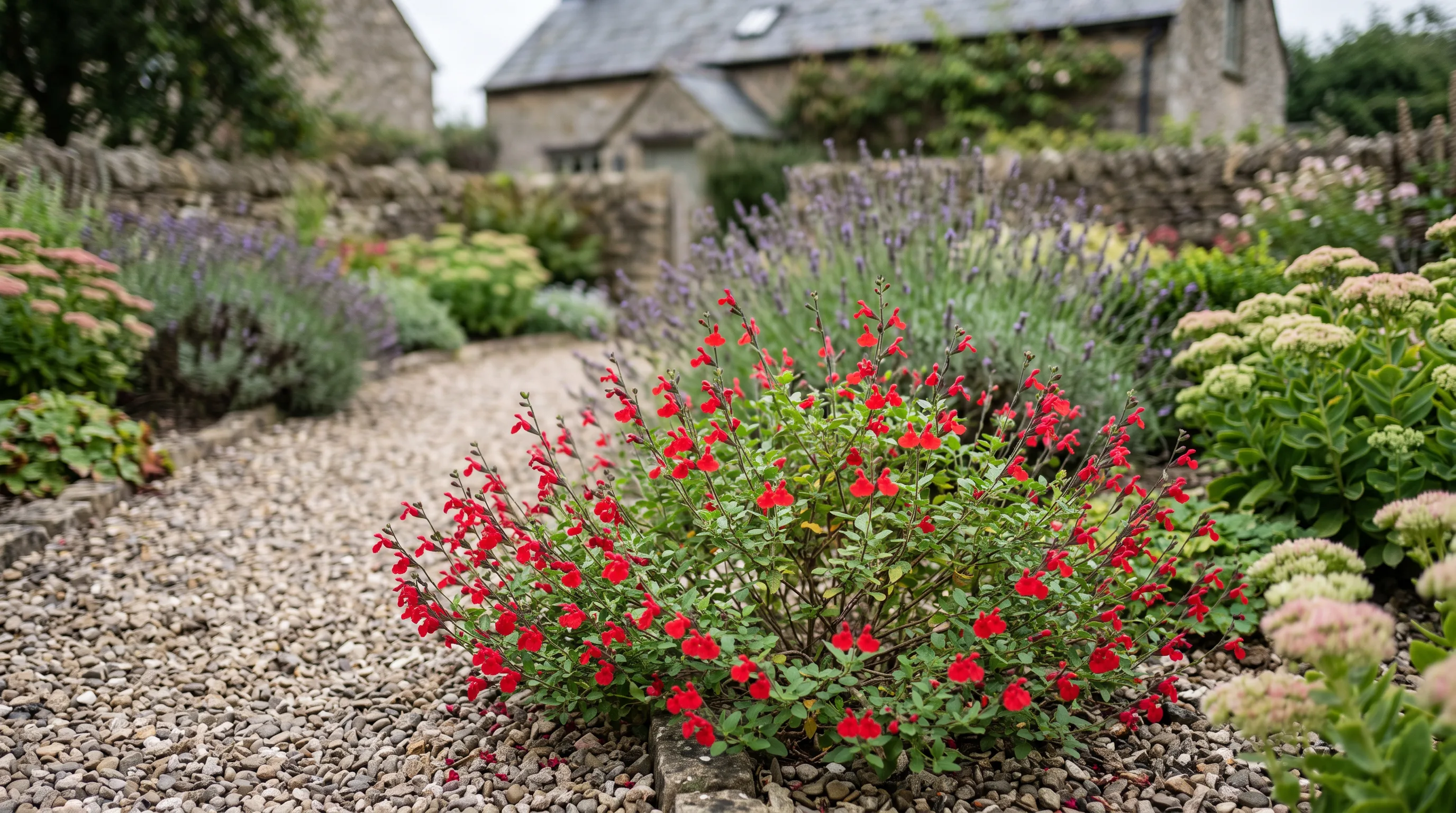
Salvia greggii, commonly called autumn sage, is a compact, aromatic subshrub valued for its long display of nectar-rich, two-lipped flowers. It suits sunny UK borders, gravel gardens and containers where sharp drainage and shelter protect the woody crown through winter.
Overview
Native from Texas into north-eastern Mexico, Salvia greggii belongs to the mint family, Lamiaceae. In its natural range it grows as a woody-based plant in dry shrubland, an origin reflected in its preference for sun, warmth and freely draining ground. The common name autumn sage describes its strong late-season performance, although established plants generally begin flowering in summer and continue into autumn. The species is ornamental rather than the culinary sage normally used in cooking.
Its compact scale makes it useful where a larger shrub would be overwhelming. A single plant can soften the front or middle of a sunny border, while repeated plants create a loose, colourful edge. It also combines well with ornamental grasses, silver-leaved plants and other drought-tolerant perennials in gravel or Mediterranean-style schemes. In a container it provides months of colour on a warm patio, provided excess water can escape freely.
The flowers supply nectar over a long period and are visited by bees and other pollinating insects. This makes autumn sage a valuable bridge between the main summer display and the reduced supply of flowers later in the year. Plants are generally easy to manage once established, but wet winter soil, cold exposure and pruning at the wrong time can shorten their lives. Site selection is therefore more important than rich feeding or frequent irrigation.
In much of the UK, success depends on local conditions. Plants perform best against a sunny wall, in a sheltered courtyard or in a raised, free-draining border. Gardens with heavy clay, exposed inland sites or prolonged winter wet require extra care. Container-grown plants can be moved to a protected position during severe weather, while stock plants can be insured against loss by taking cuttings each year.
Appearance
Salvia greggii forms a many-branched mound, with stems arising from a woody base. Young shoots are slender and flexible, gradually becoming firmer as the season advances. The habit varies among cultivars: some remain neat and rounded, while others grow more loosely and may open out after heavy rain or in fertile, shaded soil. Mature plants commonly occupy roughly the same width as height.
The leaves are small, opposite and oval to elliptic, with a mid- to deep-green surface. Fine hairs may give them a slightly soft appearance. When brushed or crushed, the foliage releases a distinctive aromatic scent. Leaf retention depends on the weather and site: plants may remain leafy in a mild, sheltered garden but lose much of their top growth after cold or frost. Fresh shoots then emerge from surviving wood in spring.
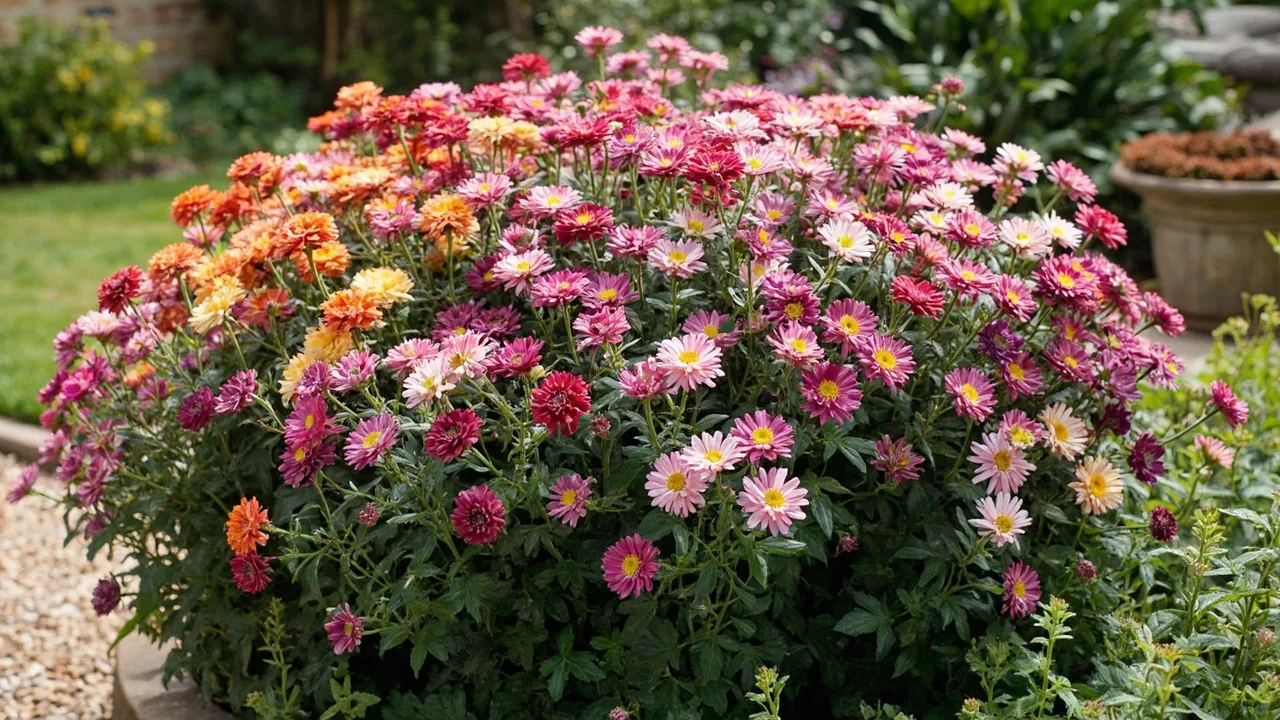
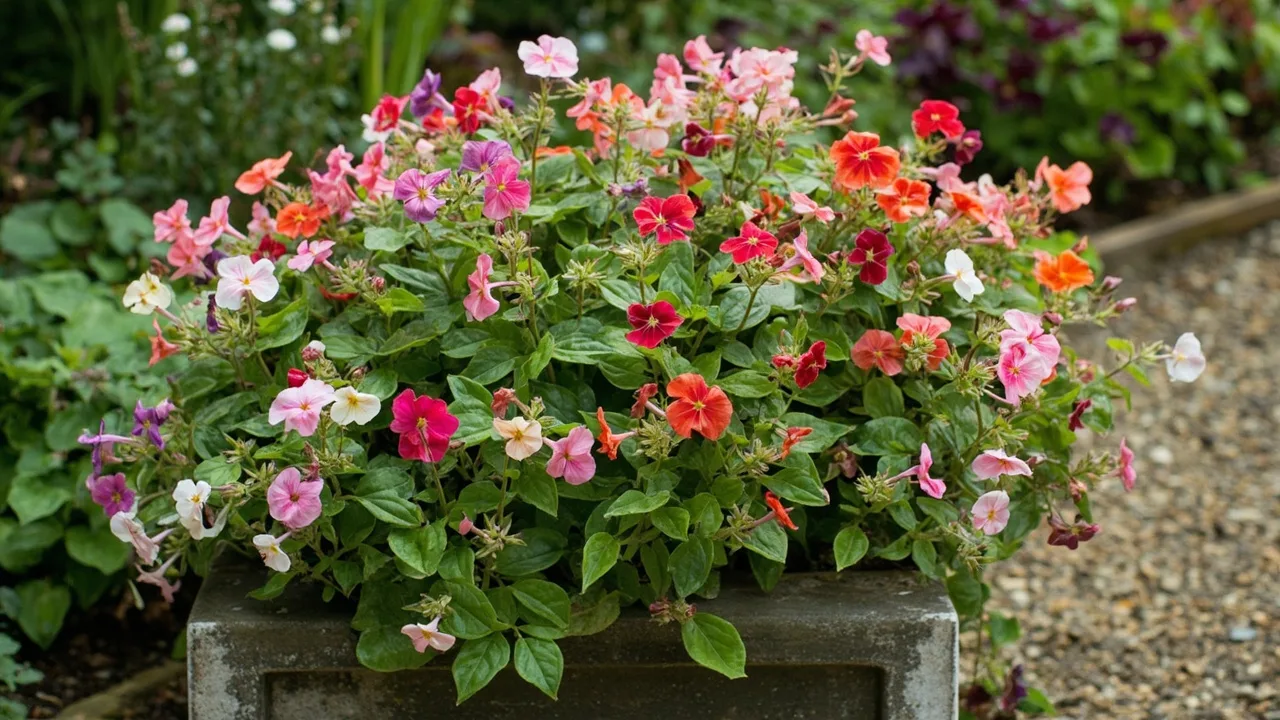
Flowers are carried in loose terminal racemes above and among the foliage. Each bloom has the characteristic salvia form, with a tubular base and two unequal lips. Wild plants are often red, but cultivated selections broaden the palette to scarlet, crimson, coral, pink, white, violet, yellow and bicoloured combinations. The open arrangement of the flowers gives the plant a light texture rather than a solid block of colour.
Flowering is prolonged because new shoots continue to develop buds through summer and early autumn. Regular removal of faded clusters can keep the plant tidy and encourage further flushes, although healthy plants often continue without intensive deadheading. Colour expression and flower quantity can vary with temperature, sunlight and moisture. A position with insufficient sun usually produces softer growth and fewer blooms.
Growing Conditions
Choose the sunniest available site. A south- or west-facing aspect gives the warmth needed for compact growth and abundant flowering, particularly in cooler regions. Shelter from persistent wind limits stem damage and creates a warmer microclimate. Avoid planting beneath dense shrubs or beside vigorous perennials that will shade or crowd the crown.
Drainage is the principal soil requirement. Light loam, sand and chalk-based ground are all suitable when water moves through readily. The plant tolerates a wide pH range and does not need highly fertile soil. Very rich ground can encourage lush, sappy shoots at the expense of flowers and winter resilience. On clay, incorporate coarse mineral material through a broad planting area, raise the crown above the surrounding level or use a raised bed; adding grit to only a small planting hole can leave roots sitting in a water-filled sump.
Once rooted deeply, autumn sage copes with short dry spells, but drought tolerance does not mean that a newly planted specimen can be neglected. Establishment requires consistent moisture without saturation. Container plants dry much faster than those in the ground and need closer attention throughout warm, windy weather. A peat-free, loam-based compost opened with horticultural grit or another coarse drainage material gives a useful balance of moisture retention and aeration.
UK winter conditions test the plant through the combination of cold and wet. Leave space around it for air movement, keep the crown clear of fallen leaves and avoid sites where rain collects. A wall-side border, gravel garden or sloping bed is often more reliable than a low, heavy border. In colder or exposed districts, grow a valued specimen in a pot that can be moved under cover, or take late-summer cuttings as replacements.
Planting and Care
Plant in spring, once the soil is warming and the harshest frosts have passed. April to June is usually preferable to autumn planting because the roots then have a full growing season to establish before winter. Water the plant in its nursery pot, set it at the same depth as it was growing and firm gently. On moisture-retentive ground, position the rootball slightly proud and grade soil away from the crown. Allow enough room for the cultivar's expected spread rather than planting tightly for instant effect.
Water thoroughly after planting and during dry spells in the first growing season. Let the upper layer of soil begin to dry between waterings; repeated light sprinkling encourages shallow rooting, while constant wetness promotes root and crown decay. Established border plants usually need supplementary water only during prolonged drought. Check pots regularly from late spring to early autumn, watering until liquid drains from the base and emptying saucers so the compost is not left saturated.
Feeding should be restrained. In open ground, a light spring mulch of garden compost around, but not over, the woody crown is normally sufficient. Avoid high-nitrogen fertilisers, which produce soft foliage and reduce flowering. Container plants exhaust their compost more quickly, so apply a balanced liquid feed at a modest rate during active growth; switching to a feed with less nitrogen once buds form can support flowering. Stop routine feeding as growth slows in autumn.
Delay the main prune until spring, when new growth shows which stems have survived winter. In April or early May, remove dead, blackened or weak wood, then shorten the remaining stems to a healthy pair of buds. Do not cut indiscriminately into old, leafless wood, as it may not reshoot reliably. A light trim after the first major flush of flowers can restore a compact outline and stimulate fresh flowering shoots. Deadhead spent racemes when practical, cutting just above a leafy side shoot.
Propagation by cuttings preserves the characteristics of a named cultivar. Take non-flowering softwood or basal shoots in late spring or early summer, cutting just below a node and removing the lower leaves. Insert several cuttings around the edge of a pot of moist, free-draining propagation compost, cover loosely to retain humidity and keep them in bright indirect light. Semi-ripe cuttings taken in late summer are another option; protect rooted young plants from harsh winter weather. Seed can produce variable offspring and is not appropriate when an exact cultivar is required.
Seasonal care centres on protecting the crown. In spring, prune only after signs of new growth appear, renew the surface mulch and begin watering pots more often. Through June, July and August, water during extended dry weather and trim faded flower clusters. In September, take insurance cuttings and stop feeding. During autumn, remove debris from around the base but retain the upper framework, which offers some protection. Move pots beside a sheltered wall or into a bright, cool protected place before severe winter weather; keep compost only lightly moist. Avoid a heavy, moisture-holding mulch over the crown.
Common Problems
Root and foot rots are the most serious preventable problems. Affected plants may wilt despite damp soil, develop dark tissue at the stem bases or fail to return in spring. Poor drainage and excessive winter moisture are common causes. Remove badly decayed material and correct the site rather than repeatedly replacing plants in the same wet ground. Honey fungus and verticillium wilt can also cause decline; where these are suspected, check for characteristic symptoms and avoid moving contaminated soil or plant material.
Powdery mildew appears as a pale, floury coating on leaves, especially where roots are dry but air around crowded foliage is humid. Improve spacing, water the soil rather than wetting leaves late in the day and avoid overfeeding. Removing heavily affected shoots can reduce the amount of infected material. Good airflow and even, moderate watering are more useful preventatives than forcing lush growth.
Slugs and snails may damage tender spring shoots and young cuttings. Check around pots and sheltering debris at dusk, and protect vulnerable plants while growth is small. Leafhoppers can cause pale speckling or mottling as they feed, while rosemary beetles and their larvae may chew foliage. Light infestations seldom threaten a mature plant; inspect regularly and remove pests by hand where feasible. Encourage a diverse garden habitat rather than using broad-spectrum treatments that may harm insects visiting the flowers.
Sparse flowering most often results from shade, excessive nitrogen or overly wet soil. Move container plants into stronger light, reduce feeding and review drainage. A plant that becomes leggy may have been crowded or pruned too lightly, but severe cutting into bare old wood can make matters worse. Renovate gradually by shortening live shoots over more than one season, while rooting cuttings as a safeguard.
Winter dieback is not always fatal. Wait until spring growth begins before deciding that a plant is lost, then trace stems back to healthy buds or live tissue. Repeated losses indicate that the position is too exposed or wet. Improve drainage, use a warmer wall-side site, select a more suitable cultivar or treat the plant as a container specimen that can be protected.
Popular Varieties
- 'Furman's Red' — a vigorous selection with vivid red flowers and an upright, bushy habit; useful where a strong block of warm colour is wanted.
- 'Wild Thing' — bears bright pink flowers on a rounded plant and is widely grown for its long display.
- 'Icing Sugar' — produces distinct bicoloured pink and white flowers on a compact shrubby plant.
- MIRAGE Rose Bicolour ('Balmirrobi') — a compact selection with pink-and-white bicoloured flowers, suited to containers and the front of sunny borders.
- 'Desert Blaze' — combines red flowers with cream-edged variegated foliage, giving interest even between flowering flushes.
Cultivar names within the shrubby salvia group are sometimes applied inconsistently in retail catalogues, and hybrids involving S. microphylla or S. × jamensis may be sold alongside true S. greggii. Check the botanical name and expected mature size on the plant label when a particular species or habit is important.
SEO_TITLE: How to grow autumn sage (Salvia greggii) in the UK EXCERPT: Autumn sage is a long-flowering, aromatic subshrub for sunny, free-draining UK borders and containers, with shelter helping it through wet winters.
Pests and Diseases
| Problem | Symptoms | Management |
|---|---|---|
| Slugs and snails | Irregular holes in leaves and stems, often accompanied by silky slime trails. | Use physical barriers like copper tape or organic pellets containing iron phosphate. |
| Powdery mildew | White, dusty fungal growth on leaves and stems, potentially causing distortion. | Ensure good air circulation and water at the base to keep foliage dry. |
| Root rot | Wilting, yellowing leaves, and stunted growth despite adequate moisture. | Plant in well-drained soil and avoid overwatering, especially in winter. |
| Rosemary beetle | Small black beetles with orange markings feeding on foliage, causing notching. | Hand-pick adults and larvae or use biological controls like nematodes. |
| Leafhoppers | Tiny jumping insects causing stippled or yellowed leaves and sticky honeydew. | Spray with a strong jet of water or apply insecticidal soap if infestations are heavy. |
For step-by-step help, read Dealing with Slugs and Snails and Treating Powdery Mildew. Or browse the full plant problem solver to diagnose an issue by symptom.
Recommended Products
GardenWizz earns a commission from qualifying purchases made through affiliate links on this page (including links within the article) — as an Amazon Associate, and from Thompson & Morgan via the Awin network. This does not affect the price you pay. See our disclaimer for details.