Small-Leaved Lime
Tilia cordata
The Gardening Year
Best months in UK gardens · full planting calendar →
🖨 Printable care card (PDF)At a Glance
| Botanical name | Tilia cordata |
|---|---|
| Common name(s) | Small-leaved Lime |
| Family | Malvaceae |
| Plant type | tree (deciduous) |
| Height × Spread | 20–40 m × 8 m |
| Position | Full sun, Partial shade |
| Soil | moist but well-drained; alkaline, neutral, or acid; clay, sand, loam, chalk |
| Flowering | June–August |
| Toxicity | No specific toxicity is listed by the RHS. This is not a guarantee of safety — check with a vet or the ASPCA before pets or children eat any plant. |
| Native range | Europe, SW Asia |
Quick answer: Tilia cordata, often called small-leaved lime or littleleaf linden, is a large, long-lived deciduous tree native to much of the UK and traditionally managed as avenue, pleached screen or coppice. It grows well on moist, fertile, well-drained soil in full sun or light shade and flowers with intensely fragrant pale-yellow blossoms in midsummer.
Overview
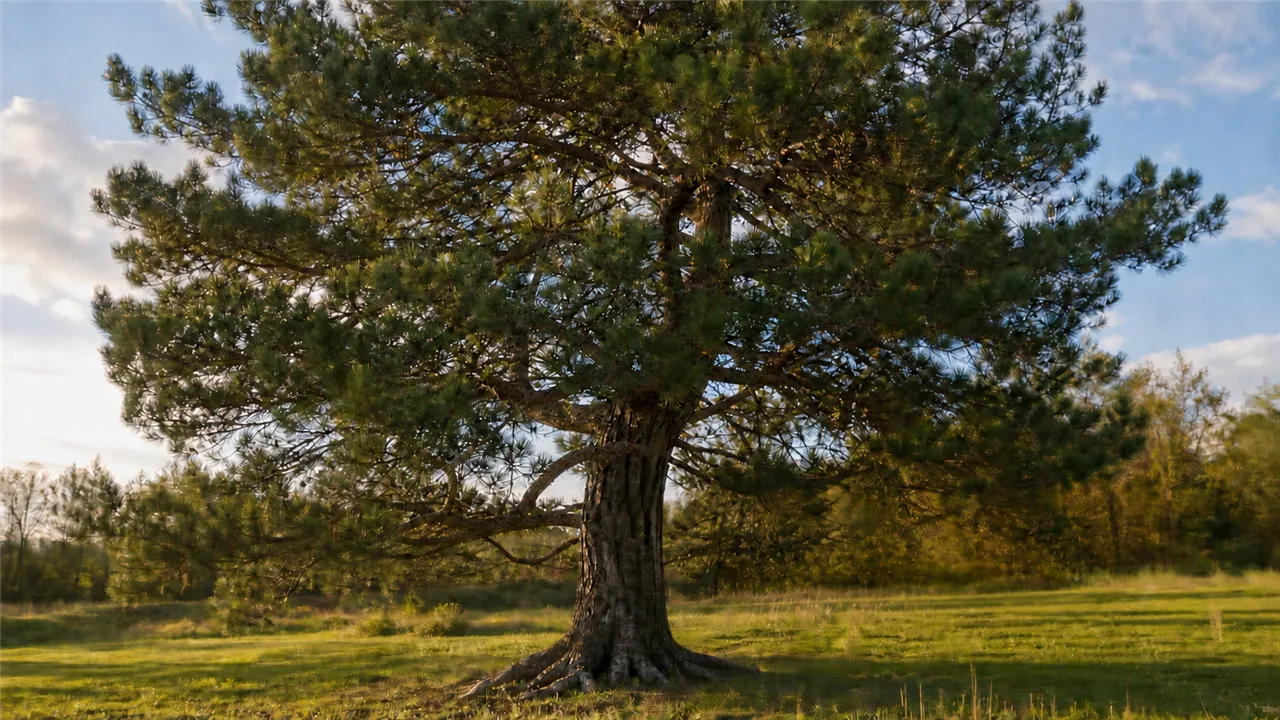
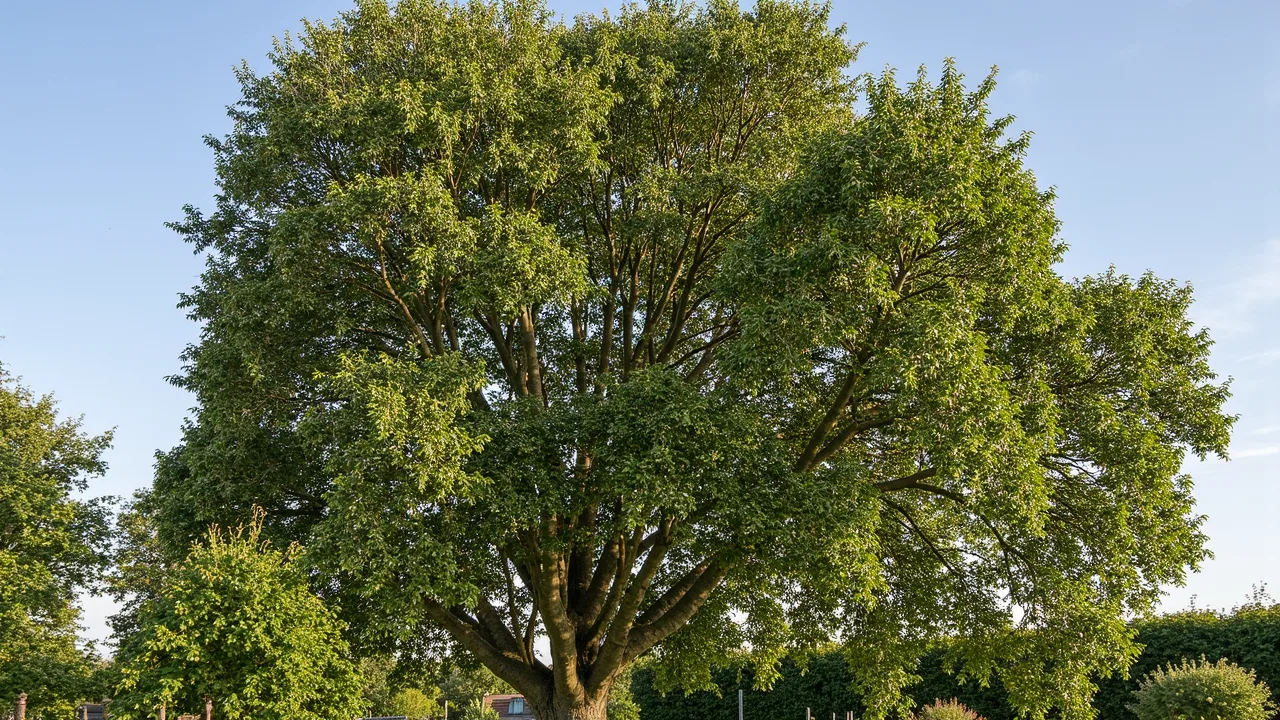
Tilia cordata is one of the few large trees genuinely native to the British Isles and remains widely planted in parks, streets and country hedgerows. It belongs to the Malvaceae family and is closely related to large-leaved lime (Tilia platyphyllos) and the hybrid common lime (Tilia × europaea). Mature specimens live for two or three hundred years and cast a cool, deep shade through high summer. In the UK the tree is most familiar as an avenue and street tree, and several ancient lime avenues still mark old estate boundaries in southern England.
Appearance
The species name cordata refers to the heart-shaped base of the leaf, the easiest way to separate it from related limes. Each blade is 4–8 cm across, broadly heart-shaped with a sharply tapered tip, dark green above and blue-green beneath, often with small tufts of rust hair in the vein axils. Young shoots of T. × europaea and T. platyphyllos are visibly downy.
Bark on young trees is smooth and grey-brown, becoming dull grey and finely fissured into vertical plates with age. In winter, twigs are slender and slightly zig-zagging with a rounded terminal bud, rather than the sticky red bud of common lime. Flowers open from late June into mid-July in clusters of four to ten; each bloom is pale lemon-yellow, about 1.5 cm across and intensely fragrant, pollinated by bees and hoverflies. The clusters hang from a long, pale-green bract that wings the ripe fruit in autumn and persists well after leaf fall.
Growing Conditions
Across most of Britain, T. cordata is straightforward where the soil is moist but not waterlogged. It dislikes permanently wet or compacted ground and sulks on thin, dry chalk without generous mulching for its first decade. Full sun produces the strongest flower display, while light dappled shade is acceptable; avoid dense, year-round shade from buildings or evergreens. pH is flexible — limes do well on mildly acid loam and on alkaline clay alike. Adding garden compost, well-rotted manure or leaf mould to the planting square gives the best start on poor soils. The main site constraint on smaller properties is wind: a mature tree carries a large sail of foliage and can shed limbs in severe summer storms, so plant well clear of houses, light structures and fruit cages.
Planting and Care
Bare-root or root-balled whips establish best from late October to early March; container-grown specimens can go in at almost any workable time. Set the tree at the same depth as it grew in the nursery, stake firmly on the windward side with a short, low stake, and water deeply through the first growing season whenever the top 5 cm of soil dries. Rabbit and deer guards are worthwhile in rural areas because young bark is soft enough to be ringed by light browsing.
Watering and feeding an established tree are modest. A spring mulch of garden compost is usually enough; an annual top-dressing of a balanced, slow-release fertiliser in March is fine on poor soil. Avoid high-nitrogen lawn feeds over the root zone, which produce soft growth prone to aphid attack. Standards need only the removal of dead, crossing or rubbing wood in midwinter. Coppiced or pleached trees are cut hard back each winter to a low framework or to the training wires — ancient management that keeps trees at 2–3 m and produces the largest leaves. Renovate and reshape in midwinter, when the tree is fully dormant.
Propagation is straightforward but slow. Seed-raised stock is the route for new plantings of the species: collect ripe bracts in October, remove the husks, and sow immediately outdoors in trays of seed compost, then leave the pots outside over winter so the seed receives a full cold period — fresh seed germinates the following spring, but stored or dried seed can need two full winters before it sprouts. Named cultivars such as 'Greenspire', 'Winter Orange' and 'Green Globe' will not come true from seed and are propagated commercially by chip budding in late summer, grafting a single bud of the cultivar onto a seedling T. cordata rootstock. Softwood cuttings taken in early summer root only with difficulty and bottom heat, so amateur gardeners wanting a particular clone are best advised to buy a grafted tree from a UK nursery rather than attempt their own budding.
Common Problems
Aphids on the underside of leaves build up in late spring and drip sticky honeydew onto cars and paving. A strong jet of water and encouraging ladybirds and hoverflies usually controls them; routine spraying harms pollinators. Sooty mould under the canopy is secondary to this honeydew — sweep hard surfaces and tackle the aphids rather than spraying the mould. Heavy summer pruning produces soft regrowth that fails to ripen before winter; always prune in midwinter. Young trees planted in late spring can wilt in their first hot summer; soak the root zone weekly, mulch well, and keep grass clear of the trunk for three years. Older or stressed specimens can develop honey fungus, showing sheets of white mycelium under the bark and dark rhizomorphs in the soil — there is no cure, so remove the affected tree, including as much of the stump as possible, and avoid replanting susceptible species on the site. The pink, finger-like leaf galls in late summer come from a harmless eriophyid mite and need no treatment.
Popular Varieties
Tilia cordata 'Greenspire' is the most widely planted UK cultivar, with a neat, narrowly conical crown that suits streets and avenues and a mature height of roughly 12–20 m. Tilia cordata 'Winter Orange' is grown for its coral-orange winter twigs and is offered by UK nurseries such as Roots Plants. Tilia cordata 'Green Globe' is a dwarf, top-grafted form that makes a low, rounded head 2–3 m across for small gardens and courtyards. Tilia × europaea (common lime) is not a cultivar of small-leaved lime but is often confused with it — it is faster-growing, coppices harder and is the lime most commonly seen as a pollarded street tree in older British towns.
Sources and Further Reading
- Royal Horticultural Society: Tilia cordata plant profile, https://www.rhs.org.uk/plants/18225/tilia-cordata/details, accessed 2026-07-22.
- Woodland Trust: Small-leaved lime, https://www.woodlandtrust.org.uk/trees-woods-and-wildlife/british-trees/a-z-of-british-trees/small-leaved-lime/, accessed 2026-07-22.
- Forest Research: Small-leaved lime (SLI) species page, https://www.forestresearch.gov.uk/tools-and-resources/tree-species-database/133243-small-leaved-lime-sli/, accessed 2026-07-22.
- BBC Gardeners' World: Tilia cordata 'Green Globe' plant profile, https://www.gardenersworld.com/plants/tilia-cordata-green-globe/, accessed 2026-07-22.
- Trees and Shrubs Online (RHS): Tilia cordata monograph, https://www.treesandshrubsonline.org/articles/tilia/tilia-cordata/, accessed 2026-07-22.
Cultivars and Varieties
| Cultivar | Height | Flower | Notes | AGM |
|---|---|---|---|---|
| 'Greenspire' | — | — | RHS AGM (H6) | ✓ |
| 'Winter Orange' | — | — | RHS AGM (H6) | ✓ |
Pests and Diseases
| Problem | Symptoms | Management |
|---|---|---|
| Aphids (Greenfly) | Clusters of small green insects on new growth and leaf undersides, secreting sticky honeydew that can drip onto surfaces below. | Encourage natural predators like ladybirds and lacewings, or wash off infestations with a strong jet of water. |
| Lime nail gall mite | Pale yellow or red pointed tubular structures up to 8mm long appear on the upper leaf surfaces between May and June. | No treatment is necessary as these galls are cosmetic and do not affect the tree's health or vigour. |
| Sooty mould | A black, powdery fungal growth coats the leaves and branches, often developing on honeydew secreted by aphids. | Control the underlying aphid infestation to remove the food source for the mould, which will then gradually wash away. |
| Horse chestnut scale | Small, immobile, shield-like insects attach to stems and branches, weakening the tree through sap feeding. | Scrape off visible scales by hand or apply a horticultural oil spray in winter when pests are dormant. |
| Phytophthora root rot | General decline in vigour, wilting foliage, and dieback of branches, often associated with waterlogged soil conditions. | Ensure the tree is planted in moist but well-drained soil to prevent waterlogging which favours the pathogen. |
| Honey fungus | White fungal threads may appear at the base of the trunk, accompanied by wilting leaves and eventual death of branches. | Improve drainage and avoid wounding the roots; severe infections may require professional arboricultural advice. |
For step-by-step help, read Controlling Aphids Naturally. Or browse the full plant problem solver to diagnose an issue by symptom.
Recommended Products
GardenWizz earns a commission from qualifying purchases made through affiliate links on this page (including links within the article) — as an Amazon Associate, and from Thompson & Morgan via the Awin network. This does not affect the price you pay. See our disclaimer for details.