
Gravel Gardens Explained
A gravel garden is a sun-baked, free-draining border where drought-tolerant perennials, silver-leaved Mediterranean shrubs and self-seeding annuals grow through a 5–7 cm mulch of decorative gravel…
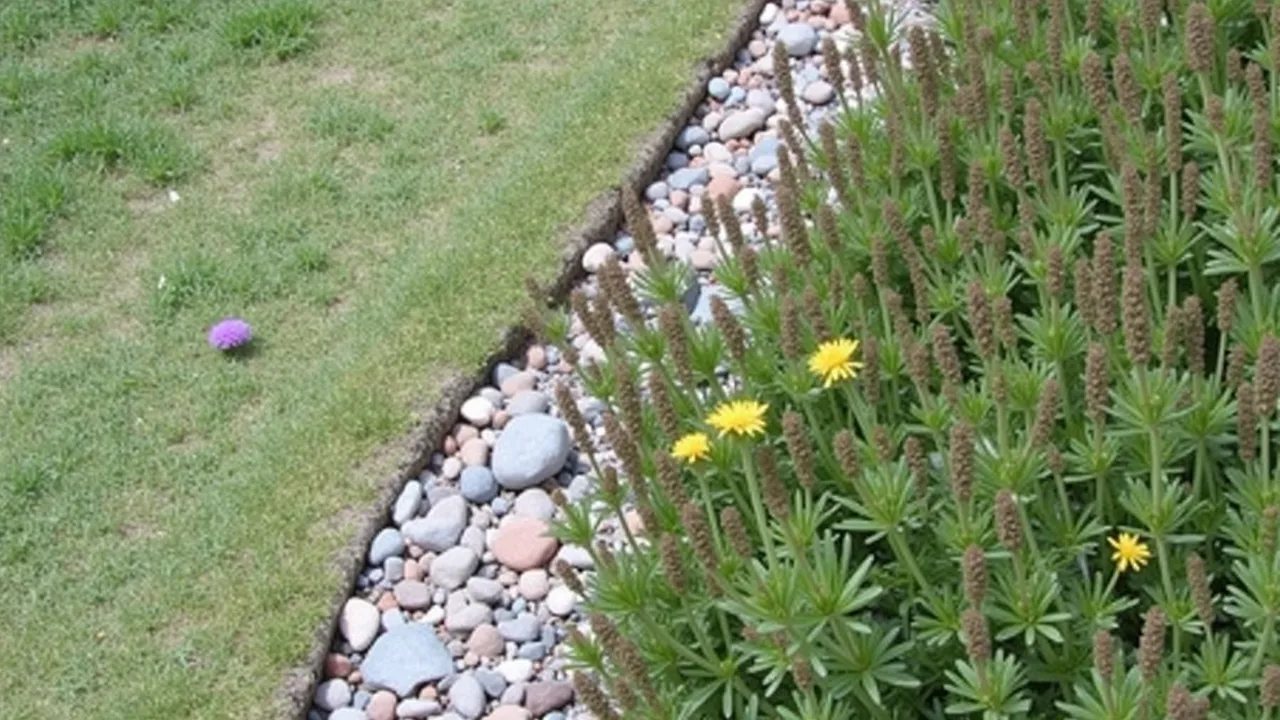
A gravel garden is a sun-baked, free-draining border where drought-tolerant perennials, silver-leaved Mediterranean shrubs and self-seeding annuals grow through a 5–7 cm mulch of decorative gravel rather than into bare soil. It is the lowest-maintenance, lowest-water style you can build in a British garden, and the one most often ruined by gardeners who copy a Beth Chatto photo without understanding the soil prep underneath it.
This guide gives you a real planting plan you can lay out and plant this weekend, with concrete spacings, a layered plant list, and a calendar of what the border looks like across all four seasons.
Who a gravel garden suits
Gravel gardens suit almost any UK garden from roughly 3 m² up to a full driveway border, provided you have full sun for at least six hours a day in midsummer and a soil you can improve to be free-draining. They are ideal for:
- South- or west-facing front gardens, strips beside a driveway, and hot paved courtyards.
- Gardens on free-draining chalk, sandy or stony loam, where a traditional moisture-loving border would struggle in July.
- Anyone wanting a pollinator-rich, water-wise planting that only needs an hour or two of weeding per month once established.
- Sloping or raised beds where rain runs off fast.
They do not suit heavy clay that stays wet in winter, deep shade under beech or yew hedges, or frost pockets — most Mediterranean plants will simply rot. On heavy ground, build a raised bed (15–20 cm of imported loam/topsoil mix over the clay) before laying the gravel.
Soil prep and aspect
- Clear perennial weeds (bindweed, couch grass, ground elder) by digging out roots.
- Improve drainage on heavier soils by forking 5–8 cm of sharp sand or 10 mm pea grit into the top 20 cm; raise the bed on sticky clay.
- Plant through landscape fabric pinned with pegs and cut with crosses — fabric is not optional on a new gravel bed.
- Add no more than 5 cm of low-fertility topsoil. Beth Chatto's rule: lean soil keeps Mediterranean plants tight and flowering; rich soil makes them floppy and short-lived.
- Lay 5–7 cm of 10–20 mm angular grit (Cotswold buff, silver grey or self-binding hoggin). Skip smooth pea shingle — it migrates. Top-dress 1 cm annually.
The planting plan, layer by layer
The design is built in three layers for a 3 m × 1.5 m island bed you can scale up or down by multiplying each plant count by your area in m², divided by 4.5.
| Plant | Layer | Height | Spacing | Number for 4.5 m² |
|---|---|---|---|---|
| Gorse | Structure / back | up to 450 cm (clip to 120 cm) | 1 plant, back-left corner | 1 |
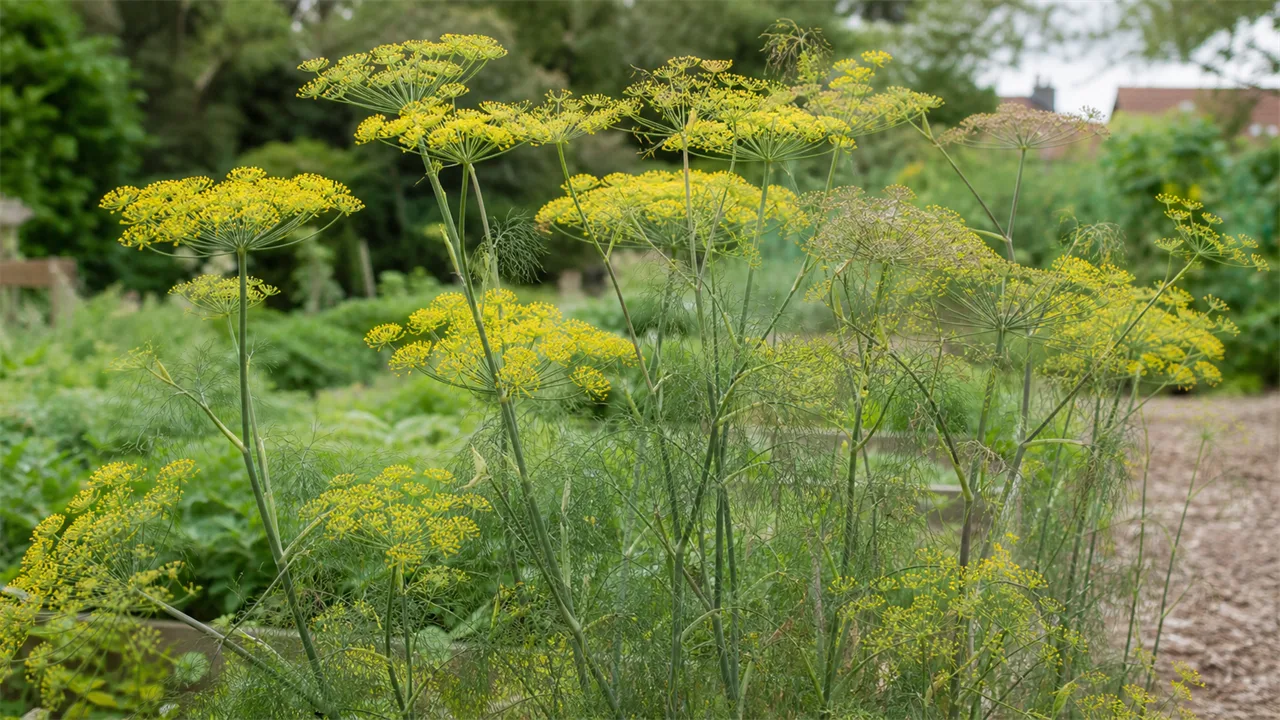
| Florence fennel | Structure / back | 210 cm | 80 cm | 1 |
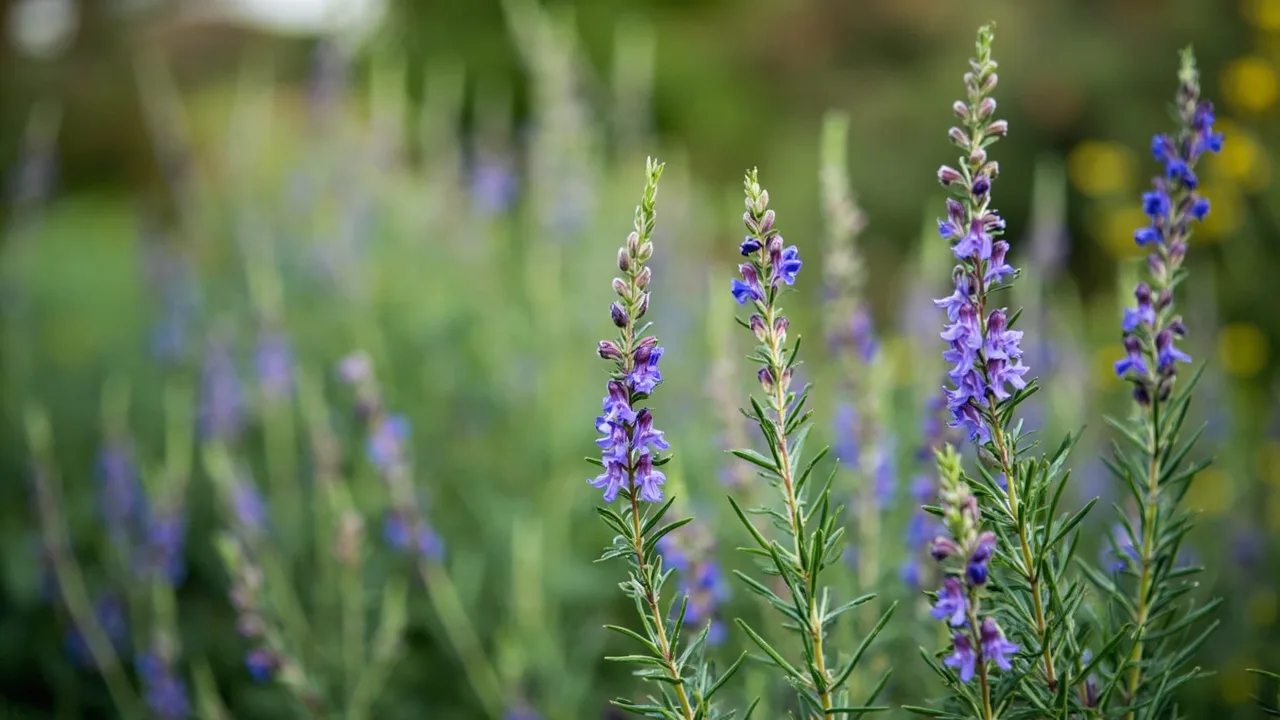
| Rosemary | Mid-height anchor | 180 cm | 90 cm | 1 |
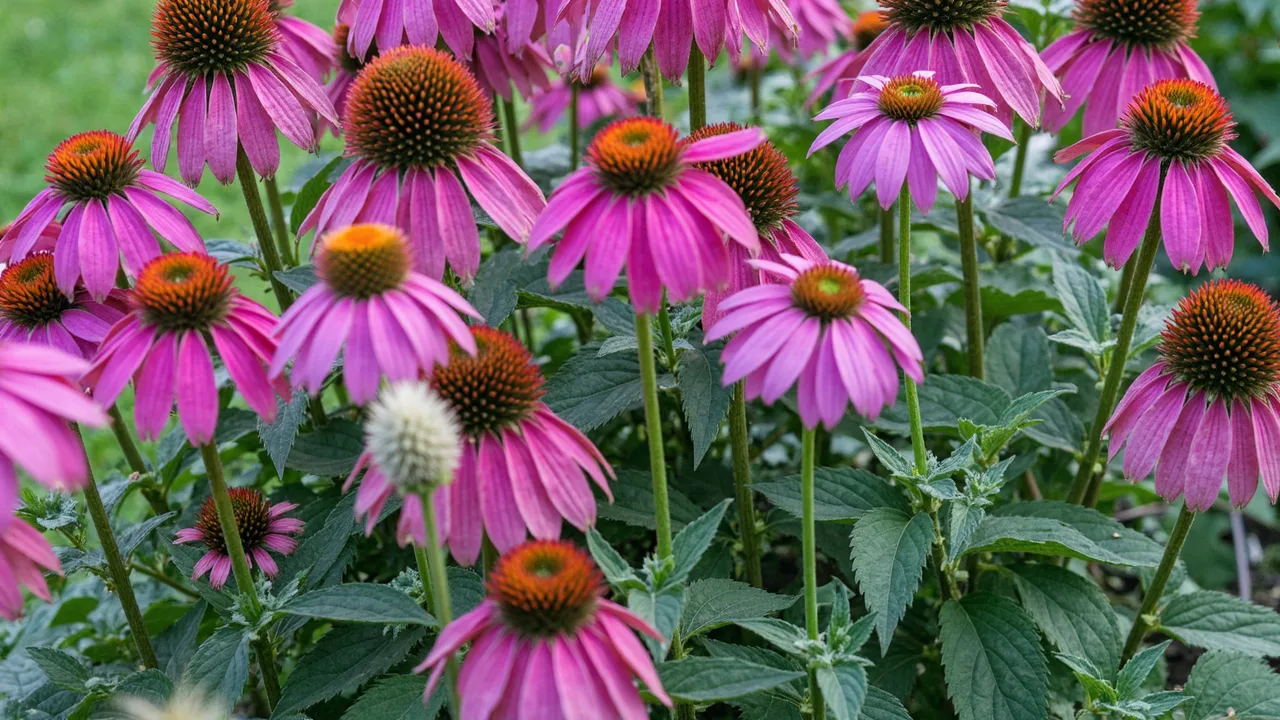
| Coneflower | Mid-height | 120 cm | 50 cm | 3 |
| Bearded Iris | Mid-height | 120 cm | 30 cm | 5 |
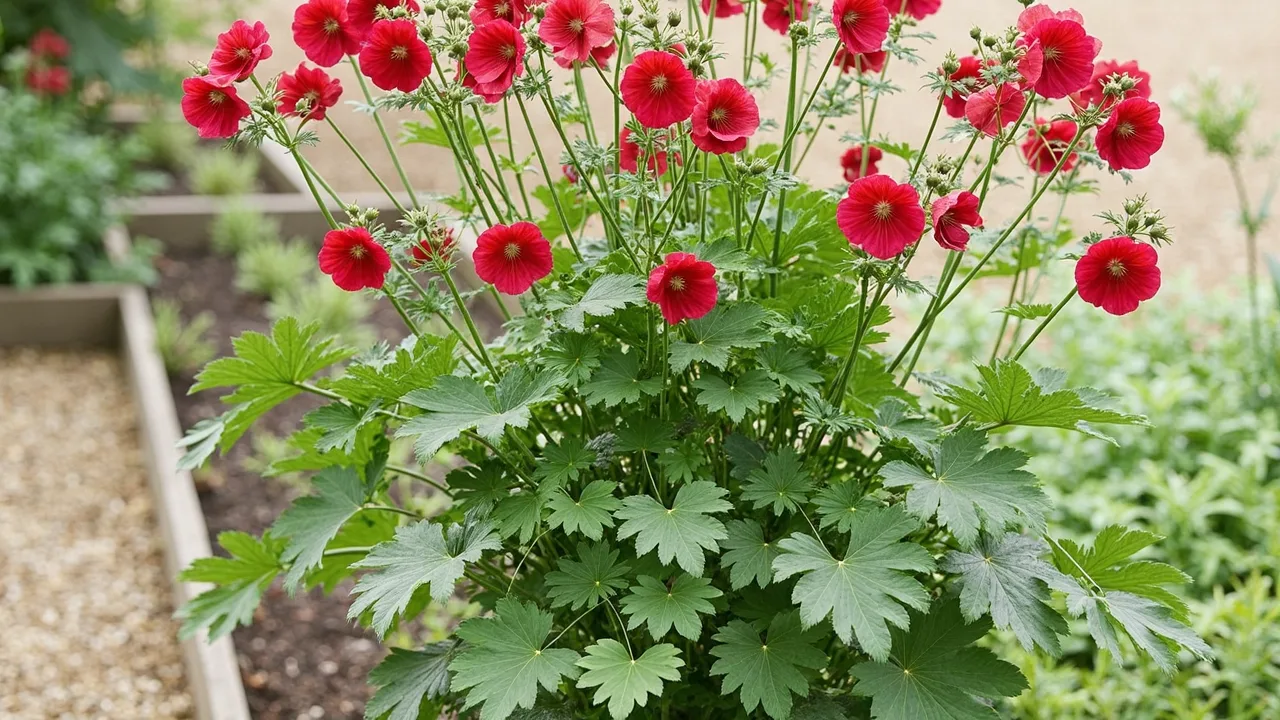
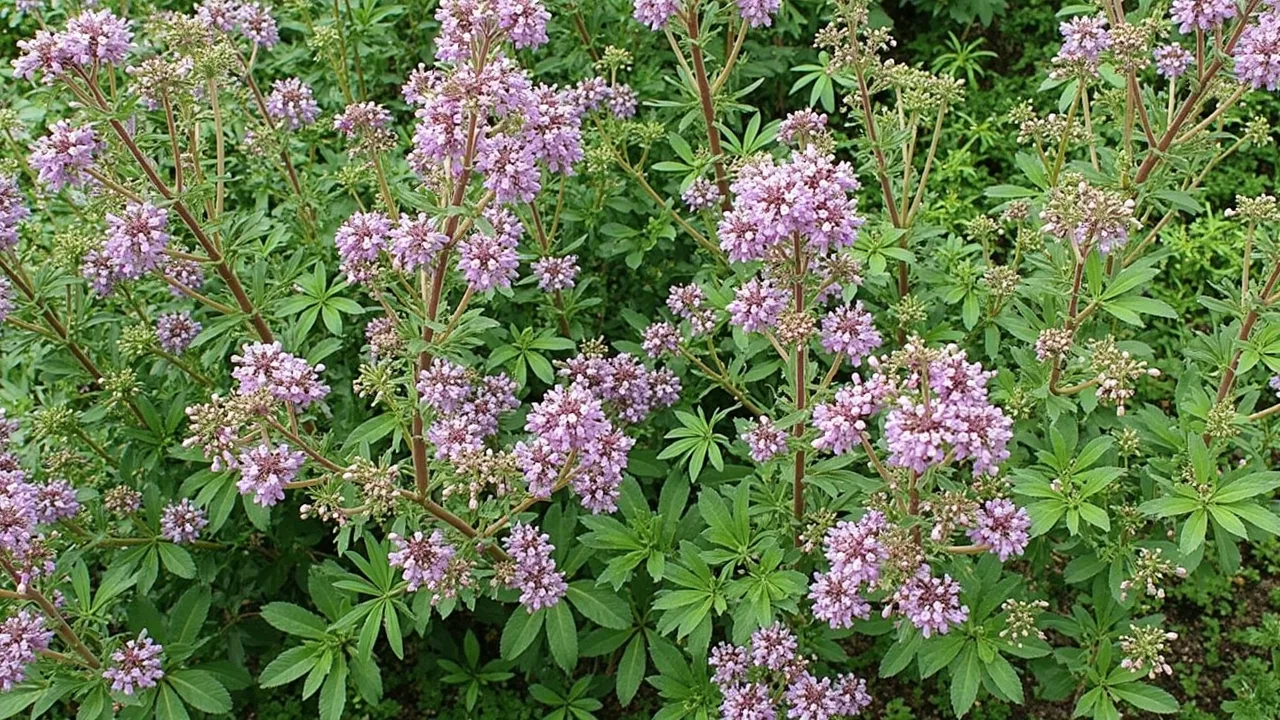
| Avens | Mid-height | 120 cm | 45 cm | 3 |
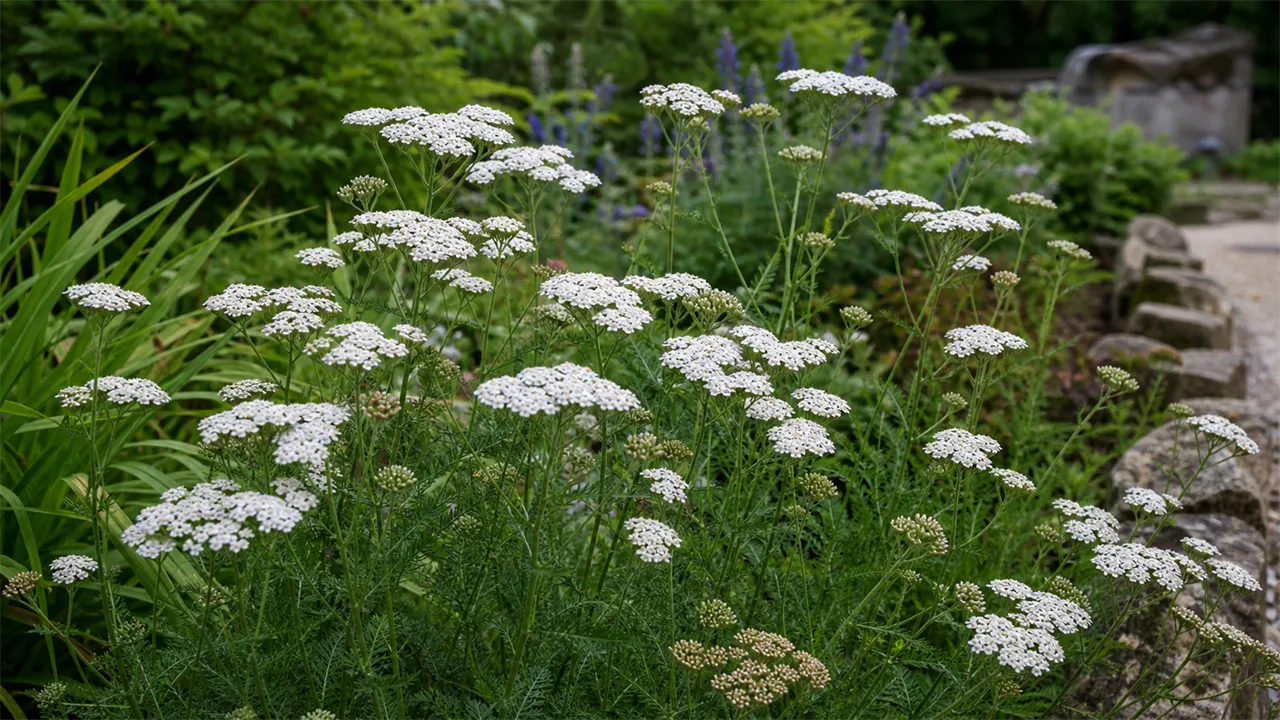
| Yarrow | Mid-height | 100 cm | 60 cm | 2 |
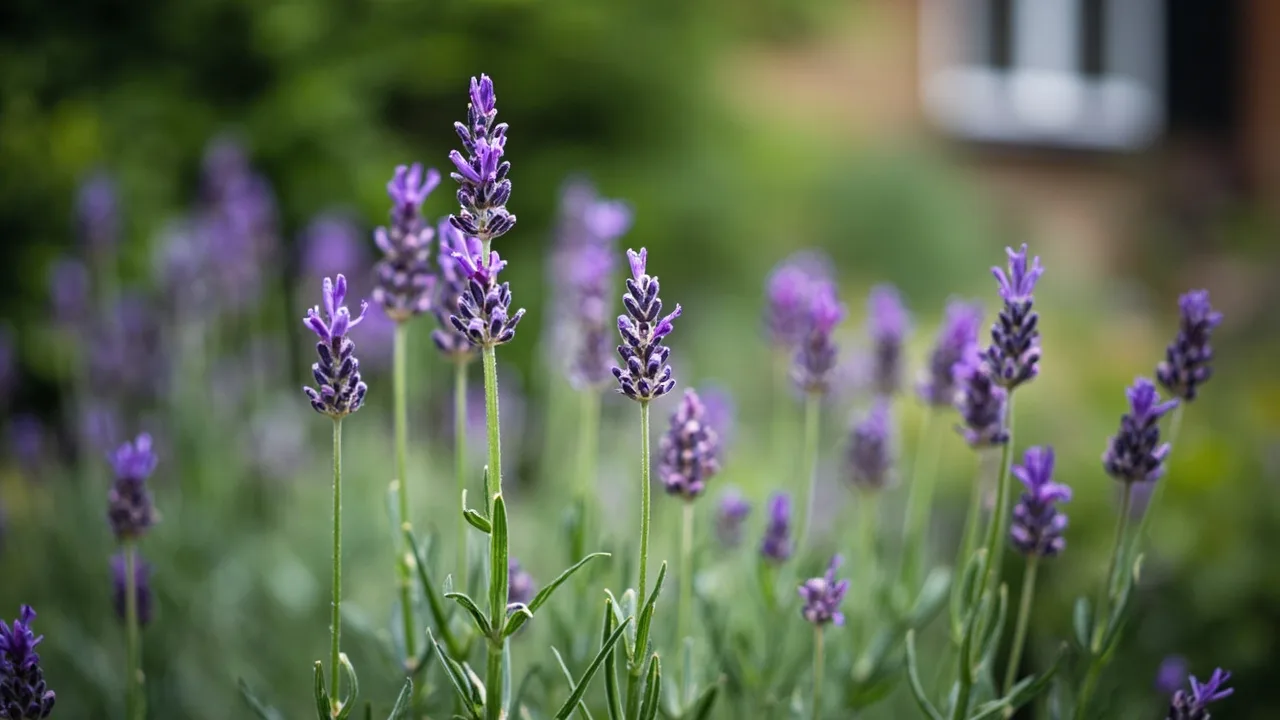
| English lavender | Front / edging | 90 cm | 90 cm | 3 |
| Oregano | Front | 90 cm | 50 cm | 2 |
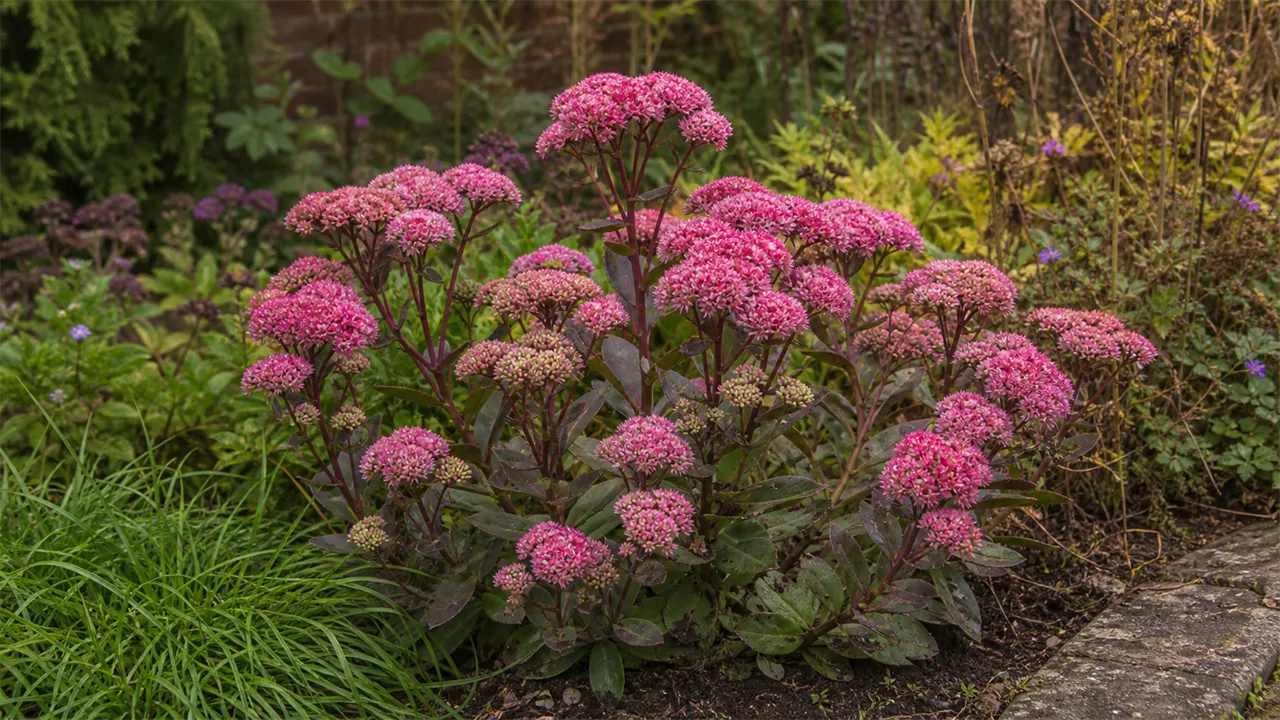
| Stonecrop | Front | 60 cm | 50 cm | 3 |
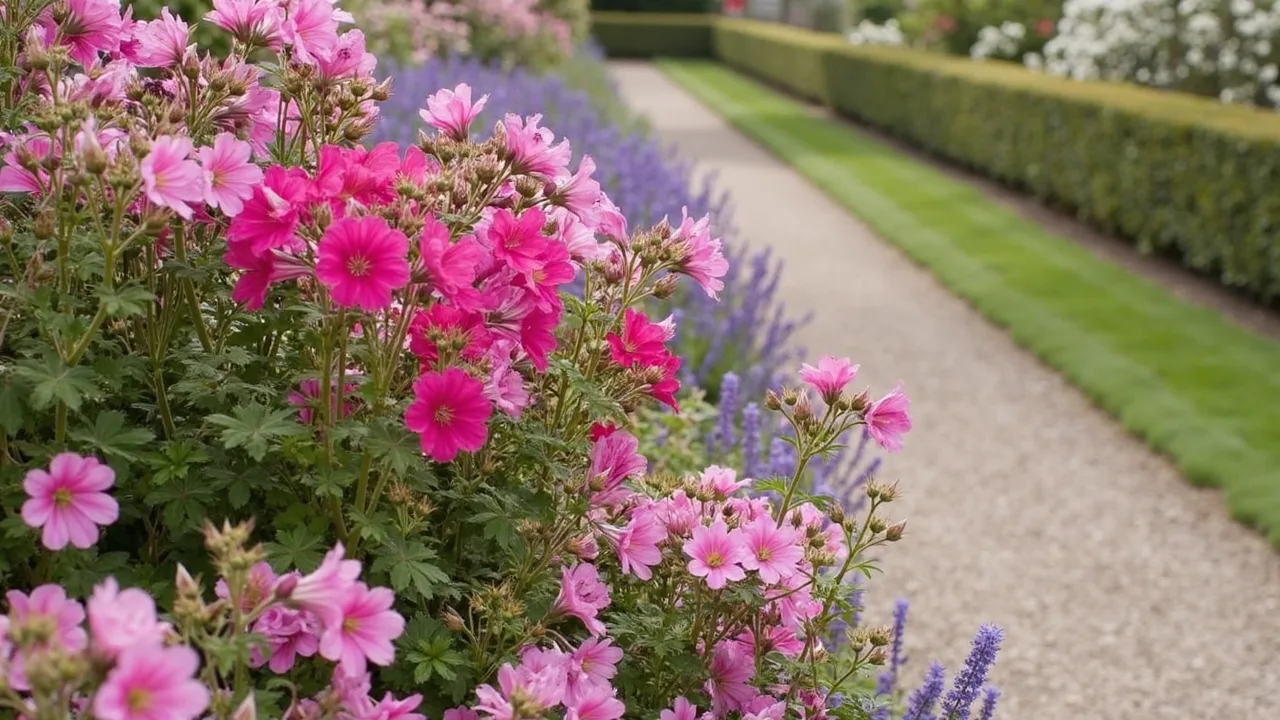
| Hardy Geranium | Front | 50 cm | 50 cm | 3 |
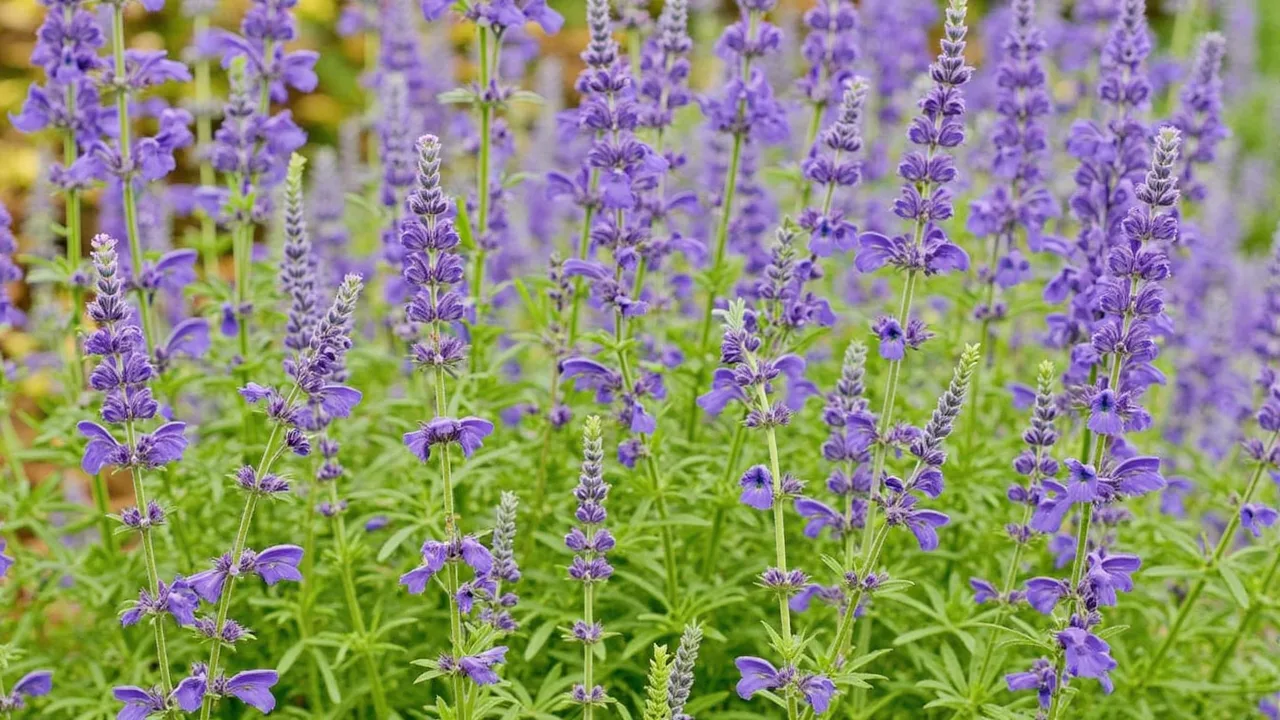
| Catmint | Front | 50 cm | 40 cm | 3 |
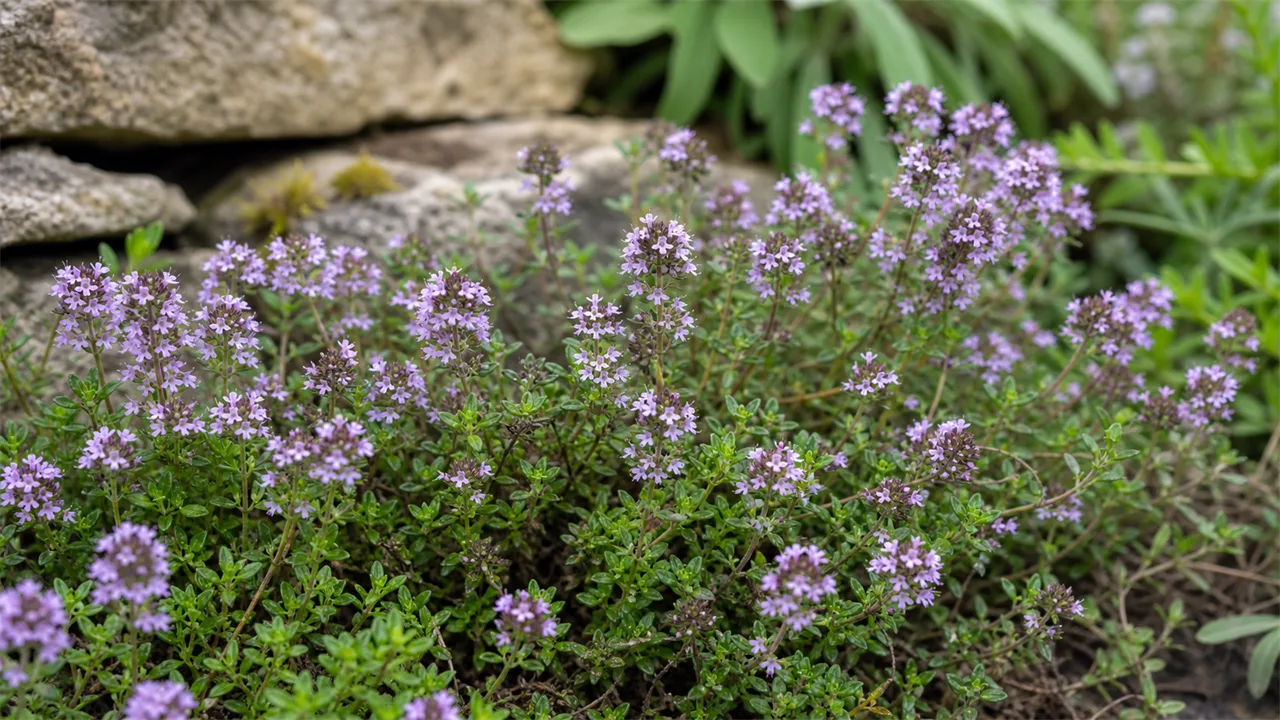
| Thyme | Edging carpet | 30 cm | 40 cm | 4 |
| Tulip | Spring bulbs | 65 cm | 15 cm in clusters of 7 | 14 |
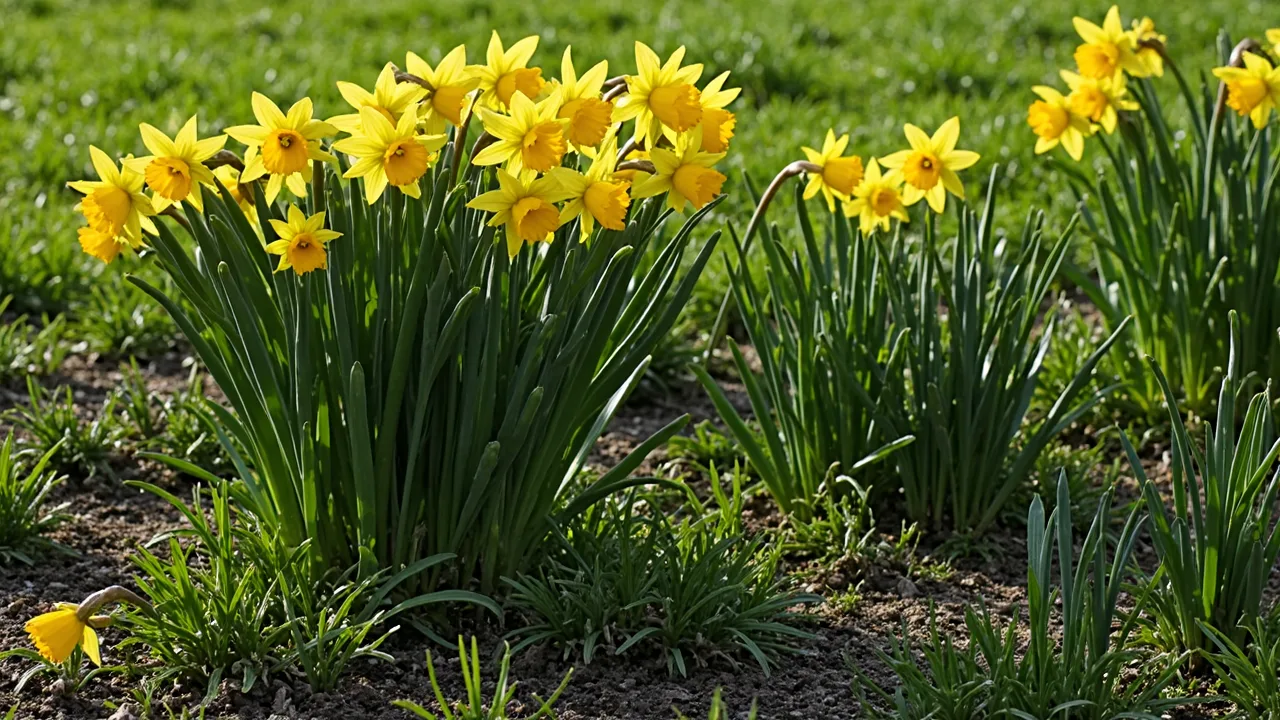
| Daffodils | Spring bulbs | up to 120 cm | 10 cm in clusters of 7 | 14 |
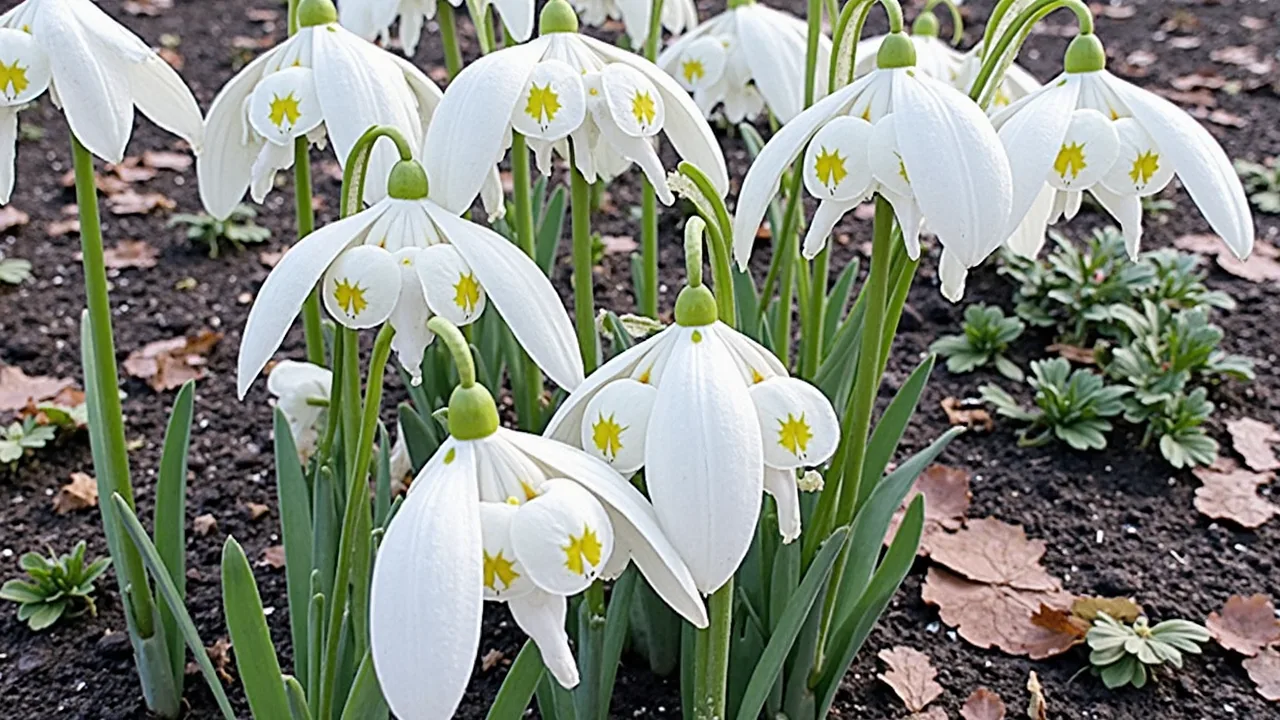
| Snowdrops | Late-winter bulbs | 15 cm | 10 cm drifts | 20 |
That is 16 different species, every one a real plant in the GardenWizz catalogue, with internal links you can click straight through to check height, soil and aspect detail before buying.
Structure / back of border
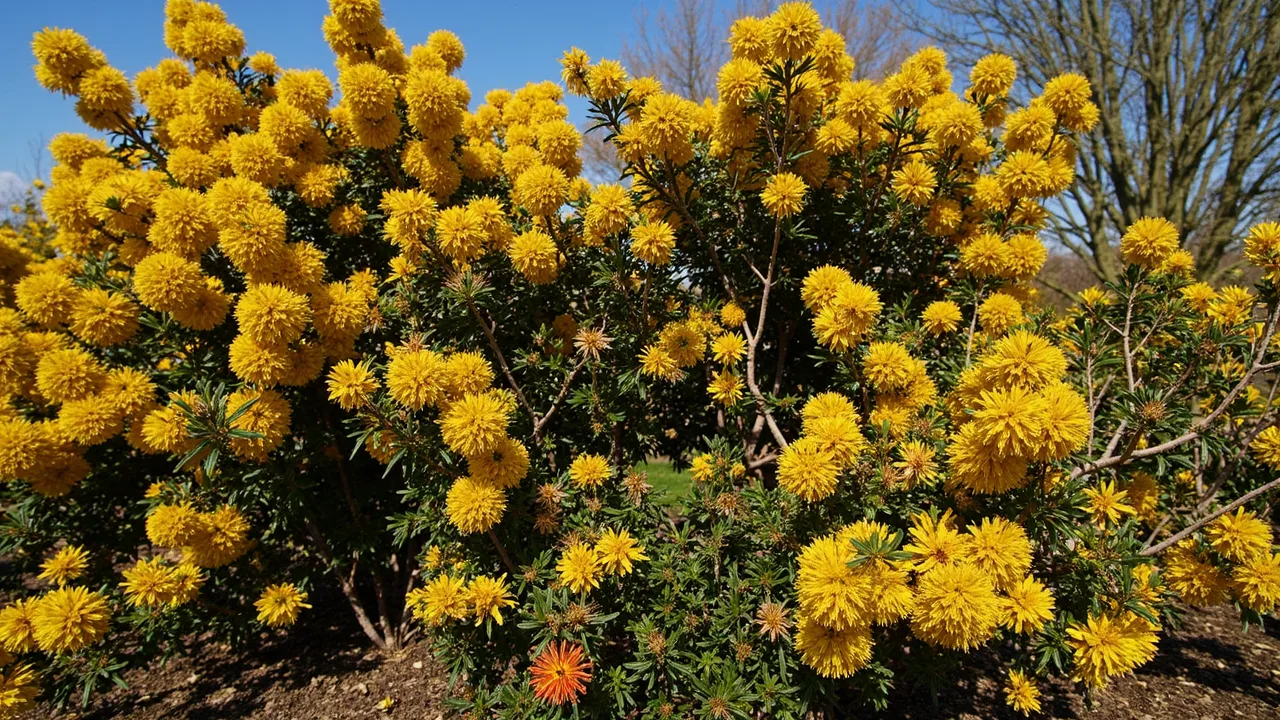
Gorse (Ulex europaeus) — a spiny, evergreen mound with coconut-scented yellow flowers from January into April, when nothing else is awake. Clip lightly after flowering to keep it to 1.2 m. Thrives on poor, acidic to neutral sandy soil.
Florence fennel (Foeniculum vulgare) — feathery backbone to 2 m in July with flat umbels of yellow flowers loved by hoverflies. Self-seeds politely; space at 80 cm and let it drift.
Mid-height perennials
Coneflower (Echinacea purpurea) — stiff 120 cm stems, daisy-shaped mauve-pink flowers from July to October. Cut back to 15 cm in March; leave seedheads in autumn for goldfinches.
Bearded Iris (Iris germanica) — May–June flowers at the iris-to-perennial bridge. Plant the rhizomes at or just above the gravel surface — they must bake in the sun.
Avens (Geum) and Yarrow (Achillea millefolium) — May–August and June–September respectively; both hold stiff seedheads through winter.
Rosemary (Salvia rosmarinus) — semi-evergreen anchor at the back, blue flowers from March through May for early bumblebees.
Front / edging
English lavender (Lavandula angustifolia) — silver foliage, July–August scent. Trim into a low dome immediately after flowering; never into old wood.
Catmint (*Nepeta) — May–September blue spikes; shear in late July for a second flush.
Hardy Geranium (Geranium) — knits the front of the border together and smothers weed seedlings in the gravel.
Stonecrop (Sedum) — fleshy leaves and pink plate-flowers from August to October; bronze seedheads into December.
Oregano and Thyme form the walkable, edible carpet at the very front.
Spring bulbs (the winter–spring interest layer)
The single biggest mistake in a gravel garden is leaving the first three months of the year bare. Plant snowdrops in October for January–February flowers, daffodils in September for March–April, and tulips (late, single-coloured species types such as Tulipa 'Queen of Night' or T. sprengeri) in November for May. Plant them in drifts of 7–15 bulbs at three depths (10 cm, 15 cm, 20 cm) so flowering is staggered across eight weeks.
Year-round interest
- Late winter (Jan–Feb): gorse in full yellow flower; snowdrop drifts; rosemary starts to bloom.
- Spring (Mar–May): rosemary continues; daffodils peak mid-March; tulips in May; bearded iris bridges into early summer.
- Summer (Jun–Aug): yarrow, lavender, catmint, oregano and thyme all in flower together; first coneflowers open.
- Autumn (Sep–Nov): stonecrop, coneflower and geum carry colour into October; fennel seedheads turn bronze.
- Winter (Dec–Feb): gorse, rosemary and lavender foliage give evergreen structure; coneflower and yarrow seedheads left standing feed goldfinches in frost and snow.
Companion and pollinator notes
A gravel garden is one of the best pollinator plantings you can build. The combination of flat-topped yarrow and stonecrop umbels with the lipped flowers of lavender, catmint, oregano and thyme gives bees, hoverflies and butterflies every shape of landing platform from May to October. Rosemary and gorse are the critical late-winter and early-spring fuel for queen bumblebees emerging from hibernation.
Strong pairings to repeat through the bed:
- Rosemary + bearded iris + tulip 'Queen of Night' — three plants with a long succession of blue/purple/black flowers from March to June, all sharing the same sun-baked free-draining soil.
- Yarrow + stonecrop + coneflower — three flat-headed daisies in different scales and colours, July to October, all keeping stiff seedheads for winter.
- Lavender + catmint + oregano — silver-blue Mediterranean trio for the front of the border, all shearable into a low hedge after flowering.
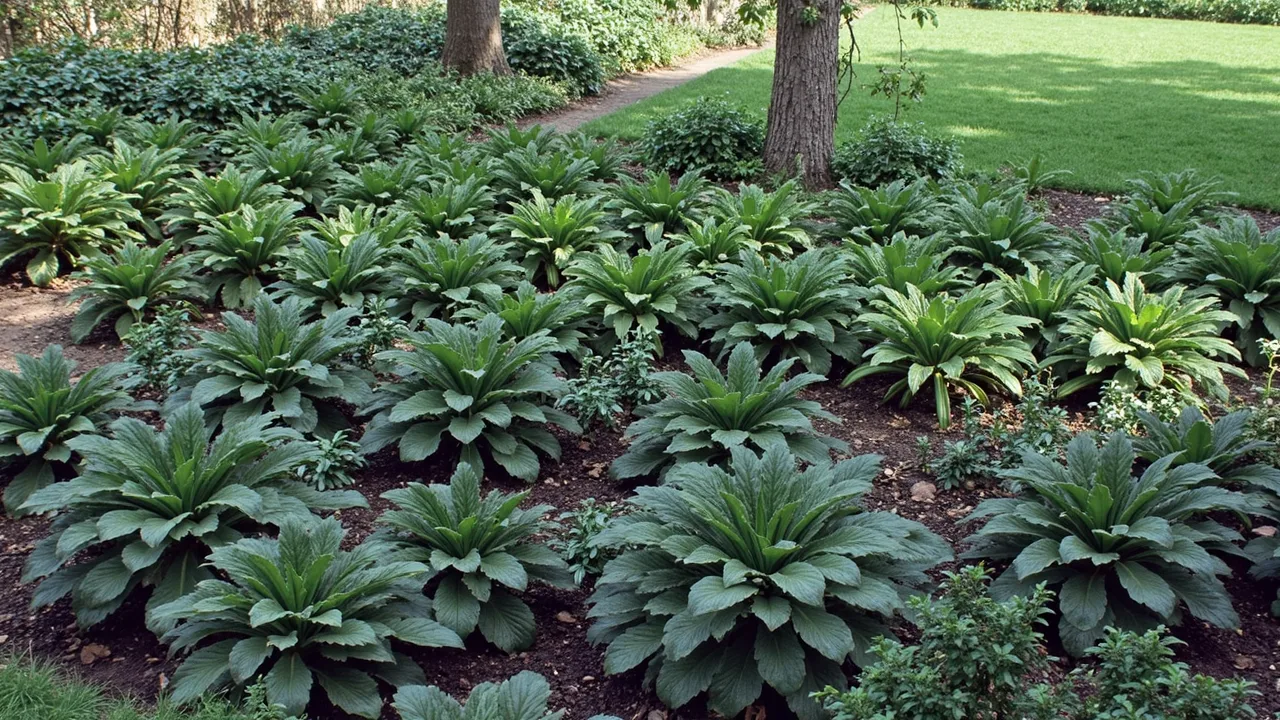
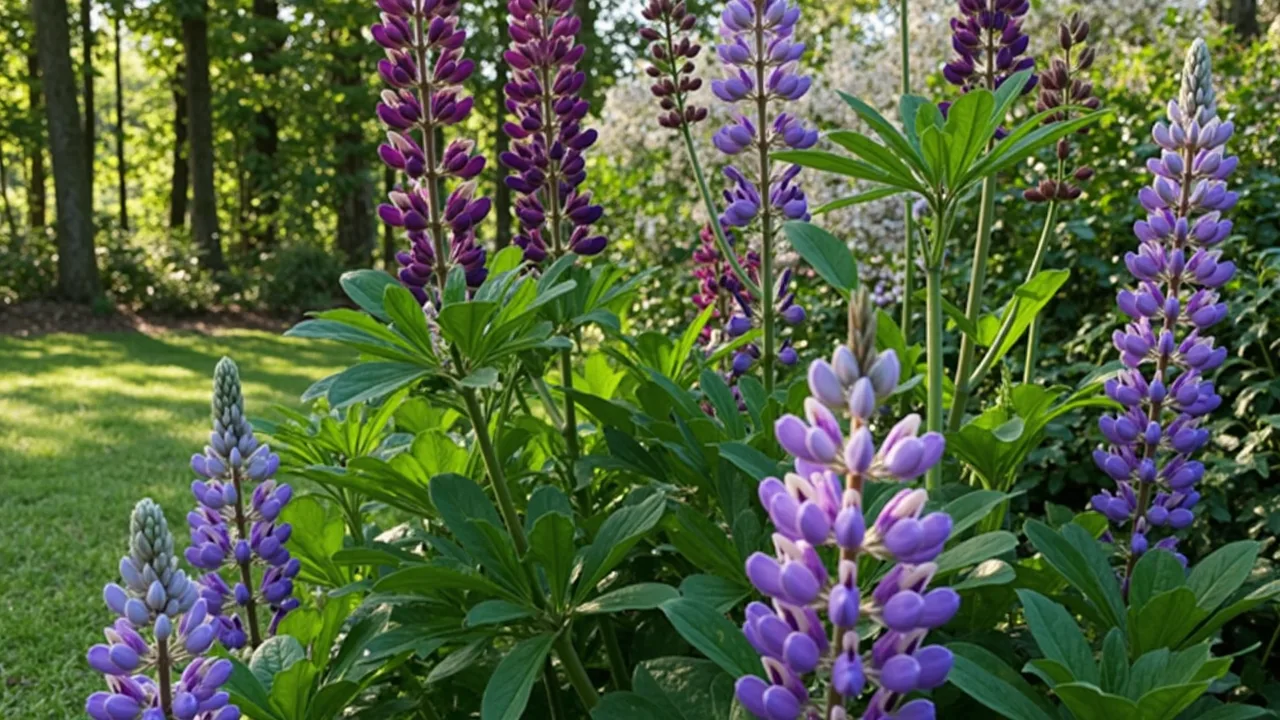
Avoid pairing the drought-lovers with moisture-demanding plants: do not tuck a Hosta or a Lupin into the same bed. The lupin especially hates free-draining gravel and will sulk and die within a season.
Practical setup, maintenance and budget
Plants: the design above for a 4.5 m² bed needs roughly 67 plants (gorse and fennel aside, which are slow to raise). At an average £6–£9 per 2-litre pot from a UK nursery, the plant bill is £350–£450. Bulbs add another £40–£60. Expect to save by buying bare-root perennials (yarrow, geum, coneflower) in autumn — typically £1.50–£3 each.
Gravel and membrane: a 5 cm layer over 4.5 m² is roughly 0.25 m³, or £60–£90 for a 850 kg bulk bag of 10–20 mm Cotswold buff or self-binding hoggin. Weed-suppressing membrane at £2/m² adds £9.
Soil improver: one bag of sharp sand (25 kg, around £5) to fork into heavier soils. Skip the compost on dry-loving beds — you want lean soil.
Total budget: roughly £500–£650 for a 4.5 m² bed, all in.
Maintenance calendar:
- March: cut back coneflower, yarrow and stonecrop to 15 cm; top up gravel 1 cm.
- April: weed by hand — only by hand.
- May–June: shear lavender and catmint after the first flush.
- July–August: water only in year one; once established, no irrigation needed.
- October: plant snowdrops, daffodils and tulips in drifts.
- November–February: leave seedheads for birds; do almost nothing.
Expect about two hours a month between April and September and roughly four hours a year of pruning once established.
Common mistakes to avoid
- Using rich compost or manure under the gravel. Mediterranean plants flower briefly and then collapse on rich ground. Lean is better.
- Laying smooth pea shingle. It migrates, caps into a solid rain-shedding crust, and looks like a child's play pit within a year. Use angular 10–20 mm grit.
- Skipping the membrane. Annual weeds — hairy bittercress, groundsel, willowherb — will colonise bare gravel within one season. Membrane is not optional.
- Planting in straight rows. Gravel gardens read as natural drifts. Plant in odd-numbered clusters of 3, 5, 7 and 9, never singly in a line.
- Cutting everything back in autumn. The skeleton of a gravel border — yarrow plate-heads, coneflower cones, fennel umbels, stonecrop discs — is the entire show from November to February. Cut back in March, not October.
- Forgetting the bulbs. Without snowdrops, daffodils and tulips you have a six-month dead zone from November to May. Plant at least three bulb types in autumn.
A gravel garden is one of those rare designs where less effort genuinely gives you more. Build the soil right, plant once, and the border will look after itself for a decade.
Plants in this guide


Recommended Products
GardenWizz earns a commission from qualifying purchases made through affiliate links on this page (including links within the article) — as an Amazon Associate, and from Thompson & Morgan via the Awin network. This does not affect the price you pay. See our disclaimer for details.
Related Articles
More →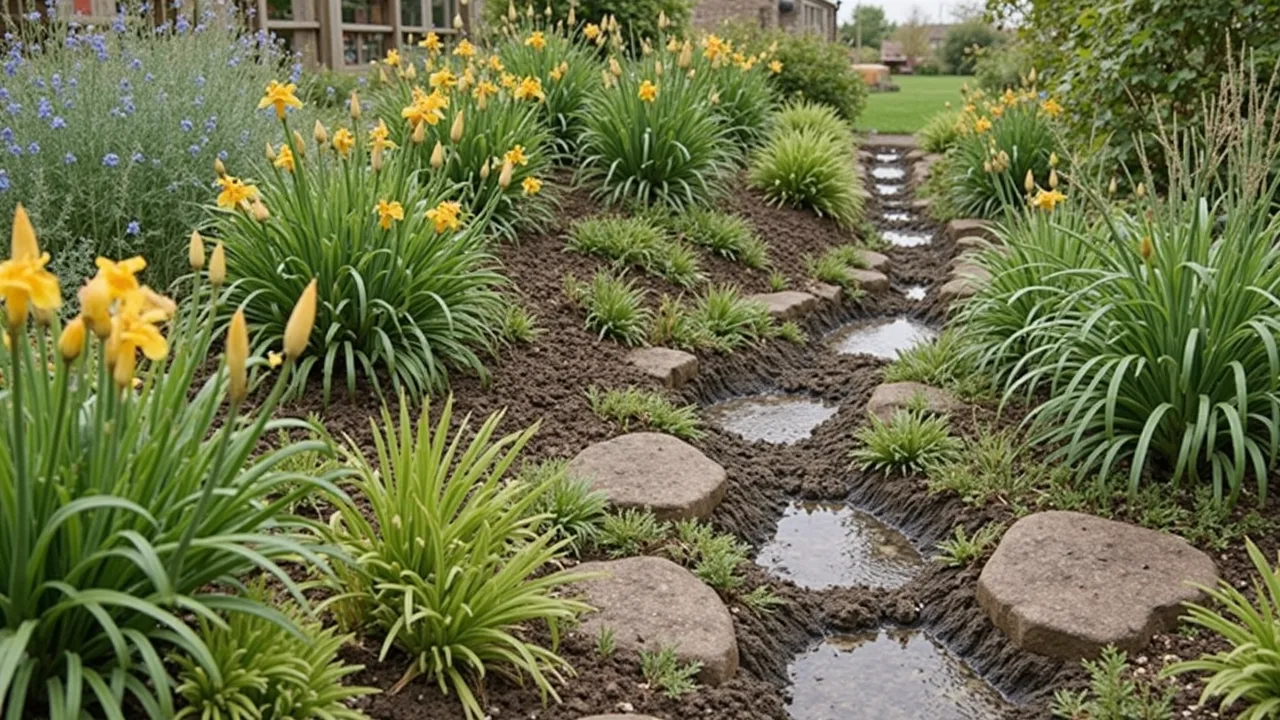 Garden Design
Creating a Rain Garden
12 June 2026A rain garden is a shallow, planted dip in the lawn or border that catches roof and paving runoff, lets it soak into the ground, and filters it through plant roots on the way down. In a UK garden it…
 Garden Design
How to Attract Birds to Your Garden
12 June 2026A garden with birds is a working garden. They eat aphids, caterpillars, slugs and snails; they pollinate as they forage; and they tell you, quickly, when something in your patch is out of balance.…
 Garden Design
Best Climbing Plants for UK Walls and Fences
12 June 2026A bare fence or blank wall is wasted growing space. Choose the right climber and that same square metre of garden becomes flowers from May to October, shelter for nesting birds, a windbreak for the…