Fairy Primrose
Primula malacoides
The Gardening Year
Best months in UK gardens · full planting calendar →
🖨 Printable care card (PDF)At a Glance
| Botanical name | Primula malacoides |
|---|---|
| Common name(s) | Fairy primrose |
| Family | Primulaceae |
| Plant type | perennial (Monocarpicae primulas flower once then die. To ensure these primulas return, the seed has to be collected and sown.) |
| Height × Spread | 20–45 cm × 10–50 cm |
| Position | Full sun, Partial shade |
| Soil | Moist but well-drained loam; pH Acid or Neutral or Alkaline. Potting mix of 4 parts peat-free, loam-based compost and 1 part each grit and leaf mould. |
| Flowering | January, February, March, April, May, December |
| Toxicity | Leaves may cause irritation; advised to wear gloves. May have allergenic properties with symptoms including rashes and headaches. |
| Native range | Himalayas, Assam in India, Myanmar, and south-central and south east China |
Fairy primrose, Primula malacoides, is the airy winter- and early-spring-flowering member of the primula family that has filled British windowsills, porches and unheated greenhouses for over a century. Native to cool, high-altitude slopes in Yunnan and Sichuan, it dislikes heat far more than cold, and in the UK it is most reliably enjoyed as a cool greenhouse or houseplant, then brought onto the patio only when nights stay above freezing.
Overview
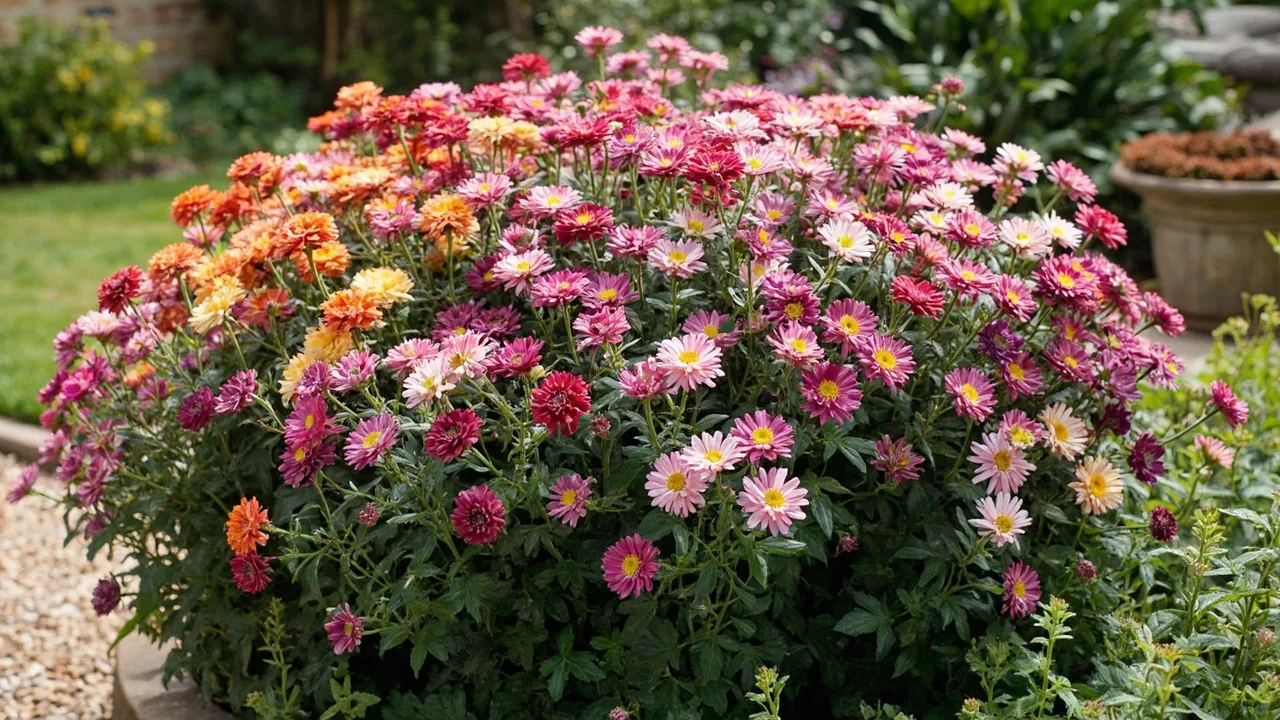
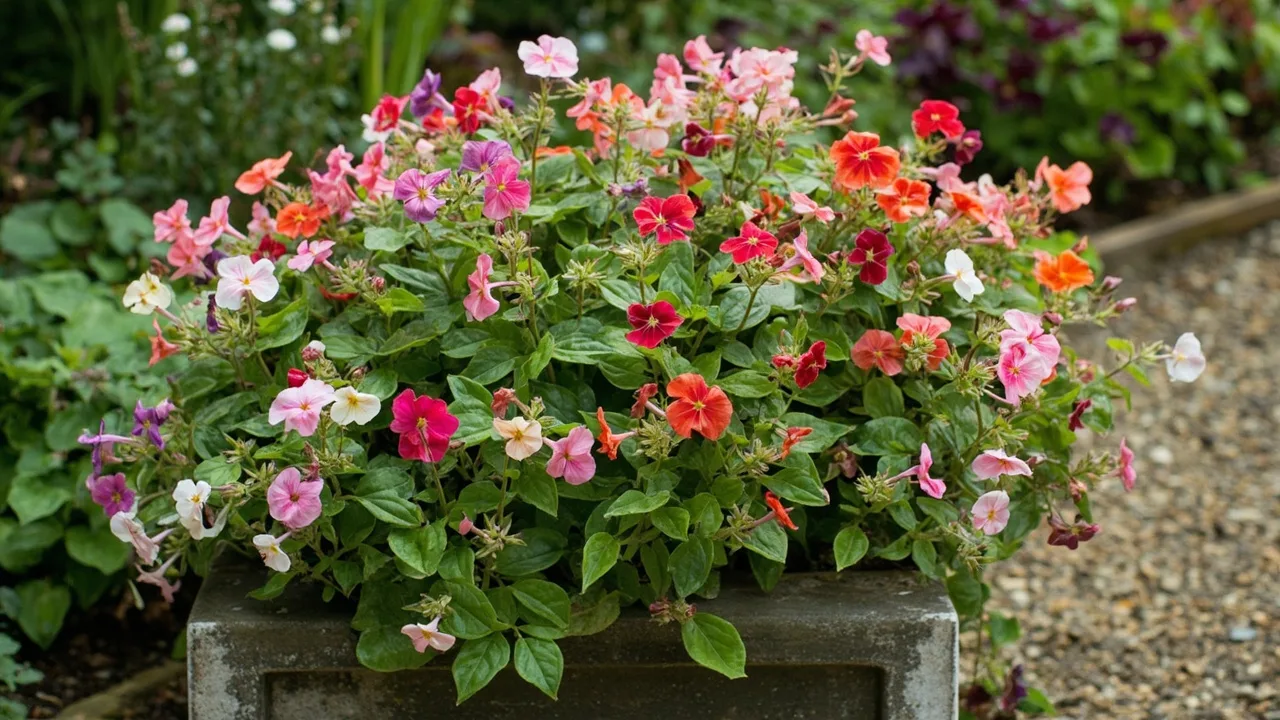
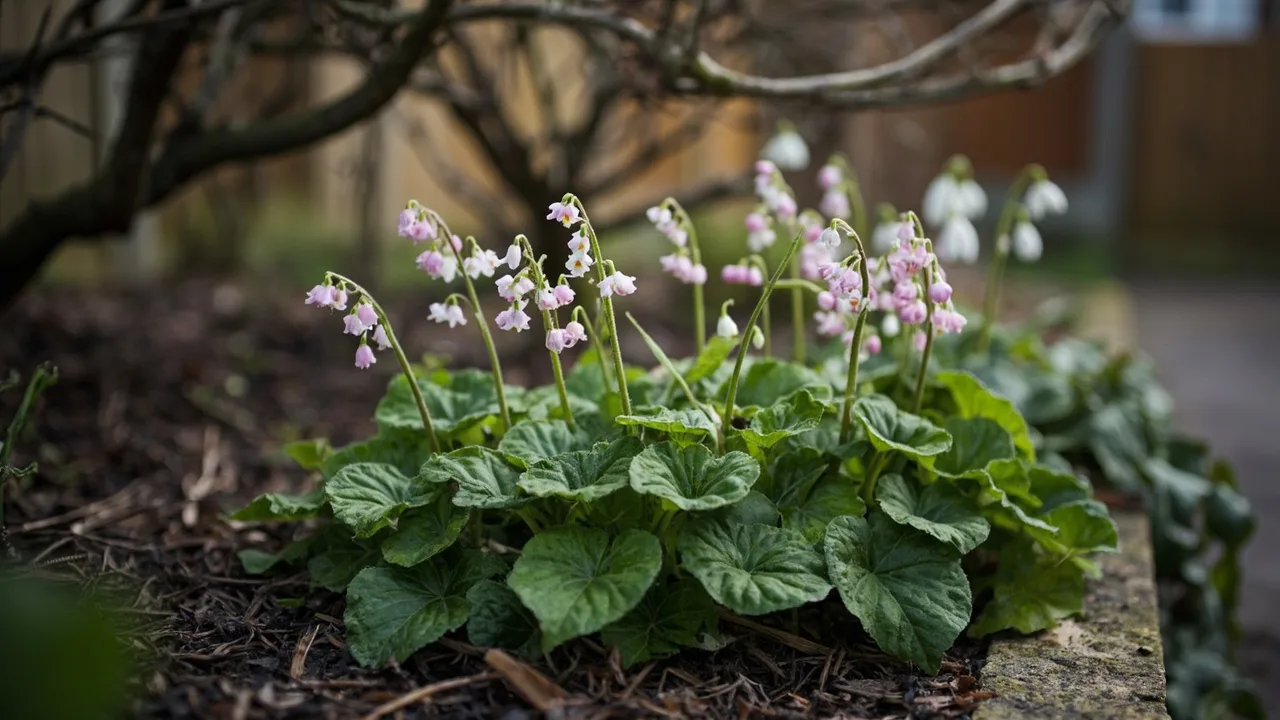
Primula malacoides is a rosette-forming evergreen perennial in the wild, but in British cultivation it is almost always raised as a half-hardy annual or biennial. Plants form a basal rosette of soft, oval, scallop-edged leaves and throw up slender flower stems carrying several tiers of small, open-faced blooms. Colours range from white and pale pink through rose, salmon, lilac and crimson, often with a paler eye.
The species was introduced to British horticulture in the early twentieth century and rapidly became a popular pot plant for cool glasshouses. It is widely grown commercially for winter and early-spring sales, both as a flowering gift plant and as a cheerful pot for sheltered patios. In the warmest UK gardens, particularly in coastal south-west England, plants set out after the last frost may flower for months before fading in the summer heat; elsewhere, they are most at home indoors or under glass.
Fairy primrose is sometimes confused with Primula obconica, which has larger, somewhat coarser flowers and foliage, and is more demanding of cool conditions. P. malacoides is the more elegant of the two and remains the best choice where flowers are wanted through the darkest months of the year.
Appearance
A well-grown plant forms a neat rosette roughly 20-30cm across, with soft, pale green, oval leaves 5-10cm long. The leaves are slightly hairy and have a gently scalloped or toothed margin; they are noticeably softer to the touch than those of common primrose or polyanthus.
Flower stems rise 15-30cm above the foliage and carry their blooms in successive whorls, opening from the lowest tier upwards. Each individual flower is about 1-2cm across, with a small yellow or paler eye and five rounded, notched petals. In good strains, 20-40 flowers open on each stem over several weeks. Colours include pure white, blush, apple-blossom pink, rose, salmon, lavender, carmine and near-purple; modern F1 seed mixes offer particularly even, large-flowered selections.
The scent is light but noticeable indoors on a still day, with a faint, sweet, primula character. Seed capsules are small and oval, releasing fine seed once the petals fall. Plants rarely set significant seed in a typical windowsill setting, but commercial growers rely on seed production to maintain named series.
Growing Conditions
Light: bright, filtered light with shade from the strongest midday sun is ideal. A north- or east-facing windowsill, a glazed porch or a cold greenhouse with shading in spring suits it well. Direct summer sun scorches the leaves and shortens flower life.
Temperature: cool conditions are essential. Plants grow and flower best between about 7-15 C; sustained warmth above 18 C dramatically shortens flowering. A common mistake is to treat fairy primrose like an ordinary houseplant and place it over a radiator or near a south-facing window: buds drop and leaves yellow within days.
Soil and compost: use a peat-free, loam-based potting compost with added grit and leaf mould for sharp drainage. A mix of roughly four parts loam-based compost to one part each of grit and leaf mould mimics the well-drained, humus-rich mountain soils the plant enjoys in the wild. Plants dislike both waterlogging and complete drying out, so the compost should feel consistently moist but never sodden.
Watering and feeding: water freely from below during active growth, allowing the surface to dry slightly between waterings. Use rainwater or cooled tap water where tap water is hard, because high calcium can mark the foliage. Feed weekly with a dilute balanced liquid fertiliser once flower stems begin to elongate, then stop feeding as flowering finishes.
Air and humidity: gentle, buoyant air movement reduces fungal leaf spots, but cold draughts should be avoided. Pots on a tray of damp gravel maintain humidity without waterlogging the roots. Misting the foliage is not recommended, as wet leaves mark easily.
Planting and Care
Sowing: sow seed fresh or from a reputable seed house between late spring and midsummer for winter and early-spring flowering. Surface-sow on a moist, finely sieved peat-free seed compost, press in lightly and cover with a thin layer of vermiculite. Germination takes two to three weeks at around 15-18 C; light is beneficial, so do not bury the seed deeply. Prick out seedlings once they have two true leaves and grow on in small pots before potting on. Seedlings raised too warm become leggy and rarely recover, so a cool, bright windowsill or an unheated propagator in a shaded frame is preferable to a heated indoor sill during germination.
Potting on: move young plants into 9-13cm pots once roots fill their initial modules, keeping the rosette sitting on the surface of the compost rather than buried. A second potting into a 15cm pot may be needed for the largest specimens, but most commercially sold plants are sold in 10-13cm pots and finish comfortably in that size.
Aftercare through winter: site plants in their coolest, brightest position once temperatures drop below about 10 C outside. Remove faded flowers regularly to encourage further tiers to open and to prevent botrytis from establishing on damp petals. Yellowing lower leaves can be pinched away cleanly at the base.
Propagation: named series such as Prima F1 and Beauty Mix are raised from seed and come remarkably true when supplied as F1 hybrid seed. Gardeners wishing to keep a particular colour can attempt seed saving, but offspring of open-pollinated plants will vary; vegetative propagation by division is possible but rarely worthwhile for a plant that performs so well from seed.
End of season: most gardeners treat plants as disposable after flowering, because hot UK summers make over-wintered plants leggy and tired. In mild coastal districts, a shaded, sheltered corner can carry plants through summer for a second winter display, but heat and vine weevil usually finish them off long before then. Compost spent plants rather than leaving them to fade on the patio.
Display ideas: group several colour-themed pots together on a tray of damp gravel to raise humidity around the rosettes, or stand individual 13cm pots inside larger decorative containers packed with moss. Pairs particularly well with dwarf narcissus, hyacinths and hellebores in late winter, and with trailing ivy or Soleirolia soleirolii as a green base. Many gardeners find that P. malacoides is at its best for cut flowers as well: a single stem laid flat on a small plate will keep its lower tier of blooms for nearly a week indoors, far longer than the same flowers last on the plant.
Common Problems
Yellowing leaves: usually a sign of over-warm, over-dry conditions, or of waterlogging around the roots. Move the plant to a cooler, brighter spot, check that the pot drains freely and water from below rather than overhead.
Bud drop: a frequent complaint when plants are bought in bud and taken into a centrally heated room. Buds abort if nights stay above about 15 C, if compost dries out, or if the plant stands in a draught. A useful trick is to move plants into a cool bedroom, porch or unheated conservatory for the first week after purchase to let buds establish.
Botrytis (grey mould): appears as fuzzy grey growth on fading flowers and soft leaves in still, damp air. Remove affected material promptly, increase ventilation and avoid wetting the foliage when watering.
Leaf spots: small brown or yellow spots are usually the result of cold water on warm leaves or of fungally infected seed-raised stock. Improve air movement, remove the worst-affected leaves and avoid overhead watering. Persistent problems warrant fresh, disease-free stock.
Vine weevil: a serious pest of container-grown primulas. Adults notch the leaf margins in summer, while the cream, C-shaped grubs eat roots through autumn and winter, often killing plants without warning. Tip plants out of their pots to check for grubs if growth suddenly collapses; biological control with nematodes is effective in late summer.
Aphids: greenfly colonise tender flower stems indoors, particularly in spring. Wipe off small infestations or use a soap-based spray; severe outbreaks respond to a single application of a fatty-acid insecticidal spray, taking care to follow the label on edible plants if the pot is near the kitchen.
Popular Varieties
Most P. malacoides sold in the UK is offered as mixed-colour seed or as colour-themed mixes. The following are well-established series widely available from British seed merchants and wholesale plug suppliers.
- Primula malacoides Prima F1 Mixed: a uniform, large-flowered F1 hybrid series covering white, pink, rose, lavender and carmine on 20-25cm plants. It is the standard commercial mix and the safest choice where consistent height and timing matter.
- Primula malacoides 'Beauty Mix': an earlier-flowering series of six selected colours reaching about 25cm. It is offered by several UK plug suppliers for autumn and winter bench production.
- Primula malacoides 'Danova' Mixed: a slightly larger-flowered selection with blooms closer to 2-2.5cm across, in a balanced colour range. Plants reach around 25-30cm and perform well in 12-13cm pots.
- Primula malacoides 'Prima Lilac' and 'Prima White': single-colour forms of the Prima F1 series, useful for monochrome pot displays or for combining with hyacinths and dwarf narcissus in spring bowls.
- Open-pollinated mixed seed from Chiltern Seeds and similar UK suppliers: a budget option that produces slightly variable plants but includes the full range of colours and is excellent for cut-flower posies where uniformity is unimportant.
For gardeners preferring a single colour, the white forms associate particularly well with silver-leaved companions such as Senecio cineraria and Helichrysum thianshanicum in late-winter containers, while the deeper carmine and crimson selections sit comfortably alongside dwarf blue pansies and forget-me-nots in a sheltered spring border.
Sources & Further Reading
- RHS: Primula malacoides (baby primrose)/details), accessed 2026-07-23.
- Wikipedia: Primula malacoides, accessed 2026-07-23.
- Chiltern Seeds: Primula malacoides, Mixed Colours, accessed 2026-07-23.
- Moles Seeds (UK wholesale): Primula malacoides F1 Prima Mixed, accessed 2026-07-23.
- The Biking Gardener: The fairy primrose, accessed 2026-07-23.
- Royal Horticultural Society: Primula cultivation advice (general genus), accessed 2026-07-23.
Pests and Diseases
| Problem | Symptoms | Management |
|---|---|---|
| Primula leaf spot | Dark spots appear on leaves during wet weather, sometimes dropping out to leave holes. | Remove and destroy infected leaves immediately; ensure good air circulation. |
| Primula rust | Clusters of tiny, cup-like orange or brown spore structures form on the leaf undersides. | Prune away affected foliage and improve ventilation to reduce humidity around plants. |
| Slugs and snails | Irregular holes chewed in leaves and silvery slime trails visible on foliage and soil. | Use beer traps, copper tape barriers, or hand-pick at night to protect young growth. |
| Powdery mildew | A white, dusty fungal growth covers the surface of leaves and stems. | Avoid overhead watering and spray with a milk solution or approved fungicide if severe. |
| Root rot | Leaves turn yellow and wilt despite moist soil, often due to waterlogged conditions. | Ensure pots have drainage holes and use a well-draining compost mix to prevent waterlogging. |
For step-by-step help, read Dealing with Slugs and Snails and Treating Powdery Mildew. Or browse the full plant problem solver to diagnose an issue by symptom.
Recommended Products
GardenWizz earns a commission from qualifying purchases made through affiliate links on this page (including links within the article) — as an Amazon Associate, and from Thompson & Morgan via the Awin network. This does not affect the price you pay. See our disclaimer for details.